REVIEW · NAPLES
Herculaneum Private Walking Guided Tour 2 hours
Book on Viator →Operated by Tour Guide Naples · Bookable on Viator
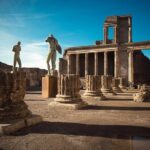
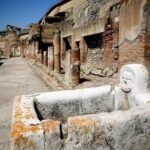
Herculaneum is a time capsule you can walk. This 2-hour private guided visit at the Parco Acheologico di Ercolano brings Roman daily life into focus, from family routines to religious beliefs, while the ruins stay unusually readable thanks to how the site was preserved.
I especially like the way the guide turns the city into a story you can follow, not a list of stones. And I love that you get the Roman resort in a calm, manageable format, so you can see the essentials without needing a full-day commitment. One thing to plan for: the price covers the guide, but the park entrance fee is not included, so you’ll want to budget for admissions before you go.
In This Review
- Key things to know before you book
- Why Herculaneum is often the smarter pick than Pompeii
- Meeting at Ercolano Scavi and making the 9:00 start work
- What you’ll cover in about two hours at Parco Acheologico di Ercolano
- Roman family life: the story behind the rooms
- Religion, temples, superstitions, and funeral rites
- Why the preservation of wood, food, and fabrics is a big deal
- Private tour value: $195.91 per person and what’s included
- Guide quality is not a small detail here
- How to prep so you don’t lose time once you arrive
- Who this tour is best for
- Should you book this Herculaneum private walking tour?
- FAQ
- How long is the Herculaneum private walking guided tour?
- What is included in the price?
- Is the entrance ticket included to Parco Acheologico di Ercolano?
- Where does the tour start?
- What time does the tour start?
- Is this a private tour?
- Do I need a printed ticket?
- Can I cancel and get a full refund?
Key things to know before you book
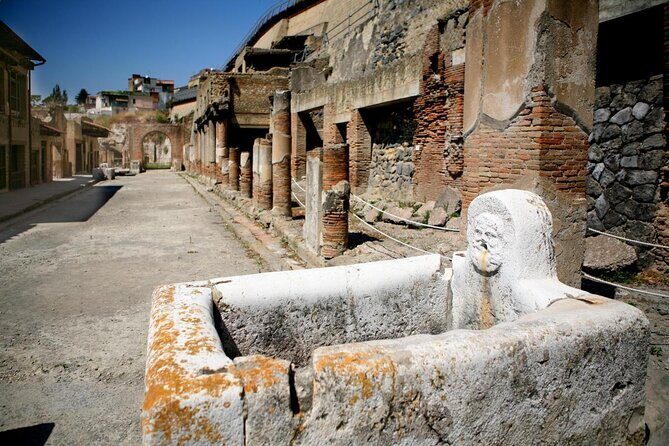
- A tight 2-hour route: Built for a smooth walk through Herculaneum’s most meaningful areas.
- Private Roman life, not just big monuments: Family roles, religious practice, superstitions, and funeral rites are part of the explanation.
- Preservation you can actually notice: The site is famous for how it protected organic materials like wood, foodstuffs, and fabrics.
- A clear timeline from legend to eruption: You’ll hear why Herculaneum was linked to Hercules, then why the Vesuvian eruption in 79 AD changed everything.
- Strong guide storytelling: Guides like Roberta, Gennaro, Andrew, Ionica, and Ornella are highlighted by past visitors for making the site come alive.
- It’s private for your group: Only your party joins, which usually makes questions and pacing easier.
Why Herculaneum is often the smarter pick than Pompeii
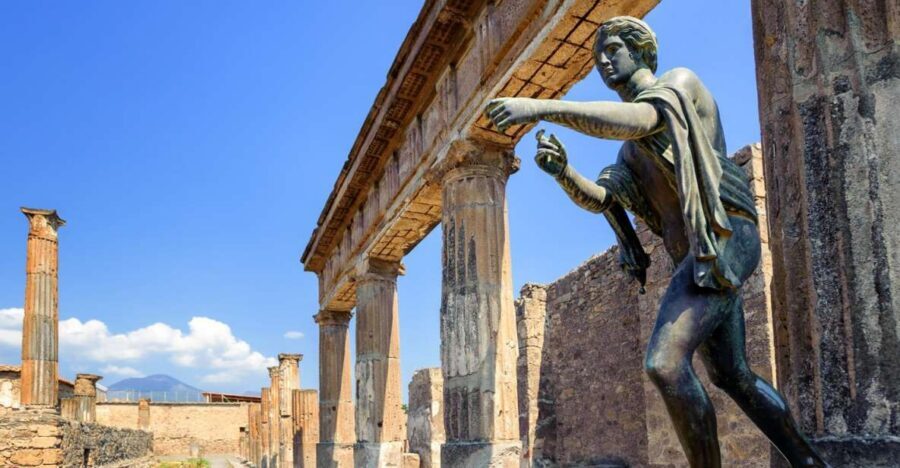
If you’re choosing between the two major Vesuvian sites, Herculaneum has a different feel. Pompeii can feel like a sprint through huge streets and famous landmarks. Herculaneum is smaller and quieter in its experience, and that’s a real advantage when you only have a limited window in Naples or the surrounding area.
The big reason it works so well in a short guided format is that the ruins hold onto more of the texture of everyday life. You’re not just looking at city walls and temples. You’re seeing how people lived in homes, how they organized family life, and how religion and beliefs shaped daily routines. With the clock running at about two hours, you get to keep the story coherent instead of spreading it across multiple days.
And there’s a practical win: because this is a focused guided walk, you’re less likely to feel lost in the open space. The guide’s job is to help you place each view into the larger picture—how the city was built, what mattered to locals, and why so much survived.
Other Herculaneum guided tours and tickets we've reviewed at Vesuvius & the Bay of Naples

Meeting at Ercolano Scavi and making the 9:00 start work
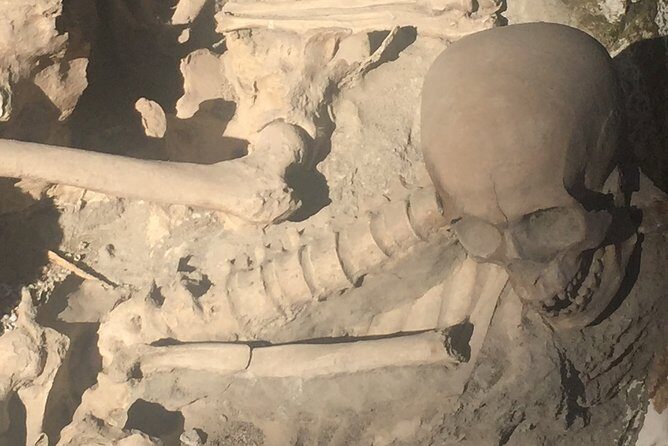
Your tour starts at 9:00 am at Ercolano Scavi, 80056 Ercolano, Metropolitan City of Naples, Italy. It ends back at the meeting point, so you’re not left figuring out a new drop-off location.
It also helps that the meeting area is described as near public transportation. In real planning terms, that means you’re not locked into a car. If you’re coming from places around the Bay of Naples, it should be possible to stitch this stop into a day without building your whole schedule around private transport.
One more detail worth respecting: the tour is about two hours, so you’ll want to arrive early enough to settle in. With a guided experience, that small buffer buys you less stress and more time absorbing what the guide is pointing out.
What you’ll cover in about two hours at Parco Acheologico di Ercolano
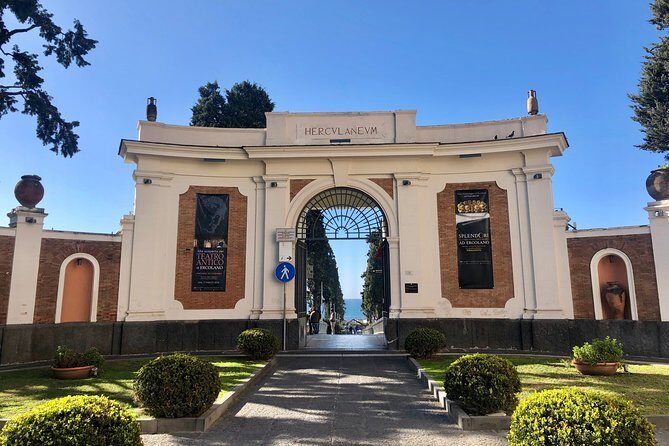
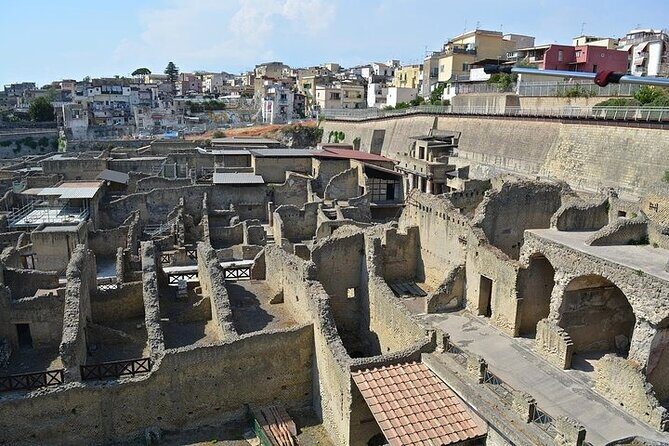
The whole experience is centered on the Parco Acheologico di Ercolano area, with a guided walk that typically comes in around two hours. The goal is to bring the city back to life—not just show ruins, but explain what you’re seeing and why it mattered.
Here’s the core storyline your guide should help you follow:
- Herculaneum is linked to a legendary origin connected to Hercules, with the city’s roots going back to the 4th century BC.
- This was an elite Roman resort, so life there wasn’t built around ordinary survival alone. It also reflected status, leisure, and private spaces.
- The big turning point is the Vesuvian eruption in 79 AD, the same eruption that buried Pompeii. In Herculaneum, the key difference is that the ruins were covered by mud, which helped shield them from certain forms of decay and from interference over time.
That last part is why the tour feels different from a typical archaeological visit. When a site preserves evidence of daily life—especially organic materials—it lets a good guide talk about Romans as people, not just citizens on a timeline.
Roman family life: the story behind the rooms
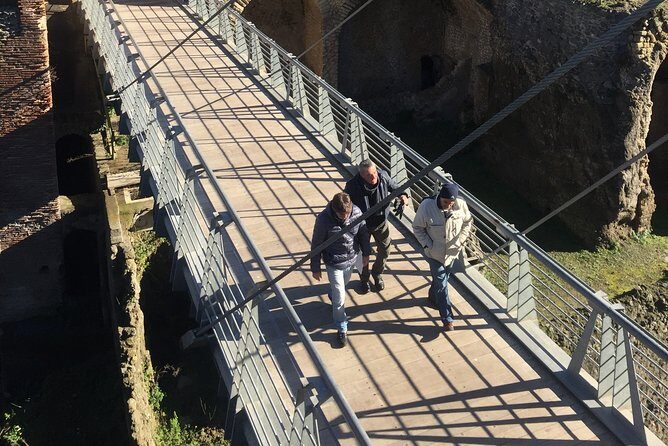
This tour’s real strength is how it connects architecture to human behavior. You’ll hear about the role of the family, and how public culture and private routines overlapped in a Roman resort town.
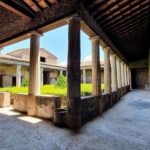
When I look for a guided visit like this, I want explanations that help me visualize how a house worked as a system. That’s exactly the angle you should expect here. The guide aims to describe the typology of Roman houses, which means you should leave with a clearer sense of how rooms and spaces were used—where daily life likely happened, and how families organized their private world.
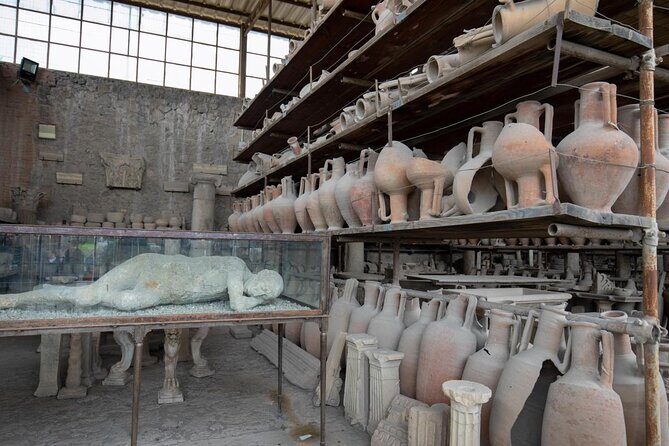
This is also where the preserved materials make the visit feel intimate. The tour description specifically highlights that wood elements, foodstuffs, fabrics, and architecture survived in a way that gives a fascinating look into private life. That matters because it turns the site from remote museum-style viewing into something closer to reconstructing a life.
If you’re traveling with kids, teens, or anyone who needs a story hook, this structure is a strong one. One past participant praised Roberta for making the site come alive for teenage kids, which is often the hardest audience to satisfy at old ruins.
Religion, temples, superstitions, and funeral rites
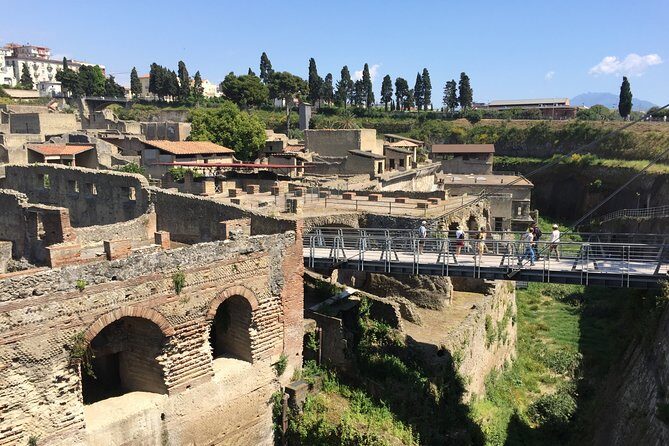
Herculaneum wasn’t just a set of buildings. It was a place where people believed things, practiced rituals, and prepared for what came after death.
The tour is designed to cover the religious layer of the city: temples, beliefs, and even superstitions. It also includes funeral rites as part of the narrative. That gives you a more complete view of what Romans cared about when no one was watching.
In practical terms, this changes how you read the site. Instead of only asking, What is this structure? you start asking, What did people think about here? What did it mean? Why would that matter to the family living in a house nearby?
That’s also why a great guide matters so much on this kind of tour. Past visitors named guides such as Gennaro and Ornella for bringing clarity and energy, and you can use that as a clue about what to prioritize when you book: you want someone who can connect physical details to lived belief.
Other private and VIP tours we've reviewed at Vesuvius & the Bay of Naples

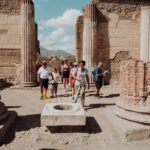
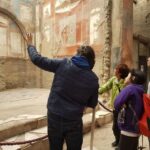
Why the preservation of wood, food, and fabrics is a big deal
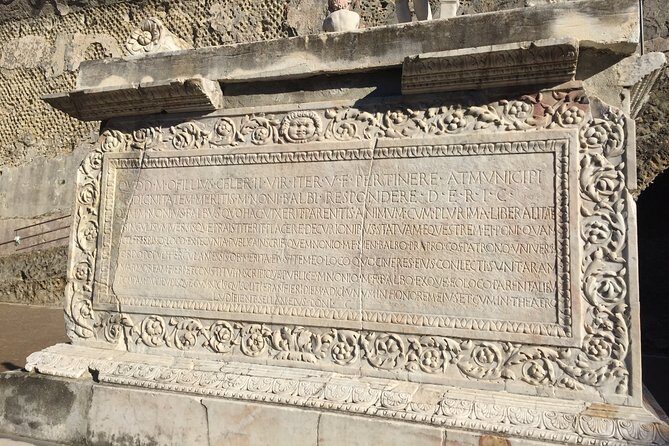
Not all archaeological sites preserve delicate materials. Herculaneum is famous for doing something unusual: it protected items that normally disappear over time, including wood, foodstuffs, and fabrics.
So when the guide talks about these preserved elements, you’re not just getting trivia. You’re seeing evidence that can shape the story in a more human way. For example, it supports the idea that Herculaneum wasn’t merely a city of stone. It was a place where daily life involved textiles, stored food, and wooden objects that reflect household habits.
This is also part of the tour’s promise that the ruins were covered by mud rather than exposed to the same kind of atmospheric wear you might see elsewhere. The result is a site that can feel more readable on a walking route, especially when your guide keeps you moving through the most relevant areas.
Private tour value: $195.91 per person and what’s included
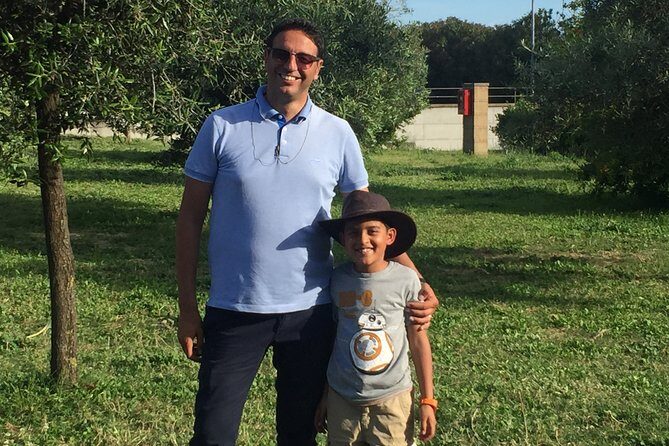
Let’s talk money in a straight way. The price is $195.91 per person for this 2-hour private walking guided tour.
What’s included is a licensed tour guide. What’s not included is the entrance fee for the Parco Acheologico di Ercolano. So your true cost is the guide fee plus admissions.
Is it worth it? For me, it often depends on what you want from your day:
- If you’re the type who enjoys guided context and wants the site explained as you walk, a private format usually gives you better value than trying to piece everything together on your own.
- If you’re on a tight schedule and want the most important story elements within two hours, this is designed for that pace.
- If you’re traveling with a group that asks questions, private time can pay off because you’re not competing with a larger crowd.
The private part also matters. This is described as private, meaning only your group participates. That usually translates to less waiting, more question time, and a pacing that fits your interests.
One more small win: the tour uses a mobile ticket, which reduces friction when you’re trying to keep your day organized.
Guide quality is not a small detail here
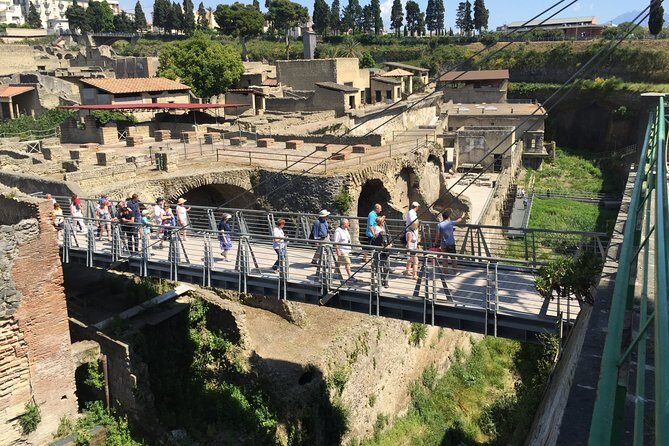
At Herculaneum, your guide can make the difference between looking at ruins and understanding a Roman world. Several past visitors highlighted specific guides by name, which is a strong sign that this provider tends to match their guides to the story.
You may encounter guides such as:
- Roberta, praised for making the experience work for teenage kids
- Gennaro, praised for being fun and energetic while explaining the site
- Andrew, noted for combining city-area context with on-site history
- Ionica, mentioned with professionalism and passion
- Alfredo De Luca, described as a professional archaeologist who offered a very interesting visit
- Ornella, praised for engaging storytelling over the full two hours
- Ugo Somma / Hugo, described as delivering a top-quality walkthrough
Even if you don’t know who you’ll get, the pattern is consistent: the best outcome comes when the guide links architecture to Roman daily life, and then keeps it moving at a pace that works for your group.
How to prep so you don’t lose time once you arrive
No matter which guide you get, you’ll get more out of the tour if you show up ready.
A few practical ideas based on what’s available:
- Plan entrance spending up front since the park admission isn’t included.
- Aim to arrive a bit early for the 9:00 am start so you can settle before the walk begins.
- Wear comfortable walking shoes. This is a walking tour inside an archaeological park, and the two-hour window doesn’t leave much room for slow mobility.
- Bring layers if weather shifts. Archaeological sites can feel different from city streets, and you’ll be outside for the walk.
Also, since the meeting point is near public transportation, you can keep your day flexible. If you’re linking this with other stops around Naples or the Sorrento area, you’ll likely be able to adapt without rebuilding your whole schedule.
Who this tour is best for
This is a great fit if:
- You want a guided experience that focuses on private Roman life, not only major landmarks.
- You prefer a shorter, focused visit over a full-day archaeological marathon.
- You’re traveling with mixed ages and want a guide who can keep attention through a story-based route.
- You like context: the eruption story, why the city was elite, how belief systems worked, and what homes likely looked like.
It may be less ideal if you want to spend hours wandering independently with no structure. The tour is built around about two hours of guided walking, so you’ll want to match your expectations to that pace.
Should you book this Herculaneum private walking tour?
I’d book it if you want the best chance of understanding Herculaneum as a lived-in Roman city during a limited time window. The combination of a licensed guide, a private group format, and a story that includes family life, religion, and funeral rites makes it far more than a quick stop.
However, do the simple math first: the tour price covers the guide, while the entrance fee is extra. If you’re trying to keep the day strictly low-cost, you may decide to build a self-guided visit around your budget and use a guide only if you find the right timing.
If your top priority is getting the meaning out of what you’re seeing—and you’d rather ask questions than guess—this is an easy choice.
FAQ
How long is the Herculaneum private walking guided tour?
It runs for about 2 hours.
What is included in the price?
The tour includes a licensed tour guide.
Is the entrance ticket included to Parco Acheologico di Ercolano?
No. The entrance fee is not included, so you’ll need to pay the park admission separately.
Where does the tour start?
The meeting point is Ercolano Scavi, 80056 Ercolano, Metropolitan City of Naples, Italy.
What time does the tour start?
The start time is 9:00 am.
Is this a private tour?
Yes. It’s private, meaning only your group participates.
Do I need a printed ticket?
No. It uses a mobile ticket.
Can I cancel and get a full refund?
Yes. You can cancel for a full refund if you cancel at least 24 hours before the experience’s start time.