REVIEW · NAPLES
Herculaneum: Skip-the-Line Entry Ticket with Audio Guide
Book on GetYourGuide →Operated by Tempio Travel Sorrento · Bookable on GetYourGuide
Ancient streets, preserved under volcanic ash. This Herculaneum skip-the-line entry with an audio guide turns a quiet ruin walk into a self-paced lesson, with the big story of Vesuvius unfolding scene by scene across well-preserved houses.
I especially love how the site feels compact but detailed, so you can actually take it in without rushing.
One drawback to plan for: the audio can be a little confusing when you’re trying to match sound cues to what you see on the ground, so you’ll want to use the map early and often.
My second favorite part is how flexible the visit is: you’re free to linger in villas, markets, and public spots while the guide keeps the context coming. The included map helps you connect the dots between the market, fountains, and the theatre.
The only real “gotcha” is logistics at check-in and audio collection, which can involve multiple desks and a bit of back-and-forth in some situations.
In This Review
- Key Highlights You’ll Actually Notice
- What You’re Really Buying: Ticket, Audio Guide, Map
- Where to Go and What to Expect at the Check-In Desk
- How the Audio Guide Works While You Walk (and How to Avoid Frustration)
- Herculaneum’s Main Event: Villas Buried Under Ash
- The Market, Fountains, and Theatre: Your Route Through Everyday Life
- The Most Moving Stop: People Lost Near the Sea
- Temples, Gods, and the Social Side of Roman Belief
- Pick the Right Pace: How Long You Need in Herculaneum
- Food After the Ruins: Easy Nearby Options
- Value Check: Is This $15 Audio-Guide Ticket Worth It?
- Who Should Book This and Who Might Be Happier With a Guide
- Should You Book This Herculaneum Audio-Guide Ticket?
- FAQ
- Where do I show my ticket?
- What languages are available for the audio guide?
- Does this include a guide?
- Is there a map included?
- How long do I have for the visit?
- What should I bring with me?
- Can I cancel or pay later?
Key Highlights You’ll Actually Notice
- Skip-the-line entry that can feel fast when queues are light
- Audio guide with multiple languages, designed for self-guided wandering
- A map that helps you navigate the market, fountains, and theatre
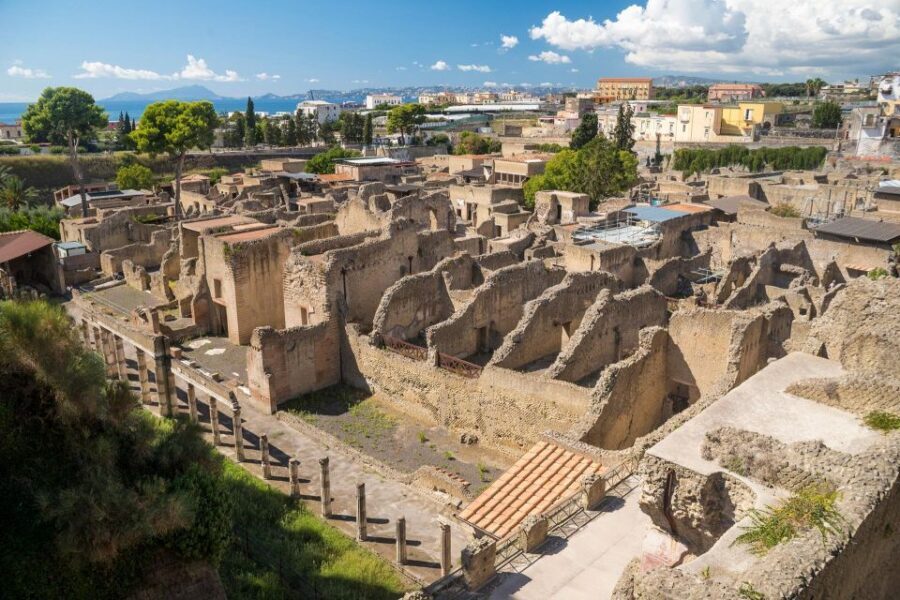
- Well-preserved wall paintings, statues, and even wooden doors
- A moving stop connected to people lost near the sea during the 79 AD disaster
- A smaller, calmer alternative to Pompeii, often easier to enjoy in one day
What You’re Really Buying: Ticket, Audio Guide, Map
This experience is built for independent exploration. You’re not getting a live guide; instead, you get a Herculaneum entry ticket, an audio guide, and a map you can use while you walk.
The ticket is a one-day pass, and you pick from available starting times. Practically, that means you can line up your visit with your day around Naples and the Amalfi side, without committing to a long half-day guided group tour.
The audio guide is available in English, French, German, Italian, and Spanish. In practice, that matters because the ruins can be hard to read at ground level. The guide helps you connect what you’re seeing to how the town worked, who lived there, and what happened during the eruption.
Other Vesuvius skip-the-line tickets and audio guides we've reviewed at Vesuvius & the Bay of Naples


Where to Go and What to Expect at the Check-In Desk
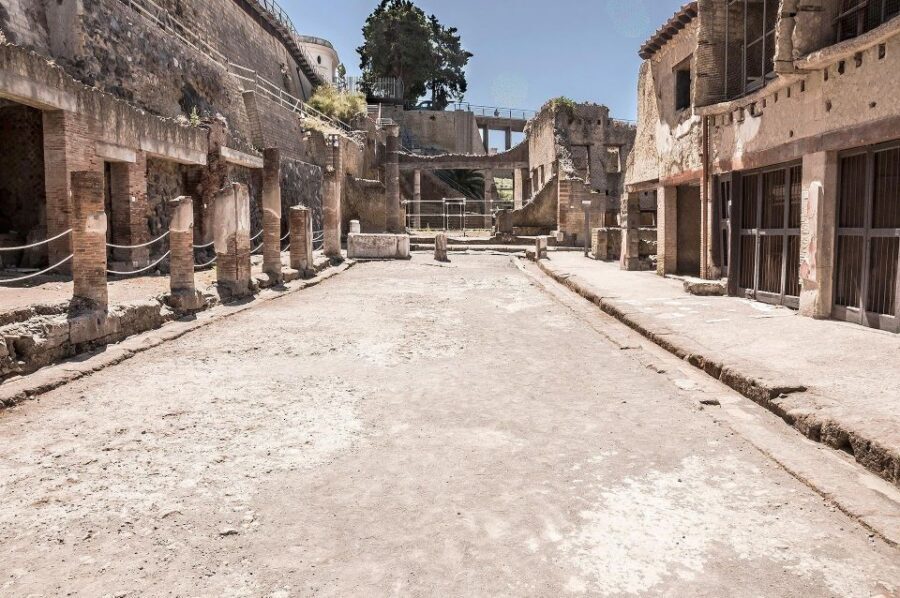
You meet at the Herculaneum ticket office. Show your ticket there and you’re set to start.
Here’s the part to take seriously: with this kind of audio-plus-entry setup, you may end up moving between desks—ticket collection and audio device collection can be separate steps. Some visitors report that they had to wait to get the audio first, then queue again for entry, or they were directed back to the ticket line after collecting the audio.
It’s not always a problem. When you arrive early and queues are short, entry can feel smooth. But if you’re arriving at a busy time, plan a little extra buffer so you don’t feel rushed while you’re sorting out where to stand and what to do next.
If you’re bringing a passport or ID anyway (you should), you’ll be ready for the most common “audio pick-up security” requirement some visitors encountered. Comfortable shoes also matter here; the site has cobblestones and some steep steps.
How the Audio Guide Works While You Walk (and How to Avoid Frustration)
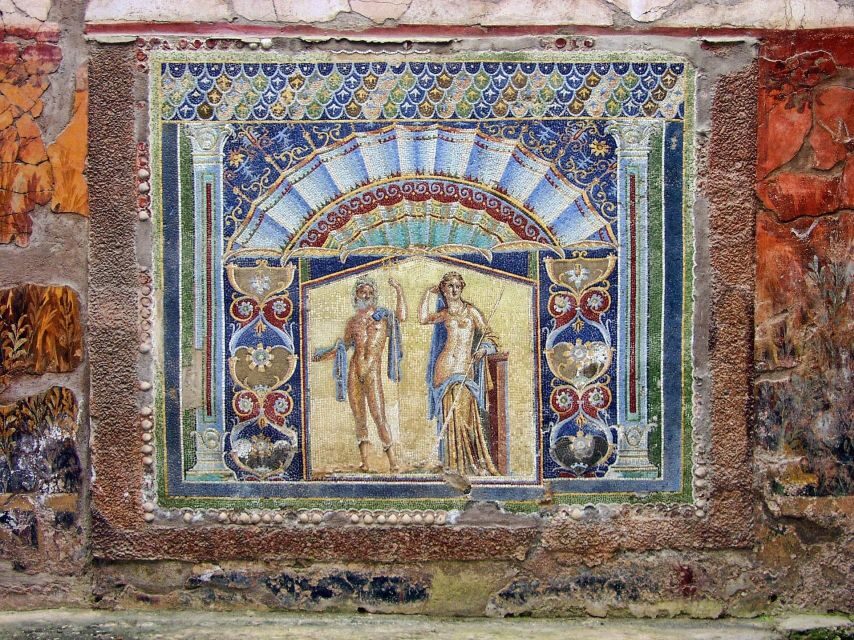
The audio guide is meant to be used as you move through the archaeological park. You’ll typically follow a number system tied to specific points of interest. The map helps you navigate the big clusters—like the market area, public fountains, and the theatre—so you’re not wandering aimlessly.
But there’s a real-world detail you should know: some people found that the cue numbers on the phone/app and the numbers on site didn’t always match perfectly. That can make you pause, look around, and wonder if you’re listening to the right spot.
My practical advice:
- Start by orienting yourself with the map before you press play.
- Pick one “anchor” stop early (a major plaza/villa area) and let it ground you.
- If the audio mentions something you can’t locate quickly, stop, check the map, and keep moving. Don’t force the numbers if the route feels different on the day you arrive.
On a tech note, some visitors describe the audio device as a smartphone-style app you hold to your ear, with the map view also accessible there. A few also mention there can be 3D/360-style views for select objects, which is a neat way to picture what a room may have looked like before the ash and centuries took over.
One headphone reality check: there were comments about the system not supporting Bluetooth, so if you’re relying on your own earbuds, be prepared for how the audio device hands out sound.
Herculaneum’s Main Event: Villas Buried Under Ash
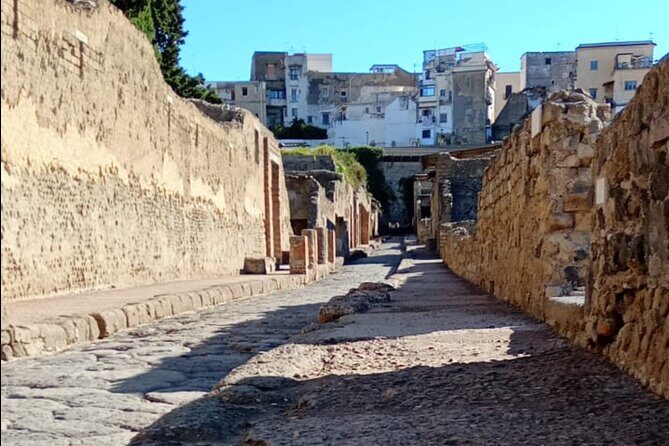
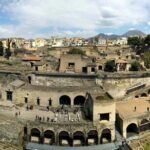
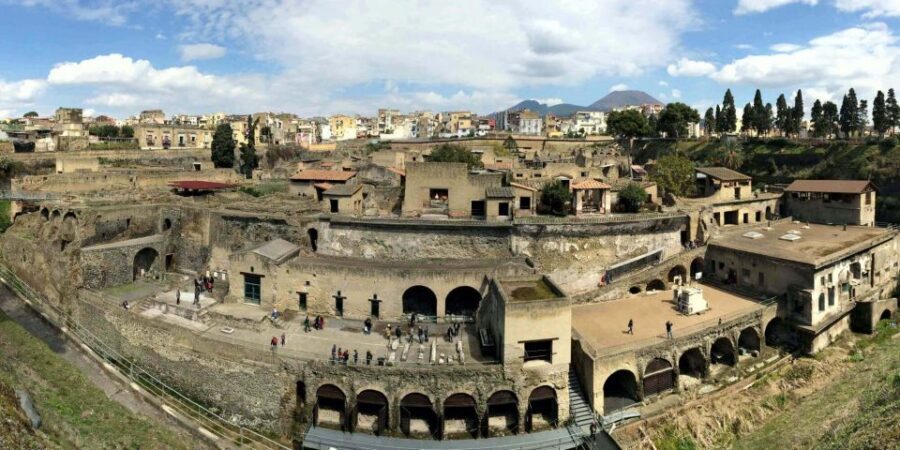
The core experience at Herculaneum is how surprisingly intact so much of daily Roman life looks after the eruption. The ruins are associated with the catastrophic day of Vesuvius in 79 AD, when ash buried parts of the town and froze buildings in place.
Where this tour gets really memorable is in the villas and how the guide frames them:
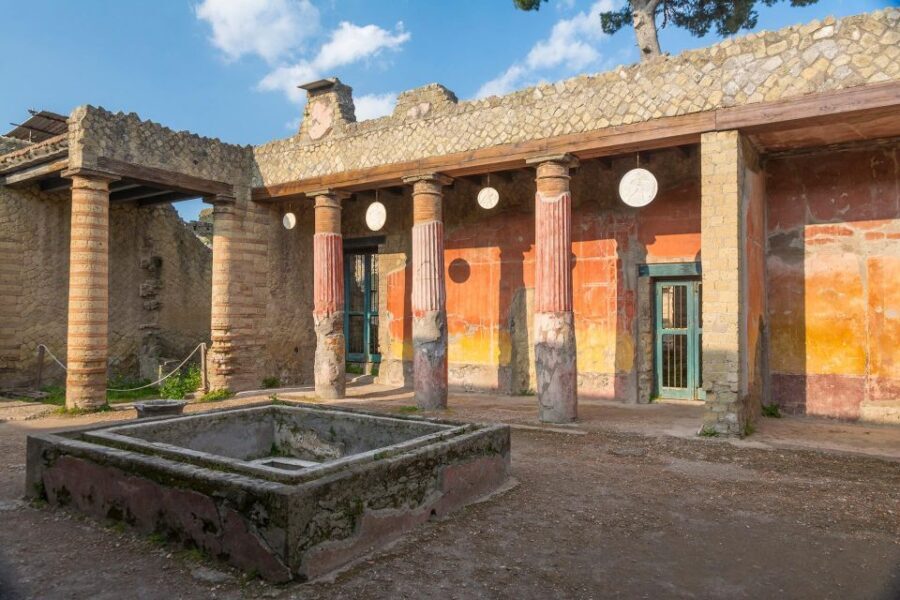
- You’ll see well-preserved rooms and surfaces that would be stripped or fragmentary elsewhere.
- You can look at wall paintings and statues that make the town feel less like a museum display and more like someone’s home.
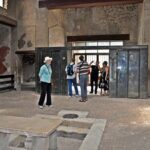
- Some areas include details like wooden doors (the kind of thing that makes you pause and think about scale and craftsmanship).
And the contrast theme matters. The audio helps you compare how different classes lived in the same town—like the more lavish spaces of wealthier Romans versus the housing conditions associated with enslaved people.
That contrast is exactly why Herculaneum hits harder than a quick “Roman ruins checklist.” You’re not just seeing pretty frescoes; you’re understanding social structure inside real buildings.
The Market, Fountains, and Theatre: Your Route Through Everyday Life
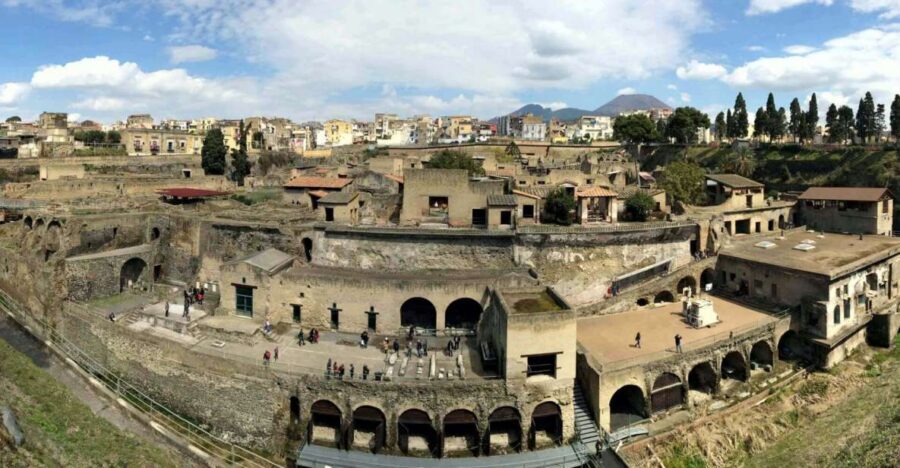
One of the best parts of this experience is that you’re not stuck with a rigid loop. The map and guide are designed so you can navigate the main town areas and choose your order.
As you follow the audio points, you’ll move through areas that feel like the daily rhythm of the city:
- An ancient market where the town would have bought, sold, and traded.
- Public fountains, which help you picture where people met and handled everyday needs.
- A theatre, a reminder that public performance and gatherings were part of civic life.
This is where the audio guide earns its keep. Roman ruins can feel like disconnected rooms if you don’t have the story of how people moved between public and private spaces. The guide connects those dots so you can enjoy the walk, not just photograph it.
Also, because the site is smaller than Pompeii, you can cover several major areas in a single afternoon if you manage your pace. If you’re short on time, this is a strong choice.
Other Herculaneum guided tours and tickets we've reviewed at Vesuvius & the Bay of Naples




The Most Moving Stop: People Lost Near the Sea
Herculaneum’s story is not only about art and architecture. It includes one of the most poignant elements connected to people who perished while hoping for rescue from the sea.
The audio guide directs you to the area tied to the tragedy, and it’s one of those stops that changes the tone of the whole visit. Even people who came mainly for the visuals usually end up walking more slowly here.
If you’re doing this on a fast schedule, don’t. Give yourself time to actually sit with it for a minute, then keep moving. That shift in emotion is part of why the place feels different from other archaeological stops.
Temples, Gods, and the Social Side of Roman Belief
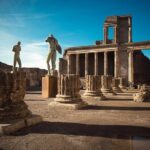
Another theme you’ll hear in the audio guide is religion and public identity. Expect to see temple spaces and depictions connected to ancient gods.
This matters because Roman religion wasn’t separate from daily life. It showed up in buildings, art, and how people understood their world—especially in times of fear and uncertainty. The guide helps you recognize what you’re looking at so temple ruins don’t just look like walls and columns.
The audio also leans into fascinating contrasts: how people lived, how public spaces worked, and how belief and power were connected. It’s the kind of context that makes your time here feel purposeful, not just scenic.
Pick the Right Pace: How Long You Need in Herculaneum
The ticket is for one day, but your real planning question is how long to stay at the park.
A common sweet spot seems to be around 3 to 4 hours. People who took their time reported enjoying far more than they first expected, because the site is more layered than it looks from the entrance.
Go earlier if you can. Arriving at opening time often means fewer crowds and a calmer experience. As the day goes on, it can slowly build.
One more practical point: the ruins involve cobblestones and steps, so you’ll be moving on uneven ground. Comfortable shoes are not optional here. If you start to feel tired, take a break in spots with views—there are places to sit and reset so your visit stays enjoyable instead of exhausting.
Food After the Ruins: Easy Nearby Options
You’ll be hungry after a few hours of walking through Roman streets. Some visitors recommend grabbing lunch nearby, and a packed lunch can work well if you’re aiming to keep the day efficient.
There’s also mention of a solid restaurant option near the entrance area afterward. If you’re planning your schedule tightly, just know you’ll have a good window right after the visit to eat before heading onward.
Value Check: Is This $15 Audio-Guide Ticket Worth It?
At around $15 per person, the value here comes from two things.
First, you’re paying for entry plus a guide that helps you understand what you’re looking at while you walk. That’s the difference between seeing ruins as empty shells versus seeing them as rooms that once held real routines.
Second, you’re visiting a site that feels intimate. Herculaneum is often described as smaller and calmer than Pompeii, which makes it easier to enjoy in a single day. When a place is easier to see without feeling like you’re fighting crowds, the cost feels more justified.
One caution on value: if you truly want a live explanation tying everything together perfectly, some people end up upgrading to a guided tour. Guides like Tony and Fabio have been praised for pacing and for making the hot-day experience more comfortable. If you want that kind of “stop, listen, ask questions” structure, you might consider whether an upgrade fits your style.
Who Should Book This and Who Might Be Happier With a Guide
This audio-guide ticket is a strong match if you:
- like exploring at your own pace
- want context without being tied to a group schedule
- are comfortable using a map and following a number system
- want to focus on houses, art, and everyday life rather than only big dramatic set pieces
It may be less ideal if you:
- get frustrated when tech cue numbers don’t line up perfectly with real-world sight lines
- prefer a guide who can adapt when parts of the site are closed or not clearly marked
- want built-in GPS-style navigation, since some visitors specifically wished for GPS support
Also, if you’re sensitive to audio clarity, plan around ambient noise and headphone fit. The site is quiet compared to a city street, but audio device experience can vary.
Should You Book This Herculaneum Audio-Guide Ticket?
Yes—if you want a flexible, do-it-your-way visit to a Roman site that feels more personal than its bigger neighbor. The audio guide and map are genuinely useful for understanding what you’re seeing in villas, market streets, and public buildings, and the preservation level is a major part of the payoff.
If you’re someone who hates any confusion at check-in or with cue systems, then consider adding a live guided option or arriving early so you can get oriented without stress. Either way, bring comfortable shoes, take your time, and let the site do its work. This is one of those places where the details matter, and the audio guide helps you catch them.
FAQ
Where do I show my ticket?
Show your ticket at the Herculaneum ticket office.
What languages are available for the audio guide?
The audio guide is available in English, French, German, Italian, and Spanish.
Does this include a guide?
No. This experience includes an audio guide, but it does not include a guide.
Is there a map included?
Yes. A map is included to help you navigate the Archaeological Park.
How long do I have for the visit?
The duration is listed as 1 day. Starting times depend on availability.
What should I bring with me?
Bring a passport or ID card, and wear comfortable shoes.
Can I cancel or pay later?
Yes. You can reserve now and pay later, and there is free cancellation up to 24 hours in advance for a full refund.