REVIEW · NAPLES
Herculaneum: Skip-the-Line Guided Tour with Archaeologist
Book on GetYourGuide →Operated by Askos Tours · Bookable on GetYourGuide
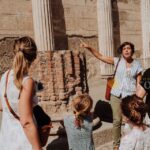
Herculaneum feels like time froze here. I love the skip-the-line start, because it gets you into the site faster than fussing with queues. I also love the archaeologist-led storytelling, with guides such as Luciano Leone using humor and photo props to explain what daily life looked like before Vesuvius hit. One watch-out: the ruins are exposed and the tour moves at a lively pace, so sunscreen, a hat, and closed-toe shoes matter.
You’ll spend about 2 hours on a guided route with an archaeologist and headsets (so you can hear the explanations while you walk). Then, if you want extra time, you can usually stay longer and explore on your own—Herculaneum is compact, but there’s plenty to absorb at a slower speed.
In This Review
- Key things I’d bet on
- Why Herculaneum Feels Different Than Pompeii
- Skip the Line and Meet Your Archaeologist at Via dei Papiri Ercolanesi
- Waterfront, Forum, Thermal Baths: The City’s Big Public Spaces
- Casa dei Cervi: Reading a Home Like a Roman Would
- House of Neptune and Amphitrite: Art That Survived the Blast
- House of Skeletons and the Human Scale of the Disaster
- Casa dell’Albergo, Casa del Salone Nero, and the Texture of Surviving Things
- Temple of the Augustales (Sacellum of The Augustales) and Civic Identity
- Gymnasium and How the Eruption Left Clues in Materials
- Price and Time: Is $53 Worth It for Two Hours?
- Small Group Pace, Real-World Comfort, and What to Bring
- Should You Book This Archaeologist-Guided Herculaneum Tour?
- FAQ
- How long is the Herculaneum skip-the-line guided tour?
- Where do I meet my guide?
- What’s included in the price?
- Does the tour help with long entrance lines?
- What should I bring?
- Is this tour suitable for wheelchair users or mobility impairments?
Key things I’d bet on
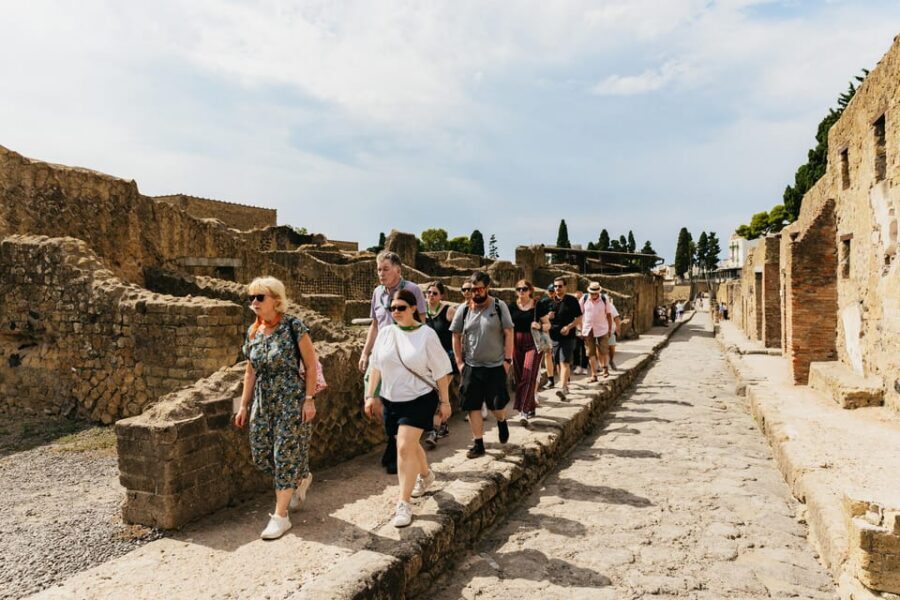
- Skip-the-line entry that saves your morning (and your patience).
- Archaeologist guides who explain the eruption’s mechanics and the city’s layout, not just the artifacts.
- Headsets included, but stay close so the audio doesn’t drop out.
- House-to-house highlights like Casa dei Cervi and Casa di Nettuno ed Anfitrite.
- Surprising preservation, including ceramics, paintings, mosaics, and even carbonized wood.
Why Herculaneum Feels Different Than Pompeii
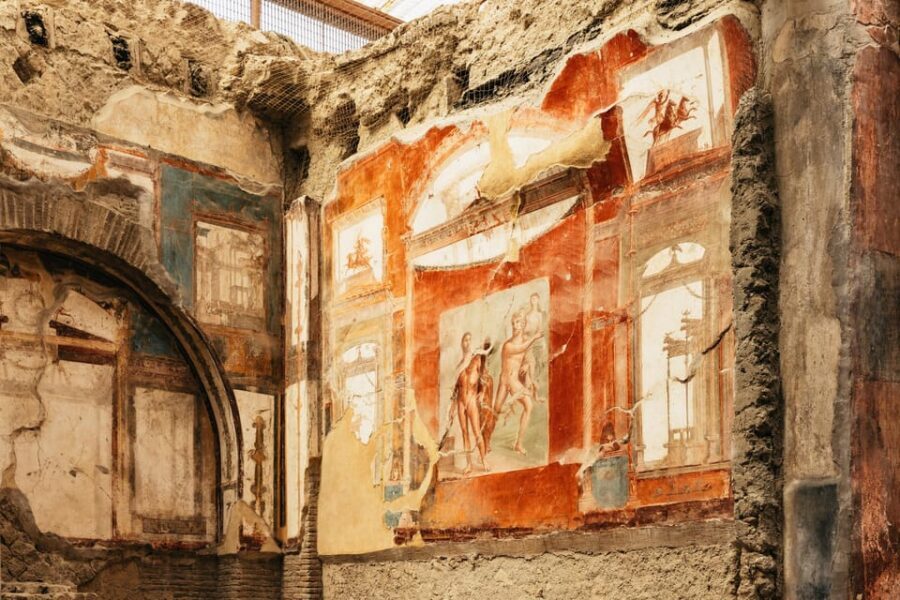
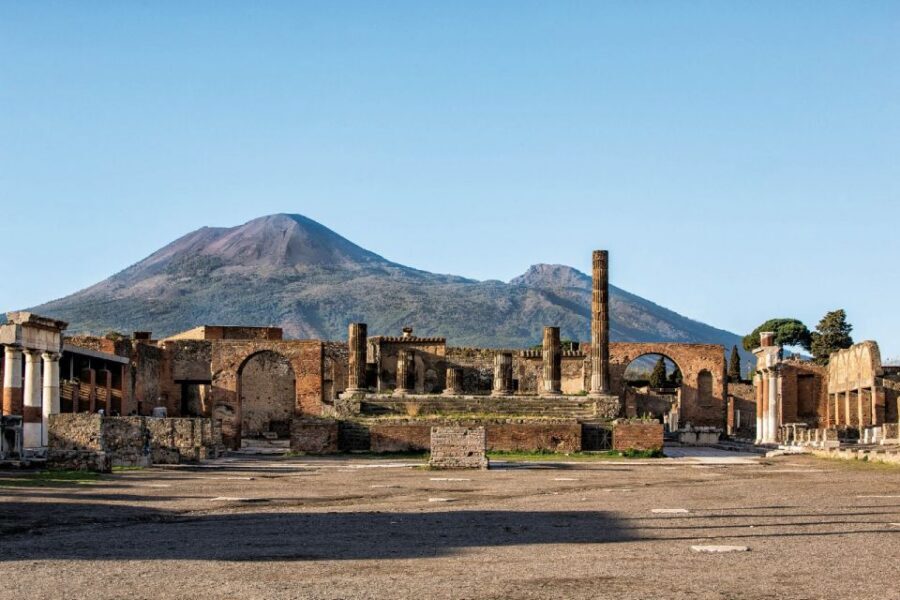
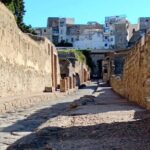
If you’re choosing between the two big names—Pompeii and Herculaneum—this tour nudges you toward a key idea: Herculaneum is often easier to connect with because it’s smaller and reads like a “complete” town rather than a giant museum of buildings. Guides regularly explain how the disaster unfolded differently at Herculaneum and Pompeii, so you understand why the look of the ruins isn’t the same.
I also like that the comparison isn’t academic only. The guide frames what you’re seeing—homes, public buildings, and the waterfront—in the context of how people lived, worked, shopped, and gathered. That makes the stonework and painted plaster feel like a story with characters, not just a pile of impressive walls.
Other Herculaneum guided tours and tickets we've reviewed at Vesuvius & the Bay of Naples

Skip the Line and Meet Your Archaeologist at Via dei Papiri Ercolanesi

Your meeting point is the ticket office area at the Herculaneum ruins, and your guide is holding an Askos Tours sign. The start area is on Via dei Papiri Ercolanesi, so plan to arrive a little early, get your bearings, and be ready to move as soon as the group lines up.
This is a practical tour choice for one big reason: entrance lines at major sites can eat up your best energy. Skip-the-line access means you’re walking among ruins sooner, with your focus intact. I also appreciate that headsets are included—use them, and you’ll hear the archaeologist clearly while you’re looking up at fragments and floor plans.
One small caution from the field: if the guide walks ahead quickly and you drift out of the headset range, the audio can get patchy. So keep a steady walking pace with the group and don’t fall behind while you’re taking photos.
Waterfront, Forum, Thermal Baths: The City’s Big Public Spaces
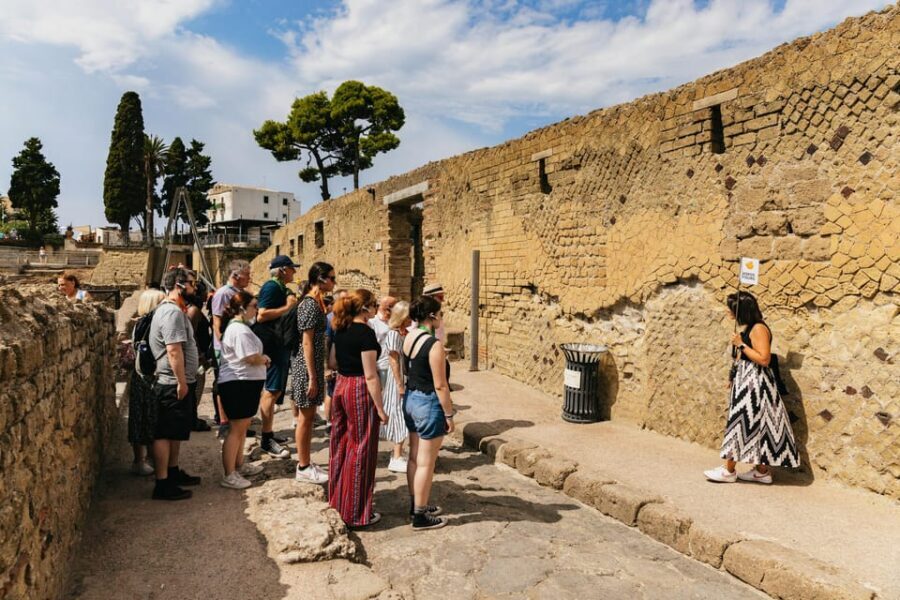
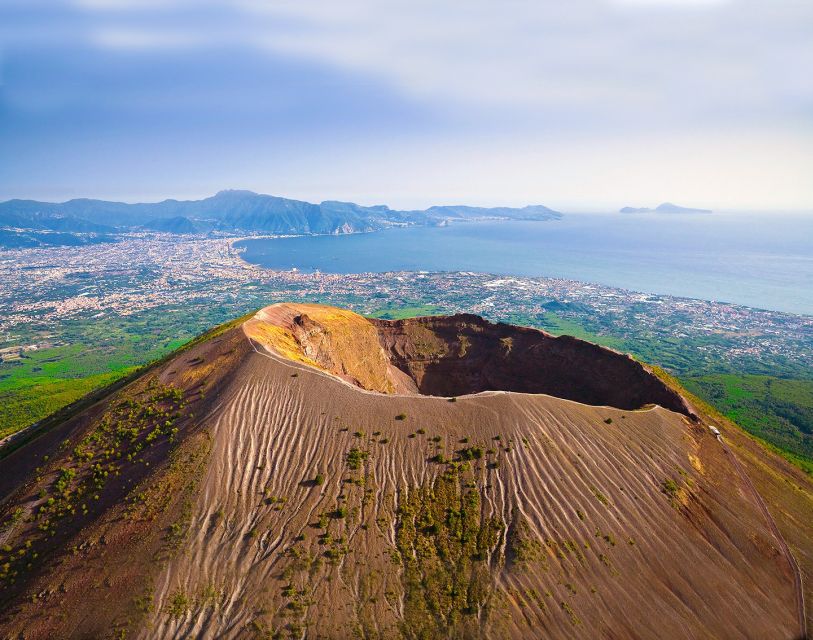
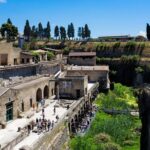
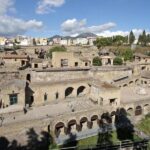
The first chunk of your tour is about setting the stage. You learn that Herculaneum was a port town—wealthy merchants and nobility lived here—and then you get the stark turning point: the eruption buried the city nearly 2,000 years ago.
One of the most powerful stops is tied to the waterfront. You’ll see the area where the remains of more than 300 people were found—people who tried to escape by going to sea. It’s not a “pretty photo” moment, but it’s the emotional anchor of the visit, because it explains why this site looks the way it does today: the timeline is written into the ground.
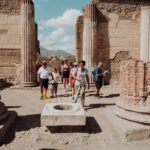
From there, you’ll move through important civic and public spaces, including the Forum and the thermal baths. The guide uses these stops to teach how Roman public life worked—where people met, where they exercised, and how daily routines were shaped by the city’s design. If you’re the type who likes seeing how a place functioned, you’ll probably find these segments especially satisfying.
Casa dei Cervi: Reading a Home Like a Roman Would
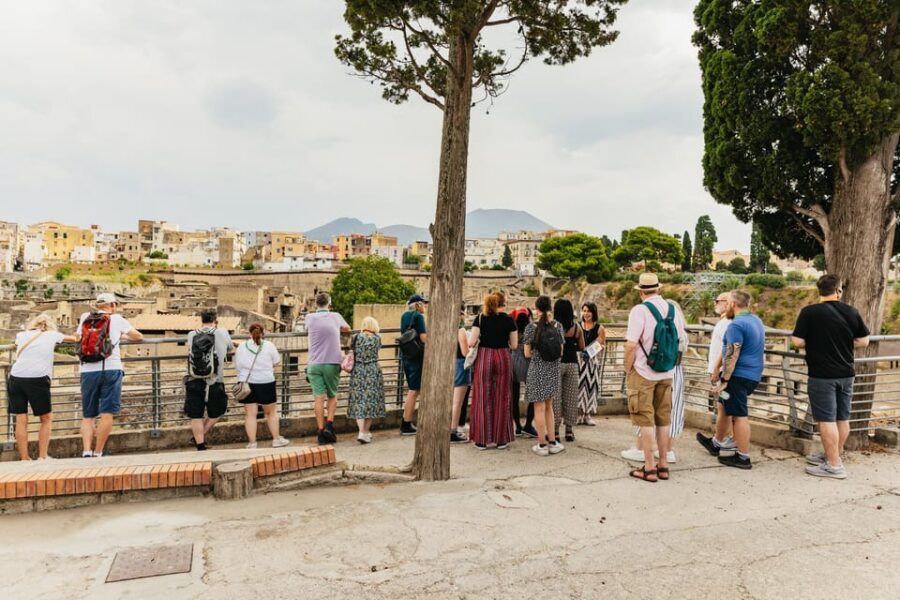
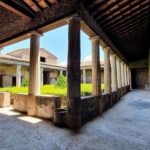
The tour then shifts from big public buildings to the intimacy of domestic spaces. Casa dei Cervi is one of the early home stops, and it helps you understand how “private life” in Roman towns played out in rooms, courtyards, and decorated spaces.
This is where archaeologist guidance really earns its keep. The guide points out the parts you might otherwise overlook—surface details, layout cues, and clues about what the household valued. Even if you don’t catch every term, you’ll start recognizing patterns: where people would gather, how rooms related to one another, and how everyday life could look refined.
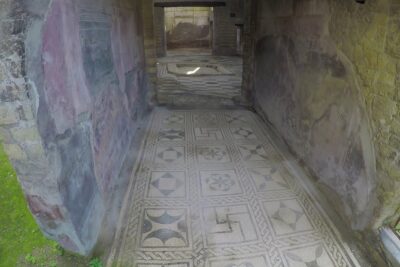
The preservation here is another highlight. Herculaneum is known for surviving materials, including ceramics and wall decoration. So when you look at the homes, you’re not only seeing architecture—you’re seeing parts of the visual language of the household.
House of Neptune and Amphitrite: Art That Survived the Blast
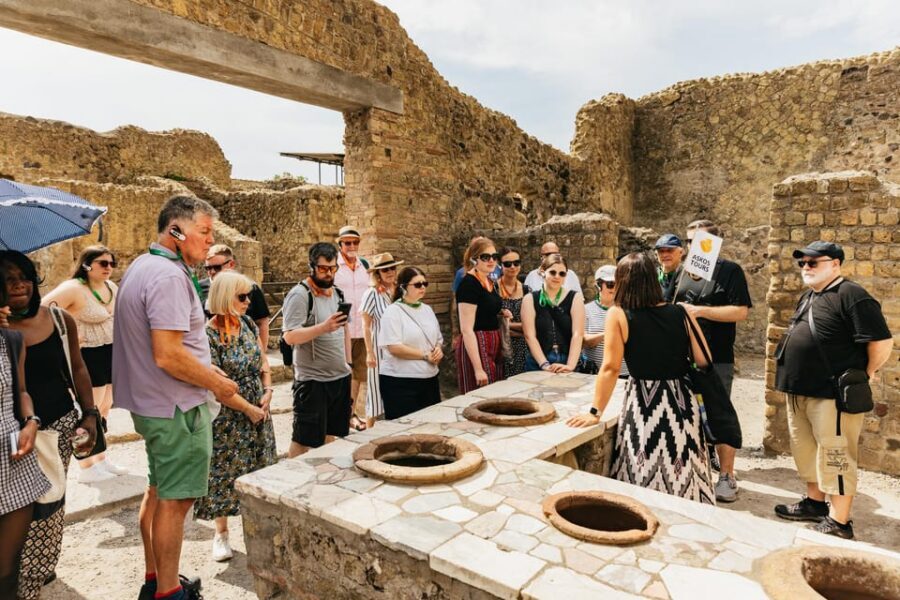
One of the biggest named highlights is the Casa di Nettuno ed Anfitrite (House of Neptune and Amphitrite). This stop is a favorite because it puts famous Roman myth and decorative taste into a real, lived-in setting.
The guide typically walks you through what makes the house stand out, including the way artwork survived. From the tour framing, you’re meant to notice preserved ceramics and also the surviving paintings and mosaics in context. When you understand that these decorations weren’t made for museum display, they feel more startling—like catching a moment that refused to disappear.
I also like that the guide uses visual storytelling. Several guides (including Luciano Leone in the past) bring photo props and show how the site looked before and after the eruption. That helps you connect the surviving details to the larger scene of destruction.
Other skip-the-line and fast-track tours we've reviewed at Vesuvius & the Bay of Naples




House of Skeletons and the Human Scale of the Disaster
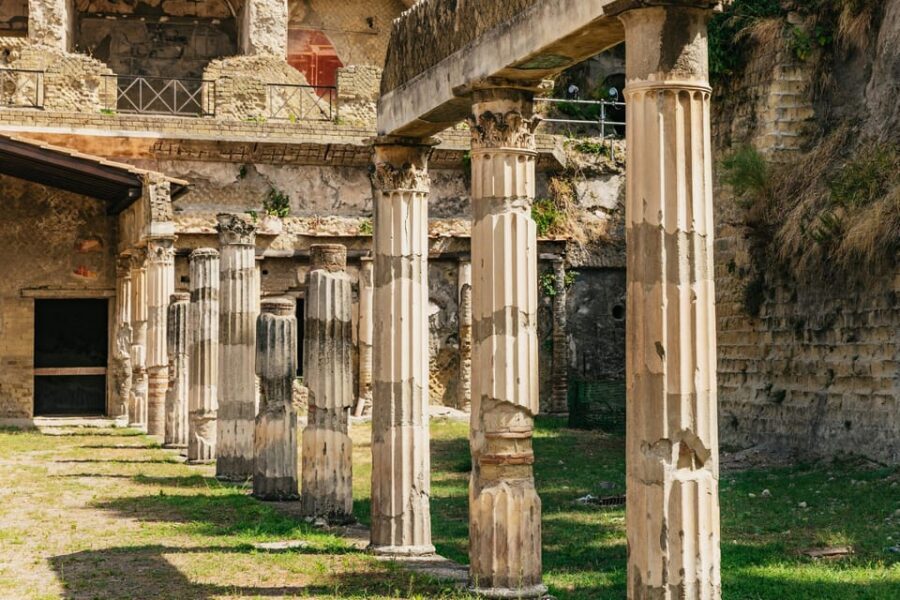
The House of Skeletons is exactly what it sounds like in spirit: a place where you confront the human cost of the eruption, not just the engineering of it. During the guided walk, the explanation ties this moment to what people were trying to do in their final hours.
This is where you’ll feel the difference between “seeing ruins” and understanding catastrophe. The tour doesn’t treat the story like a trivia item. It frames the site as the result of a fast ending to lives that had been built around routines—work, meals, bath time, social gatherings.
If you’re traveling with kids or teens, consider mentally preparing for a sober moment. It’s also one of the best “memory makers” of the tour, because it turns history into something you can emotionally place.
Casa dell’Albergo, Casa del Salone Nero, and the Texture of Surviving Things
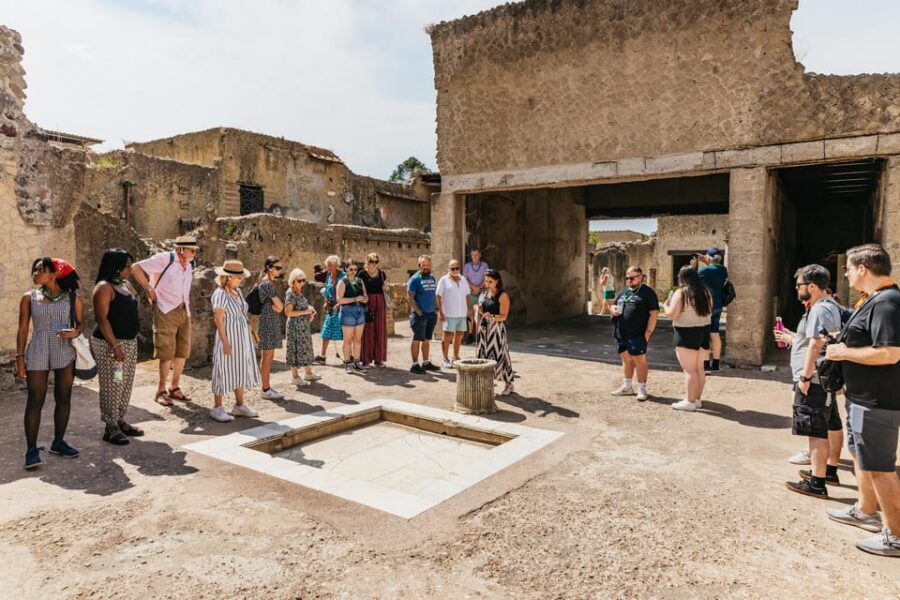
After the heavier stops, you get back to the craft of the city: homes where decoration and materials still help you picture the lifestyle. Casa dell’Albergo and Casa del Salone Nero are both in the guided route, and each supports a slightly different “lens.”
Instead of only talking architecture, the guide pays attention to surfaces and objects that survived. You’ll be shown well-preserved stone, marble, ceramics, and the kind of wall decoration that can still be shocking in person. You may also learn about preservation that looks almost impossible: carbonized wood, plus surviving paintings and mosaics.
This matters for your own visit. When you leave the tour, you’ll have better instincts for what to look for—where to pause, what details tend to reward your attention, and how to connect the visual evidence to the story the guide was building.
Temple of the Augustales (Sacellum of The Augustales) and Civic Identity
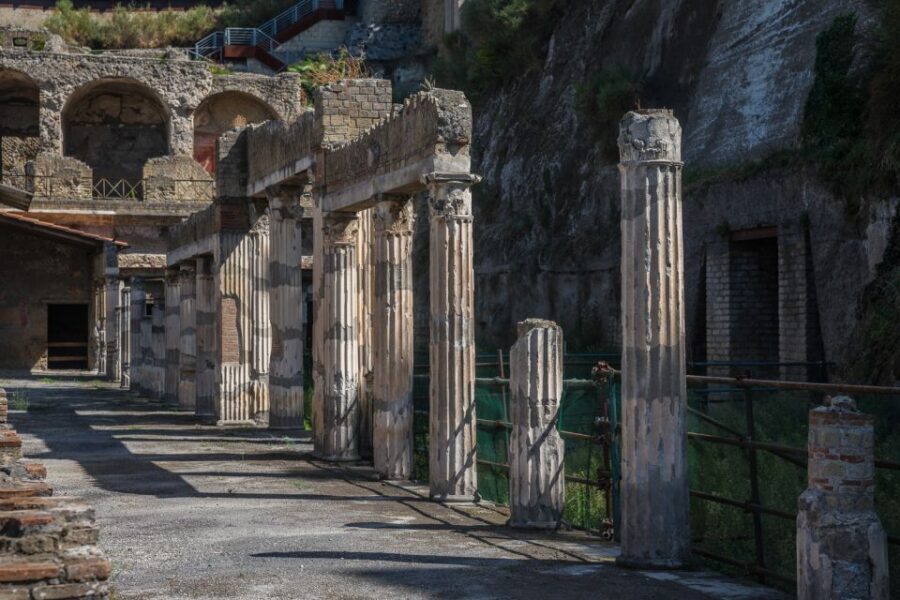
The Sacellum of The Augustales (also referred to as the Temple of the Augustales) is a key “religion and community” stop. The guide uses it to explain how public identity worked in the city—who mattered, how status and service played out, and how civic life and belief intertwined.
If you like Roman culture beyond just emperors and emperors’ palaces, this stop gives you a more local view. It’s not only about big politics. It’s about how community structures reinforced status and belonging in a city filled with merchants, nobility, and working people.
The benefit here is pacing. The tour keeps moving, but it also shifts the theme every so often—public disaster, then public life, then private rooms, then community identity. That keeps your brain from turning the whole site into one long blur of walls.
Gymnasium and How the Eruption Left Clues in Materials
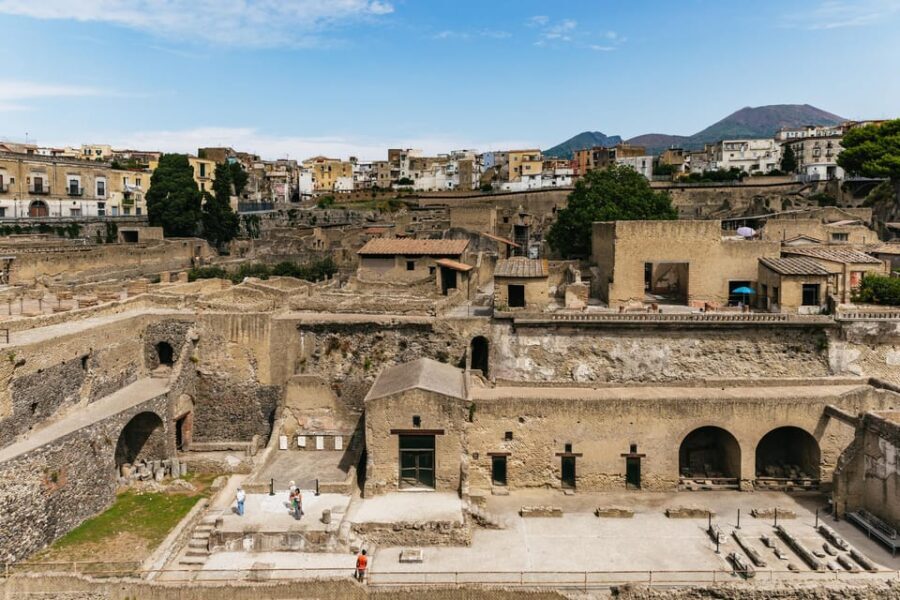
You’ll also see parts of the Gymnasium, and at least one guide experience has included a look through a tunnel area toward the center connected to where a swimming pool would have been. That kind of stop does two things: it turns a “ruins pass” into an actual spatial understanding, and it helps you picture how sport and routine shaped everyday time.
The guide’s broader point is often about the eruption’s impact on materials. Herculaneum’s famous preservation comes with variety: some materials survived in a readable form, while others show signs of extreme heat exposure. The tour highlights both the surviving beauty (paintings, mosaics) and the dramatic evidence of what burned (carbonized wood).
This mix is why I think this tour is worth doing even if you’ve seen Pompeii already. You come away with a clearer sense that the eruption didn’t just destroy—it transformed what remained, and that changes how you interpret the site.
Price and Time: Is $53 Worth It for Two Hours?
At about $53 per person for a 2-hour guided visit, this tour can feel like a fair deal because it’s not just a guide fee. Admission fees to Herculaneum are included, and you’re also getting archaeologist-level interpretation plus headsets.
There’s a built-in value equation here. If you’ve ever tried to do a major site solo, you know the real cost is time and energy: you stand in line, read quick plaques, and miss the “why” behind what you’re seeing. Skip-the-line entry plus a focused route helps you convert your time into understanding faster.
One more detail that affects value: the guided portion is about 2 hours, but the ticket may let you stay longer afterward. Several guides’ explanations mention that you can return to the site afterward on your own pace, which is ideal if you learn best when you can pause and re-check details.
Just factor in what isn’t included. Food and drinks aren’t included, and transportation isn’t included. So budget for a proper break before or after if your day is already packed.
Small Group Pace, Real-World Comfort, and What to Bring
This isn’t the kind of tour where you can lounge and hope for slow walking. It’s structured to cover key parts of Herculaneum, and that means comfortable shoes are non-negotiable. The site is vast and exposed, and the tour takes place rain or shine. Bring a raincoat if the weather looks questionable.
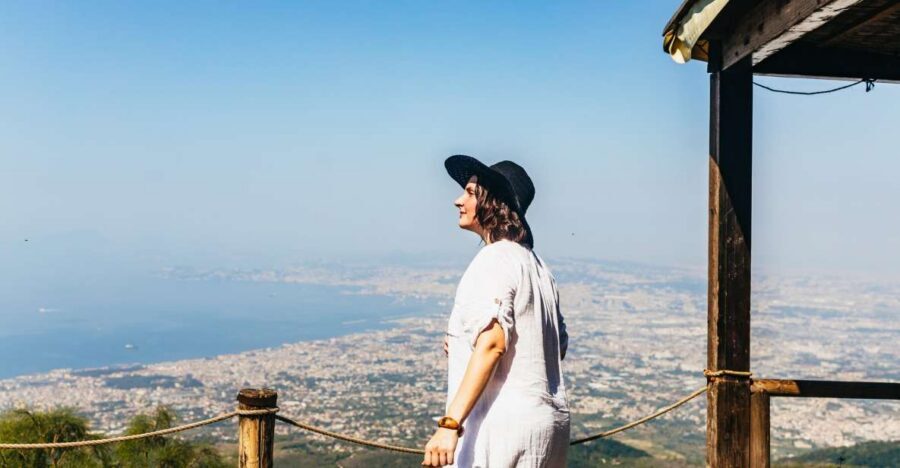
Also plan for what’s practical on ancient ground. The tour info recommends closed-toe shoes and sunscreen, and a hat can help a lot when the sun is intense. Luggage or large bags aren’t allowed, so travel light.
Headsets help a lot, but they don’t fix distance. If you wander off while you’re trying to photograph something far ahead, you might miss parts of the guide’s explanation. Keep your spot near the center of the group when you can.
One last fit note: this tour isn’t suitable for people with mobility impairments or wheelchair users, and unaccompanied minors aren’t allowed.
Should You Book This Archaeologist-Guided Herculaneum Tour?
I’d book it if you want your Herculaneum visit to feel readable and meaningful, not just impressive. The biggest reason is the archaeologist angle: you get an explanation of the city as a lived place—its wealthy merchants and nobility, its public spaces, and the waterfront’s final tragedy—woven into a route through major highlights like the thermal baths, the Forum, the House of Neptune and Amphitrite, the Temple/Sacellum of the Augustales, and the Gymnasium.
I’d also book it if you’ve already done Pompeii or plan to do it later. The tour’s emphasis on how the events differed can sharpen what you notice in both places, so you don’t accidentally treat them as duplicates.
Skip it only if you know you need a very slow, flexible pace or if mobility access is a concern. Otherwise, this is a smart use of time in Campania, especially if you’re trying to see the best-preserved Roman city in the area without losing half your day to waiting.
FAQ
How long is the Herculaneum skip-the-line guided tour?
The tour lasts 2 hours.
Where do I meet my guide?
Meet at the ticket office of the Herculaneum Ruins. Your guide will be holding an Askos Tours sign.
What’s included in the price?
The tour includes a guided visit with an archaeologist, admission fees to Herculaneum, archaeologist guide time, and headsets.
Does the tour help with long entrance lines?
Yes. It includes skip-the-line access.
What should I bring?
Bring a passport or ID card, and wear comfortable closed-toe shoes. Sunscreen is recommended, and a hat can help since the site is exposed.
Is this tour suitable for wheelchair users or mobility impairments?
No. It is not suitable for wheelchair users or people with mobility impairments.