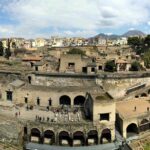
REVIEW · SORRENTO
Pompeii, Herculaneum and Winery on Vesuvius with an Archaeologist
Book on Viator →Operated by Fabrizio Belleni - Leisure Italy Private Guide · Bookable on Viator
Pompeii and Herculaneum in one day works. What makes this outing special is the private setup with an archaeologist guide, plus a winery lunch inside Vesuvius National Park. I especially love how Fabrizio Belleni keeps the pace human and explains what you’re actually looking at, not just what’s nearby, with a real focus on Roman daily life. Private guide + archaeology-first storytelling is the core value here.
I also like the way the day balances big-ticket ruins with “feel-it-in-your-body” details. You’ll move through Pompeii’s Forum and fresco-packed homes, then shift to Herculaneum’s preserved organic treasures like carbonized wood and the boat remains—things you can’t easily replicate on your own. Herculaneum’s preservation is where this tour really earns its spot on your itinerary.
One possible drawback: it’s a full 8 to 9 hour day with lots of walking on uneven ground, and site admissions and the lunch-wine package cost extra. If you want a slower, less structured day—or you need a lot of downtime—plan for breaks and talk to Fabrizio early.
In This Review
- Key highlights you’ll care about
- Pompeii and Herculaneum with Fabrizio Belleni: how it becomes understandable
- The private logistics that make a long day easier
- Entering Pompeii through the modern gate: Porta Marina to the Forum
- Pompeii’s fresco power: Vettii, restored spaces, and elevated views
- Teatro Grande: why Roman theater still hits
- Antiquarium di Pompei: the casts that make the tragedy real
- Herculaneum’s feel: organic preservation changes everything
- The Ancient Beach and House of Stags: shoreline fear and aristocratic design
- Neptune and Amphitrite and the preserved grocery shop
- Women’s Baths and the Palestra: Roman social life and civic pride
- The Cantina del Vesuvio lunch: where Vesuvius becomes a meal
- Timing, heat, and crowd control: what to expect on the ground
- Price and value for up to 7 people (and what’s extra)
- Who this day trip is best for
- Should you book? My practical take
- FAQ
- What does the tour price include?
- Are Pompeii and Herculaneum admission tickets included?
- Is lunch included, and do I need to pay extra for wine?
- Does the tour go to the top of Mount Vesuvius?
- Where can you get picked up?
- How long is the day trip?
- Is the tour family friendly?
- Does this tour allow service animals?
Key highlights you’ll care about
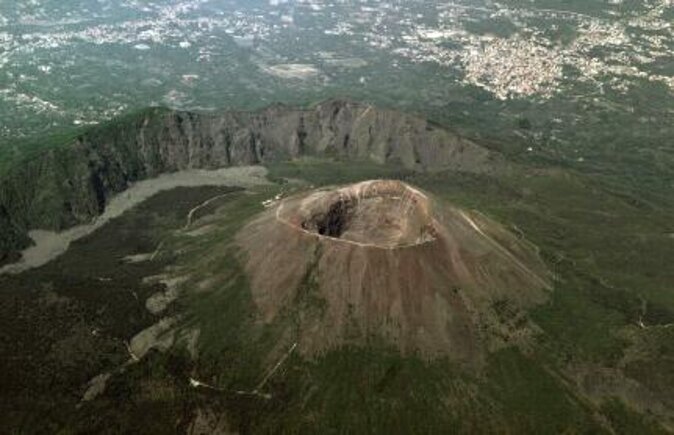
- Archaeologist-led pacing: you walk at your pace, with stops chosen to fit your group and comfort level
- Pompeii hits the classics: Forum, Temple of Apollo, Teatro Grande, plus top restored houses
- Herculaneum’s preserved “stuff”: baths, mosaics, carbonized artifacts, and the Ancient Beach shoreline
- Winery lunch in Vesuvius National Park: vineyard stroll, menu lunch, and wine tasting with optional upgrade
- Family-friendly energy: kids get engaged with questions and hands-on attention, plus help with steps and rough stone
Pompeii and Herculaneum with Fabrizio Belleni: how it becomes understandable
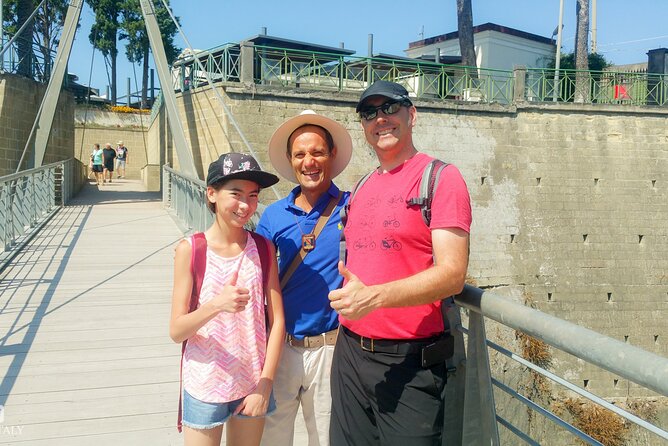
This is the kind of day trip that can either feel like information overload… or feel like history clicking into place. The difference is the guide. Fabrizio Belleni is an archaeologist who’s spent decades in Pompeii guiding visitors, and you feel that experience in how he talks and how he manages time.
The structure helps too. You’re not stuck reading signs. You’re shown key places, given context, and then allowed to look around with purpose. That’s why people consistently come away saying it felt far more informative than using a map or moving on their own.
You’ll also get a private vehicle (air-conditioned) with water and Wi‑Fi on board, which matters on a hot day in southern Italy. And because it’s private, the day can bend. Multiple families noted Fabrizio adjusted on the fly when a child needed to slow down or when they wanted to focus on certain areas.
If you're still narrowing it down, here are other tours in Sorrento we've reviewed.
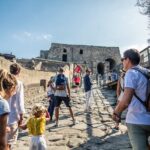
The private logistics that make a long day easier
Let’s talk practicalities, because this tour is long enough that comfort affects your mood.
- Pickup: offered anywhere in the Naples or Sorrento area. If you’re staying on the Amalfi Coast, you’ll need to contact first.
- Duration: about 8 to 9 hours.
- Group size: up to 7 people per group, so it stays personal.
- Language: English.
- Tickets: you’ll get a mobile ticket for the tour portion, but site admissions are separate (more on that below).
- Fitness level: moderate physical fitness is recommended due to walking on uneven stones.
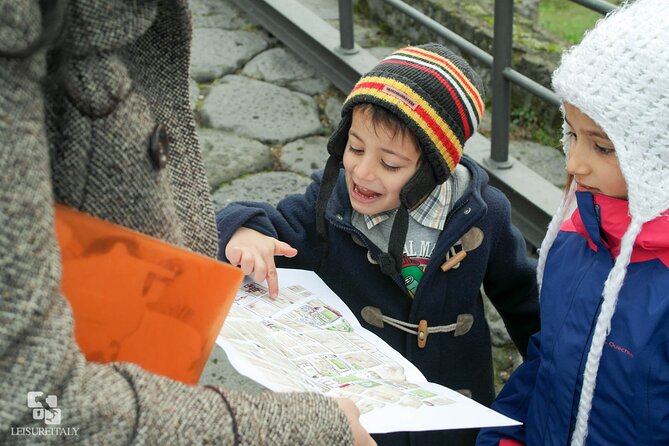
If you’re bringing kids, this setup works well because Fabrizio doesn’t treat children like passive passengers. In several accounts, he actively checked in, asked kids questions, and helped with walking difficulties. One family even mentioned he found ways to keep kids interested even after arriving from travel late at night.
The trade-off is that the schedule is full. Even when pacing is flexible, you’re still covering two major archaeological areas and a winery stop. Think of it as a “best of” day, not a slow meander.
Entering Pompeii through the modern gate: Porta Marina to the Forum
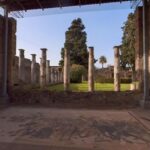
Pompeii starts fast here, with a smart entry point. You begin at Piazza Porta Marina, where the modern gateway mirrors the ancient Porta Marina gate. It’s a clean way to switch gears from today into the Roman city logic.
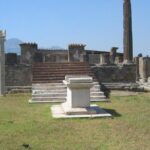
From there, the plan moves you toward the Forum zone, and it’s set up so you don’t feel like you’re just wandering from sign to sign. A key early stop is the Temple of Apollo at the edge of the Forum. You’ll see how older religious elements fit into later Roman life. The setting is also visually dramatic, with the structure framed by Mount Vesuvius in the background—so you can understand why this place mattered to civic and spiritual life.
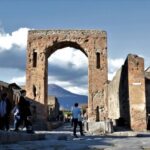
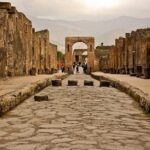
Next comes the Forum of Pompeii. This is the political, religious, and commercial center rolled into one massive stone stage. You’ll walk across original travertine paving and take in major structures like the Temple of Jupiter and the Basilica. You’ll also look at market-related spaces such as the Macellum and the mensa ponderaria (weighing table). The point isn’t just seeing ruins—it’s learning how the city functioned at street level.
A good sign you’re on the right kind of tour: you’ll leave the Forum with a mental picture of how people moved, traded, spoke, and worshipped here. That clarity is what many people praise most.
Pompeii’s fresco power: Vettii, restored spaces, and elevated views
Pompeii is famous for its wall art, and this route keeps you focused on homes that really show off what Roman taste looked like.
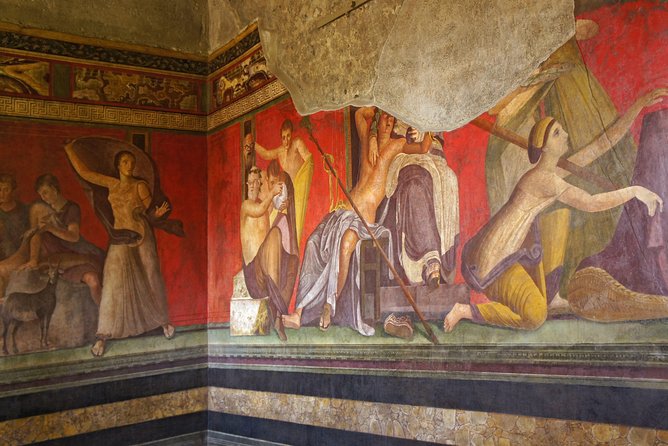
A standout stop is the House of the Vettii, known for incredibly vivid Fourth Style frescoes and the iconic protective painting of Priapus at the entrance. The tour highlights it as a top restored experience, often compared to the Sistine Chapel energy because the decoration quality is so high. You’ll also be able to see mythological scenes and a peristyle garden that helps you imagine daily life for wealthy residents.
Then you move to a newer-feeling experience at Insula dei Casti Amanti. The tour route emphasizes that this site has been reopened with an elevated walkway system, letting you see down into an entire block as excavations continue. That’s an important detail for anyone who hates feeling like they’re only staring at finished ruins. Here, you get a sense of archaeology as a living process—especially when excavations are active during your visit.
Even if you only catch a few minutes of “work in progress,” it changes the mood. You’re no longer just sightseeing. You’re witnessing a city being reassembled.
Teatro Grande: why Roman theater still hits
Roman theaters can feel quiet on a self-guided walk. With a guide, the Teatro Grande becomes a window into social structure.
This theater is horseshoe-shaped and one of the earlier stone theaters, dating to the 2nd century BC. The tour focuses on the seating hierarchy—elite marble seats in the lower sections and different tiers for others—so you understand that the architecture controlled who sat where.
Also: the acoustics. The guide’s framing helps you appreciate why this space worked both as entertainment and as a civic gathering tool. People often notice the emotional power of looking toward Vesuvius from this kind of vantage.


Antiquarium di Pompei: the casts that make the tragedy real
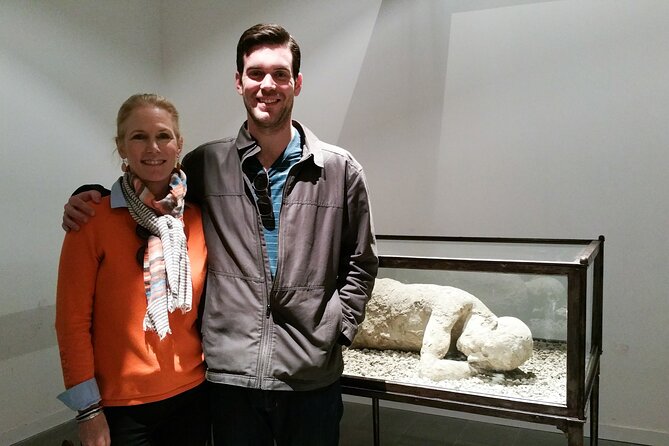
Pompeii’s ruins are powerful, but sometimes they feel too “aesthetic” unless you get emotional context. That’s what the Antiquarium di Pompei at Porta Marina is for.
This museum houses some of the most fragile treasures and, most importantly, plaster casts connected to the victims. It also includes smaller personal details like a faithful guard dog cast. It’s not there to scare you; it’s there to give your ruins a human spine. After this stop, the Forum and homes hit harder because you better understand what happened in that final moment.
If you’re the kind of visitor who wants to connect the stones to real lives, this museum time is well worth it.
Herculaneum’s feel: organic preservation changes everything
After Pompeii, Herculaneum hits differently. Pompeii is exposed stone and architecture. Herculaneum adds preserved materials you can’t easily picture until you see them.
The Antiquarium di Ercolano is the best warm-up. It’s highlighted for its fragile treasures and its display of carbonized organic materials, including wooden furniture and textiles. The museum also brings forward the idea of Herculaneum as a wealthy seaside resort, which makes the later house stops feel more meaningful.
The tour then moves to the Boat Pavilion near the ancient shoreline. Here you see a carbonized keel from a long boat—about 9 meters—found upturned by pyroclastic flows. Smaller maritime items like fishing weights, nets, and carbonized rope round out the story of daily sea life. This is where the volcanic event becomes personal, not abstract.
The Ancient Beach and House of Stags: shoreline fear and aristocratic design
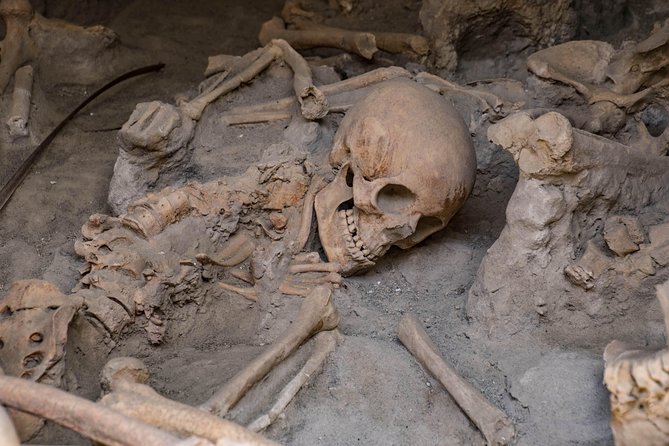
One of the emotional highlights is the Ancient Beach area, reopened to the public in 2024 after restoration. You walk along the real shoreline layers and look up toward boat sheds (fornici), with skeletal remains discovered nearby. The tour framing makes it clear that the modern ground level sits above the historic layers, so you get a sense of scale and disruption.
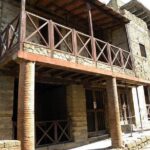
Then come the luxury villas. The House of the Cervi (House of the Stags) is tied to famous marble stag statues found in its garden. The tour notes the villa’s “inverted” layout, with panoramic views and design aimed at capturing sea breezes and outlook across the Gulf of Naples. That detail matters: it helps you stop treating the villa as a random building and start seeing it as a planned lifestyle.
Neptune and Amphitrite and the preserved grocery shop
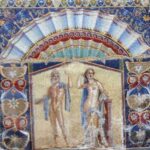
If you love mosaics, this part is a treat. The House of Neptune and Amphitrite features a striking mosaic with shimmering gold and blue glass paste. Next door is a shop often described as the best-preserved grocery from antiquity. In this tour’s route, you can still see original wooden shelving and carbonized storage bins.
Even if you only spend a few minutes here, you come away with something rare: evidence of daily commerce you can touch with your imagination. It’s not just luxury. It’s how people bought food and lived their routines in a city that was wiped out in minutes.
Women’s Baths and the Palestra: Roman social life and civic pride
Herculaneum’s Women’s Baths (Terme Femminili) are highlighted as exceptionally complete compared to similar spaces. You’ll see a black-and-white floor mosaic in the changing room depicting Triton and dolphins, and you’ll move through rooms like tepidarium and caldarium with clues about privacy and warm-room comfort. The tour also points out survival of organic details like original wooden storage shelves and stucco decorations that remained intact in certain vault ceilings.
Then the tour shifts to the Palestra, a large gymnasium complex. The emphasis here is on civic pride and physical culture, anchored by a monumental cross-shaped swimming pool (natatio). The hydra fountain shape is a memorable detail, and the guide ties the scale of the space to the youth energy and organized training that once filled it.
These stops help your brain understand Roman life as a system: work, worship, food, exercise, and social order all connected.
The Cantina del Vesuvio lunch: where Vesuvius becomes a meal
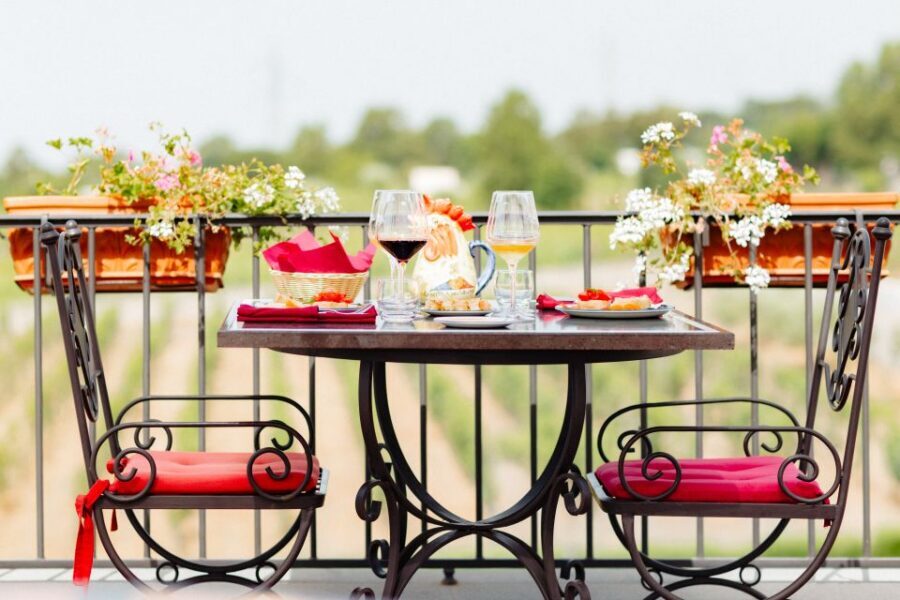
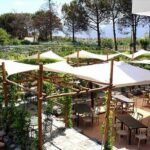
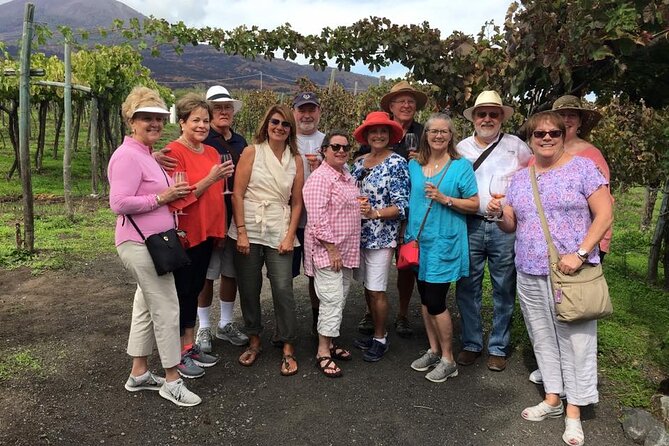
The winery stop is the day’s reset button. You head to Cantina del Vesuvio in Vesuvius National Park, with time for a guided vineyard stroll (about 15 minutes) and then lunch with wine tasting.
Key details from the tour format:
- Lunch and tasting are a separate package: about €50 per person all inclusive, or €60 if you choose the superior wine upgrade.
- You’ll have a guided walk through sunlit vineyards first.
- Lunch is a set menu: appetizers like bruschetta, cheese, and cured meats; then spaghetti with Vesuvius cherry tomatoes and meatballs; and Neapolitan pastiera for dessert. Vegetarian and gluten-free options can be available.
- The wines are paired as part of the tasting, with the plan described as tasting multiple local wines.
- Fabrizio handles booking, and you pay on-site by card or cash.
- You can also ship favorite wines and olive oils home.
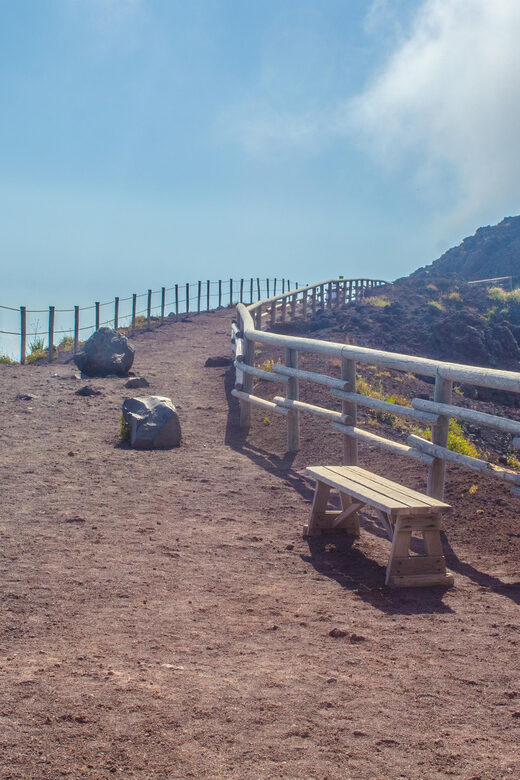
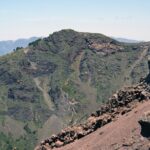
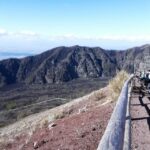
Important point: this is not a drive to the top of Mount Vesuvius. The experience stays within the national park winery area.
If you’re thinking about value, the winery portion matters because it’s not just “grab a sandwich.” The setting includes views of the bay and the volcano’s crater area, plus the tasting and structured meal. Several people called it the best meal they had during their trip, which tells you the food and setting aren’t an afterthought.
Timing, heat, and crowd control: what to expect on the ground
Pompeii and Herculaneum are popular. Even with a guide, you’re in a real historic park where crowds happen.
The good news: the tour approach focuses on avoiding crowds as much as possible and keeping the route flexible. People specifically praised Fabrizio’s ability to adjust the order, speed up to catch highlights before crowds build, and slow down when the day (or heat) calls for it. One family even noted that switching the order turned out to be the smart move for having Herculaneum feel quieter.
Still, you should plan like it’s summer in southern Italy:
- Bring sun protection and water habits.
- Expect uneven surfaces in both Pompeii and Herculaneum.
- If anyone in your group has mobility limits, tell Fabrizio early. Many reviews mention he helped families navigate rough stone and provided shade when needed.
Also, yes, it can be fiercely hot. The tour doesn’t pretend otherwise. It handles it with check-ins and pacing tweaks.
Price and value for up to 7 people (and what’s extra)
The price is listed as $861.07 per group for up to 7 people. That number sounds like a lot until you compare it to what you’d pay for a private guide plus private transportation plus the time saved trying to coordinate transit and tickets yourself.
What you should budget beyond the base tour price:
- Admission fees: about €40 per adult for both sites (Pompeii + Herculaneum). Under 18 can be free with valid ID.
- Winery lunch and tasting: about €50 per person all inclusive, or €60 for the superior wine upgrade.
So the “real” value depends on your group mix and whether you’ll do the lunch package (most people do). Even with admissions and lunch added, the private setup plus archaeologist interpretation tends to feel like a fair trade because you’re paying for understanding, not just entry.
Who this day trip is best for
This tour fits best if you want:
- A guided Roman history day where the guide explains what you see, especially in houses, baths, and Forum spaces
- A mix of emotional stops (victim casts and the Ancient Beach) and aesthetic stops (frescoes and mosaics)
- A private experience that can adapt when a child gets tired or when someone wants to focus on specific areas
It also works well for groups of friends or multi-generational families who have different interests. Many reviews mention Fabrizio tailored the route to different knowledge levels, including people who know a little history and people who are true experts.
If your priority is a short day with minimal walking, you might find this too packed. But if you want a “high impact” day where you leave with a real sense of Roman life, this is a strong match.
Should you book? My practical take
I’d book this if:
- You’re serious about seeing Pompeii and Herculaneum without turning the day into a confusing self-guided scavenger hunt.
- You want Fabrizio Belleni’s archaeologist eye, plus the flexibility to adjust pace and order.
- You want a proper winery lunch in Vesuvius National Park, not a quick stop.
I’d think twice if:
- You need lots of rest time and want to avoid walking on uneven stone.
- You don’t want to plan extra admission and the separate lunch-wine cost.
If you do book, tell Fabrizio what matters most to your group—kids’ energy level, must-see areas, and how comfortable you are with heat and stairs. The tour is built to respond to that, and you’ll get a better day for it.
FAQ
What does the tour price include?
The base price includes air-conditioned transportation, water and Wi‑Fi on board, and private guided tours in both Pompeii and Herculaneum, with private transportation. Site admissions and the winery lunch-wine package are not included.
Are Pompeii and Herculaneum admission tickets included?
No. Admission fees are approximately €40 per adult for both sites. Under 18 can be free with valid ID.
Is lunch included, and do I need to pay extra for wine?
Lunch and wine tasting at the Cantina del Vesuvio are a separate all-inclusive package. It costs about €50 per person, or about €60 for a superior wine upgrade. Payment is handled on-site by card or cash.
Does the tour go to the top of Mount Vesuvius?
No. This tour does not reach the top of Mt Vesuvius.
Where can you get picked up?
Pickup is offered anywhere in the Naples or Sorrento area. If you’re staying on the Amalfi Coast, you should contact first.
How long is the day trip?
Plan for about 8 to 9 hours.
Is the tour family friendly?
Yes. There is an upgrade for a family-friendly experience designed to keep children engaged, and the guide is set up to adapt the pace for children’s needs.
Does this tour allow service animals?
Yes. Service animals are allowed.