REVIEW · NAPLES
Herculaneum Private Tour with an Archaeologist
Book on Viator →Operated by Askos Tours · Bookable on Viator
Vesuvius turned daily life into stone. This Herculaneum private tour pairs a focused archaeologist guide with a walk through some of the best-preserved rooms and streets in Roman Italy.
I especially liked the private format—you’re not stuck listening through a crowd, and questions actually get answered. I also like that it’s family friendly, with a route that feels easy to follow even for visitors who want history without the lecture vibe.
One thing to think about: the tour price doesn’t include the Herculaneum entrance ticket. Also, since this is sold as an archaeologist-led experience, it’s worth confirming the guide’s credentials if that detail matters a lot to you.
In This Review
- Key things to know before you go
- Why Herculaneum feels like Roman life, not just ruins
- Price and what $178.38 per person actually covers
- Meeting at the red ticket office: simple start, no drama
- How the 2-hour route is paced (and why it works)
- Stop-by-stop: what you’ll see and what to look for
- 1) College of the Augustales
- 2) House of the Skeleton
- 3) Casa del Rilievo di Telefo (House of the Relief of Telephus)
- 4) Partem Domus lignea – Casa del Tramezzo di Legno (House of the Wooden Partition)
- 5) La Terrazza di M. Nonio Balbo (M. Nonio Balbo Terrace)
- 6) House of the Black Salon (House of the Salon of Nero)
- 7) Casa Sannitica (Samnitic House)
- 8) Central Thermae (Central Thermae)
- 9) Casa del Bel Cortile (House of the Fine Courtyard)
- 10) House of the Grand Portal
- 11) House of the Deer
- Guides matter here: the difference between reading and understanding
- Who this tour suits best (and who might prefer something else)
- Practical tips to get more out of every 10 minutes
- Should you book this Herculaneum archaeologist private tour?
- FAQ
- Where does the tour meet?
- How long is the Herculaneum private tour?
- Is the tour offered in English?
- What’s included in the tour price?
- What is not included?
- How much are the entrance tickets?
- Is it really private?
- Is there a place to store luggage?
- Are service animals allowed?
- Is free cancellation available?
Key things to know before you go
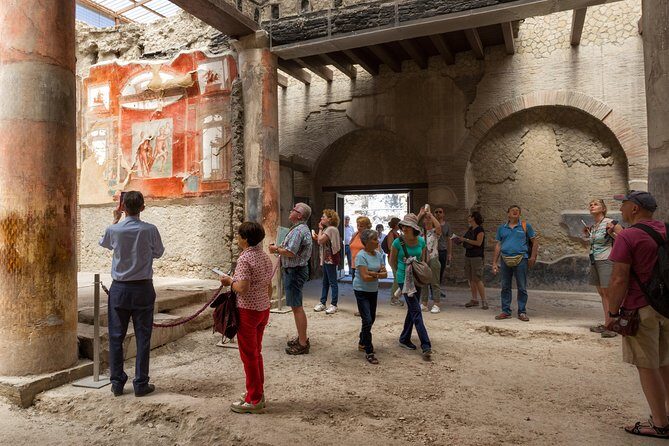
- Private tour with only your group for a more tailored pace
- 2 hours plus a tight route of major “don’t miss” structures
- Entrance ticket is separate (16 euros adult; reduced for EU 18–25)
- English offered, with a guide who can explain what you’re seeing
- Luggage store on site is free at the meeting point
Why Herculaneum feels like Roman life, not just ruins
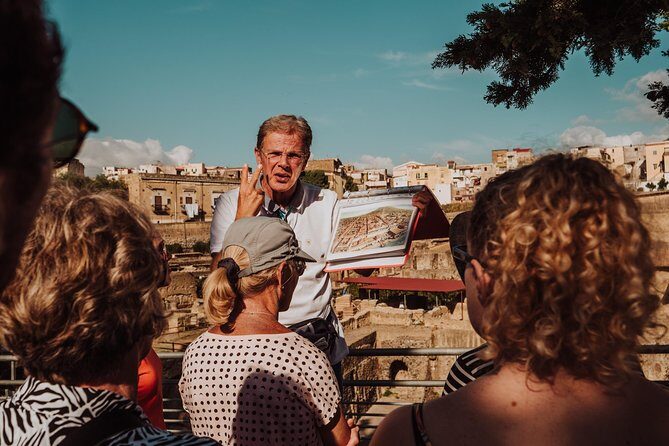
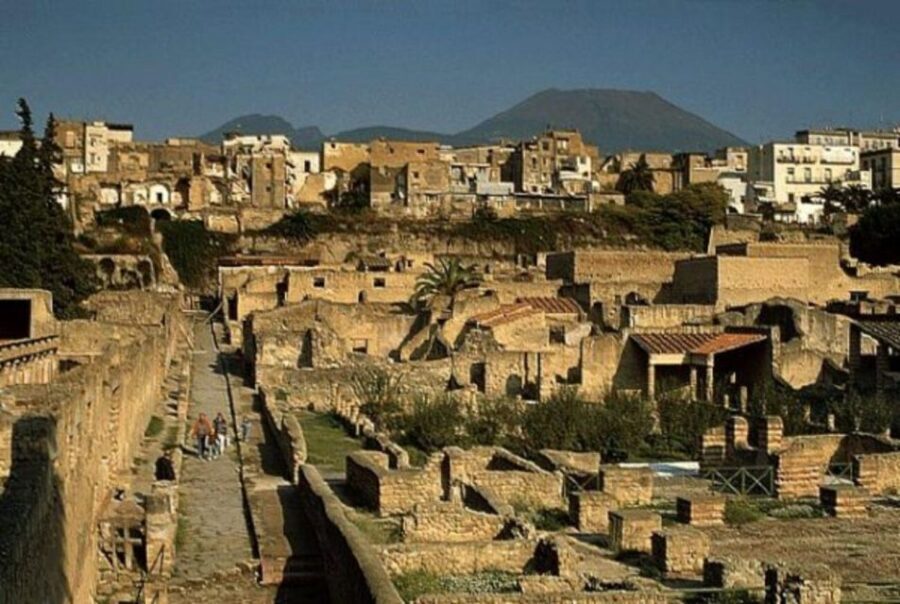
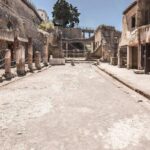
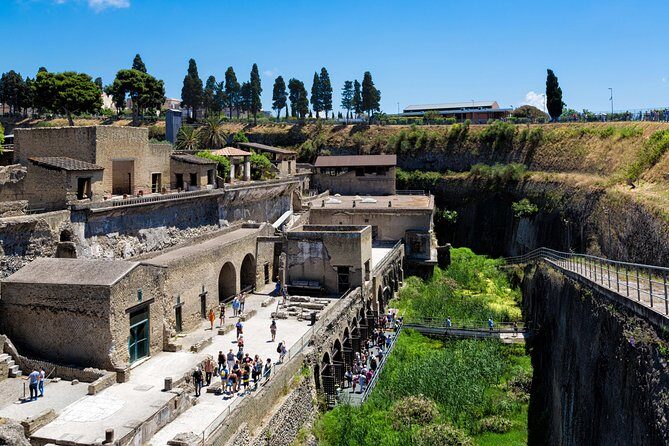
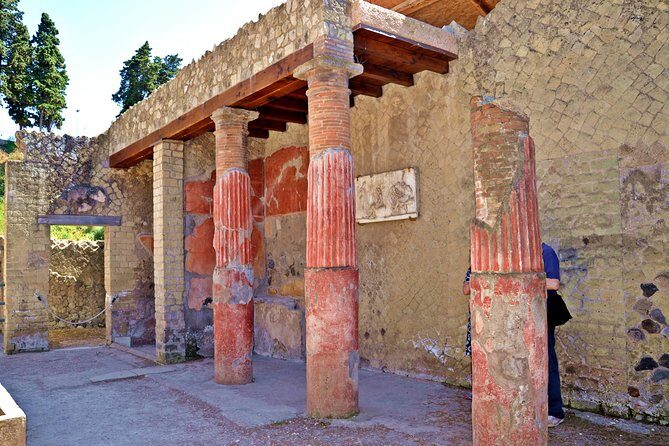
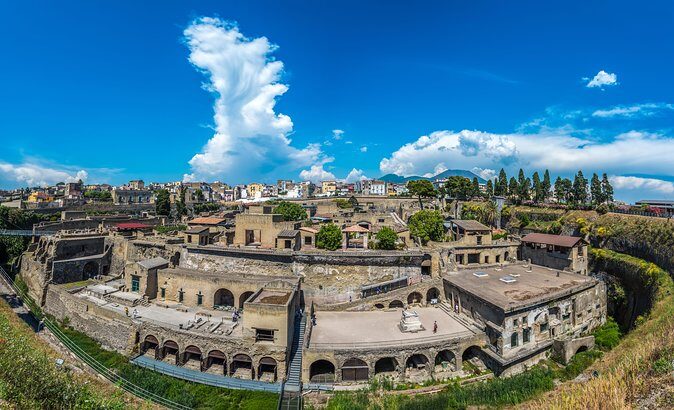
If you’ve been to Pompeii, you’ll notice Herculaneum tells a different story. Here, the town is smaller and often more intact. That means you’re not just looking at walls—you’re seeing the shapes of rooms, the layout of daily spaces, and the way people moved through their neighborhoods.
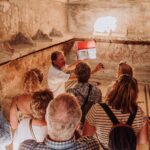
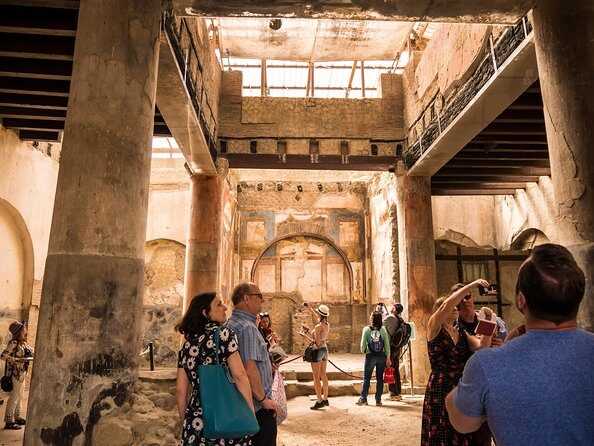
The real win of this tour is that you’re not walking the site alone and hoping for the best. The archaeologist-style guidance turns the preserved features into real context: why a room was built that way, what a public area likely meant, and what details suggest about comfort, status, and routines.
And because it’s private, you can slow down where you’re curious. If you want more explanation about something like household art or baths, you can ask. If you’d rather move quickly through the background, you can do that too.
Other Herculaneum guided tours and tickets we've reviewed at Vesuvius & the Bay of Naples

Price and what $178.38 per person actually covers
At $178.38 per person for about 2 hours, this is not a budget add-on. But you’re paying for a private guide experience plus the added value of specialized interpretation. You’re also paying for time, since the route hits a long list of major points rather than giving you a loose “wander and hope” plan.
What’s not included is important:
- Herculaneum entrance ticket
- Transportation
- Food and drinks
So the true cost is tour price + ticket. The ticket is 16 euros for adults, and 2 euros for EU citizens aged 18–25. If you’re buying tickets anyway, factor that in right away so there are no surprises when you meet the guide at the site.
The other value angle: the itinerary is structured into multiple stops (each with a short time window). That keeps you from losing time to decision fatigue. Instead of spending your energy picking where to go, you spend your energy learning what you’re seeing.
Meeting at the red ticket office: simple start, no drama
You’ll meet your guide outside the ticket office of the archaeological site. The meeting point is described as a red building, on Via dei Papiri Ercolanesi, 80056 Ercolano NA, Italy.
A couple practical notes that help your day go smoother:
- A free luggage store is available at the meeting point.
- The meeting point is near public transportation.
- Confirmation is received at booking time, so you should have clarity before you arrive.
If you’re visiting in the heat, plan to arrive a bit early. This tour runs a tight schedule across many stops, and it’s better to start relaxed than sprinting while looking for the exact red building.
How the 2-hour route is paced (and why it works)
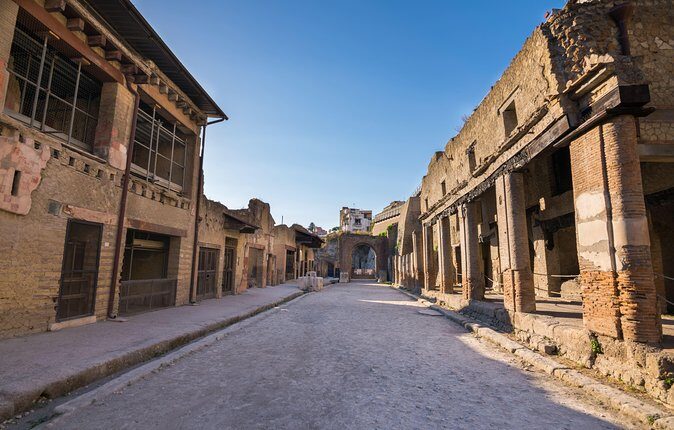
The itinerary keeps each site stop around 10 minutes, which adds up quickly. That’s actually a smart pace at Herculaneum. Many visitors make the mistake of spending too long at one spot and rushing the rest. Here, you get a sequence that covers a broad picture: religious association spaces, elite houses, household features, and public bath areas.
The trade-off is also real: you won’t have hours to linger at every room. This is best if you want a guided “map in your head” more than a slow art museum experience.
Stop-by-stop: what you’ll see and what to look for
Other private and VIP tours we've reviewed at Vesuvius & the Bay of Naples


1) College of the Augustales
This opening stop sets the tone. The name points to an organized religious group connected with Roman civic life, and the guide can help you understand how belief and public identity show up in architecture.
What to focus on: how the space supports a gathering function rather than a private home. Even in a short visit, you’ll get a sense that the town wasn’t only about living rooms—it had formal structures for community roles.
Possible drawback: if you prefer pure domestic interiors, this religious/civic stop may feel a little like a warm-up. It gets better once the tour moves into houses.
2) House of the Skeleton
This is one of the sites people remember because it’s so visually striking. The preserved details help you picture a moment in time that feels unnervingly human.
What to focus on: don’t just stare—ask your guide what the site suggests about everyday presence and how preservation affects what we know. A good archaeologist guide will explain how we infer life from what survived.
Why it matters: this kind of stop reminds you that Herculaneum’s story is both architectural and personal.
3) Casa del Rilievo di Telefo (House of the Relief of Telephus)
This stop leans into the household and the visual language of Roman art. A relief like this is a clue to interests, education, and taste.
What to focus on: look at how decorative elements function inside a home. The guide can connect the artwork to the broader Roman world and help you avoid treating it like a random wall decoration.
4) Partem Domus lignea – Casa del Tramezzo di Legno (House of the Wooden Partition)
The “wooden partition” detail is the kind of thing that often gets overlooked when you’re sightseeing fast. Here, the guide’s job is to help you imagine how space worked in practice.
What to focus on: how partitions change movement and privacy. Even if you’re only here for about 10 minutes, this is a great stop for understanding how Romans shaped daily life using design.
Possible drawback: if you’re expecting huge, dramatic remains, this can feel more subtle than the showpiece rooms. Still, it’s the kind of detail that makes the town feel real.
5) La Terrazza di M. Nonio Balbo (M. Nonio Balbo Terrace)
Terraces are where you start getting the “lifestyle” view of Herculaneum. You can think about light, air, and how a household uses outdoor space.
What to focus on: the relationship between terrace areas and the rooms around them. A guide can help you visualize how people likely used these spaces across the day.
6) House of the Black Salon (House of the Salon of Nero)
This stop sounds dramatic for a reason. A famous-looking room is exactly where a guide can turn “cool ancient room” into actual explanation: what made the space special and what the design communicates.
What to focus on: contrast. Many visitors remember the color and name. I’d use the stop to learn how the room’s features fit into a broader idea of status and domestic display.
Tip: if you like interior details, spend the 10 minutes asking targeted questions. This is the kind of stop where good answers will stick.
7) Casa Sannitica (Samnitic House)
This is one of the historical architecture stops that helps you connect Herculaneum’s story to older or neighboring cultural influences. It’s a good counterbalance to the more obviously Roman-feeling houses.
What to focus on: look for what feels different in layout or structure. The guide should be able to explain why that difference exists.
8) Central Thermae (Central Thermae)
Now you move from private life into a major public routine: bathing. Roman baths weren’t just about hygiene—they were social and structured experiences.
What to focus on: imagine the flow. Even if you don’t know the Roman bath sequence, your guide can help you track how rooms likely functioned together.
Why this stop is a win: it gives you a break from the houses and shows how daily life worked for more than just one household.
9) Casa del Bel Cortile (House of the Fine Courtyard)
Courtyards are practical and symbolic. They’re places of light, air, and gathering within a home.
What to focus on: how the courtyard organizes the surrounding spaces. This is where you’ll start to understand the town as a system, not a list of sights.
10) House of the Grand Portal
A grand entrance is basically status on display. Your guide can explain how the “front door” communicates social rank and the household’s public-facing role.
What to focus on: the portal itself and what it suggests about visitors and household identity. It’s a short stop, but it’s a strong one for understanding how Romans curated first impressions.
11) House of the Deer
This final domestic stop rounds out the route with another memorable feature. It’s also a reminder that “small details” in Roman art and decoration can tell big stories about interests and symbolism.
What to focus on: ask the guide to point out what makes the deer-related feature meaningful, not just pretty.
Guides matter here: the difference between reading and understanding
The tour stands or falls on the guide. The good news is that a lot of the named guides people mention are consistently praised for making Herculaneum feel alive. Names that come up often include Mena, Michele Lamberti, Daniela, Antonella, Luciano Leone, Giuseppe, and Luca.
That said, there’s one caution worth taking seriously: one review notes a guide who was not actually a practicing archaeologist, even though the experience was advertised that way. So if you’re booking specifically for archaeological credentials, don’t be shy about confirming the guide’s background before you go. A friendly, well-informed historian is great—but if “archaeologist” is the reason you’re paying extra, verify it.
Who this tour suits best (and who might prefer something else)
This is ideal for you if:
- you want a structured route through a lot of Herculaneum in a short time
- you like asking questions and getting direct explanations
- you’re visiting with a friend or family group and want a private, adaptable experience
- you’d rather compare big picture ideas, since some guides are known for linking Herculaneum to Pompeii
It may be less ideal if:
- you want to wander without time pressure
- you need long time at each room like a museum curating experience
- you’re extremely focused on one single subject and don’t care about a broader sweep
Practical tips to get more out of every 10 minutes
These are the small choices that make guided tours work:
- Arrive early and start the walk with clear energy. The route moves fast.
- Wear comfortable shoes. Even if each stop is short, you’re walking a lot of ground.
- Bring a question you genuinely care about. It could be about bath life, household art, or how rooms were used.
- If you’re sensitive to heat, aim for earlier slots. Short stops feel better when the air isn’t cooking you.
Should you book this Herculaneum archaeologist private tour?
I think you should book it if your priority is guided understanding in a compact time window. For $178.38 per person, you’re buying structure, a private pace, and specialist interpretation across major houses and bath areas—so you leave with a sense of how Herculaneum worked day to day, not just what it looked like.
I’d think twice only if you’re very strict about the word archaeologist. In that case, message the provider in advance and confirm the guide’s professional credentials. Also budget the separate entrance ticket so the final cost feels expected, not annoying.
If you want Herculaneum to feel like a real place you could walk through, this tour is a strong choice.
FAQ
Where does the tour meet?
You meet the guide outside the ticket office of the archaeological site, described as a red building. The address listed is Via dei Papiri Ercolanesi, 80056 Ercolano NA, Italy.
How long is the Herculaneum private tour?
The duration is about 2 hours.
Is the tour offered in English?
Yes. The tour is offered in English.
What’s included in the tour price?
Included is guidance and assistance by an Archaeologist guide, and the tour is private.
What is not included?
Herculaneum entrance tickets, transportation, and food and drinks are not included.
How much are the entrance tickets?
Entrance tickets are listed as 16 euros for adults and 2 euros for EU citizens aged 18–25.
Is it really private?
Yes. This is a private tour/activity, and only your group participates.
Is there a place to store luggage?
Yes. There is a luggage store for free at the meeting point.
Are service animals allowed?
Yes. Service animals are allowed.
Is free cancellation available?
Yes. You can cancel up to 24 hours in advance for a full refund.