REVIEW · NAPLES
Visit in Pompeii – Herculaneum Private Tour with Ada
Book on Viator →Operated by Ada's Tours - Visit in Pompeii · Bookable on Viator
Herculaneum has a quieter kind of wow. In just a couple hours with Ada, you get to walk Roman streets and read the city like a story, not a pile of stones. Ada’s explanations turn daily life into something you can almost picture, right at ground level. I also love how the ruins here feel more intimate than the bigger sites. That smaller scale helps you notice details you’d miss on a rush-through.
Two things I especially liked: the way this tour spotlights frescoes and mosaics that survived for nearly 2,000 years, and the fact it’s truly private—you’re not stuck waiting for a big group to catch up. One possible drawback: entrance tickets aren’t included, so plan a little extra time (and cost) at the start to get in smoothly.
In This Review
- Key highlights you’ll actually care about
- Why Herculaneum is worth your time (even if you’ve heard of Pompeii)
- Starting at the Ingresso with Ada: where the tour really begins
- Walking Roman roads and getting your bearings fast
- Homes, shops, and public buildings: what you should look for
- Frescoes and mosaics: why preservation is the star here
- Customizing the experience: when private touring actually matters
- How long is this, really? Timing that won’t drain you
- Price and value: is $220.28 per person worth it?
- Practical tips for making the most of the visit
- Should you book Ada’s Herculaneum private tour?
- FAQ
- How long is the Herculaneum private tour?
- Is this tour private?
- What is included in the price?
- Do I need to buy entrance tickets separately?
- Where does the tour start?
- Will I get a paper ticket?
- Does the guide speak French?
- What is the cancellation policy?
Key highlights you’ll actually care about
- Ada’s teaching style: clear, lively, and adjustable for ages from kids to teens
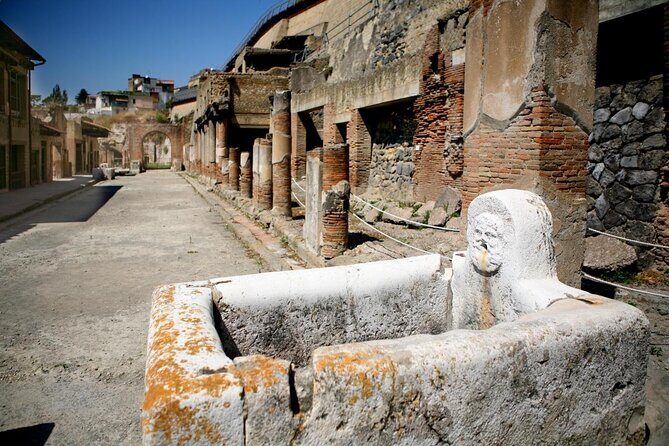
- Walkable Roman street life: homes, shops, and public spaces without feeling rushed
- Preserved color: frescoes and mosaics that look shockingly intact after centuries
- Private, customizable pacing: your group sets the rhythm
- Good practical setup: near public transportation and a straightforward meeting point
Why Herculaneum is worth your time (even if you’ve heard of Pompeii)
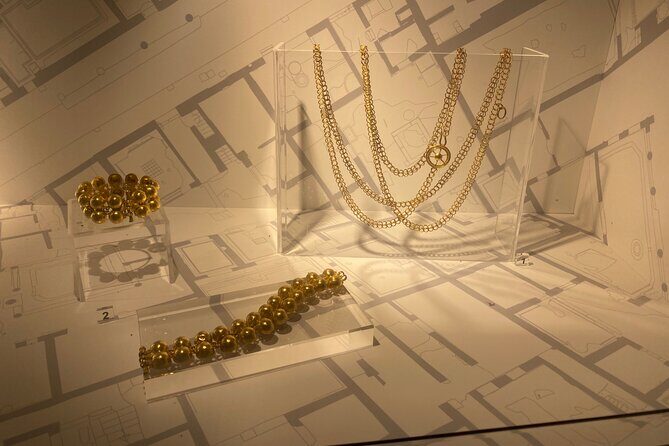
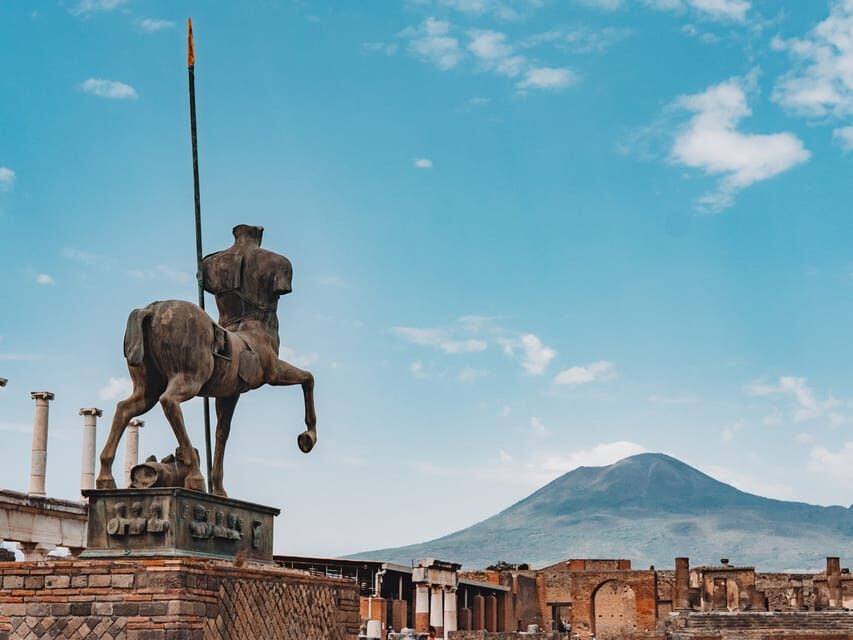
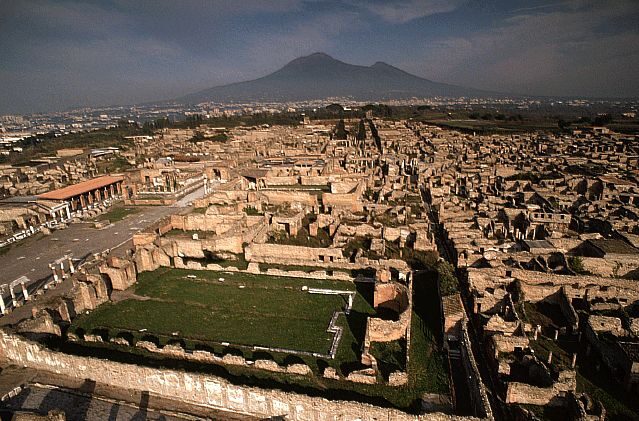
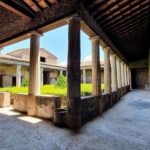
If Pompeii is the headline, Herculaneum is the strong side story. Herculaneum doesn’t get as much attention, but that’s part of the appeal: you can take in the feel of the place without the same level of chaos. And the ruins matter. This city’s homes, shops, and public buildings are unusually well preserved, so you don’t just see structure—you see evidence of ordinary life.
For me, what makes Herculaneum rewarding is how readable it is. You’re not only looking at big monuments. You’re seeing everyday spaces: rooms that once held family life, thresholds that once saw merchants come and go, and surfaces that still carry decoration. That’s why a guided visit changes everything. A guide helps you connect what you’re seeing to why it was there in the first place—how people cooked, lived, worked, and displayed taste.
Other Herculaneum guided tours and tickets we've reviewed at Vesuvius & the Bay of Naples

Starting at the Ingresso with Ada: where the tour really begins
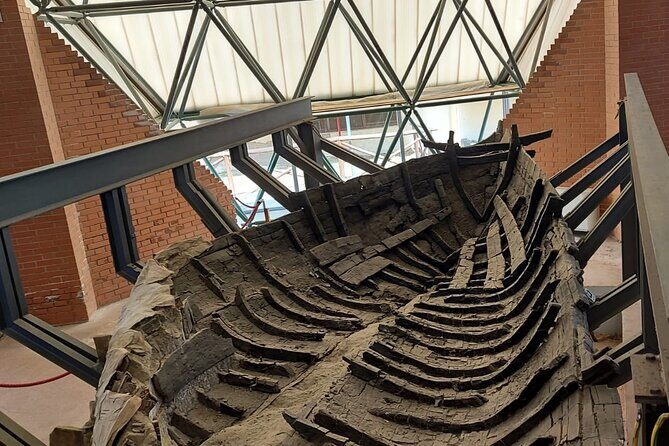
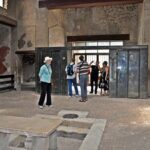
Your tour starts at the Archaeological Park of Herculaneum, at the Ingresso area, near Corso Resina 187. Since the tour is private, you’re not starting in a crowd. That matters because the first minutes set the tone: you get context before you step into the ruins.
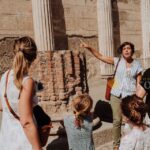
Ada’s style is one of the reasons people rave about this experience. In the feedback, she’s described as passionate and pedagogical, and that shows in how explanations land. The goal isn’t just dates and names. It’s helping you get oriented in a Roman town—how spaces connect, what you’re looking at, and what daily routines might have looked like in these rooms.
Since entrance tickets aren’t included, arrive ready to handle that part of the process at the start. Once you’re inside, you’ll move from the big picture to specific details, with the guide calling your attention to the parts that most visitors can walk past without noticing.
Walking Roman roads and getting your bearings fast
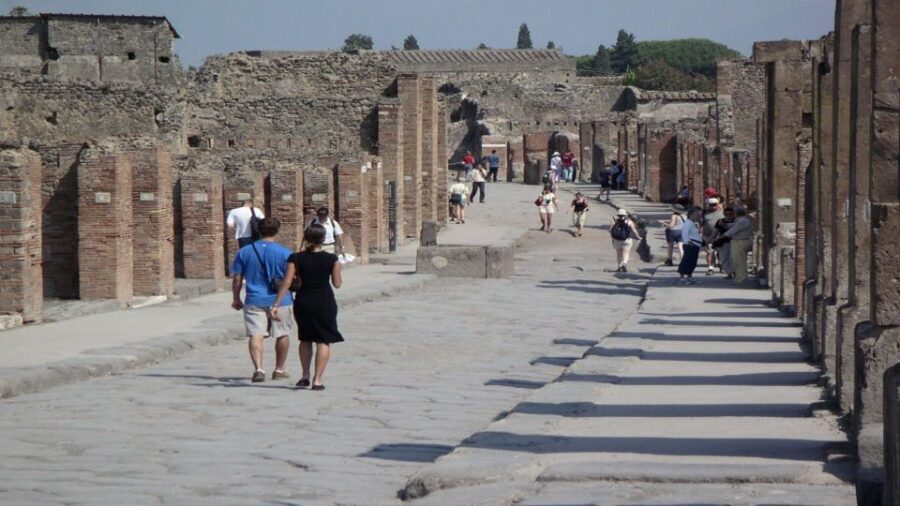
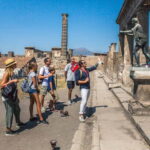
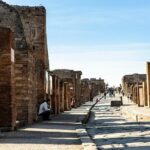
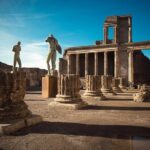
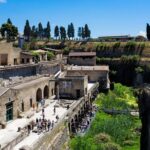
The heart of this experience is a guided walk through the site. You’ll be on ancient Roman roads, which is more than a cool phrase. On a personal level, it helps you feel the layout—where the city moved people and goods, where streets likely shaped neighborhood life, and where buildings framed the flow.
This is also where the private element really earns its keep. With a larger group, people drift. With a private tour, your pace stays consistent, and you can stop when something catches your eye. That’s important at Herculaneum because the best details are often small: a pattern, a painted surface, a doorway position, a location where you’d expect activity.
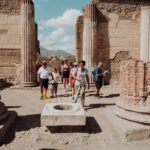
Ada also adapts the tempo depending on who’s with you. Families report that kids stay engaged for the full visit, which tells me the tour isn’t one long lecture. Instead, it’s paced like a conversation—questions are welcome, and the explanations are designed to land at different levels.
Homes, shops, and public buildings: what you should look for
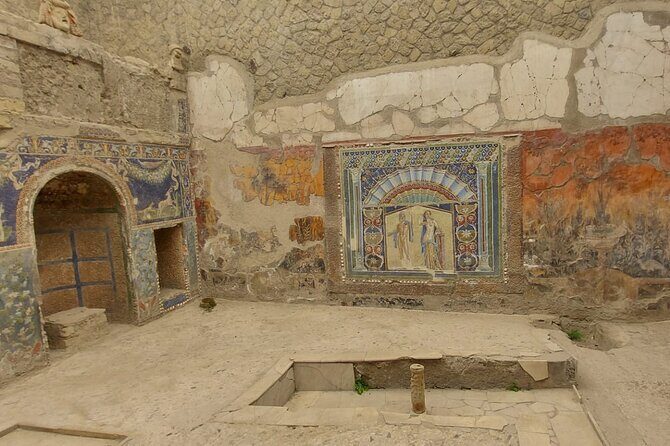
Herculaneum is famous for its preserved buildings, but the guide helps you read them as spaces with jobs. You’re not only seeing walls and floors. You’re looking at how a Roman city functioned day to day.
Here’s what that usually means as you walk:
- Homes: pay attention to room layouts and decoration. Frescoes and the remaining interior details are clues about lifestyle and what people wanted visitors to notice.
- Shops and workplaces: think about entrances and street-facing spaces. A shop isn’t just where goods were sold—it’s also where the public met the owner’s world.
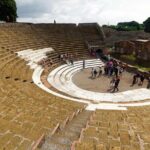
- Public buildings: watch for how they differ from private spaces. Even when only parts remain, their role in civic life becomes clearer when explained well.
Ada’s explanations tend to connect architecture to human behavior. That’s why people describe the tour as feeling alive—not because anything magical happens, but because the guide keeps tying objects to daily routines. One review even mentions her sharing history plus culinary information, which is a fun reminder that food culture is part of daily life, not just an add-on.
The most practical takeaway for you: don’t treat this like a photo scavenger hunt. Let your guide point out what to focus on, then take a few minutes to look without rushing.
Frescoes and mosaics: why preservation is the star here
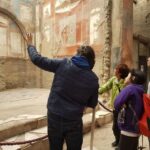
If you’re worried that “ruins” will feel dull, this is where the tour can change your mind. Herculaneum is praised for its colorful frescoes and mosaics that survived for almost 2,000 years. That kind of preservation turns the visit into something closer to seeing artifacts in context.
What to do while you’re there:
- When you see wall paintings or mosaic floors, slow down. The impact is visual, and it’s easy to miss what’s impressive if you keep walking.
- Let the guide explain what you’re seeing—style, function, and what decoration likely meant to residents.
- Remember that the goal isn’t to memorize everything. It’s to learn how Romans used decoration to communicate comfort, status, and taste.
One reason people give this tour such high marks is that the guide doesn’t wave at the artwork and move on. She points out details and keeps the experience moving at a pace that doesn’t flatten the site into a quick checklist.
Other private and VIP tours we've reviewed at Vesuvius & the Bay of Naples


Customizing the experience: when private touring actually matters
This is a private tour/activity, meaning only your group participates. That sounds like marketing, but in practice it affects three big things:
- Pacing: you spend time where your interests pull you, and you don’t waste time waiting.
- Questions: you’re more likely to ask what something is or why it matters. Ada’s communication style encourages that.
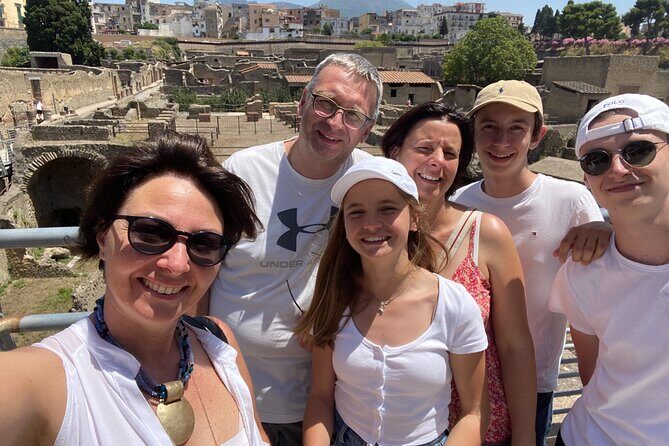
- Age fit: families report the tour works for children and teens, including groups with wide age ranges. One review mentions a family setup with many kids, and another mentions teenagers staying engaged.
If you’re traveling with kids, don’t assume you’ll need a separate plan. The tour is described as pedagogical and accessible, with explanations tailored so children can follow along. That’s a huge advantage because it keeps the visit from becoming stressful or boring for anyone in your group.
How long is this, really? Timing that won’t drain you
The duration is listed as about 2 hours. In real life, a private tour can stretch a bit depending on how many stops you linger over and how many questions you ask. Some feedback even points to a bit over two hours.
For planning, I’d think of this as a solid half-day block when you’re combining it with other activities in the Naples area. It’s long enough to feel like you learned the city, short enough that you’re not standing around in exhaustion.
Also, because it returns back to the meeting point, it’s easier to keep your schedule tidy. You don’t end up stranded across town wondering how to get your bearings.
Price and value: is $220.28 per person worth it?
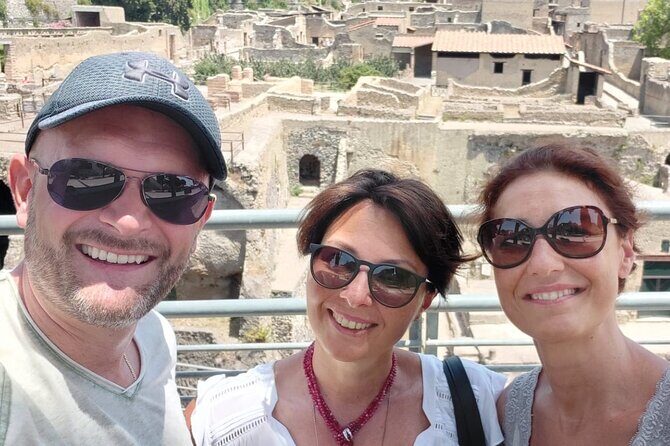
At $220.28 per person, this isn’t a bargain-basement tour. But it’s also not priced like a luxury fantasy. Here’s the value logic I use:
- You’re paying for a professional guide for a focused, private experience.
- You’re getting a specialist perspective on Herculaneum—less crowded, and often less understood than Pompeii.
- You’re paying for a format that adapts to ages and interests, instead of one-size-fits-all commentary.
If you were doing this solo, you could wander around the site. But without context, Herculaneum can feel like “this wall used to be something.” With a guide like Ada, the experience becomes about daily life—how buildings functioned, what the art meant, and why preservation is so important.
For groups, private guiding also often becomes more reasonable than you expect, because you’re effectively hiring someone to keep multiple people engaged.
Practical tips for making the most of the visit
You’ll have the best time if you go in with a simple game plan.
First, wear comfortable shoes. You’ll be walking through an archaeological site where surfaces and footing may vary. Second, show up ready to handle the entrance ticket process since it isn’t included.
Third, treat the tour like a guided slow read. You don’t have to understand every term. If you catch the big idea—how a Roman town worked and what you’re looking at—you’ll get the payoff.
Finally, if you care about explanation style, this is the kind of tour where Ada’s very good French delivery comes up repeatedly in the feedback. If your group needs another language, you’ll want to check that directly when you book.
Should you book Ada’s Herculaneum private tour?
I’d book it if you want more than sightseeing. This tour fits you if you like architecture explained in plain terms, you care about how everyday Romans lived, and you want the site’s preserved artwork to mean something.
I’d think twice if you’re the type who enjoys moving at maximum speed without stopping for explanation. With a private guide, you’ll get the most value when you’re willing to pause, listen, and look.
If you’re visiting the Naples area and want a Roman experience that feels personal—less about crowds, more about real-life details—this one is a strong choice.
FAQ
How long is the Herculaneum private tour?
It’s listed as approximately 2 hours.
Is this tour private?
Yes. It’s a private tour/activity, and only your group will participate.
What is included in the price?
The price includes a professional guide. Entrance tickets are not included.
Do I need to buy entrance tickets separately?
Yes. Entrance tickets are not included, so you’ll need to arrange them separately before or at the entry point.
Where does the tour start?
The tour starts at the Archaeological Park of Herculaneum at Corso Resina, 187, 80056 Ercolano NA, Italy.
Will I get a paper ticket?
Yes. The tour notes a paper ticket.
Does the guide speak French?
Reviews specifically mention that Ada provides explanations in very good French.
What is the cancellation policy?
Cancellation is free up to 24 hours before the experience starts for a full refund. If it’s canceled because the minimum number of travelers isn’t met, you’ll be offered a different date/experience or a full refund.