REVIEW · NAPLES
Skip-the-line Ancient Herculaneum Highlights Exclusive Tour with Private Guide
Book on Viator →Operated by Herculaneum Tours · Bookable on Viator
A buried Roman town still feels oddly alive. This skip-the-line Herculaneum tour pairs a private guide with art-history storytelling, so you see how people actually lived in a city frozen by the eruption of Mount Vesuvius. It’s built for a smooth, efficient visit—2 hours focused on the most eye-opening parts of Ercolano.
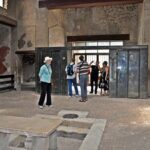
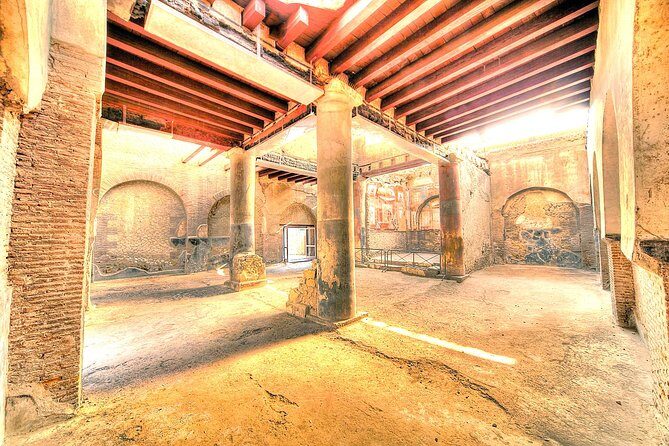
What I like most is how much the guide connects objects to daily life. You’ll spend time inside the Roman houses and shops, noticing things like original doors and shop furnishings, not just reading placards. The thermal baths are another standout, because the tour makes them feel less like ruins and more like a routine.
One consideration: with moderate physical fitness needed, you’ll want to be comfortable walking around an archaeological site where surfaces may be uneven and you’ll be on your feet for the full 2 hours.
In This Review
- Key highlights worth planning around
- How Herculaneum Makes Roman Life Feel Real
- Skip-the-Line at Ercolano Scavi: Less Waiting, More Seeing
- Your 2-Hour Route: Roman Houses, Shops, and Everyday Details
- Original Doors, Shop Furnishings, and Why That Matters
- Thermal Baths: The Most Human Stop on the Walk
- The Vesuvius Story: Understanding Why the City Was Buried
- Private Guide + Art Historian Lens: What It Changes for You
- Price and Value: Is $215.07 Worth It?
- Practical Planning: Meeting Point, Timing, and What to Bring
- Who This Tour Fits Best
- Quick reality check on the small drawback
- Should You Book This Skip-the-Line Herculaneum Private Tour?
- FAQ
- How long is the Herculaneum highlights private tour?
- Is admission to the Herculaneum site included?
- Do you really skip the line?
- What language is the tour offered in?
- Where does the tour meet?
- Is hotel pickup included?
Key highlights worth planning around
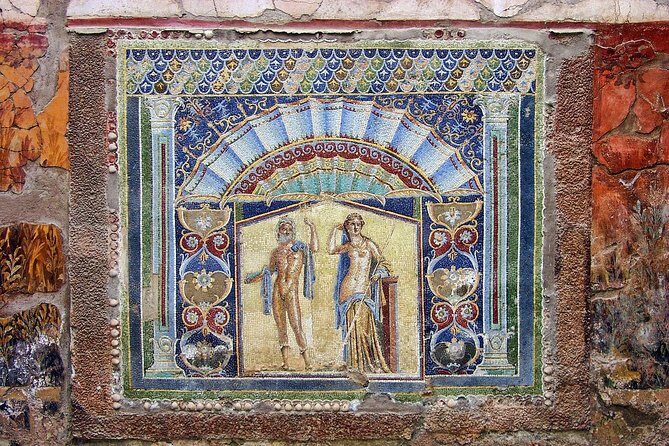
- Skip-the-line entry helps you start seeing the site fast, not wasting your visit in queues.
- Private art historian guide means more explanation and fewer group-time delays.
- Roman homes and shops with original details give you a clearer sense of everyday life.
- Thermal baths stop turns a key site into a story about routine and community.
- Mt. Vesuvius eruption context explains how and why the city was buried.
- Mobile ticket keeps things simple once you arrive at Ercolano Scavi.
How Herculaneum Makes Roman Life Feel Real
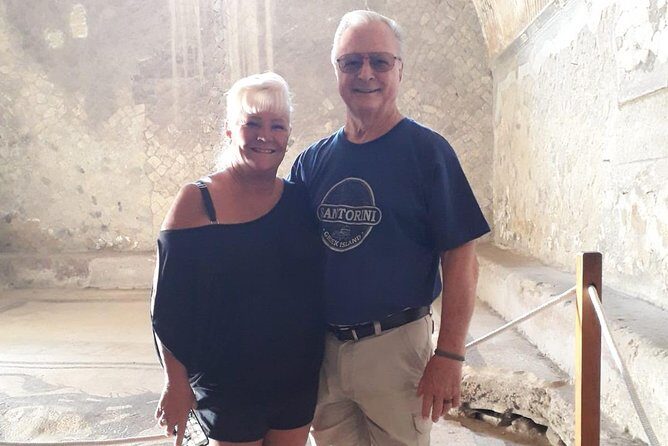
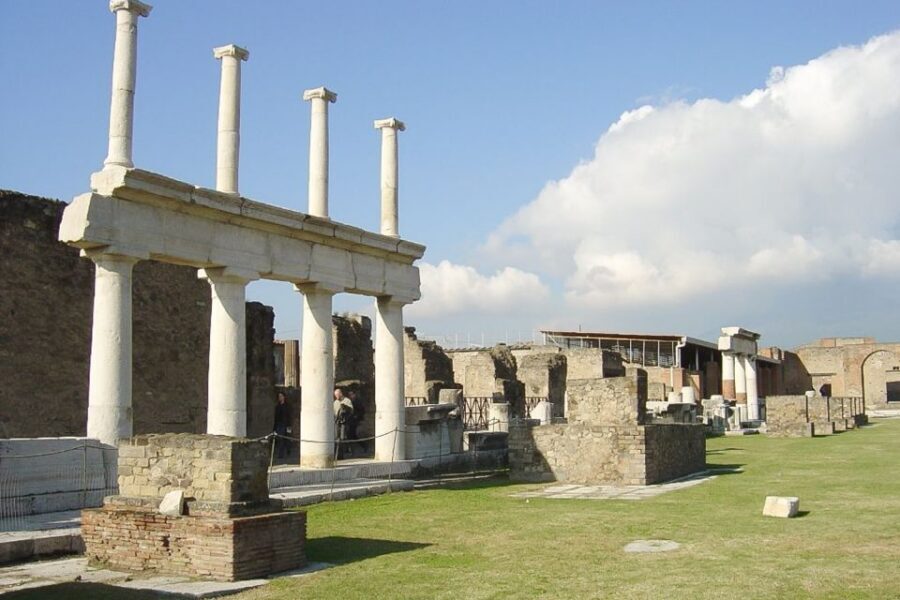
If you’re choosing between famous Roman ruins, here’s the thing: Herculaneum’s big advantage is how personal it can feel. The buildings have a kind of “stillness” that lets you picture daily motion—doors opening, shop items in place, people moving through rooms.
This is exactly the tone your guide brings. Instead of treating the site like a list of artifacts, you get a guided walk that puts you inside the experience. You’ll imagine private Roman lives as you move between spaces built for real routines: home life, commercial life, and the social rhythm of bathing.
That private-guided approach matters. On a self-guided visit, it’s easy to see walls and assume you understand the context. Here, you’re pushed to look at smaller cues and interpret what they mean—why the city looked the way it did, and what was lost when the eruption buried it.
Other Herculaneum guided tours and tickets we've reviewed at Vesuvius & the Bay of Naples

Skip-the-Line at Ercolano Scavi: Less Waiting, More Seeing
The tour promises guaranteed skip-the-line access. In practice, that means your time at Ercolano Scavi80056 Ercolano is spent walking through the site rather than hovering near an entry queue.
That’s not a small perk. Archaeological sites are tight on time for most visitors. You’re traveling, you’ve got multiple stops to fit into a Naples trip, and ruins work best when you’re fresh enough to pay attention to details. Starting earlier (or starting without waiting) gives you that head start.
Also, because this is a private tour/activity with only your group participating, you’re less likely to get caught behind slow-moving clusters. You can keep a steady pace, ask questions, and let the guide steer you to the most meaningful parts of the city.
Your 2-Hour Route: Roman Houses, Shops, and Everyday Details
The structure of the tour keeps it focused: about 2 hours total, with admission ticket included. That matters because you’re not juggling separate ticket steps while you’re already there.
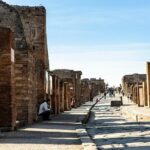
The main stop is Herculaneum’s archaeological site, and the route centers on spaces that help you understand private life. You’ll visit some of the most interesting areas of the ancient city, guided with an art-history lens. The goal is simple: don’t just look at remains—make sense of them.
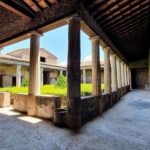
Here’s what you can expect to pay attention to as you move through the Roman houses:
- Original doors and how they shaped entry and movement through rooms
- The feeling of how interiors may have looked when people were using them daily
- The “why” behind what you see, explained in the context of Roman domestic life
Then the tour shifts toward commercial spaces—shops and their furnishings. The big value here is that these aren’t generic ruins. You’re looking at surviving cues that connect objects to function. If you’ve ever wondered what everyday commerce meant in the ancient world, this is where it starts to click.
The guide’s storytelling style is part of the payoff. Based on the tour’s overall feedback, the best moments tend to be when the explanation turns the site into a place with people, not just stone. You don’t need to be an expert to follow along. The guide’s job is to translate details into human context.
Original Doors, Shop Furnishings, and Why That Matters
A lot of “ruins tours” focus on big themes: emperors, dates, architecture types. This one adds a different kind of satisfaction—material detail.
When you see an original door, you’re not just looking at an object. You’re seeing how access worked: entrances, thresholds, and how someone would move through a space. Same with shop furnishings. When those items remain, they act like anchors. They keep the ancient city from turning into a vague museum.
This is where a private guide earns its keep. Without someone to point out what’s meaningful, your eyes might skim. With an art historian guide, you’re guided to notice what most visitors would miss.
If you like tours that feel practical and visual—where you can connect a room to a real routine—this stop design is built for you.
Thermal Baths: The Most Human Stop on the Walk
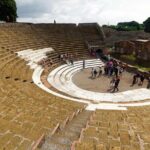
One of the strongest parts of the experience is the visit to the thermal baths. It makes sense. Bathing wasn’t just hygiene in the Roman world—it was social time, conversation time, and routine.
So when you reach the baths, the tour doesn’t treat them like a random highlight. It uses them as a window into how the city worked day to day. You’ll get background that helps you understand why these spaces mattered enough to be central, not peripheral.
There’s also a simple sensory benefit: baths are usually easier to “imagine” than some other ruin zones. The layout suggests movement. The shapes and spaces hint at function. And when your guide connects it to daily life, the site stops being abstract.
If you’re trying to decide what kind of ruins experience you want, here’s a quick rule: if you want the most life-like stop, don’t skip the baths. In this tour, they’re a core target.
Other skip-the-line and fast-track tours we've reviewed at Vesuvius & the Bay of Naples





The Vesuvius Story: Understanding Why the City Was Buried
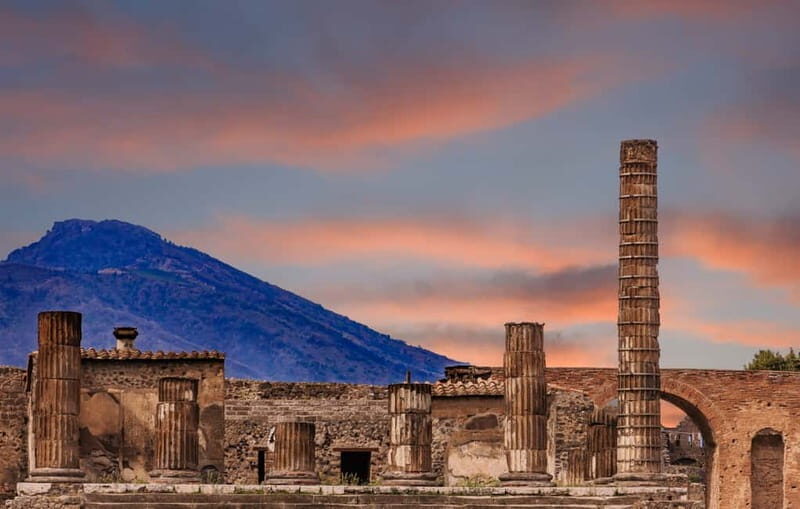
Herculaneum’s story is inseparable from Mount Vesuvius. This tour specifically includes learning about the eruption, and that context is what transforms the visit.
Without the eruption backdrop, ruins can feel like a time capsule with no reason behind it. With the eruption explained, you understand why preservation happened and why the city ended up the way it did.
You’ll also hear about why the city was buried and how it was built—at least at the level your guide chooses to emphasize for this 2-hour format. The value of that pacing is real. You get the story you need to make sense of what you’re seeing, without dragging the trip into a lecture.
For me, that’s the ideal structure: you get historical context, but it’s always tied to the physical remains around you.
Private Guide + Art Historian Lens: What It Changes for You
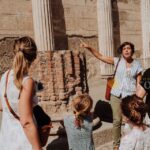
This is not a mega-group bus tour. It’s a private tour with your group only, led by a local guide and a professional art historian guide (the tour includes both roles).
That combination changes the vibe in a few useful ways:
- Explanations can match what you’re noticing in real time
- You can ask questions without feeling rushed
- You can go at the pace of your own curiosity
- The guide can emphasize the details that make the site feel understandable
Based on the guide-led nature of the experience, the tours’ best feedback tends to point to the same theme: the guide’s history and background bring the site to life. You should expect a lot of detail geared toward helping you see the city as a lived-in place.
Also, the fact that the tour is offered in English means you’re not relying on vague translations. You’ll get the meaning behind the visuals.
Price and Value: Is $215.07 Worth It?
At $215.07 per person for about 2 hours, this is not the cheapest way into Herculaneum. But it’s also not trying to be.
Here’s how I think about value for a tour like this:
- You’re paying for skip-the-line access, which can protect your time and energy.
- You’re paying for a private guide setup, including an art historian guide.
- You’re paying for an experience that focuses tightly on the most meaningful site parts—Roman houses, shops, and thermal baths.
- Admission is included, which reduces the “extra costs” feeling when you arrive.
If you’re traveling as a couple or small group, private tours often start to feel more reasonable because you’re not sharing guide attention with a crowd. If you’re a solo traveler, it can still be worthwhile if you value depth and hate line-waiting.
One practical tip: if you care most about stories and interpretation (not just photos), you’ll likely feel the price makes sense. If you only want the highlights and don’t care for explanation, you might compare costs with self-guided options.
Practical Planning: Meeting Point, Timing, and What to Bring
This activity starts and ends at the Ercolano Scavi80056 Ercolano, Metropolitan City of Naples, Italy meeting point. There’s no hotel pickup and drop-off, so you’ll want to plan your own transport to Ercolano Scavi.
The tour runs for about 2 hours. That’s long enough for a real walk and explanation, but short enough to fit into a day without wrecking your schedule.
Because the site requires moderate physical fitness, wear footwear that you trust on uneven surfaces. Bring water, and plan to stay off the “I’ll just power through in flip-flops” plan.
Children are welcome but must be accompanied by an adult. If you’re bringing kids, this works best when you treat it as guided learning, not just a sightseeing stop.
Language is English, and you’ll receive a mobile ticket. That’s handy, especially in an area where you’re likely juggling multiple confirmations across multiple attractions.
Who This Tour Fits Best
This is a strong match if you want:
- A private experience rather than a crowded group shuffle
- More than surface info—especially about everyday Roman life
- A guide who can explain not just what you’re seeing, but why it was built and why it was buried
- A focus on homes, shops, and thermal baths, not only sweeping views
It’s also a good fit if you’re doing Naples with limited time and you’d rather spend that time inside the site than in lines.
If you’re the type who loves details—original doors, shop furnishings, the feel of spaces—this tour rewards your attention.
If you’re traveling with someone who prefers short, content-heavy experiences, the 2-hour format helps keep everyone happy.
Quick reality check on the small drawback
The main trade-off is the pacing and physical requirement. You’ll be walking the site for the duration. If you have mobility limits, you’ll want to think carefully about whether moderate fitness suits your comfort level.
Also, since hotel pickup isn’t included, you’ll need to handle getting to Ercolano Scavi on your own. That’s not a problem if you planned for it, but it can be a hassle if you were hoping for door-to-door convenience.
Should You Book This Skip-the-Line Herculaneum Private Tour?
I’d book it if your ideal ruins trip includes story + interpretation and you care about seeing the best parts without wasting time. The combination of skip-the-line entry, private guidance, and attention to day-to-day details is exactly what turns Herculaneum from a photo stop into a real experience.
It’s also easy to feel confident here: the tour holds a 4.7 rating and a 93% recommended rate based on its feedback history. That doesn’t guarantee perfection, but it strongly suggests people are leaving happy with the guide-led value.
Skip this only if you’re purely self-guided in style, don’t want interpretation, and you’re trying to squeeze costs down as far as possible.
If you want a Roman city that feels human again—doors, shops, baths, and the Vesuvius story tied to the ruins—this is a smart way to do it in about two hours.
FAQ
How long is the Herculaneum highlights private tour?
The tour lasts about 2 hours.
Is admission to the Herculaneum site included?
Yes. The admission ticket is included.
Do you really skip the line?
Yes. The tour offers guaranteed skip-the-line access.
What language is the tour offered in?
The tour is offered in English.
Where does the tour meet?
The meeting point is Ercolano Scavi80056 Ercolano, Metropolitan City of Naples, Italy. The tour ends back at the meeting point.
Is hotel pickup included?
No. Hotel pickup and drop-off are not included.