REVIEW · POMPEI CAMPANIA
Pompeii & Herculaneum: Skip-the-line & Digital Guide App
Book on GetYourGuide →Operated by inStazione · Bookable on GetYourGuide
Roman ruins, no waiting time.
This Pompeii & Herculaneum experience pairs skip-the-line entry with a smart digital guide app, so you can focus on what you’re seeing instead of queue time. You collect your tickets at an office near the FS train station in Pompeii, then walk to the ruins in under ten minutes.
My favorite part is the freedom: you control the pace with audio guidance on your phone, and you’re not stuck in a rigid route. I also like that it covers two sites in one day, including the famously preserved details in Herculaneum. The main drawback is simple: it’s built around a working smartphone, so bring a charged device and plan to use headphones.
In This Review
- Key highlights worth planning around
- Getting your tickets and digital guide in Pompeii
- Pompeii ruins with skip-the-line entry
- Where Pompeii fits in a single day schedule
- Moving from Pompeii to Herculaneum
- Herculaneum: what you’re really seeing
- How to use the digital guide so it feels worth it
- Value and price: what $72 buys you
- Practical tips that keep your day smooth
- Who should book this Pompeii & Herculaneum combo
- Should you book it?
- FAQ
- How long is the Pompeii & Herculaneum experience?
- What does it cost?
- What is included in the package?
- Where do I get my tickets and where is the meeting point?
- Do I need to download the digital guide myself?
- Are headphones included?
- Is lunch included?
- Are tickets skip-the-line for both sites?
- Are there any free or reduced tickets for certain visitors?
Key highlights worth planning around

- Skip-the-line tickets for Pompeii and Herculaneum, saving you the most frustrating part of archaeological visiting
- Smartphone self-guided audio, letting you stop when something catches your eye
- Ticket pickup at the FS train station office in Pompeii, fast and straightforward
- Pompeii can take nearly the whole day, so pace your expectations early
- Herculaneum’s focus on preservation, especially houses, mosaics, and everyday objects
- No in-person tour meeting, which means you manage timing from the start
Getting your tickets and digital guide in Pompeii

The day starts with practical setup, not a big group rendezvous. You receive your tickets the day before via WhatsApp, but you still need to collect them yourself from the provider’s office in Pompeii at the FS train station area. That’s a good model if you hate meeting points with late stragglers.
Once you’ve got your ticket in hand, you’ll get help downloading the digital guide directly onto your smartphone. This matters because the experience is self-guided: you’re not relying on a live lecturer to translate every doorway and inscription. The app is available in multiple languages (English, French, Italian, German, Spanish), which makes it easier to match what you hear with what you read.
A couple of small things can make or break your day:
- Bring headphones (they’re not included), because the guide is designed for audio on your phone.
- Make sure your smartphone is charged, since you’ll be using navigation and playback throughout.
One more note on pricing categories: the entrance ticket office lets minors and certain EU residents (ages 18 to 24) access free or reduced tickets, but the provider doesn’t offer skip-the-line for those categories. If you fall into that group and lines matter, it’s worth checking options before you assume this package will fully match your needs.
Other Vesuvius skip-the-line tickets and audio guides we've reviewed at Vesuvius & the Bay of Naples



Pompeii ruins with skip-the-line entry

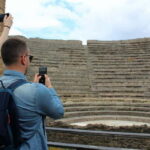
After the ticket pickup, you walk to the Pompeii ruins in under ten minutes. Then the best part kicks in: skip-the-line entry for Pompeii. In a place this popular, that time savings is real. You’re not burning your morning waiting to get into the first gate—you’re walking directly into ancient streets.
With the digital guide, you explore at your own speed through the highlights it covers, like streets, temples, and houses tied to everyday Roman life. I like this approach because Pompeii rewards curiosity. If you’re the type who slows down at doorways, wall marks, or household layouts, self-guiding lets you spend time where your attention goes.
Here’s how to get the most out of Pompeii with a one-day format:
- Use the app to get your bearings fast, then adjust. If a stop feels less interesting, you can move on without feeling like you’re betraying the group.
- Plan for stops that naturally take longer than you expect. Pompeii is spread out, and the site gets more mentally engaging the deeper you go.
One reality you should plan around: Pompeii often takes almost the entire day to do well. Even with skip-the-line, a one-day schedule means you can’t treat this like a quick photo stop. Think of Pompeii as your main event, with Herculaneum as a strong second act.
Where Pompeii fits in a single day schedule

Because you’re pairing Pompeii with Herculaneum, your strategy should be simple: decide early that Pompeii gets the longer attention span. The guide helps you shape a route through ancient streets, temples, and houses, but you still need to choose how much of that you want.
If you’re trying to fit both places into one day, I’d do it like this:
- Start Pompeii earlier rather than later, so you’re not racing the closing rhythms.
- Take real breaks. Sit when the shade allows it, and use your app time wisely. If your phone battery drops, audio guidance becomes a hassle.
You’ll also want to think about what you personally enjoy most in Pompeii. Some people are all about houses and household spaces; others care more about public buildings and temples. The guide structure supports both, but it won’t force you to love everything evenly. Use it as a menu, not a checklist.
Moving from Pompeii to Herculaneum

After Pompeii, the plan continues to Herculaneum. This is where self-guided tours shine, because you can set your own pace between sites. The package doesn’t include lunch or train travel, so you’ll handle those parts yourself.
That has two implications:
- Build in time for transit and a meal you actually want (since lunch isn’t included).
- Don’t let your day get too tight. Herculaneum is famous, but it also benefits from being visited when you’re not mentally sprinting.
One practical consideration: Herculaneum can be tricky for parking if you’re arriving by car. If driving is your plan, give yourself extra buffer time and don’t assume parking will be easy.
Herculaneum: what you’re really seeing

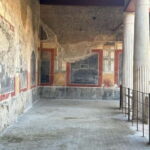
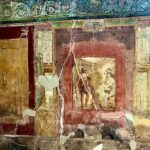
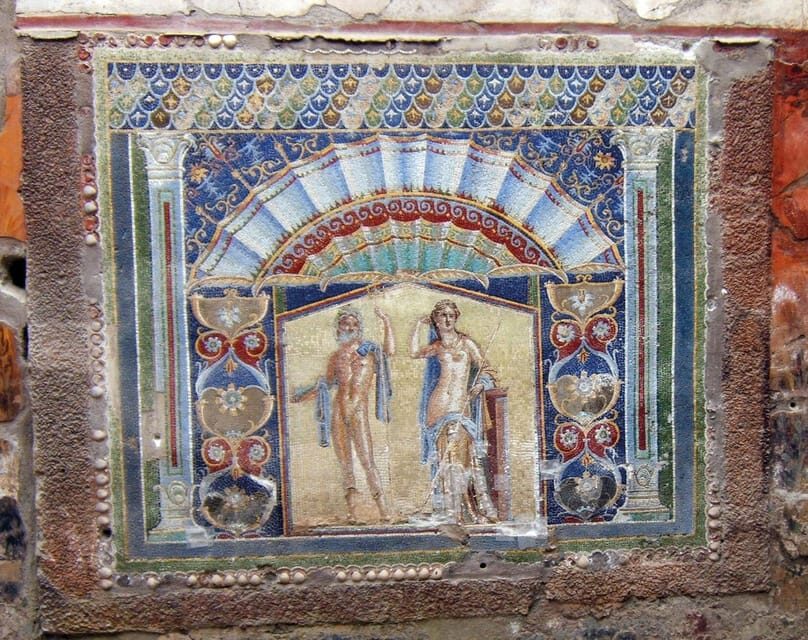
Herculaneum is lesser-known than Pompeii, but it earns its reputation. The big difference is how well so much of it survived. With your digital guide, you explore preserved houses, mosaics, and everyday objects, and you get a clearer sense of daily life than you might from ruins that are more heavily eroded.
This is the kind of place that rewards slower attention. In Pompeii, you’re often trying to imagine what a street looked like in motion. In Herculaneum, you’re more likely to recognize textures of daily routines—because so much detail remained.
What makes this part especially valuable:
- The focus isn’t just monuments. It’s the everyday world around them.
- The preservation helps you see design choices in real living spaces, not just dramatic ruins.
That said, Herculaneum may not be everyone’s favorite. If you’re only going to spend limited time on one of the two sites, Pompeii usually takes the top spot for most people’s interest level. If you’re a detail person—houses, mosaics, objects—Herculaneum will land better.
Other Herculaneum guided tours and tickets we've reviewed at Vesuvius & the Bay of Naples






How to use the digital guide so it feels worth it
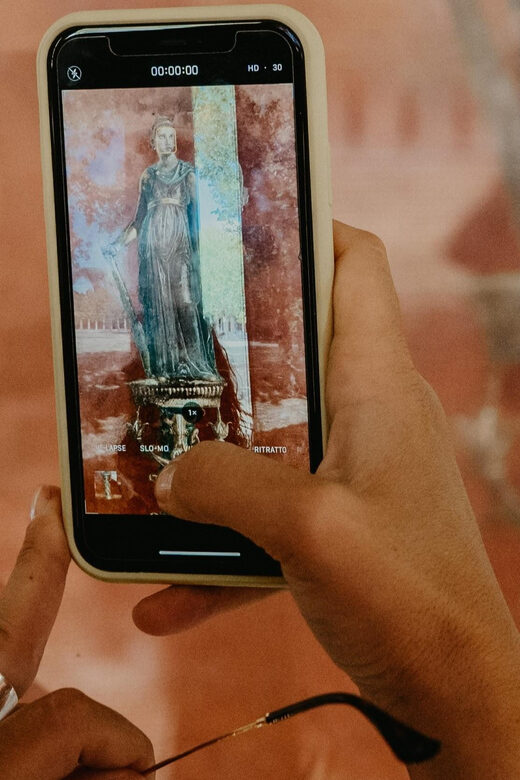
The app is included, and that’s a real advantage. You’re not paying for a live guide, and you’re not locked into a group tour timeline. Instead, your smartphone becomes your key.
To make this work well, treat the phone as your guide, not your distraction:
- Keep your audio volume comfortable before you start key areas.
- If you see something you want to linger on, pause your movement. Let the guide catch up in your next stop.
- Use headphones as intended. Without them, you lose the structure that makes self-guided feel coherent.
One thing to keep in mind: since it’s app-based, your experience depends on your own attention span and battery life. If you prefer a person-to-person explanation—someone to answer questions or adjust on the fly—this format may feel a bit more static.
Value and price: what $72 buys you
At $72 per person for one day, you’re paying for three things that matter at these sites: skip-the-line entry, access to both major ruins, and a smartphone digital guide.
Lunch isn’t included, and you still handle transportation between sites, so don’t assume this is a fully packaged day-trip where everything is covered. But the core value is clear:
- Two skip-the-line tickets save you time at both sites.
- The digital guide saves you guesswork once you’re inside.
- You get a logical structure for two archaeological stops without spending extra days in the area.
This price is most worth it if you:
- Hate waiting in lines
- Want to see both Pompeii and Herculaneum in the same day
- Like having control over pacing instead of moving as a group
It may feel less worth it if you’re traveling extremely flexibly and don’t mind lines, or if you strongly prefer a live guide over audio.
Practical tips that keep your day smooth

A great self-guided day is mostly about readiness. Here are the details that help you enjoy it instead of troubleshooting it.
- Charge your phone fully before you leave the hotel. Then bring a charging solution if you have one (not included, but helpful).
- Bring headphones. The activity doesn’t include them, and the app is clearly meant for audio.
- When you collect tickets, take a few minutes to confirm your guide is downloaded and ready. This prevents the classic stress of arriving somewhere perfect and realizing you can’t play the audio.
- Plan your pacing around Pompeii first. With a one-day framework, Herculaneum works best as a second focus, not as an afterthought.
- Expect that you’ll want a meal stop. Lunch isn’t included, and you’ll be happier if you plan it rather than hunt for it while tired.
Who should book this Pompeii & Herculaneum combo
This works well for:
- Couples and solo travelers who like self-guided exploration
- People who want two sites in one day without committing to a long guided group format
- Visitors comfortable using a smartphone for navigation and audio
- Wheelchair users, since the activity is listed as wheelchair accessible
It’s less ideal for:
- Anyone who wants a live guide walking with the group and answering questions in real time
- Travelers who don’t want to manage tech, battery, or headphone logistics
If you’re planning a first visit to the area and want the biggest hits without waiting around, this is a solid way to do it. If you only care about one site, I’d still lean toward Pompeii as your main event.
Should you book it?
Book it if you want a smarter way to visit both Pompeii and Herculaneum in one day—especially if skip-the-line time matters to you. The digital guide format fits travelers who like choosing their own pace, and the Pompeii-to-Herculaneum pairing is a strong one for understanding Roman daily life from two different angles.
Skip it only if you already know you don’t want app-based audio, or if you’re traveling with low battery tolerance and no headphones. In this setup, those aren’t small details—they’re the difference between a smooth day and a frustrating one.
FAQ
How long is the Pompeii & Herculaneum experience?
It lasts 1 day.
What does it cost?
The price is $72 per person.
What is included in the package?
You get a digital guide app for your smartphone, plus skip-the-line entry tickets for both Pompeii and Herculaneum.
Where do I get my tickets and where is the meeting point?
You do not meet anyone personally. You receive your tickets the day before via WhatsApp, and you collect them from the provider’s office at the FS train station in Pompeii.
Do I need to download the digital guide myself?
You’ll receive assistance downloading the smart digital guide onto your smartphone when you collect your tickets.
Are headphones included?
No. You should bring headphones.
Is lunch included?
No. Lunch is not included.
Are tickets skip-the-line for both sites?
Yes. You have skip-the-line entry tickets for Pompeii and for Herculaneum.
Are there any free or reduced tickets for certain visitors?
The ticket office at the entrance offers free tickets for minors and reduced tickets for European citizens aged 18 to 24, but the activity provider does not offer this type of service and there is no skip-the-line option for those categories.