REVIEW · NAPLES
Private Herculaneum for Families: Kids Archaeology Adventure
Book on Viator →Operated by Leisure Italy · Bookable on Viator
A Roman town frozen in time. That is what you get at Herculaneum, and the best part is how kid-friendly the day feels. With a private Blue Badge–accredited guide and family-focused explanations, you can turn a tough archaeological visit into something kids actually want to listen to.
I like that the site is compact and walkable, so you don’t need to fight crowds or lose the kids to fatigue after the first hour. I also like the way the tour leans on real, preserved details from before Vesuvius erupted—wood, mosaics, and everyday objects—so it’s not just a blur of ruins.
One thing to consider: expect a decent amount of walking, and the day can get warm. Bring water and plan for breaks so the youngest travelers don’t hit the wall early.
In This Review
- Key highlights to know before you go
- Why Herculaneum Works So Well for Families
- Getting There From Naples: Pickup and a Simple Meeting Point
- Your Guide Makes the Difference: Blue Badge English for Kids
- Parco Acheologico Di Ercolano: Roman Streets You Can Actually Picture
- The Antiquarium: Turning Charred Wood Into Real Clues
- Boat Pavilion: A Roman Seaport Story, Not Just Another Artifact Room
- Roman Houses Kids Actually Engage With
- Casa dei Cervi and the Stag-and-Dog Scene
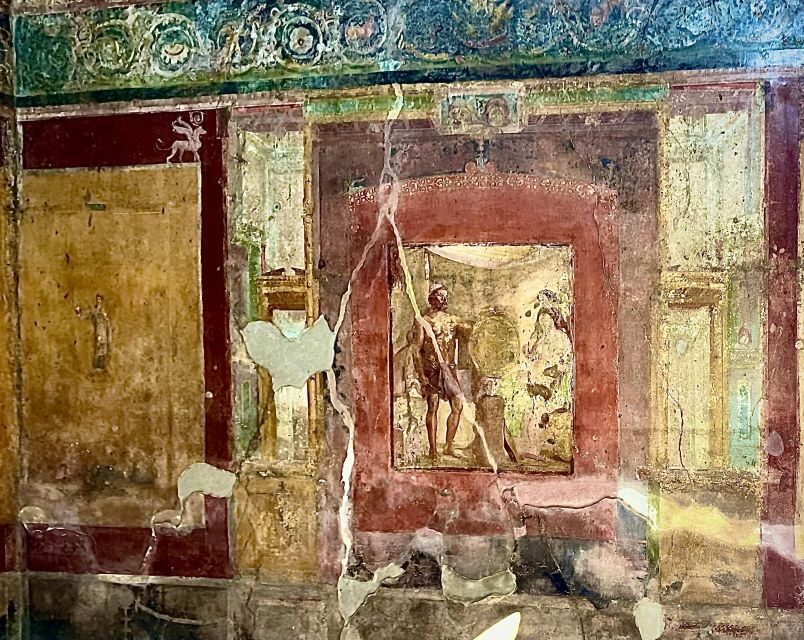
- Casa di Nettuno e Anfitrite: Color You Can See
- Casa del Bicentenario: Charred Wood and Even Court Records
- Casa del Tramezzo di Legno: A Folding Screen of Real Wood
- Casa dello Scheletro: The Mystery Behind the Name
- Baths and the Palestra: Daily Routine With Social Life
- Palestra: Training and Teen Social Energy
- Women’s Baths: Cleanliness, Comfort, and Conversation
- Street Life Stops: Thermopolium and Ad Cucumas
- Thermopolium: A Roman Street-Food Counter
- Ad Cucumas: A Painted Wine Advertisement
- Sacello Augustali: Religion Tied to Civic Identity
- The Shoreline and Human Stories From the Eruption
- How Much Walking Is Involved, and What to Pack
- Price and Value: Is $221.70 per Person Worth It?
- Should You Book This Kids Archaeology Adventure?
- FAQ
- How long is the private Herculaneum for Families tour?
- Is admission included?
- What language is the tour in?
- Do you get pickup from Naples/Ercolano?
- Is this a group tour or private?
- What should we wear and bring?
- What is the cancellation policy?
Key highlights to know before you go
- A family-focused Blue Badge guide who uses games and kid-sized storytelling
- Admission included at Parco Acheologico Di Ercolano, plus a keepsake site map and Herculaneum4Kids package
- Preserved wood and daily-life clues that help children understand what life looked like
- Standout stops beyond the main streets, like the Boat Pavilion and Roman food-counter Thermopolium
- Private tour format so your group sets the pace, with English speaking interpretation
Why Herculaneum Works So Well for Families
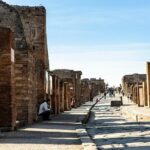
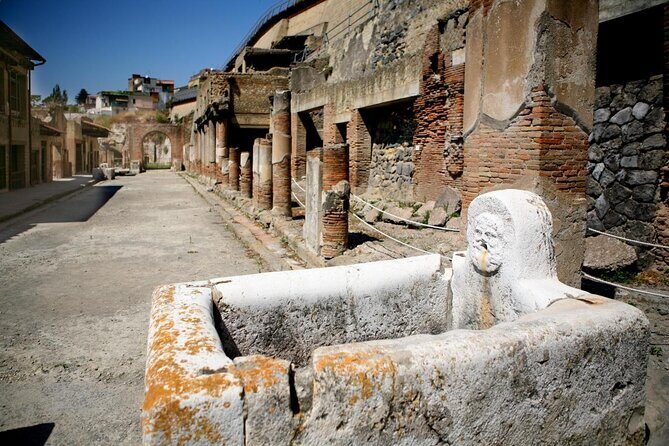
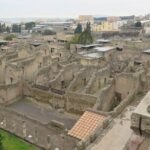
Herculaneum is one of the easier big-ruins days with children—partly because it’s physically manageable. The streets feel like a neighborhood rather than a giant open-air museum. Buildings sit close together, so kids can connect the dots faster: people shopped, cooked, bathed, and chatted within a short walk.
It also helps that the place has a built-in “wow” factor. Instead of being mostly stone rubble, Herculaneum preserves details that make the ancient world feel shockingly specific. You’ll see how the town was covered by volcanic material, which acted like a protective blanket. That’s why you get surviving wooden pieces, colorful surfaces, and objects that make the past feel tangible rather than abstract.
And the tour is designed around that. The guide’s job isn’t to recite dates; it’s to turn visible details into questions kids can answer. That approach is exactly what makes the visit feel less like school and more like a treasure hunt.
Other Herculaneum guided tours and tickets we've reviewed at Vesuvius & the Bay of Naples

Getting There From Naples: Pickup and a Simple Meeting Point
This is a private tour/activity, so you don’t join a giant bus group at a fixed time and then wait around. The experience starts at 80056 Ercolano, and it ends back at the meeting point.
Pickup is described as flexible. You tell the provider where you want to meet, and pickup is included in the premium option of this tour. For families, that flexibility matters because it cuts down on time spent figuring out logistics while kids are already restless.
Also note: it’s near public transportation, but with a family group it’s usually the smoother option to plan for pickup if you can.
Your Guide Makes the Difference: Blue Badge English for Kids
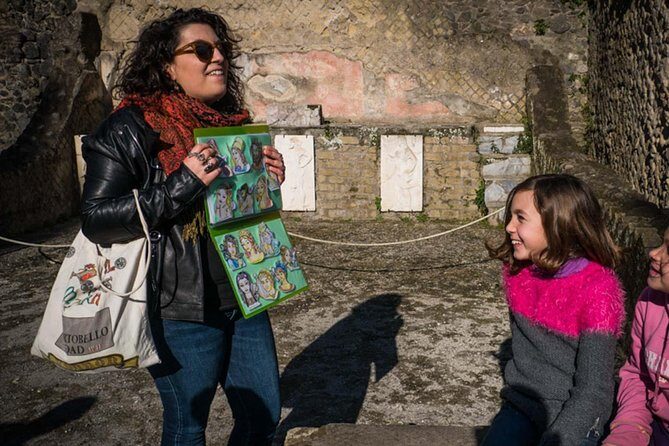
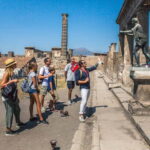
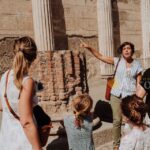
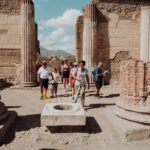
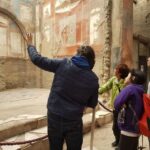
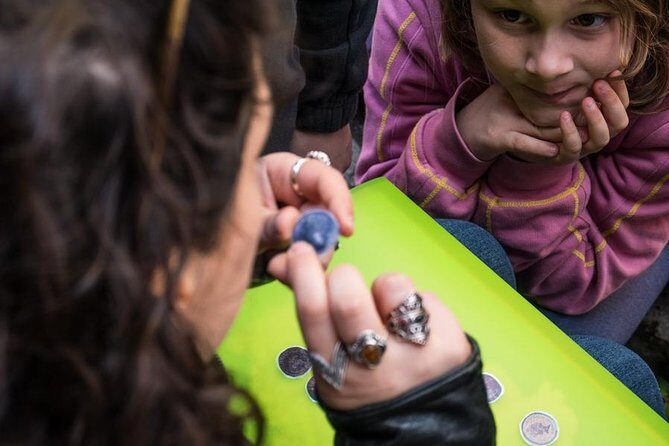
The highlight here is the guiding style. The tour is led by a Blue Badge–accredited guide, and the family focus is front and center. The goal is simple: avoid long, dull commentary and keep kids engaged with activities that turn ruins into a story they can follow.
In reviews, guides like Antonella and Paola are singled out for making history click for both adults and children. The common thread is storytelling plus small games—enough structure to keep attention, without turning the day into a classroom.
Because it’s private, you can also expect the guide to adapt to your group’s pace. If a four-year-old needs a break, you’re not stuck waiting for a standardized group schedule.
Parco Acheologico Di Ercolano: Roman Streets You Can Actually Picture
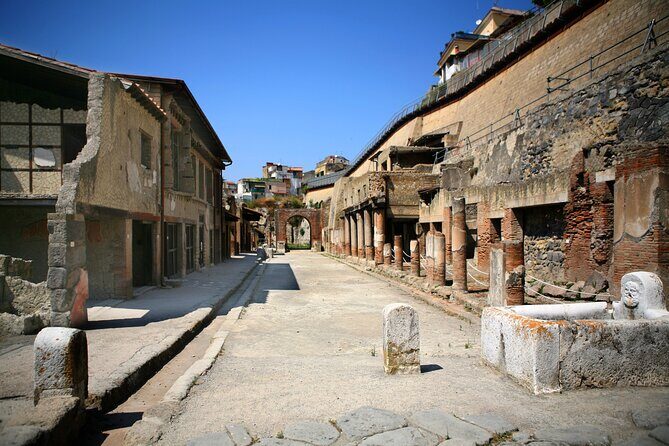
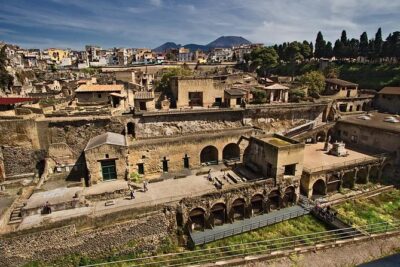
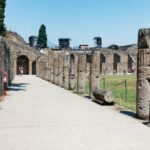
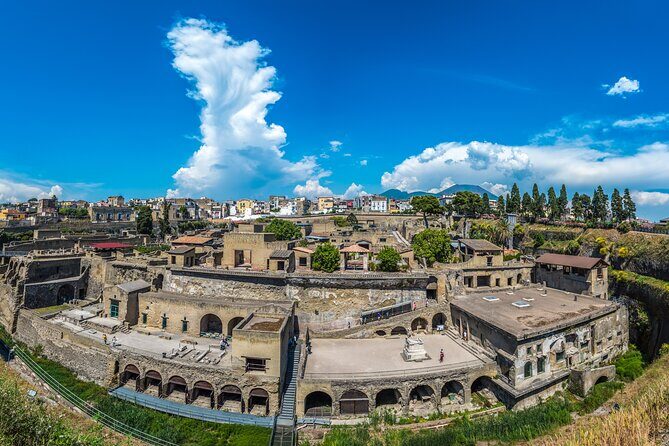
You’ll start at Parco Acheologico Di Ercolano, and this is where the whole day locks in. The contrast with modern life above ground is part of the magic: you arrive at the archaeological area and immediately sense that you’re looking at a town that stopped suddenly.
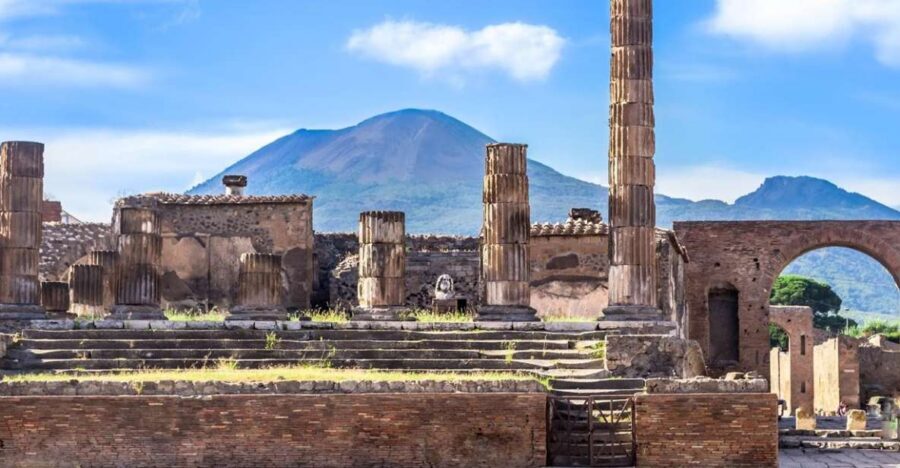
Herculaneum often feels easier than Pompeii for families because it’s more compact. You’re not constantly relocating across massive stretches. That matters when you have kids who can only sustain interest for short bursts.
What to watch for as you walk:
- Preserved details in homes and shops that help you imagine daily life
- Decorative elements kids can spot quickly, like myth figures and household artistry
- “Small life” clues that adults might miss, such as bathhouse-related features or street-level shop details
The guide’s explanations here are usually the difference between staring at walls and understanding how a Roman neighborhood worked.
The Antiquarium: Turning Charred Wood Into Real Clues
The Antiquarium is a smart stop because it gives you an interpretive key before you wander too far. Instead of only seeing things in situ, you get objects that explain daily routines and household life in clearer chunks.
One of the most memorable elements for families is the survival of charred wood. You’ll learn that pieces that look like blackened, preserved fragments are often still real wood—carbonized from the heat event rather than reduced to ash. That’s a mind-bending concept for kids, and it’s also a powerful storytelling tool for a guide.
As you move through displays with the guide’s help, you’ll connect what you saw in the houses to what people actually used: jewelry, coins, writing tools, and everyday items. It turns the ruins into a puzzle you can solve rather than a list of sites you pass by.
Other private tours in Naples

Boat Pavilion: A Roman Seaport Story, Not Just Another Artifact Room
The Boat Pavilion is often a surprise hit for families, and it makes sense. Kids are drawn to the physical object: a remarkably preserved Roman boat. It once sailed along the Bay of Naples, and the exhibit also shows tools and equipment used by sailors.
This stop does two valuable things:
- It widens your picture of Herculaneum beyond the streets and houses.
- It makes the eruption’s impact feel tied to work, travel, and community, not just tragedy in the abstract.
With a family guide adding context, the boat becomes a story of movement and trade—important for understanding why this town mattered.
Roman Houses Kids Actually Engage With
Houses are where archaeology can become either boring or amazing. Here, the tour uses the most “visible” and kid-friendly highlights.
Casa dei Cervi and the Stag-and-Dog Scene
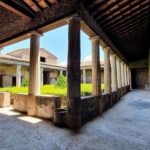
At Casa dei Cervi, you’ll see an elegant residence with a courtyard and marble statues showing stags attacked by hunting dogs. That kind of clear, visual drama grabs kids quickly. Adults usually enjoy how art and wealth overlap here: the house is decorated in a way that signals status.
Casa di Nettuno e Anfitrite: Color You Can See
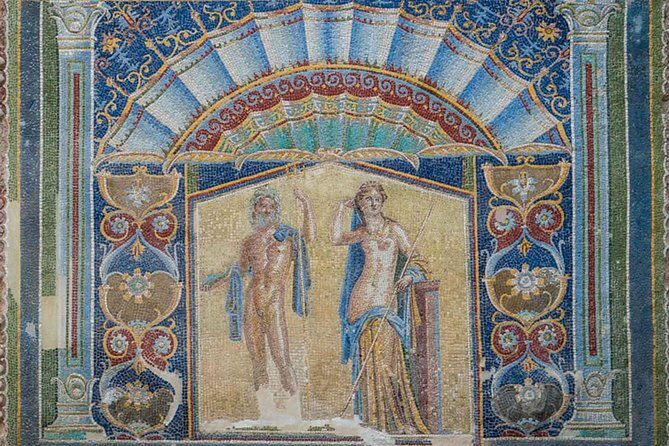
The mosaic of Neptune and Amphitrite is another big moment. The image is formed from countless glass tesserae, and the contrast between mythology and everyday home life is a neat way to keep kids curious. The guide’s job is to help you notice detail—so you don’t just walk past a pretty floor.
Casa del Bicentenario: Charred Wood and Even Court Records
At Casa del Bicentenario, you’ll find a set of residential spaces around a central courtyard, plus hints of colorful interior decoration in fragments. The standout is the survival of charred wooden elements like doors and partitions.
There’s also a legal-history thread here: archaeologists discovered wooden writing tablets with court records. It’s a reminder that paperwork and official processes existed in the Roman world—useful for older kids and totally fair to mention, because it makes the past feel less distant.
Casa del Tramezzo di Legno: A Folding Screen of Real Wood
The Casa del Tramezzo di Legno stop is one of those “how is that even possible?” moments. You can see a large folding screen preserved as carbonized wood. It’s a rare way to understand how Romans arranged space and privacy inside homes.
Casa dello Scheletro: The Mystery Behind the Name
Casa dello Scheletro gets its name from a skeleton found during early excavations. Today, the visit focuses on rooms with wall paintings, niches, and architectural features that help reconstruct how residents lived. Kids often like the story element of the name, while adults appreciate how archaeology plus research builds the bigger picture.
Tip for families: choose one or two houses as “your favorites” and let the guide point out just the best details. It keeps the day enjoyable instead of trying to absorb everything at once.
Baths and the Palestra: Daily Routine With Social Life
Two stops make the Roman day feel normal in a way that surprises people.
Palestra: Training and Teen Social Energy
The Palestra is the ancient gymnasium. You’ll see an open courtyard where young Romans trained and socialized. The guide context helps you picture running, wrestling, and ball games, plus shaded porticoes for discussion.
Kids often react to the idea that teenagers were doing energetic “sport culture” two thousand years ago. Parents tend to like how the tour explains that physical fitness, education, and civic life were tied together.
Women’s Baths: Cleanliness, Comfort, and Conversation
The Women’s Baths explain how Roman bathing combined cleanliness, relaxation, and social life. You move through changing, warm, and hot rooms. You’ll notice engineered heating systems beneath the floors, mosaic floors, and marble benches.
For families, this is a great place to connect the dots between design and routine. Kids tend to enjoy the “spa” idea, while adults appreciate the real engineering behind the comfort.
Street Life Stops: Thermopolium and Ad Cucumas
These are the stops that make the ancient city feel like a place where people ate and shopped, not just toured.
Thermopolium: A Roman Street-Food Counter
The Thermopolium works like a Roman takeaway spot. Large terracotta jars are set into a decorated counter, and hot meals were served to passersby. Kids instantly get it because it resembles modern quick service food.
The preserved jars, painted signs, and traces of ingredients make the stop vivid. With a guide explaining how it worked, it becomes a window into the rhythms of everyday urban life.
Ad Cucumas: A Painted Wine Advertisement
One of the charming details is Ad Cucumas, a wine advertisement painted onto a shop façade. It’s like ancient street marketing—jars and symbols that told you what you’d find inside, long before printed signs or apps.
Kids often enjoy trying to decode what the images mean. Adults like how commerce and art blended into daily life.
Sacello Augustali: Religion Tied to Civic Identity
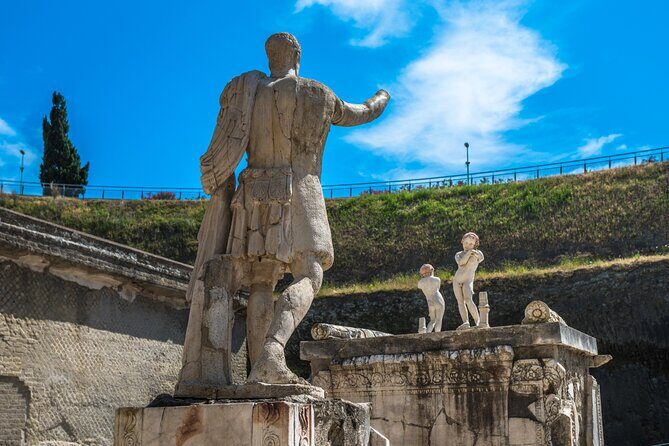
The Sacello Augustali introduces how Romans honored the emperor as a symbol connected to unity and prosperity. You’ll see decorated panels and statues that relate to rituals tied to the imperial cult.
This is also a good “story checkpoint” for families. Religion in Roman times wasn’t only private belief—it was connected to civic identity. With guide context, kids can spot mythological figures and imagine ceremonies, while adults get the political dimension in a way that doesn’t feel dry.
The Shoreline and Human Stories From the Eruption
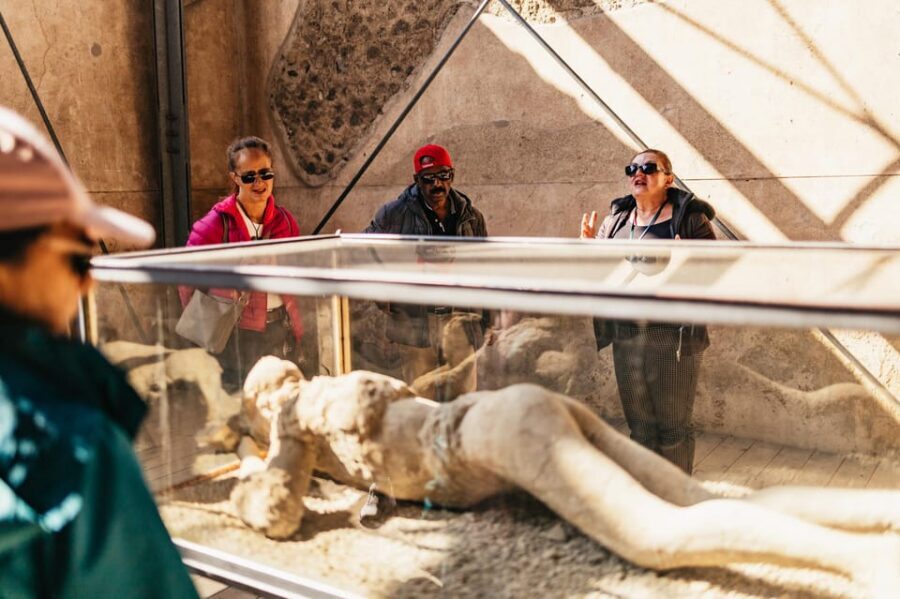
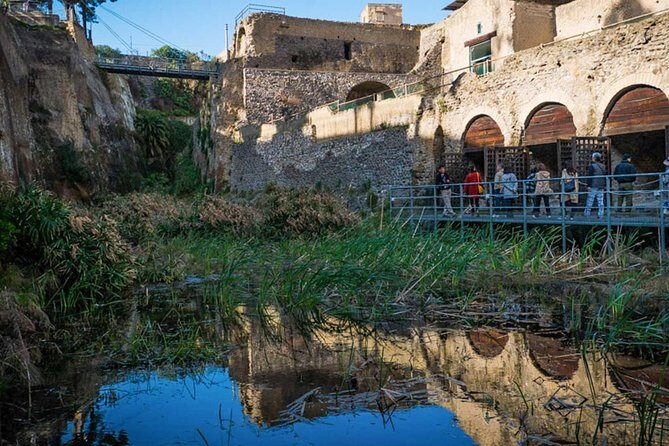
The final emotional moment is often reaching the ancient shoreline. Here you can see vaulted chambers connected to the remains found during early excavations—evidence of people seeking shelter as superheated gases swept over the town.
This stop can hit hard because it connects the eruption to human choices and fear. The tour is designed to handle it with sensitivity for younger visitors while still honoring the archaeological truth.
Parents usually appreciate that history becomes people, not just walls and objects. Kids often recognize that the past isn’t only about what things looked like—it’s also about how real lives were affected.
How Much Walking Is Involved, and What to Pack
This tour asks for moderate physical fitness. The site is walkable, but it’s not “stroller-only.” In one review example, a four-year-old tired out, while older kids stayed engaged. That’s a realistic pattern: shorter legs and longer attention spans are the main variable.
Pack and plan:
- Wear appropriate shoes with grip
- Bring water
- Use sun gear from May to September (heat can be real)
- Build in small breaks so you don’t force the pace
If your kids are the type to melt down when hot and hungry, schedule this for a cooler part of the day when you can.
Price and Value: Is $221.70 per Person Worth It?
At $221.70 per person, you’re paying for a private, family-oriented experience with a licensed professional guide and included admission to the archaeological area.
Here’s why that can be good value:
- You’re not splitting attention across a big group. Your guide can use games and pacing that match your kids.
- Admission is included, so you’re not stuck paying extra just to enter the main site.
- You get more than a walk-through. You take home a keepsake site map and an Herculaneum4Kids package, which can turn the day into a learning tool after you leave.
It’s also a flexible setup: you can ask for pickup via the flexible meeting point approach, and group discounts are available. So if you’re traveling with another family, the math can improve quickly.
Should You Book This Kids Archaeology Adventure?
Book it if:
- You want a family-friendly Herculaneum day with real structure for kids, not only adult-focused commentary
- Your children like spotting details and responding to games and quick questions
- You’d rather have a guide adapt to your pace than follow a rigid group plan
Consider skipping or swapping to a shorter approach if:
- Your kids can’t handle steady walking and waiting for stops
- You’re traveling in peak heat and you know your group melts down fast without lots of breaks
For many families, this is the sweet spot. You get the best-preserved Roman details, plus explanations designed to keep attention moving. And when guides like Antonella or Paola are on point, the whole day clicks for everyone—adults included.
FAQ
How long is the private Herculaneum for Families tour?
It runs about 2 to 4 hours, depending on how your group moves through the sites.
Is admission included?
Yes. Admission ticket for Parco Acheologico Di Ercolano is included.
What language is the tour in?
The tour is offered in English.
Do you get pickup from Naples/Ercolano?
Pickup is described as flexible. Pickup is included in the premium option, and you can let the provider know where you want to meet.
Is this a group tour or private?
This is a private tour/activity. Only your group participates.
What should we wear and bring?
Wear appropriate shoes. Sun gear is recommended from May to September. Bringing water is a smart idea, especially in warm weather.
What is the cancellation policy?
You can cancel for a full refund up to 24 hours in advance. If you cancel less than 24 hours before the start time, the amount paid is not refunded.