REVIEW · ERCOLANO
Herculaneum: Skip The Line Entrance ticket + Audioguide
Book on GetYourGuide →Operated by Tempio Travel Pompei Tickets · Bookable on GetYourGuide
Vesuvius wiped the calendar in 79 AD. This skip-the-line entry with an audioguide lets you roam Herculaneum at your own speed, moving from the streets to the preserved homes.
I love the self-guided pace—no pack, no pushing on. I also like that the audioguide comes with a site map and helps you match the explanations to what you’re seeing.
One drawback: headphones aren’t included, and the audioguide pickup point at the Entrance can be a little tricky to spot, so give yourself a few minutes to get set.
In This Review
- Key things I’d plan around
- Herculaneum’s 79 AD Time Capsule: why this self-guided visit feels different
- Skip-the-Line Entrance + Audioguide: what you actually get for $35
- Finding the Audioguide Desk at the Entrance (and not losing time)
- Your 3-hour plan: a smart self-guided route through Roman streets
- What you’ll see: houses, villas, and mosaics that explain daily life
- After Pompeii or as a standalone: how to fit Herculaneum into a Vesuvio day
- What to bring: shoes, ID for the device, and the headphone reality
- The no-café issue: plan snacks like a local
- Audio quality and language options: what to expect from the narration
- Is $35 good value? Here’s how I’d judge it
- Who this visit fits best (and who might want something else)
- Should you book this skip-the-line ticket with audioguide?
- FAQ
- How long is the Herculaneum visit?
- What is included in the ticket package?
- Is there a guided tour included?
- Where do I pick up the audioguide?
- Do I need headphones or earbuds?
- What languages are available for the audioguide?
- What ID do I need for audioguide hire?
- Does this activity run in bad weather?
- Do I need to return the audioguide device?
- Can I cancel for a refund?
Key things I’d plan around
- Skip-the-line ticket + audioguide: you handle the pacing, the narration handles the context
- Audioguide pickup at the Entrance: look for the Audioguide Desk before you start walking
- A timed-feeling visit without a strict tour: the package is built for a 3-hour self tour
- Herculaneum is compact: you can cover more ground than you think, especially after Pompeii
- Bring your own listening setup: the package does not include hearphones/earbuds
Herculaneum’s 79 AD Time Capsule: why this self-guided visit feels different
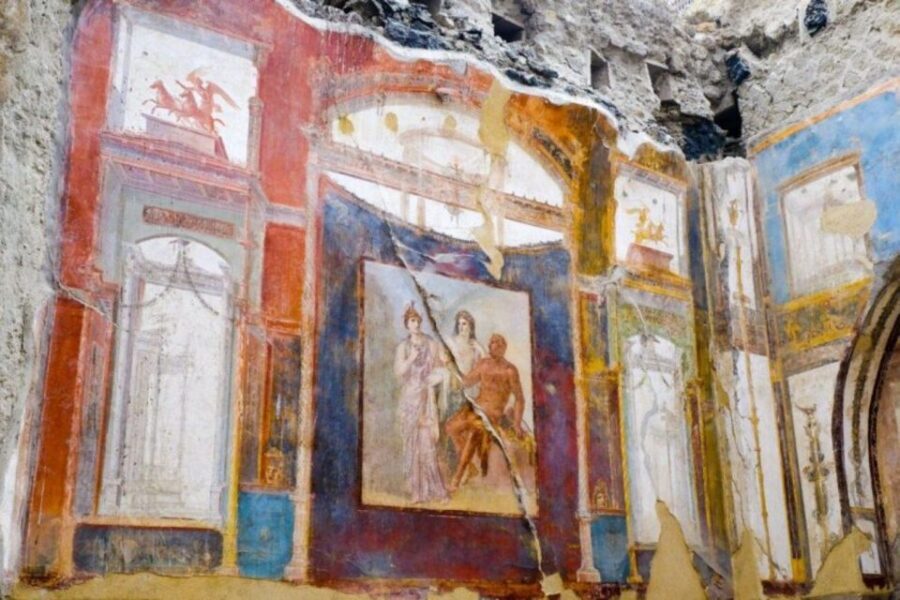
Herculaneum is smaller than Pompeii, but it can hit just as hard. This archaeological park preserves the ruins of a Roman town buried after the eruption of Mount Vesuvius in 79 AD, which means you’re not just looking at walls—you’re walking through spaces that once held daily life.
The combo ticket + audioguide matters because Herculaneum doesn’t explain itself at every step. With audio in your ear, you can understand what you’re seeing as you go: houses, villas, and mosaics aren’t just pretty stonework. They’re clues.
Other Vesuvius skip-the-line tickets and audio guides we've reviewed at Vesuvius & the Bay of Naples


Skip-the-Line Entrance + Audioguide: what you actually get for $35
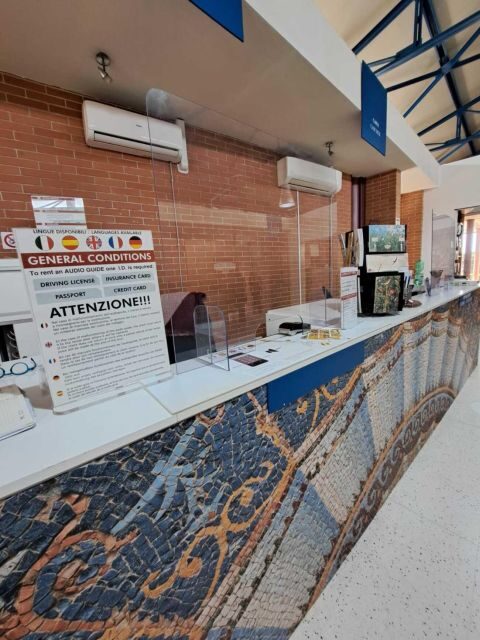
At about $35 per person, you’re paying for three things: entry, an audioguide, and a map. That’s the core value here. You’re not buying a guide’s talking time—you’re buying the freedom to move when your brain wants to move.
This works especially well if you’re short on hours. One common pain on the Amalfi Coast and around Naples is time pressure from train schedules. A self-paced format helps you prioritize. If you’re more curious about mosaics than building layouts, you can go there first and not feel stuck.
Keep one practical expectation in mind: the audioguide is a device you’ll need to pick up and return. That means the visit is flexible, but you still operate within the site’s rules about return timing and device handling.
Finding the Audioguide Desk at the Entrance (and not losing time)

Your meeting point is simple but not always obvious in real life: go to the Entrance and look for the Audioguide Desk. That’s where you’ll sort out the audioguide with your ticket.
A couple of real-world gotchas can slow you down if you’re rushing:
- If signage isn’t clear from where you land, you might circle once. Give yourself a cushion.
- If you show up right at your time window, you’ll still need a moment to get the device and orient with the map.
Once you’re holding the audioguide, the experience clicks. The audio references places using numbers on/with the map, which is a big help in a site with alleys and rooms that can blur together if you’re not tracking where you are.
Your 3-hour plan: a smart self-guided route through Roman streets
This package is set for about 3 hours, but you don’t have to treat that as a “hard stop.” It’s more like a target. The nice part is that Herculaneum’s layout is compact enough that many people can finish in roughly 2 to 3 hours—especially if you’re focused and not constantly stopping for photos.
Here’s a pacing plan you can use on the ground:
Step 1: Start by getting oriented (first 15–20 minutes)
Pick up the audioguide, take a minute with the map, and listen to the early introduction tracks. This is when you’ll learn how to read the site as you walk—what the numbered stops mean and what kind of areas you’re heading toward next.
Step 2: Walk the main circulation first (next 60–75 minutes)
Think in terms of moving through streets and passageways before you go deep into specific clusters. Roman towns are easier to understand when you know how people would have flowed from one area to another.
Step 3: Spend your middle time on the “why it matters” spaces (next 60 minutes)
This is where you’ll focus on the preserved houses, villas, and mosaics. If you tend to skim in museums, force yourself to slow down here. The emotional impact of Herculaneum comes from details—how rooms were arranged and what decoration survived.
Step 4: Finish with a second look (final 20–30 minutes)
If you have time, revisit one area you liked most. With self-guided audio, you can go back to the numbered point and re-listen to what you missed.
The advantage of this approach is control. You’re not locked into a group’s pace, and you’re not stuck listening to what someone else thought was important.
What you’ll see: houses, villas, and mosaics that explain daily life
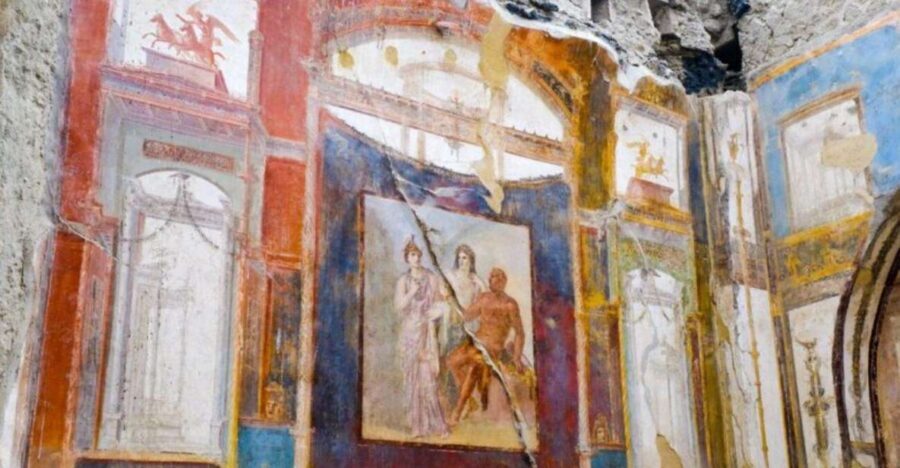
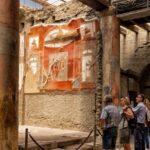
Herculaneum’s big draw is preservation. You’re seeing an ancient Roman town laid out in surviving ruins, not just fragments. The eruption buried the town in a way that kept parts of everyday life intact long enough for archaeologists to recover them.
As you walk, you can expect audio tracks to guide you through:
- Well-preserved houses and villa spaces: understand how residents lived, not just what the buildings look like
- Mosaics: listen for what the images and layout meant in daily life and interior decoration
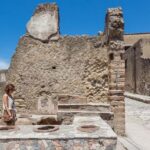
- Streets and alleys: the “how people moved” story that turns stone into a town
One theme that pops up with this kind of self-guided audio is comprehension. On-site information can be limited, so the audioguide turns the ruins into a narrated sequence. If you like to wander first and learn after, you might still enjoy this package—audio lets you switch from drifting to understanding without having to stop completely.
Other Herculaneum guided tours and tickets we've reviewed at Vesuvius & the Bay of Naples




After Pompeii or as a standalone: how to fit Herculaneum into a Vesuvio day
Herculaneum is often paired with a Pompeii visit, and it can be a smart pairing. Pompeii is huge. Herculaneum is more manageable. After a bigger site, you can come here for a slower, more intimate feeling—without losing the Roman context.
It’s also a strong option if you’re planning a broader Vesuvius day. One review specifically pointed out that combining Herculaneum with a Vesuvio trip makes for a full, efficient day. The self-guided nature helps you keep your day stitched together even if you’re dealing with transport realities.
The main planning note: the visit doesn’t come with a restaurant on site. If you want lunch or snacks, plan ahead (more on that next).
What to bring: shoes, ID for the device, and the headphone reality

There are two categories of essentials here: walking comfort and device rules.
Wear comfortable shoes
Herculaneum is a walking experience. It’s also not flat in the way many people imagine, and you’ll likely do some stairs and uneven paths. One review noted a half-mile walk downhill from the station to the site, so your legs will notice it.
Bring your ID (you need it for audioguide hire)
A valid passport or identity card is required for audioguide hire. In other words, don’t show up empty-handed.
Return the device before office closing
You’ll need to bring the audioguide back in time. Treat it like an item you can’t forget in your bag.
Headphones are not included
Hearphones/earbuds are not part of the package. If you want audio to be comfortable, bring your own earbuds/headphones so you can listen without struggling.
Some visitors also reported the audio device setup can be a little finicky if you don’t have the right gear. If your listening habits depend on Bluetooth, test your comfort level before you rely on it. At minimum, plan to use wired earbuds or whatever you already trust with a small device.
The no-café issue: plan snacks like a local
A real practical limit: there’s no café or restaurant on site. One review pointed out there are vending machines but no real place to get food or drink. That means your comfort depends on what you bring or what you can buy outside the park.
So I’d pack like this:
- Water (especially if you’re visiting in warmer months)
- A simple snack you can eat without hunting for a shop
- A light layer if weather changes
The experience runs rain or shine, so don’t assume you can wait out bad weather. You’ll still be walking.
Audio quality and language options: what to expect from the narration
The audioguide is available in Italian, German, English, French, and Spanish. That’s great if you’re traveling as a couple or small group with mixed language preferences.
In terms of content, the audioguide is widely praised for being useful because it fills in what you might not get from signage alone. Still, keep one expectation realistic: audio can vary in how polished it feels. A couple of people noted the narration could use updates or that some wording didn’t match what they expected for the site’s tone. That’s not a deal-breaker, but it can affect how smoothly you follow along.
Also, if you’re the type who likes to understand everything in a tight sequence, know this is audio-driven but self-guided. If you want constant live interpretation, this package is not that. Guided tour is explicitly not included.
Is $35 good value? Here’s how I’d judge it
Value in Herculaneum comes down to two things: time flexibility and how much context you want.
If you arrive with only a ticket, you might find it harder to connect the ruins to the story. Herculaneum needs interpretation, and the audioguide is doing that work for you. That’s why people call it invaluable. If you’re comparing the cost to a guided tour, the math changes based on your travel style. With a self-guided audio setup, you pay less for access to information and more for freedom to control your pace.
There’s also a timing trick to keep in mind: one review claimed the site is free on Sundays, but the ticket source they used didn’t reflect that correctly. I can’t promise that’s always the case, but it’s a good reminder to check the site’s official info if you’re aiming for the lowest price.
Bottom line from a value lens:
- If you want to see the site without rushing, this combo makes sense
- If you already have a strong guidebook system and don’t want audio, the value might feel less compelling
- If you forget headphones and rely on awkward setup, your experience may cost you time and patience
Who this visit fits best (and who might want something else)
This works best if you:
- Want to explore at your own pace
- Prefer audio context over a live guide schedule
- Are short on time and need a manageable visit window
- Like the idea of using a map with numbered stops
You might want a different format if you:
- Want a live guide to answer questions on the spot
- Don’t like audio devices or don’t want the extra device handling steps
- Plan to skip walking prep (comfortable shoes and a listening setup really matter here)
Should you book this skip-the-line ticket with audioguide?
Yes, I’d book it if your main goal is control and context. The biggest win is that skip-the-line entry plus an audioguide gives you a structured way to understand Herculaneum while still letting you wander. It’s also a strong pick after Pompeii or alongside a Vesuvius day because the site is compact enough to fit into real schedules.
If you’re doing it, plan ahead: bring your own earbuds, bring your ID for device hire, and arrive with a few minutes buffer to find the Audioguide Desk at the Entrance. Do that, and you’ll spend your time on the ruins—not on logistics.
FAQ
How long is the Herculaneum visit?
The duration is listed as 3 hours.
What is included in the ticket package?
You get an entry ticket for Herculaneum, an audioguide, and a map.
Is there a guided tour included?
No. This option is self-guided, and guided tour is listed as not included.
Where do I pick up the audioguide?
You need to go to the Entrance and look for the Audioguide Desk.
Do I need headphones or earbuds?
Hearphones/headphones are not included, so you’ll need your own if you want to listen.
What languages are available for the audioguide?
The audioguide is available in Italian, German, English, French, and Spanish.
What ID do I need for audioguide hire?
A valid passport, identity card, or driving licence is required for audioguide hire.
Does this activity run in bad weather?
It takes place rain or shine.
Do I need to return the audioguide device?
Yes. Devices must be returned before office closing time.
Can I cancel for a refund?
Yes. Free cancellation is available up to 24 hours in advance for a full refund.