REVIEW · POMPEI CAMPANIA
Pompeii-Herculaneum and Vesuvius Full-Day Tour
Book on GetYourGuide →Operated by MOTORENT S.R.L. · Bookable on GetYourGuide
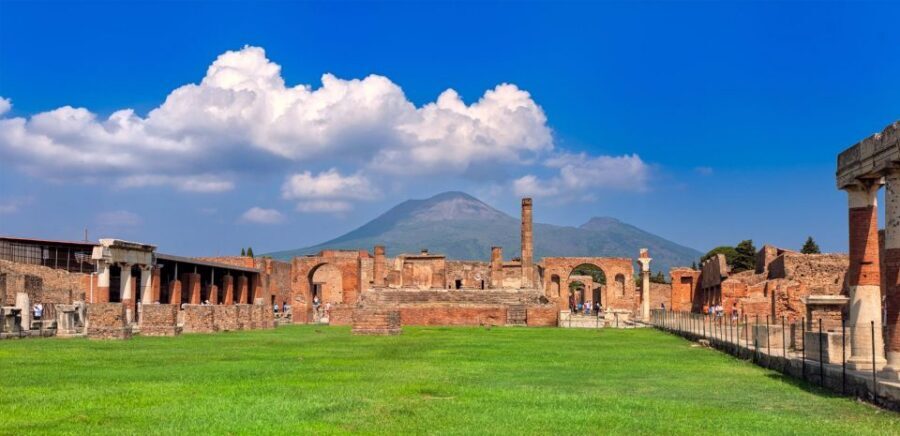
Volcanic ash froze Roman life, and you can see it fast. This full-day tour strings together three UNESCO stops—Pompeii, Herculaneum, and Mount Vesuvius—with direct transfers so you spend less time figuring out logistics and more time actually walking the sites.
Two things I’d prioritize: you get skip-the-line tickets for each major site, and you explore at your own pace with an audio guide and detailed map.
One consideration: the day is scheduled tightly, and if you use the audio equipment, you may have to return it by a set time—so you’ll want to plan your Pompeii time carefully to avoid feeling rushed.
In This Review
- Key Things to Know Before You Go
- How the Day Works: Meeting at Via Roma and Timing That Matters
- Skip-the-Line Tickets and Self-Guided Ruins (With Audio Option)
- Vesuvius National Park: What You’ll Actually Do at the Great Cone
- Ercolano (Herculaneum): Why This Roman Town Feels Different
- Pompeii Archaeological Site: Two Hours Can Be Enough If You Plan
- What to Bring (So the Ruins Stay Enjoyable)
- Transportation, Parking, and the Real Meaning of “All-In”
- Price and Value: Is $141.61 a Good Deal?
- Who This Tour Fits Best (And Who Should Rethink It)
- Practical Tips to Make Your Day Feel Worth It
- Should You Book This Pompeii–Herculaneum and Vesuvius Tour?
- FAQ
- How long is the Pompeii-Herculaneum and Vesuvius full-day tour?
- Where do we meet for the tour?
- Which sites are included in this day tour?
- Are skip-the-line tickets included?
- Is an audio guide included?
- What tickets are specifically included?
- What is not included in the tour price?
- Are large bags or luggage allowed?
Key Things to Know Before You Go
- Direct deluxe minibus transfers keep the day moving between Vesuvius, Ercolano, and Pompeii
- Skip-the-line entry helps you start seeing ruins sooner instead of waiting
- Great Cone free time gives you room to take in the view without a guided lecture pacing you
- Audio guide + map means you can stop, go back, and re-read areas at your own speed
- No large bags or luggage keeps the experience smooth for everyone
How the Day Works: Meeting at Via Roma and Timing That Matters
The day starts at Via Roma, 32. You’re picked up by a driver working in Italian and English, then you’re moved efficiently by deluxe minibus. That matters here because getting between these sites on your own can eat up hours—especially when you factor in parking and the stop-start nature of public transport.
The schedule is built around three main site blocks, with travel time between each. There’s a bus ride first (about 40 minutes) to Vesuvius, then another short transfer (about 30 minutes) to Ercolano (Herculaneum), and then another about 30 minutes to Pompeii. The practical takeaway: you’ll be walking, then sitting, then walking again—so bring shoes you can do that in comfortably.
Other Herculaneum guided tours and tickets we've reviewed at Vesuvius & the Bay of Naples
Skip-the-Line Tickets and Self-Guided Ruins (With Audio Option)
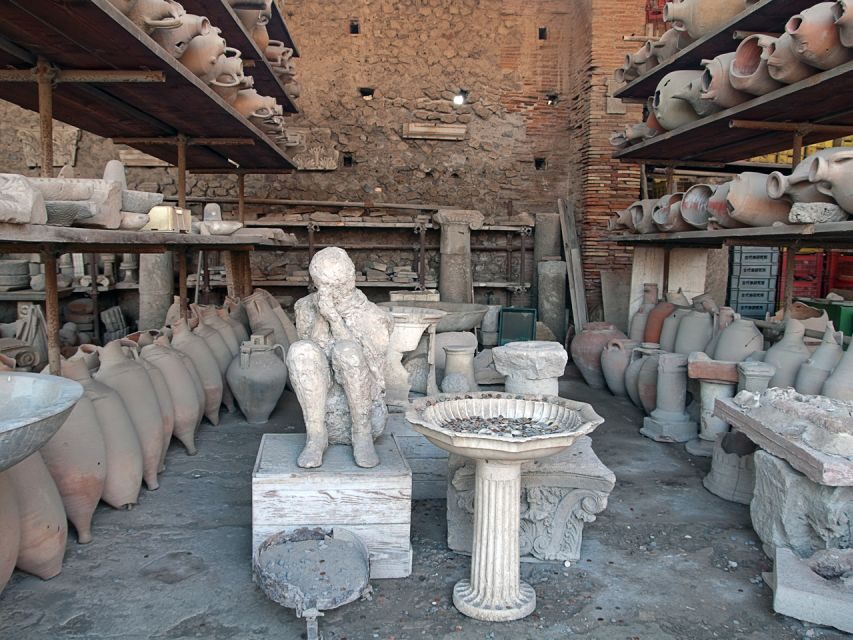
This tour’s biggest value is simple: skip-the-line access. Pompeii and Herculaneum can be time-consuming to enter, and when your day is only about eight hours, “saving time at the gate” isn’t a small perk. It’s the difference between seeing the highlights and staring at a queue.
Instead of a rigid group tour, you get an audio guide and a detailed map for self-guided exploration at the Pompeii site. That’s exactly what you want if you enjoy wandering at your own pace—pausing for a house façade, reading inscriptions, or doubling back when something catches your eye.
Here’s a practical tip based on how the audio setup works: some audio programs require you to leave an ID and return the equipment by a specific time. If you’re trying to maximize Pompeii time, ask staff about alternatives such as using a QR code instead of the audio kit. I’d rather you spend that extra hour walking main streets and key viewpoints than losing time to return procedures.
Vesuvius National Park: What You’ll Actually Do at the Great Cone
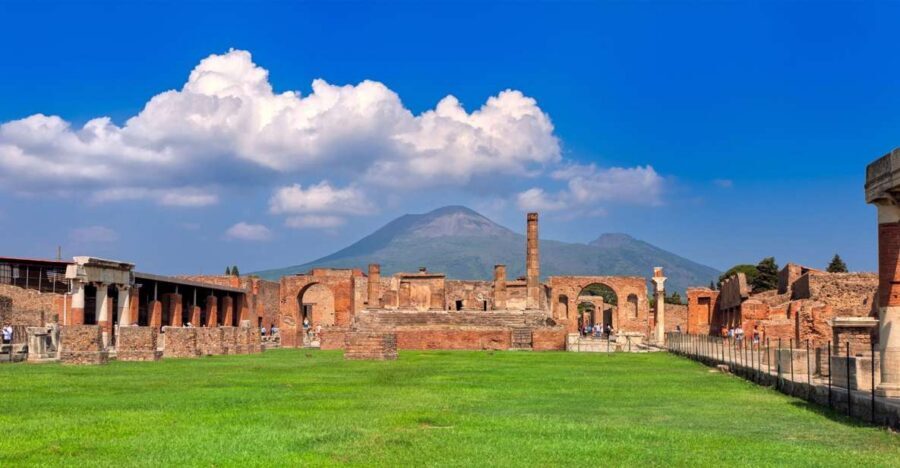
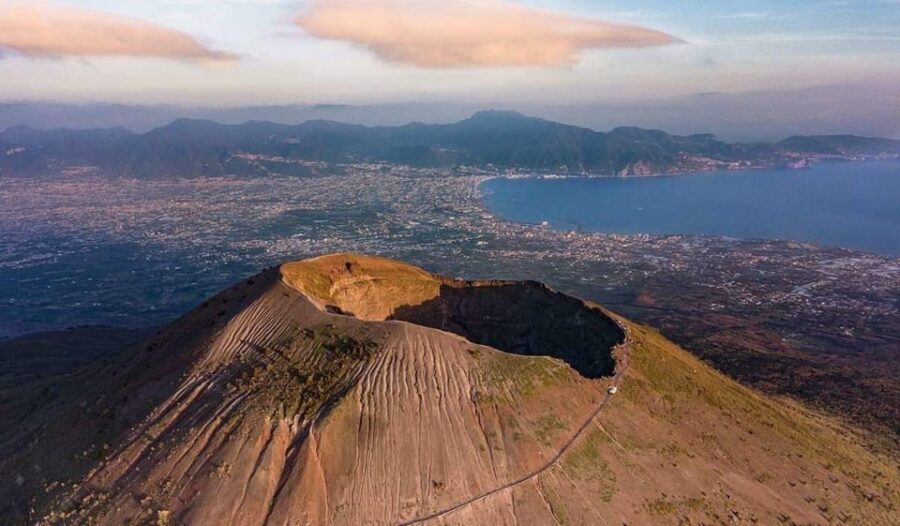
You start at Vesuvius National Park first, with about 1.5 hours on-site. The goal isn’t just to look at a mountain—it’s to experience where the disaster began. You’ll be able to ascend to the Great Cone area at your own pace, which is useful because some people want slow scenic walking while others want quicker viewpoints.
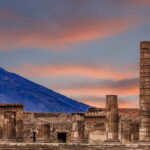
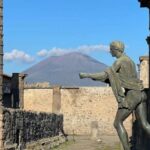
This is the moment where the whole day clicks. Pompeii and Herculaneum are preserved because volcanic material fell and buried them. Seeing Vesuvius right after the transfers gives you a clearer mental picture of how this eruption affected the surrounding Roman settlements.
A couple of practical notes for Vesuvius:
- Wear layers if weather shifts. Even on pleasant days, higher elevations can feel cooler.
- Bring a hat and plan for sun exposure. You’re outdoors most of the time up there.
- Comfortable shoes matter more than you think, since the ground and paths can be uneven.
Ercolano (Herculaneum): Why This Roman Town Feels Different

Next up is Ercolano, the modern name used for Herculaneum. You get around 2 hours here, with direct transport straight to the entrance. Herculaneum is often described as “more intact” than Pompeii, and that’s the big reason this stop is worth carving out time for.
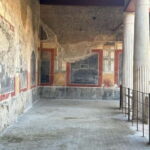
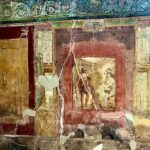
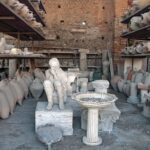
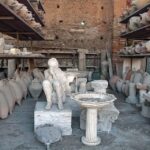
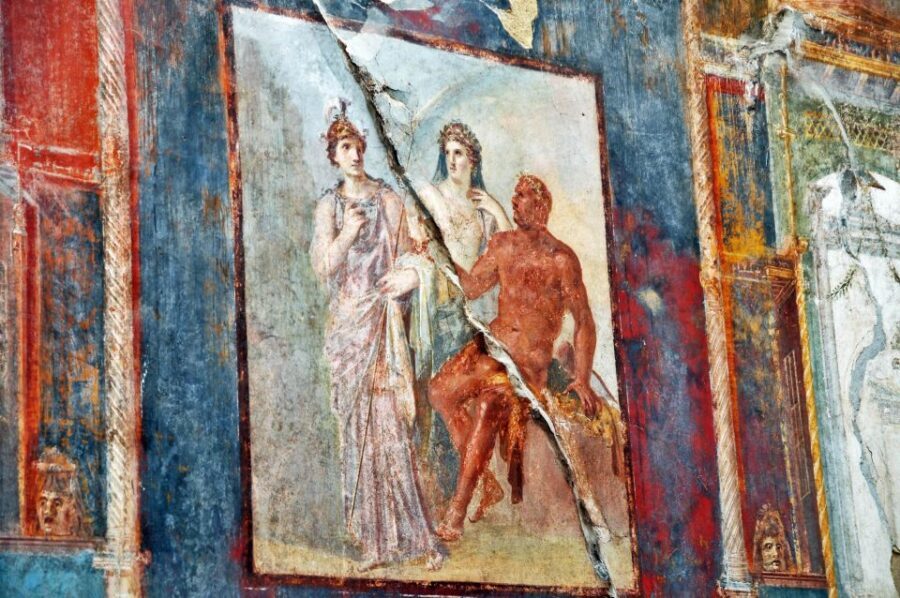
What makes it special is how preservation has survived in a way that still reads as lived-in city life. Roman wall paintings, architecture, and the overall layout can feel easier to imagine as a town where people cooked, worked, and moved through rooms—rather than only a set of ruined stone outlines.
With only two hours, you’ll want to choose your pace deliberately. If you like structure and street-level planning, take your time at major open areas first. If you love artwork, slow down where you see walls and decorative remains. Either way, don’t try to “see everything.” Pick what matches your interests and let the rest be a reason to come back.
Pompeii Archaeological Site: Two Hours Can Be Enough If You Plan

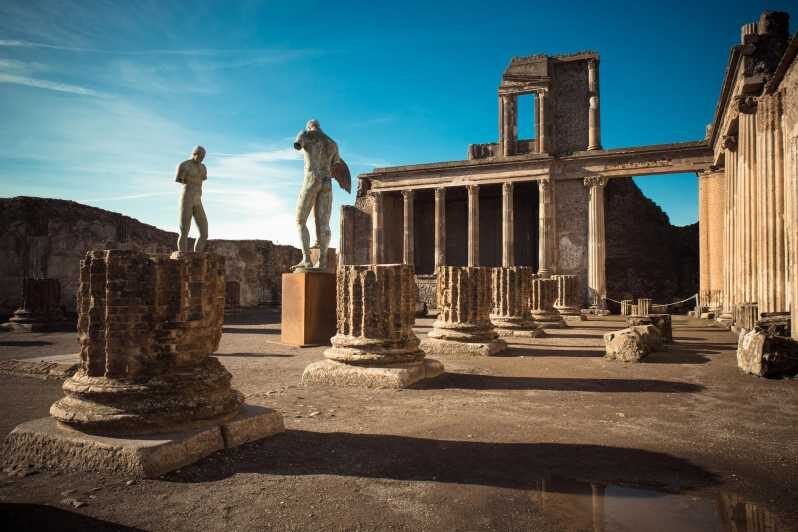
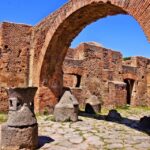
Finally, you reach the Pompeii Archaeological Site, also with about 2 hours. This is the headline stop, and it’s also the one where time pressure can creep in if you don’t handle it smartly.
You’ll enter with support before you begin. The day includes staff assistance with your itinerary plus your audio guide and detailed map for independent navigation. That’s a big advantage: you’re not guessing where to start, but you still get freedom once you begin walking.
Since your time window is tight, I’d think in “clusters,” not “checklist.” Pompeii is huge, and the main wins often happen when you group your walking:
- Start with the area that gives you the clearest sense of daily life and urban layout
- Then move toward key highlights you’re most excited about
- Use your map to confirm you’re moving in a logical loop
Also, consider your audio setup strategy. If you’re required to return the equipment by a fixed time, build your route so you’re still in Pompeii when you want to be. If timing feels unclear when you’re getting your gear, ask early about using a QR code option rather than committing to audio if it would force you to leave early.
Other full-day tours we've reviewed at Vesuvius & the Bay of Naples


What to Bring (So the Ruins Stay Enjoyable)
This tour gives you great access, but you still need to be comfortable outdoors for several hours in total. Bring:
- Passport or ID card
- Comfortable shoes
- Hat
- Comfortable clothes
And remember: large bags and luggage aren’t allowed. If you’re traveling light, good—this tour will feel easy. If you’re carrying heavy stuff, it can become annoying quickly.
Transportation, Parking, and the Real Meaning of “All-In”
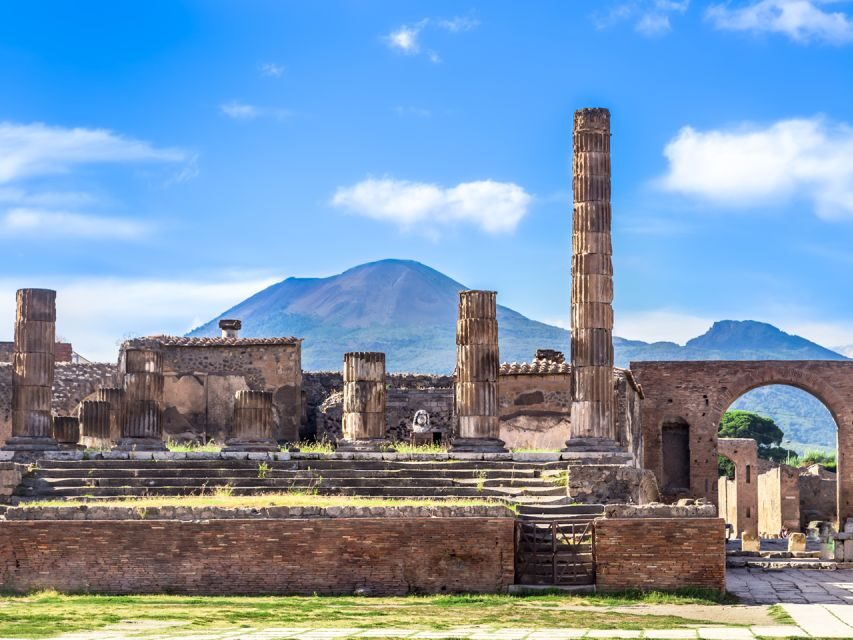
One reason this tour is worth comparing seriously is what’s covered. You’re paying for direct transfers by deluxe minibus, including parking, tolls and fuel, and the entry tickets themselves. In other words, you’re paying to avoid the smaller, annoying costs that add up when you DIY.
The limited traffic zone (Ztl) coverage is also a hidden win. In many Italian cities, access rules can slow down self-guided routes. This tour handles that so your schedule stays intact.
The “real day” experience is mostly a rhythm: ride, arrive, enter, walk, return, ride again. When transfers are handled well, that rhythm feels smooth. When transfers aren’t handled well, you lose the emotional energy you need for places like Pompeii and Herculaneum.
Price and Value: Is $141.61 a Good Deal?

At $141.61 per person for roughly eight hours, this tour looks pricey at first glance. But the value comes from what you’re actually getting for that number.
You’re paying for:
- Direct deluxe minibus transfers between all stops
- Skip-the-line entrance for Pompeii, Herculaneum, and Vesuvius
- Vesuvius National Park entrance tickets listed at €11.68
- Pompeii ruins tickets with a listed value of €20.00
- Audio/map support and staff help before Pompeii entry
- Parking, Ztl, tolls, and fuel
Food and beverages aren’t included, so you’ll want to plan for lunch on your own. Still, when you add up entrance time savings plus the hassle-free transport, the price starts to make sense—especially if you’re not eager to coordinate transit, parking, or ticket timing yourself.
If you’re the type who gets stressed by logistics, this is one of those days where paying more can actually mean paying less mental energy.
Who This Tour Fits Best (And Who Should Rethink It)
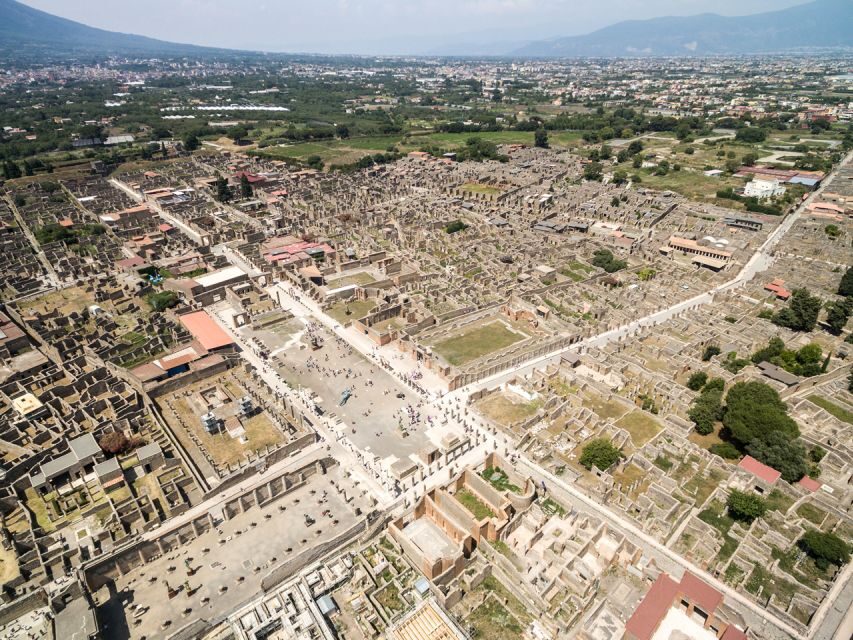
This tour is a good match for you if you:
- Want skip-the-line access at major sites
- Prefer a self-guided pace with audio/map support
- Like the idea of starting at Vesuvius to connect the eruption to what you see below
- Don’t want to wrestle with transport and parking across three separate destinations
It may not be ideal if you:
- Need extra time that the schedule doesn’t give you (Pompeii and Herculaneum are both big)
- Travel with large luggage (not allowed)
- Have mobility constraints—this isn’t described as suitable for people with mobility impairments
Practical Tips to Make Your Day Feel Worth It
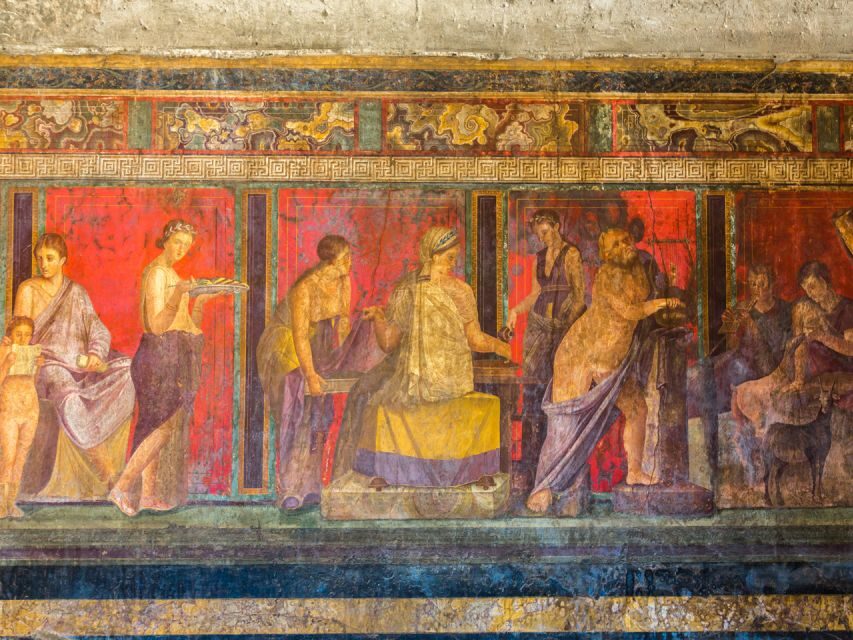
Here are the small moves that can keep the day from feeling like a rushed drive-by:
- Plan your Pompeii strategy before you enter. Know what you want most so you can move efficiently once inside.
- Think ahead about audio return timing. If the audio requires leaving an ID and returning equipment by a deadline, ask whether there’s a QR code alternative so you can keep your time where it matters.
- Wear shoes you can trust. All the walking isn’t just on flat museum floors.
- Bring sun protection. Hat helps for Vesuvius and open areas.
- Don’t aim for total coverage. Two hours at each major site is enough for highlights if you choose well.
Should You Book This Pompeii–Herculaneum and Vesuvius Tour?
If you want the best version of Pompeii and Herculaneum without spending your day solving transport problems, I think this tour is a strong choice. The combo of direct deluxe transfers and skip-the-line tickets is what makes the experience feel efficient instead of exhausting.
I’d book it if your priority is: see the big highlights, connect them to the eruption on Vesuvius, and enjoy ruins at your own pace with audio/map help. I’d reconsider if you’re the kind of traveler who needs long, slow wandering for every zone—because the schedule is built for moving between three major stops.
FAQ
How long is the Pompeii-Herculaneum and Vesuvius full-day tour?
The tour duration is 8 hours.
Where do we meet for the tour?
The starting point is Via Roma, 32.
Which sites are included in this day tour?
You visit Vesuvius National Park (Great Cone), Ercolano (Herculaneum), and the Pompeii Archaeological Site.
Are skip-the-line tickets included?
Yes. Skip-the-line entrance tickets are included for Pompeii, Herculaneum, and Vesuvius.
Is an audio guide included?
Yes. The tour includes an audio guide and a detailed map for independent visits, with audio available in Chinese, English, French, Italian, Portuguese, Russian, Spanish, German, and Hebrew.
What tickets are specifically included?
Entrance tickets are included for Pompeii ruins (listed value €20.00) and Vesuvius National Park (listed €11.68), and skip-the-line tickets are also included for Herculaneum.
What is not included in the tour price?
Food and beverages are not included.
Are large bags or luggage allowed?
No. Luggage or large bags are not allowed.