REVIEW · POMPEI CAMPANIA
Pompeii & Herculaneum Tour with an archeologist
Book on GetYourGuide →Operated by Around Amalfi Coast · Bookable on GetYourGuide
Vesuvius was not a single disaster. It hit Pompeii and Herculaneum in the same moment, then left two totally different ruins—so the story lands fast. I like that this tour walks you through the political heart of Pompeii (the immense Forum) and then shifts to Herculaneum’s better-preserved streets and buildings, where upper floors and everyday details survive.
I also like the human side of the guiding: you’re with a specialist archaeologist, not a general sightseeing host. That matters because you’ll get the practical “how to read the ruins” stuff, like what’s preserved, what’s missing, and why the damage looks different between the two towns.
One thing to consider: entry tickets are not included, and at this price that can feel like a punch-in-the-budget if you forget to plan for it.
In This Review
- Key Points You’ll Care About
- Pompeii and Herculaneum: One Eruption, Two Very Different Cities
- Forum of Pompeii: Where Public Life and Business Turned
- Pompeii’s Streets With an Archaeologist Guide: Learning to Read the City
- Herculaneum First Impression: A Holiday Town You Can Still Feel
- Casa del Salone Nero and Casa Sannitica: Houses That Make Preservation Personal
- Mosaics, Charred Furniture, and the Details You Actually Remember
- Thermal Baths in Herculaneum: Roman Recreation, Not Just Ruins
- Skip-the-Line Access and a Small Group Pace (Up to 8)
- Price and Tickets: Where the Value Comes From (and the Surprise to Avoid)
- Meeting Point and Where the Tour Ends
- Who This Tour Fits Best (and Who Might Want Something Different)
- Book It or Skip It: My Decision Guide
- FAQ
- How long is the Pompeii & Herculaneum tour?
- What is the group size?
- Is the tour guided in English?
- Are entry tickets included in the price?
- Where do we meet, and where does the tour end?
- Is entrance free on the first Sunday of the month?
- Should You Book This Pompeii and Herculaneum Tour?
Key Points You’ll Care About
- Forum time first: start at Pompeii’s political and commercial center, then fan out into the streets.
- Herculaneum is the better-preserved show: you’ll see standing upper floors in houses like Casa del Salone Nero and Casa Sannitica.
- Small group, up to 8: you get a slower pace and more room for questions in two major sites.
- Skip-the-line via separate entrance: it helps you spend less time waiting and more time looking closely.
- Charred-but-intact details: mosaics and even furniture preservation show what survived the eruption.
- Thermal baths stop: you’ll connect Roman leisure and recreation to what you’re seeing on the ground.
Pompeii and Herculaneum: One Eruption, Two Very Different Cities
You’re covering two UNESCO-level sites that feel like cousins, not twins. Yes, both were buried in AD 79 when Vesuvius erupted. But the results aren’t the same, and this tour is built to make you notice that difference.
Pompeii often hits you with scale: large streets, big public spaces, and the sense of a city you could get lost in quickly. Herculaneum hits you with clarity. It’s often described as a jewel of archaeology, and the reason is simple: more of it remains standing and readable, including parts of elegant homes and interior spaces that help you imagine daily life.
What you’ll get from a specialized archaeologist guide is the “why.” Not just facts, but how to interpret damage, preservation, and layout. That turns a walk through stone and rubble into something you can actually understand.
Other Herculaneum guided tours and tickets we've reviewed at Vesuvius & the Bay of Naples
Forum of Pompeii: Where Public Life and Business Turned
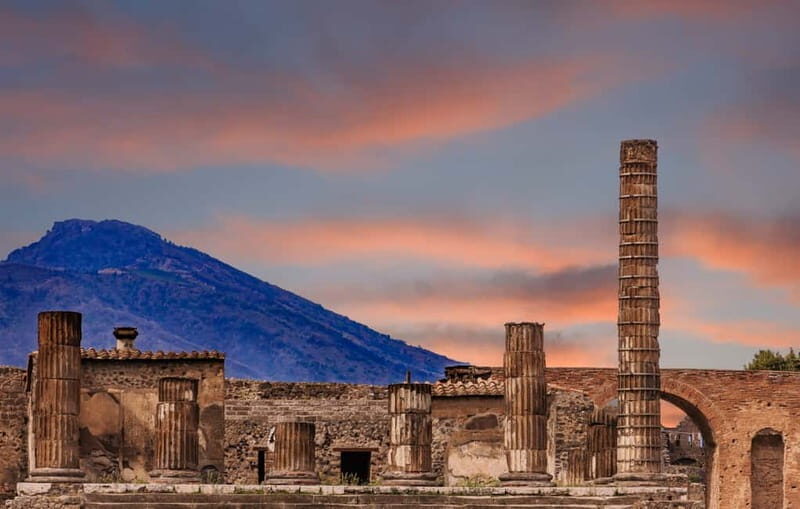
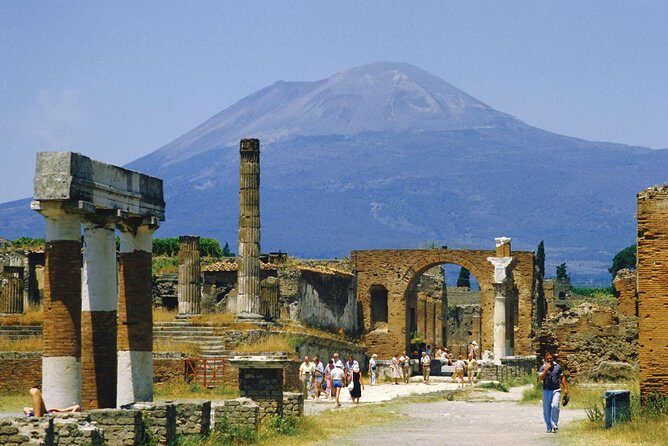
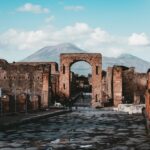
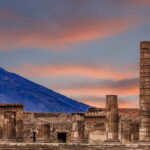
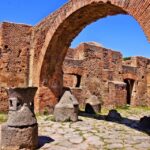
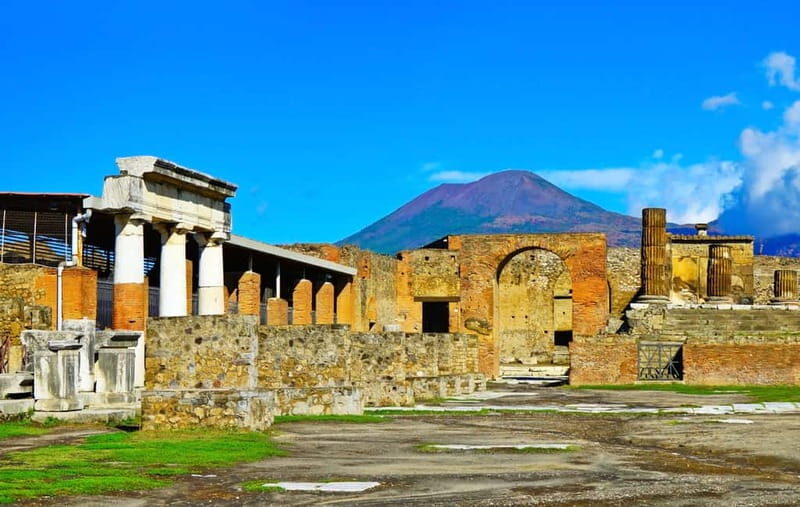
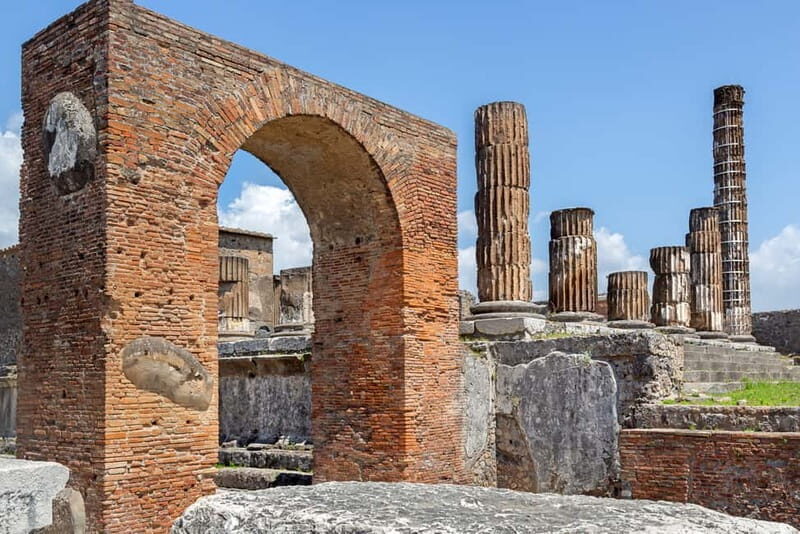
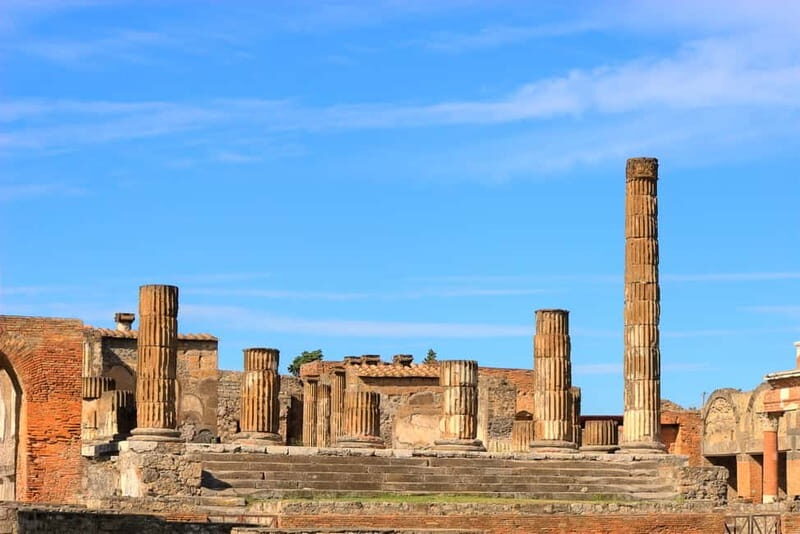
The tour begins in Pompeii and leads you first to the Forum, the city’s center of political and commercial activity. This is the right starting point because the Forum gives you reference points. Before you wander side streets, you understand what kind of place you’re in.
From there, you’ll move into a dense network of streets. This is where the tour’s format really helps: you’re not just being shown highlights; you’re guided to connect the public spaces to the daily routes between them. I like this approach because Pompeii’s size can make people feel like they’re collecting random stops. Starting at the Forum cuts through that.
Practical note: Pompeii is a walking experience. Expect uneven ground and lots of standing time as you orient yourself and take in architectural details. If you’re someone who gets tired in long museum-style standing, plan your energy accordingly.
Pompeii’s Streets With an Archaeologist Guide: Learning to Read the City
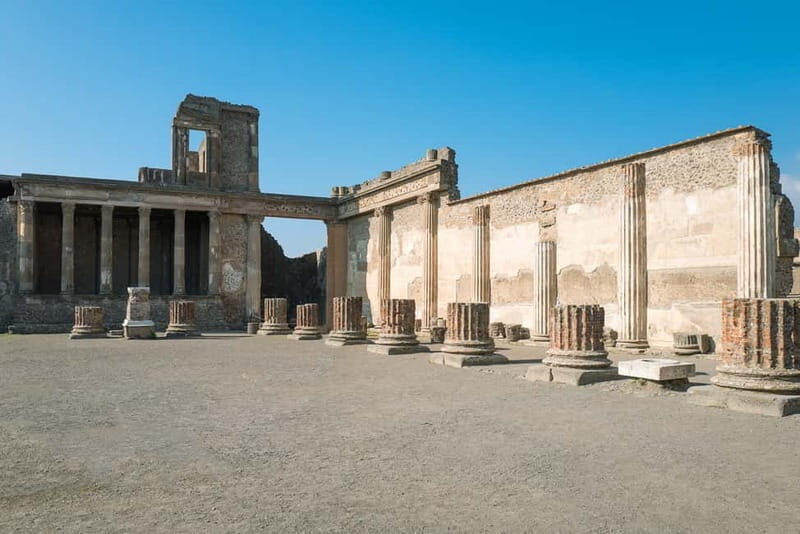
After the Forum, you’ll keep walking through Pompeii’s streets with your archaeologist guide. This is not just “here’s a wall” sightseeing. The value is in how the guide ties scenes together—what the street layout suggests, how buildings relate to each other, and what Vesuvius’ impact changed.
A good archaeologist-led walkthrough helps you stop treating ruins like set decoration and start treating them like evidence. You begin to notice preservation patterns: what seems to have survived in one area and not another, and how that shapes what you can learn there.
If you’re lucky enough to have a guide like Maria (mentioned as delivering really interesting, very strong knowledge of the places), you’ll likely find the history comes alive in a grounded, site-specific way. The best guides don’t just talk; they point your eyes to what matters, then explain what you’re seeing.
Herculaneum First Impression: A Holiday Town You Can Still Feel
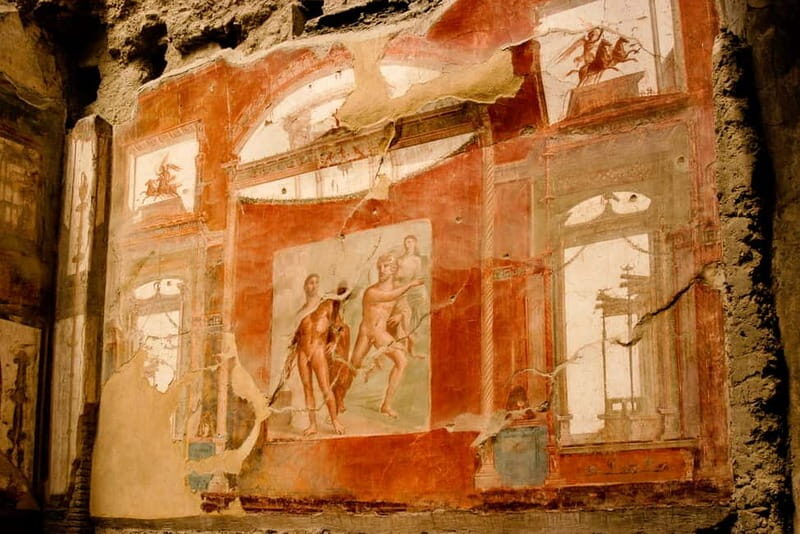
Next comes the shift to Herculaneum. If Pompeii can feel like an “everyday city,” Herculaneum often reads like a “holiday retreat”—especially for the rich people of Rome. It overlooked the sea, and that idea adds a layer to what you’re seeing now.
Herculaneum is often described as better preserved than Pompeii, and this isn’t marketing fluff. The tour is designed around specific examples of that preservation, including houses where upper floors of elegant buildings remain standing. That’s a huge deal because it changes how you imagine the past. You can visualize multiple levels of domestic life instead of looking only at ground-floor fragments.
You’ll get a guided comparison of both cities, even though they were buried by the same eruption. The contrast helps you understand that disaster impact isn’t one-size-fits-all. It’s an important lesson, and it makes your visit feel less like repetition and more like a real “two-city study.”
Casa del Salone Nero and Casa Sannitica: Houses That Make Preservation Personal
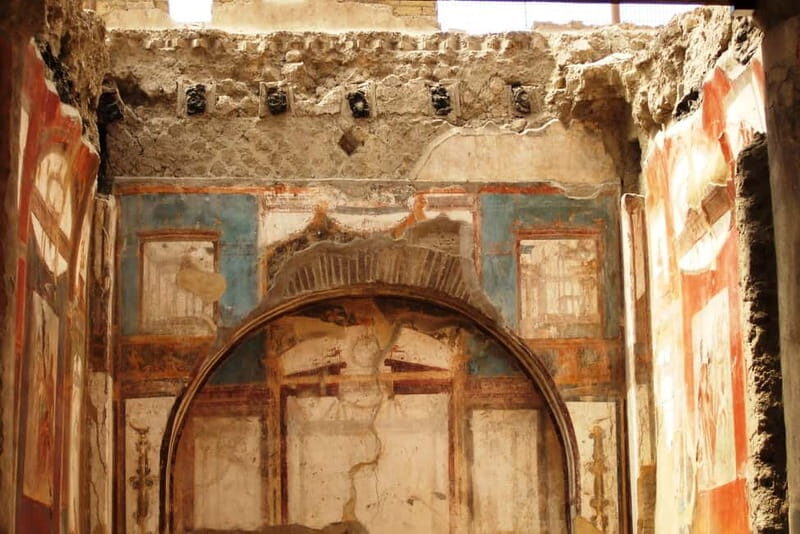
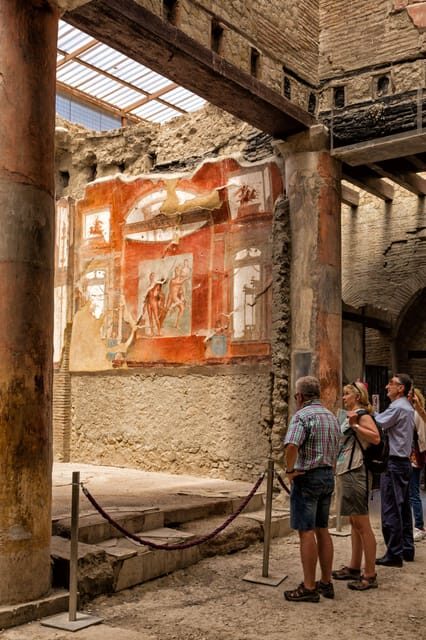
In Herculaneum, you’ll visit standout residential spaces, including Casa del Salone Nero and Casa Sannitica. These are the kind of stops that work because they show you more than exterior walls.
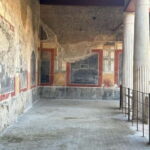
At these houses, you’ll see upper floors of elegant buildings that have remained standing. That means you’re not only looking at where rooms once existed; you’re seeing parts of the vertical structure that help explain how the home functioned.
This is also where your guide’s explanations can change your viewing. If you listen for details like room use, layout, and decorative choices, the houses start to feel less like archaeological specimens and more like places people lived in. That’s what makes the preservation feel real.
One more thing: since this is a small-group tour (limited to 8), you’re less likely to feel rushed through doorways and corridors where you’d normally need to squeeze for a look.


Mosaics, Charred Furniture, and the Details You Actually Remember
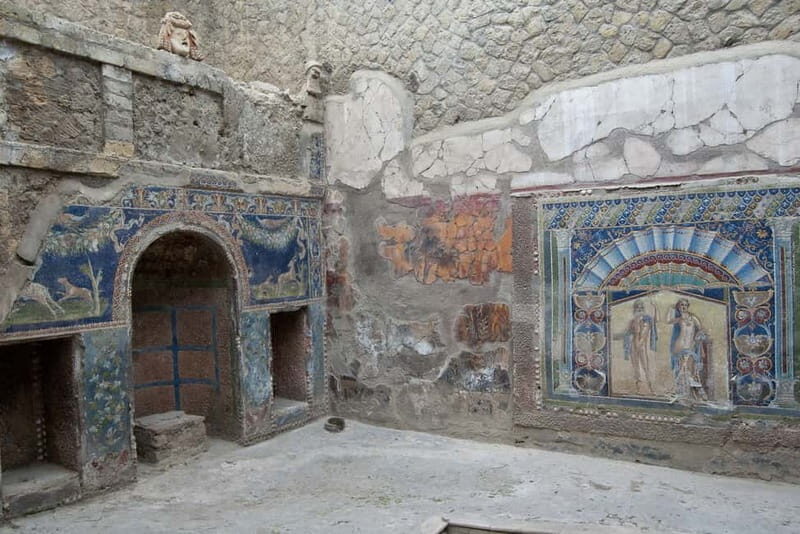
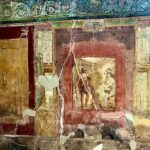
The most memorable part of Herculaneum for many people is the mix of beauty and survival. You’ll likely spend time on beautiful mosaics and on charred objects that remain startlingly intact, including furniture.
This is the part that sticks because it hits the senses. Mosaics tell you about taste and skill—how people wanted their spaces to look. Charred furniture and preserved interiors add another layer: not just aesthetics, but the human reality of what was happening when life was interrupted.
Your archaeologist guide can help connect this to the Vesuvius story. Instead of treating the eruption as a single dramatic event, you learn how the conditions affected what lasted. That’s the difference between a picture-perfect ruin and one that tells a credible, specific story.
Thermal Baths in Herculaneum: Roman Recreation, Not Just Ruins
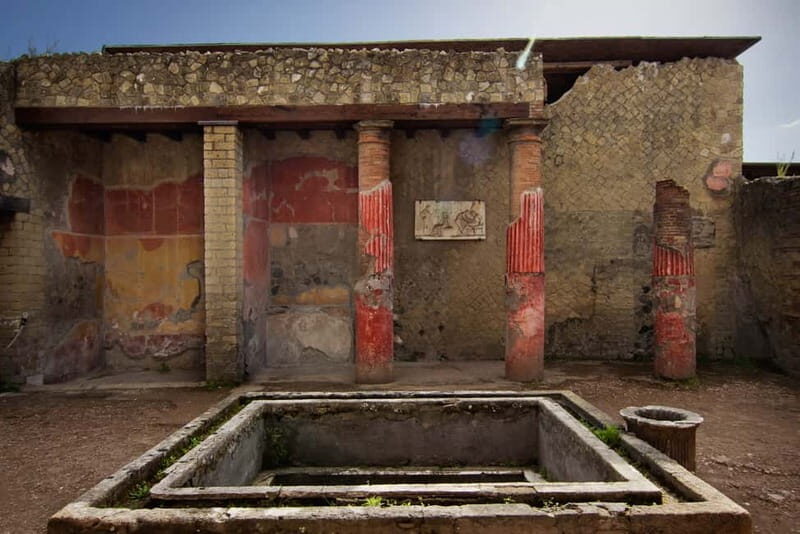
The tour also includes the thermal baths in Herculaneum. This stop matters because it moves you from domestic life to recreation and routine social culture.
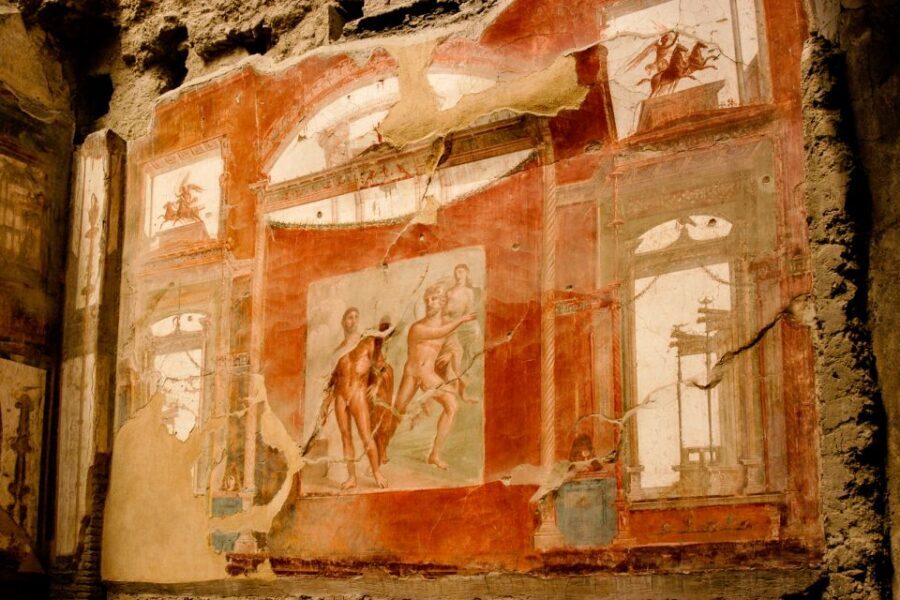
Roman bathing wasn’t only about hygiene; it was also a social rhythm. You’ll learn about recreational bathing culture as you admire the fine decorations perfectly preserved. Even if you don’t obsess over ancient engineering, baths are readable. You can understand the purpose of each area, then link it to what your guide explains.
This is also where the tour’s pacing works. After walking through houses and streets, the baths feel like a change of pace without leaving the site’s narrative. You end up with a fuller picture of a daily-life schedule—home, leisure, social time—before the tour concludes.
Skip-the-Line Access and a Small Group Pace (Up to 8)
A big practical win here is that you get skip-the-line access through a separate entrance. For two busy sites, that can mean real time savings, especially on peak days.
The small group size—limited to 8—also changes how the experience feels. Pompeii and Herculaneum can attract crowds, and with a compact group you’re more likely to keep your bearings during moving sections. It’s easier to follow a guide’s directions and easier to hear explanations without constantly turning your head.
The tour runs about 5 hours, so the schedule is intentionally tight. You won’t have endless time to wander solo. Instead, you get guided context that helps your wandering turn into understanding.
Price and Tickets: Where the Value Comes From (and the Surprise to Avoid)
The price is $993.72 per group (up to 8) for a 5-hour tour. That’s not cheap, but you are paying for a specialized archaeologist guide plus a guided route across two major sites with skip-the-line access.
Here’s the value logic I’d use: this kind of tour costs money because it saves you from a common problem. When you visit Pompeii and Herculaneum alone, you can end up with “I saw buildings” rather than “I understand why these buildings matter.” With an archaeologist guide, you’re buying interpretation—how to read preservation differences, how to connect the Forum to the streets, and how to make Herculaneum’s intact details feel meaningful.
Now the important caution: entry tickets are not included. One review highlighted that this was a bad surprise at the group’s price point. So before you book, check the total cost with tickets added. This is the simplest way to protect your budget.
Also note the pickup/drop-off info is listed in a slightly confusing way: it appears as included in one place and not included in another. Since you don’t want to guess and show up at the wrong time, confirm pickup and drop-off details directly when you reserve.
Meeting Point and Where the Tour Ends
You’ll meet at Coffee Shop Vittoria. The activity ends back at the meeting point. That’s useful because it reduces stress at the end of a long day—no extra transit plan needed after your last stop.
The tour language is English, and it’s live-guided. There’s also wheelchair accessibility listed, which can matter for planning at large outdoor sites like Pompeii and Herculaneum.
As always, expect plenty of walking. Even with accessibility notes, outdoor ruins usually mean uneven surfaces and time on your feet.
Who This Tour Fits Best (and Who Might Want Something Different)
This is a strong match if:
- you want a guided comparison of Pompeii vs Herculaneum instead of two separate ticket-and-wander visits
- you care about what preservation can teach you about the eruption impact
- you prefer small-group pacing with an archaeologist guide
- you like seeing specific places like the Forum, Casa del Salone Nero, Casa Sannitica, and the thermal baths rather than a vague highlights loop
It might be less ideal if:
- you hate paying extra for entry tickets after you’ve already booked
- you want long free time to roam without guidance
- you’re looking for a shorter “quick hits” tour (this is built around a 5-hour arc)
Book It or Skip It: My Decision Guide
I’d book this tour if you want Pompeii and Herculaneum to feel connected by explanation, not just by geography. The archaeologist-led comparison is the big reason to pay for a guided format—especially the way you’ll see why Herculaneum often feels more readable and intact than Pompeii.
I’d think twice if your budget is tight and you don’t want to manage ticket costs on top of the tour price. If you go ahead, plan for entry tickets and confirm pickup/drop-off details up front so you don’t lose time or money.
If your goal is to leave with a sharper sense of what Vesuvius did to these places—and what you can still learn today—this one is built for that.
FAQ
How long is the Pompeii & Herculaneum tour?
The tour lasts 5 hours.
What is the group size?
It’s a small group limited to 8 participants.
Is the tour guided in English?
Yes, the live tour guide is English.
Are entry tickets included in the price?
No. Entry tickets are not included.
Where do we meet, and where does the tour end?
You start at Coffee Shop Vittoria and the tour ends back at the meeting point.
Is entrance free on the first Sunday of the month?
On the first Sunday of each month, entrance is free of charge, but tickets can’t be reserved ahead of time, so entry isn’t guaranteed.
Should You Book This Pompeii and Herculaneum Tour?
If you want Pompeii and Herculaneum to make sense as a pair, book it. The combination of a Pompeii Forum start, a focused Herculaneum route (including houses and thermal baths), and an archaeologist guide is exactly what turns “wow, ruins” into real understanding. Just add the missing entry tickets to your budget and confirm pickup/drop-off details before you commit.