REVIEW · POMPEI CAMPANIA
From Amalfi: Pompeii and Mount Vesuvius Private Day Trip
Book on GetYourGuide →Operated by Tastethexperience · Bookable on GetYourGuide
Volcano history gets real fast. You’ll see Pompeii frescoes preserved by catastrophe, then connect it to why Vesuvius shaped life here for centuries. I love how this private format keeps the story moving—Pompeii is studied on the ground, and Vesuvius turns those ruins into something you can almost picture. The main thing to watch is how much walking you’ll do once you’re up near the crater.
What really shines is the pairing: an archaeologist-led Pompeii visit followed by a licensed Vesuvius guide who explains eruptions in plain language. A small drawback is that key costs—entry tickets for Pompeii and Vesuvius—aren’t included, so you’ll want to budget those on top of the tour price.
In This Review
- Key highlights worth planning for
- Private hotel pickup and the Amalfi-to-Pompeii flow
- Pompeii with an archaeologist: frescoes, streets, and why it sticks
- Vesuvius National Park: the meaning behind “silence since 1944”
- The crater visit and the 1,200-meter climb: views over the Gulf
- Lunch and the break window: how to get the most out of downtime
- Price and value: what you’re paying for (and what you aren’t)
- Who this tour fits best on the Amalfi Coast
- Final verdict: should you book this Amalfi Pompeii and Vesuvius day trip?
- FAQ
- How long is the day trip from Amalfi to Pompeii and Mount Vesuvius?
- Where is hotel pickup available?
- Is Pompeii guided, and who guides it?
- How long do you spend at Pompeii and at Vesuvius?
- Are entry tickets included for Pompeii and Mount Vesuvius?
- Is the Vesuvius guide included?
- What’s the lunch situation?
- What should I bring?
- Is free cancellation available?
Key highlights worth planning for
- Pompeii with an archaeologist guide: not just big sights, but the details that make the site feel lived-in
- Skip-the-line entry via a separate entrance, saving time in peak hours
- Vesuvius from the “silence since 1944” angle: what that means, and what you can still learn from the mountain
- A real climb: going up roughly 1,200 meters, with views over the Amalfi Coast and Gulf of Naples
- Myths and meaning: you’ll connect the area to the idea of a residence of gods
- Private, hotel-based touring: pickup and drop-off from major spots like Amalfi, Positano, Sorrento, Naples, and Salerno
Private hotel pickup and the Amalfi-to-Pompeii flow
This tour is built around one big stress reducer: you get private transportation with pickup and drop-off from your hotel. That matters on the Amalfi Coast because getting yourself to Pompeii and back on your own can turn into a day of transfers, parking stress, and timing games.
You’ll usually start with a driver who stays with your group for the day, then introduces you to the Pompeii guide. In some groups, the driver role feels more like a second guide too—there’s storytelling in the car, plus calm, experienced driving that helps you arrive without feeling rushed. English guidance is handled by the live guides at each main stop, so you’re not stuck translating on your own.
The itinerary is paced for a day trip: enough time to actually walk Pompeii with a guide, then time for the park and crater area at Vesuvius. There are a couple of van stretches, plus a built-in break for lunch. If you get motion-sick easily, it’s worth knowing there are those ride segments, though the day is still structured to avoid feeling like you’re always in transit.
Other Pompeii and Vesuvius combo tours we've reviewed at Vesuvius & the Bay of Naples
Pompeii with an archaeologist: frescoes, streets, and why it sticks
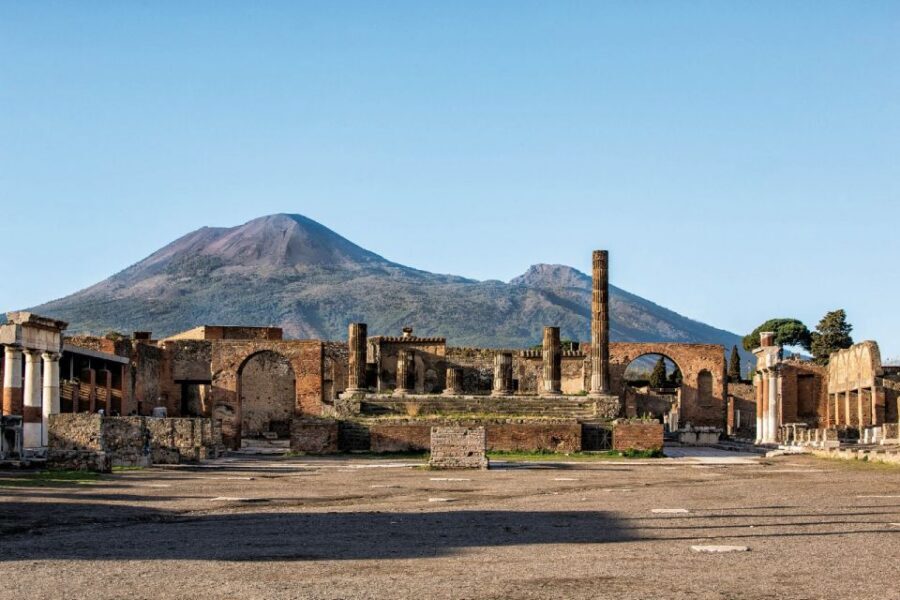
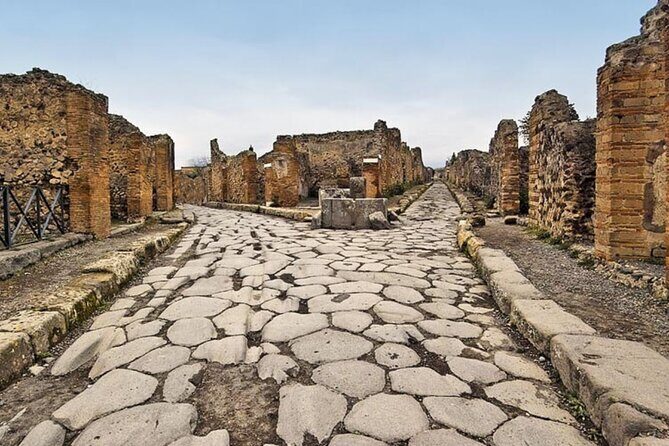
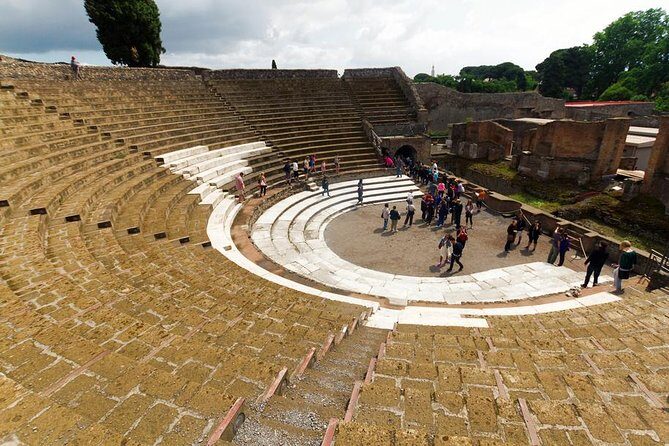
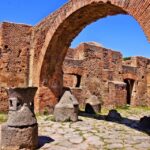
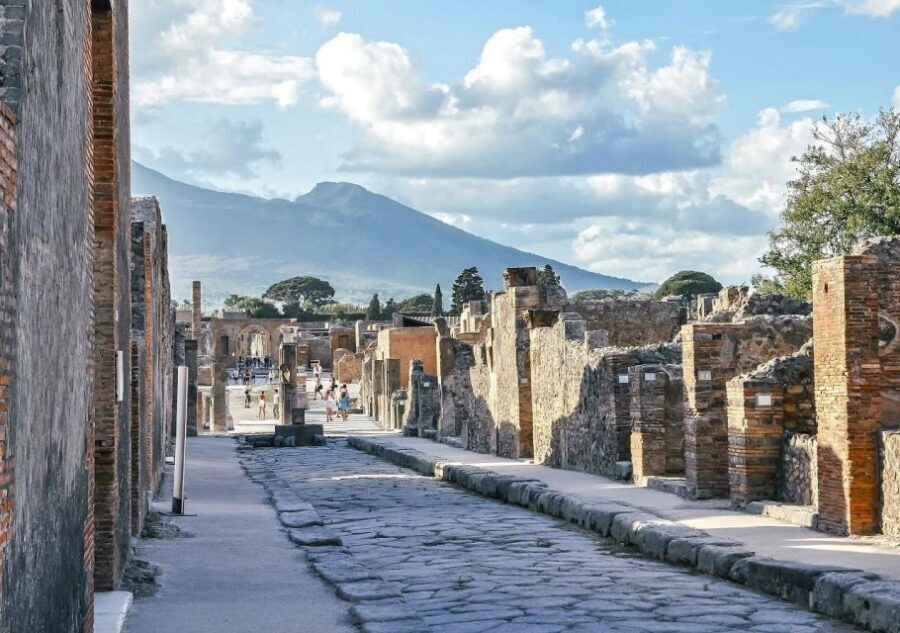
Pompeii is one of those places where people either sprint through, or they slow down and start noticing. This tour leans toward the second option. You’ll get a guided Pompeii visit led by an archaeologist, and it’s designed around understanding what you’re seeing rather than just ticking off famous spots.
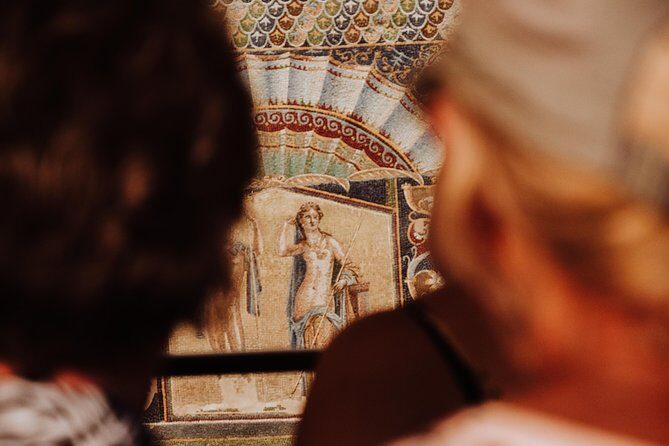
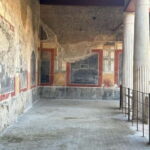
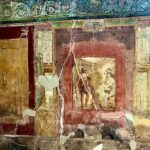
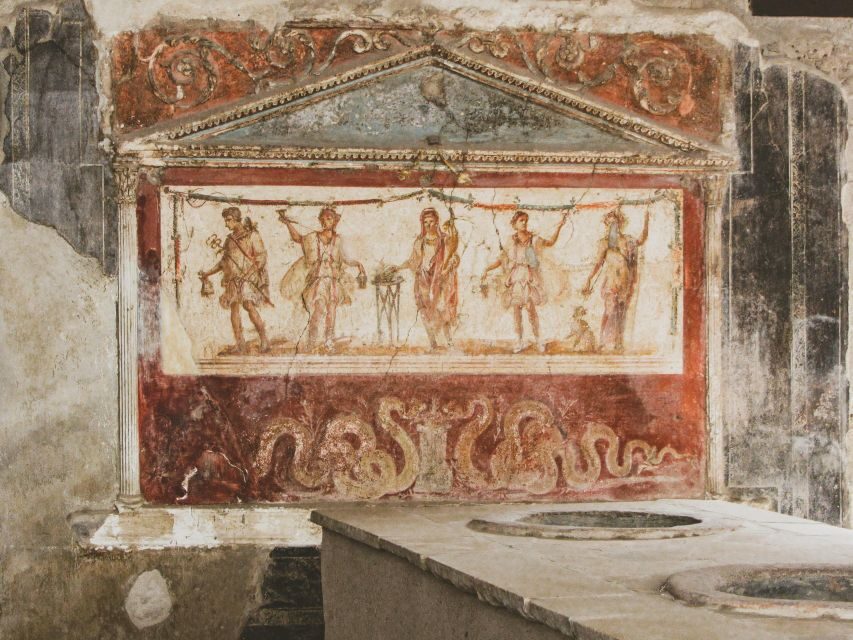
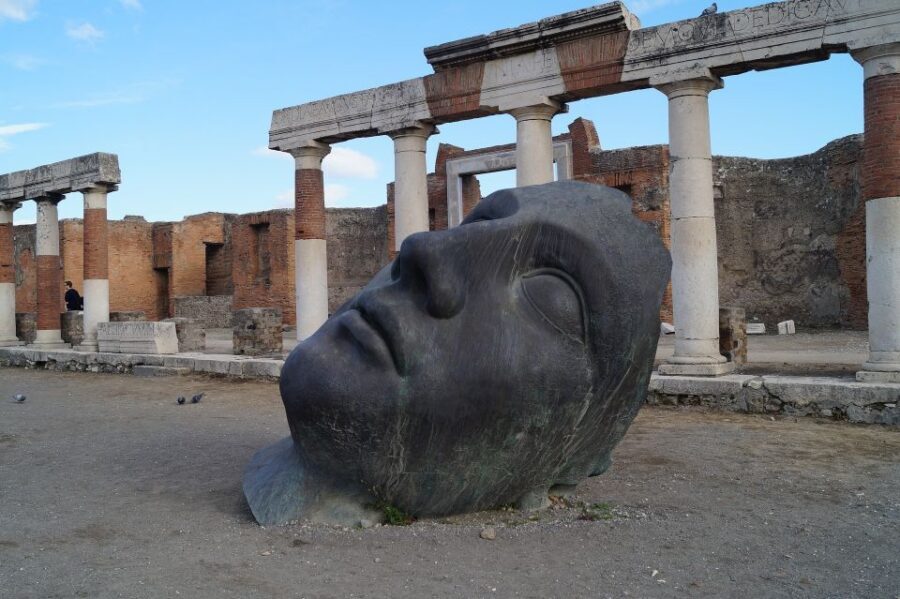
Two things I’d focus on if you’re deciding whether this is for you: the frescoes and the sheer clarity of daily life. The remains aren’t just impressive—they’re visually specific. You’ll see how artwork survived the eruption better than you might expect, which gives you a stronger sense of what these homes were like before the disaster. It also helps that an archaeologist guide can explain patterns: where people lived, how spaces functioned, and why certain details matter.
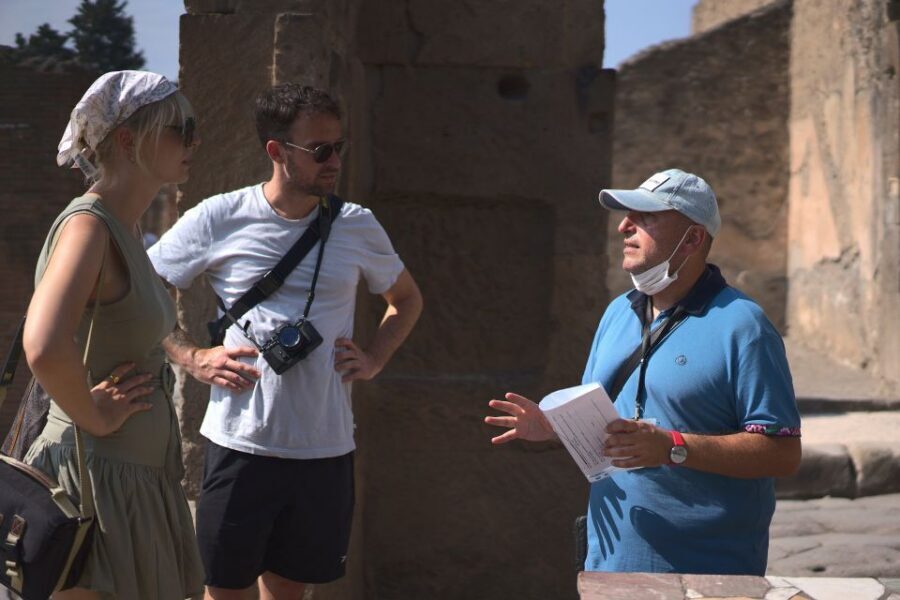
The other “wow” factor is how the guide helps you connect the ruins to human reality. Some guides have a knack for pointing out small features and using them to tell stories in a relaxed way. One example from real guide styles you might experience: Manuela’s approach has been praised for showing details not usually highlighted in standard documentaries and travel media. That kind of guidance can change Pompeii from impressive to unforgettable.
How it plays out for you on the ground: expect about two hours of guided time in Pompeii. It’s enough to see major areas with context, but it’s not so long that you’ll feel dragged. The key is to wear shoes that can handle uneven ground and plan to keep your head up—Pompeii rewards attention, not speed.
Potential drawback? Pompeii can feel crowded at peak hours, even with separate entrance flow. Having skip-the-line helps, but you’ll still be in a busy historic site. If you hate crowds, aim for early visiting times when you can.
Vesuvius National Park: the meaning behind “silence since 1944”
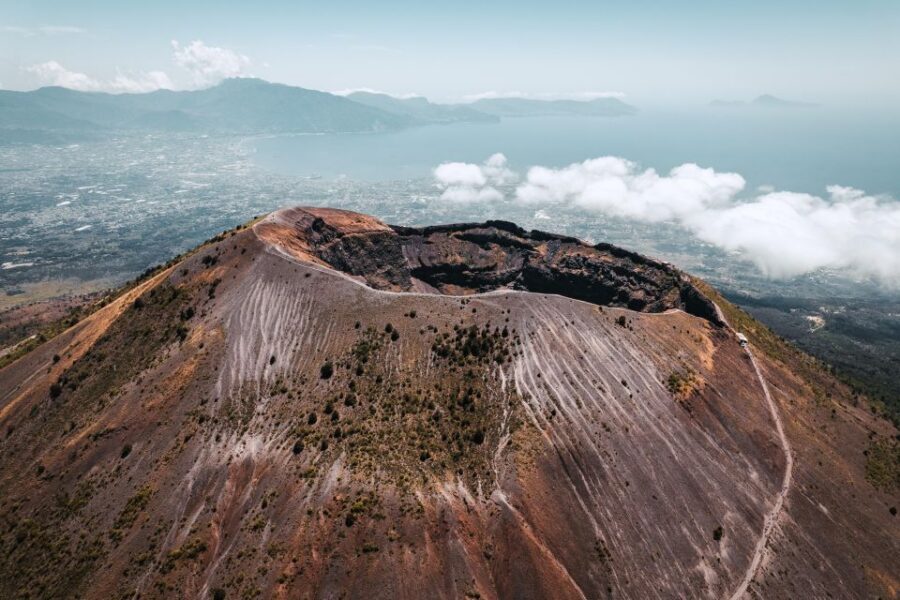
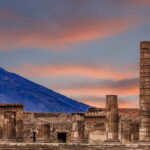
After Pompeii, you shift from city ruins to a living volcano shaped by modern history. The Vesuvius stop includes time in Vesuvius National Park (about 1.5 hours), and that framing matters. The tour emphasizes one specific idea: Vesuvius has been in silence since 1944. That doesn’t mean it’s gone forever—it means your visit comes with a reminder of risk, science, and the tension between beauty and danger.
This is where the myth piece fits too. The area is tied to the idea of a residence of gods, and the guide’s job is to connect that cultural lens to what the mountain actually does. When it’s done well, you stop thinking of Vesuvius as just a viewpoint and start thinking of it as a force that people tried to explain through stories long before modern geology.
You’ll also have your licensed Vesuvius guide lined up for the main explanation later in the day. The park time helps you settle in, get bearings, and be ready for the walk up toward the crater area.
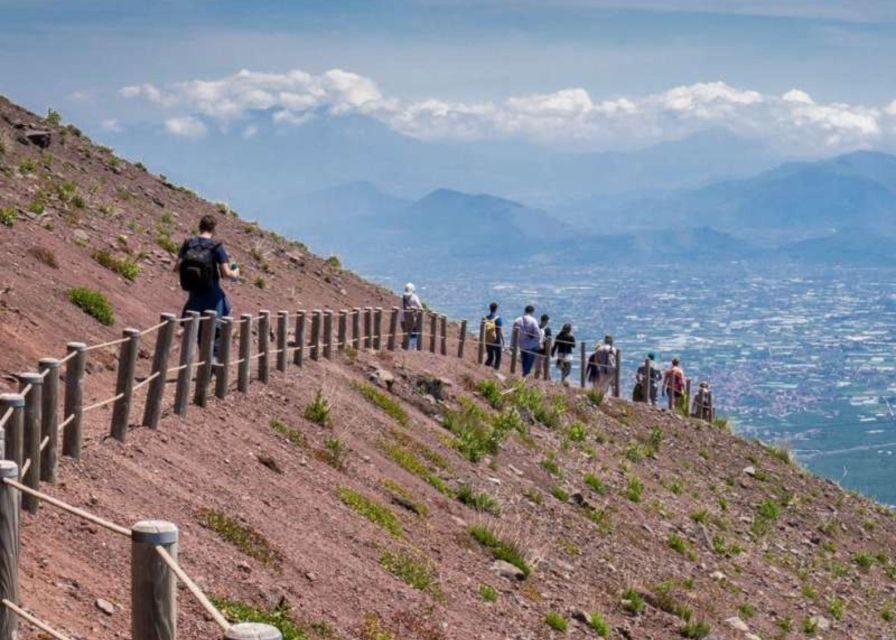
One practical note: even if the guides handle the story, you’re the one doing the movement. Vesuvius involves climbing. The tour description notes you’ll go up about 1,200 meters, so you’ll want to pace yourself and save energy for the ascent. If you’re not used to hills, consider bringing a bottle of water and moving slowly. (Water and food specifics aren’t listed as included, so assume you’ll buy what you need during the break.)
The crater visit and the 1,200-meter climb: views over the Gulf
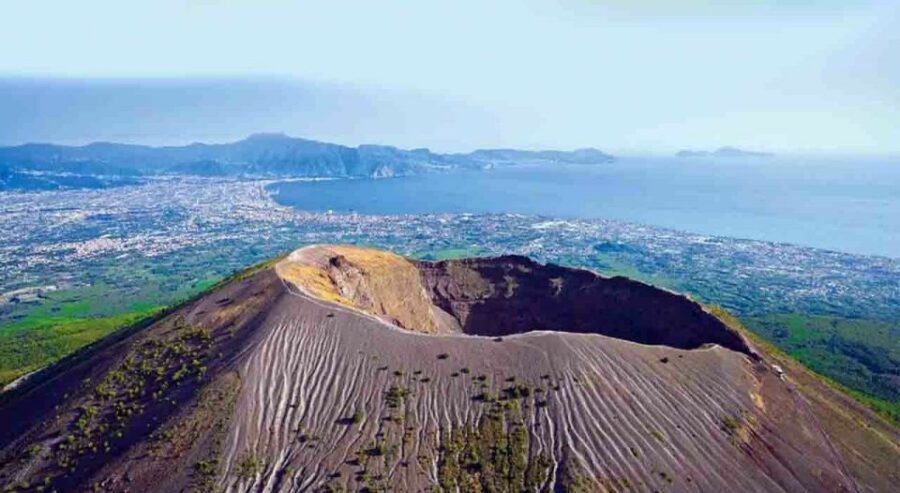
Vesuvius is famous for the view, but the tour sells something smarter than a photo stop. It’s a crater-focused visit guided by a licensed professional, centered on eruptions—how they happen, what changes, and what you can learn by reading the mountain.
You’ll also get the payoff in the form of altitude: the views are described as stretching out over the Amalfi Coast and the Gulf of Naples from above 1,000 meters. In plain terms: it feels like you can finally see the whole system that Pompeii was part of. The sea, the towns, the slopes, and the way settlement clings to this region all start making sense.
The tour’s structure matters here. A good guide doesn’t just point to scenery; they explain why the terrain looks the way it does. They’ll talk about the eruption that brought Pompeii down to a halt, and they’ll use the crater area to turn history into a physical experience. That’s exactly why the day pairs Pompeii first and Vesuvius second: you learn what happened, then you learn how the mountain causes it.
Also, this private format helps during the climb. You can ask questions without getting swallowed by a huge group. If your guide gives you a short explanation while you’re moving uphill, take the extra seconds to listen. It’s often the moment when “I’ve seen photos” becomes “I understand what I’m looking at.”
If you get tired easily, the ascent is the one part you’ll likely feel the most. Comfortable shoes are non-negotiable, and slow pacing beats forcing it.
Lunch and the break window: how to get the most out of downtime
Between the main site times, you’ll have a break for food. After the Vesuvius portion, you get a chance to stop at a local restaurant with free time for about two hours, and lunch is not included. You can choose where to eat within that window, which is useful on the Amalfi side—menus and pace vary, and you’ll likely want something that fits your appetite after a climb.
This break is more than eating. It’s your reset button. Pompeii can be intense in a way you don’t expect, because it’s both archaeological and emotional—people lived there, and the ruins show it. A real break helps you enjoy Vesuvius instead of just surviving it.
Some groups have been routed to standout farm-to-table style stops—one example that’s been mentioned is Quirinoli, known for wine you can ship to the US. You shouldn’t count on that exact place every day, but the broader point is good: if your driver is choosing the lunch stop, you may get better-than-average options that feel local, not just touristy.
Practical tip for you: use the two-hour window to eat early enough that you’re not rushing later, and keep it light if you know you’ll continue with walking afterward. Also, if you want snacks, assume you’ll need to buy them yourself since food isn’t included.
Other tours from Positano and the Amalfi Coast we've reviewed at Vesuvius & the Bay of Naples
Price and value: what you’re paying for (and what you aren’t)
At $365.91 per person for a private day trip, the price is not “cheap,” especially once you add the separate cost of entry tickets for Pompeii and Mount Vesuvius. So what are you really getting for that amount?
First: you’re paying for private transportation with pickup and drop-off from your hotel, plus private guide time. That combo is where you feel the value on the Amalfi Coast. Getting to Pompeii and back efficiently, then layering guided interpretation at two different sites, is a lot to coordinate on your own.
Second: you’re paying for time saved. Skip-the-line entry via a separate entrance matters when crowds are thick. In a single day, time saved isn’t a luxury—it protects your energy for the parts that matter.
Third: you’re paying for the right kind of expertise. A Pompeii guide led by an archaeologist is a big deal, because Pompeii isn’t just about big statues or famous imagery. It’s about how people lived, and an archaeologist guide can explain the context behind the remains. Then at Vesuvius, you get a licensed guide who explains eruptions with the crater as the teaching tool.
If you’re trying to decide whether it’s worth paying for private instead of group tours, ask yourself this: do you want explanations tailored to your pace and questions? If yes, private is often worth it here.
Who will feel the value most? Couples, families, and small groups who can’t stand rushing, plus anyone who wants Pompeii and Vesuvius to feel connected rather than like two unrelated stops.
Who this tour fits best on the Amalfi Coast
This tour is a good match if you want a day that feels organized and story-driven. The private format makes it especially appealing if you’re traveling as a couple, with kids, or with older relatives who need a calmer pace.
It’s also ideal if you like learning with visuals. Pompeii with frescoes and everyday spaces, then Vesuvius with eruption explanations and a crater setting—this pairing works well for people who don’t want to just see, but understand.
You might want to consider something else if:
- you have limited mobility and don’t handle significant uphill walking well
- you strongly dislike crowded major sites, since Pompeii can still draw a lot of people even with skip-the-line help
- you want a long, unstructured day with lots of independent time. This day is guided and scheduled, with a set break window for lunch
If you do go, plan for comfortable shoes and a steady pace on the climb. The best way to enjoy Vesuvius is to treat it like a hike, not a sprint.
Final verdict: should you book this Amalfi Pompeii and Vesuvius day trip?
I think this is worth booking if you want your Pompeii visit to be guided by real academic interpretation and your Vesuvius stop to be more than a viewpoint. The value is in how the day connects the story: ruins first, crater explanation second, with private transportation that reduces friction on the Amalfi Coast.
If you’re on the fence because of the price, don’t compare it to an entry-ticket-and-bus day. Compare it to the cost of your time and stress: private pickup, skip-the-line entry flow, and expert guides at both locations. When those pieces matter, the number starts to make sense.
FAQ
How long is the day trip from Amalfi to Pompeii and Mount Vesuvius?
The total duration is listed as 7 hours.
Where is hotel pickup available?
Pickup is available from Positano, Salerno, Naples, Amalfi, and Sorrento.
Is Pompeii guided, and who guides it?
Yes. You get a private guided tour of Pompeii led by an archaeologist in English.
How long do you spend at Pompeii and at Vesuvius?
Pompeii includes a guided tour of about 2 hours. Vesuvius includes about 1.5 hours in Vesuvio National Park.
Are entry tickets included for Pompeii and Mount Vesuvius?
No. Entry tickets to Pompeii Archaeological Park and Mount Vesuvius are not included.
Is the Vesuvius guide included?
Yes. The tour includes a Mount Vesuvius tour with a licensed guide, and it’s in English.
What’s the lunch situation?
Lunch is not included. There is a local restaurant break/free time of about 2 hours where you can eat wherever you want within that window.
What should I bring?
Bring comfortable shoes.
Is free cancellation available?
Yes. You can cancel up to 24 hours in advance for a full refund.