REVIEW · POMPEI CAMPANIA
From Herculaneum to Pompeii: Audioguides + Entrance Tickets
Book on GetYourGuide →Operated by Tempio Travel Pompei Tickets · Bookable on GetYourGuide
Herculaneum and Pompeii in one day is a big ask. What makes it work here is the audioguide plan plus entrance tickets for both sites, letting you roam without a strict group pace.
I like that it’s truly self-guided: you start at Herculaneum, then move on to Pompeii with the same audio-style experience. I also like the practical extras—your map and the ability to use a separate entrance to skip long queues.
The main drawback to plan for is navigation: the start info is clear for Herculaneum, but the Pompeii audio pick-up point may not be as obvious, and you can lose time if you’re hunting. Some of the audio also uses architectural terms without much explanation, which can slow you down if you’re not into building vocabulary.
In This Review
- Key highlights at a glance
- Herculaneum First, Pompeii Next: How the audioguide day really plays out
- Price and value: what you’re paying for at $66.84
- Entering both parks with separate entrances
- Getting from Herculaneum to Pompeii: the Circumvesuviana tip
- Picking up the audioguides fast: where time can slip
- What you’ll experience at Herculaneum (with the audio doing the heavy lifting)
- Pompeii on audio: seeing the big moments without getting lost
- About the included map and device: how to use them well
- Time budgeting for a 7-hour combo day
- What’s excluded: Villa dei Misteri
- Wheelchair access and who this self-guided day suits best
- A quick verdict: book for freedom, plan for two parks
- Should you book this Herculaneum + Pompeii audioguide combo?
- FAQ
- How long does the experience take?
- Are entrance tickets included for both Herculaneum and Pompeii?
- Is this a guided tour?
- Do I need my own earphones?
- Where do I pick up the audioguide?
- Is Villa dei Misteri included?
- What languages are available?
Key highlights at a glance
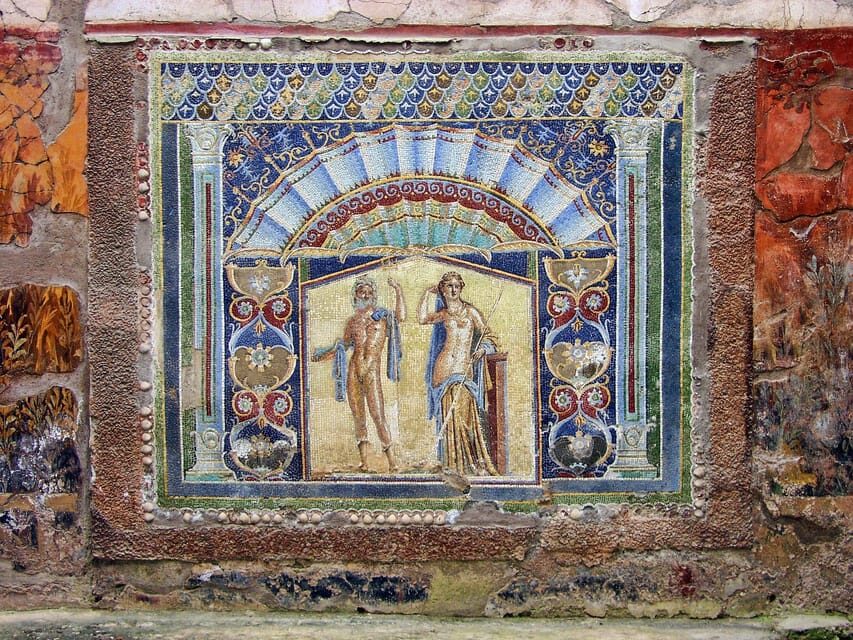
- Two UNESCO sites, one 7-hour window: Herculaneum first, then Pompeii, with audio through both
- Skip-the-line entry via a separate entrance at the archaeological parks
- Audioguide device + map included so you’re not piecing together the route on your own
- Large-site independent touring with no guided group script or pacing pressure
- Not every area included: Villa dei Misteri access is excluded
- Multilingual support for host/greeter and the audio tracks (English, Italian, French, Spanish, German)
Herculaneum First, Pompeii Next: How the audioguide day really plays out
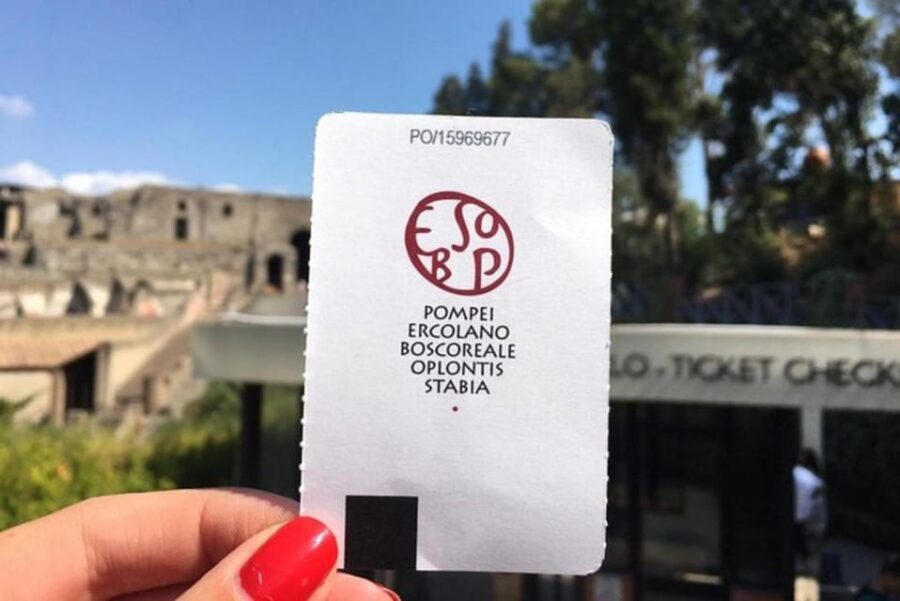
This is set up as a two-park, self-guided circuit. You begin at Herculaneum, pick up your audioguide device at the Audioguide Desk, and then explore on your own. After you’ve done your first site, you head to Pompeii and repeat the same idea: your entrance is covered, and the audio commentary carries you through key moments of the ruins.
That order matters. Herculaneum is smaller and often feels easier to orient to. Pompeii is the opposite: it’s huge, and even with a map, your success depends on finding the next audio pick-up point quickly and then following the commentary route. If you’re the type who likes freedom but also hates wasting time, you’ll want to give yourself a buffer between parks.
Other Herculaneum guided tours and tickets we've reviewed at Vesuvius & the Bay of Naples
Price and value: what you’re paying for at $66.84
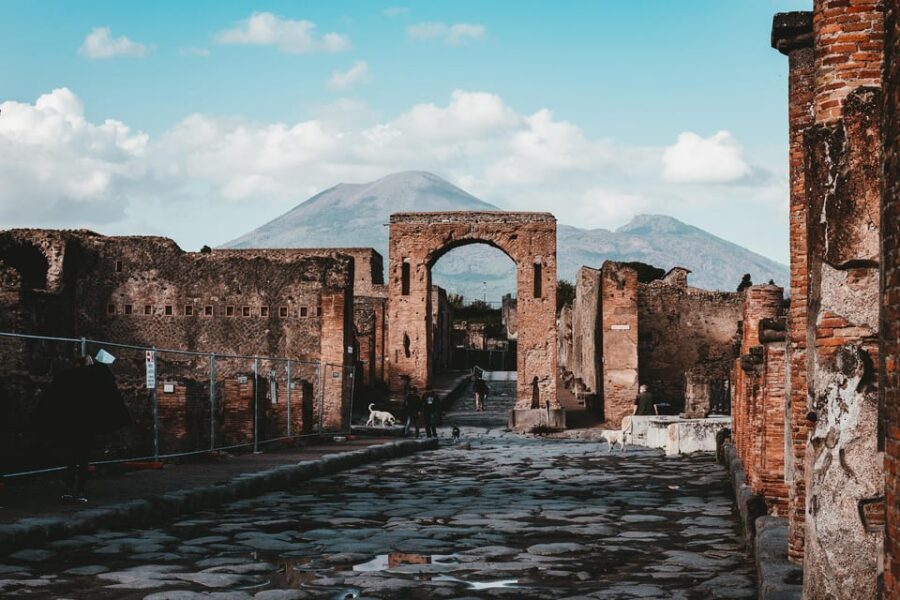
At $66.84 per person for a 7-hour day, the value is mostly about what’s included: entrance tickets, the audioguide device, and a map. You’re also getting skip-the-line access, which can matter a lot at major ruins where bottlenecks can eat up your best hours.
What’s not included is just as important:
- Earphones aren’t included, so you’ll either need your own or plan to buy/rent nearby (the audio device won’t be much use if you don’t have a way to listen).
- Villa dei Misteri access is not included, so if that specific area is on your must-see list, you’ll need a separate ticket option.
- No guided tour is included, so there’s no live guide to explain terms like atrium or to redirect you when the site changes landmarks due to conservation.
If you want a structured guided lecture, this isn’t that. If you want to see a lot and hear the story in your own rhythm, this pricing starts to make sense.
Entering both parks with separate entrances
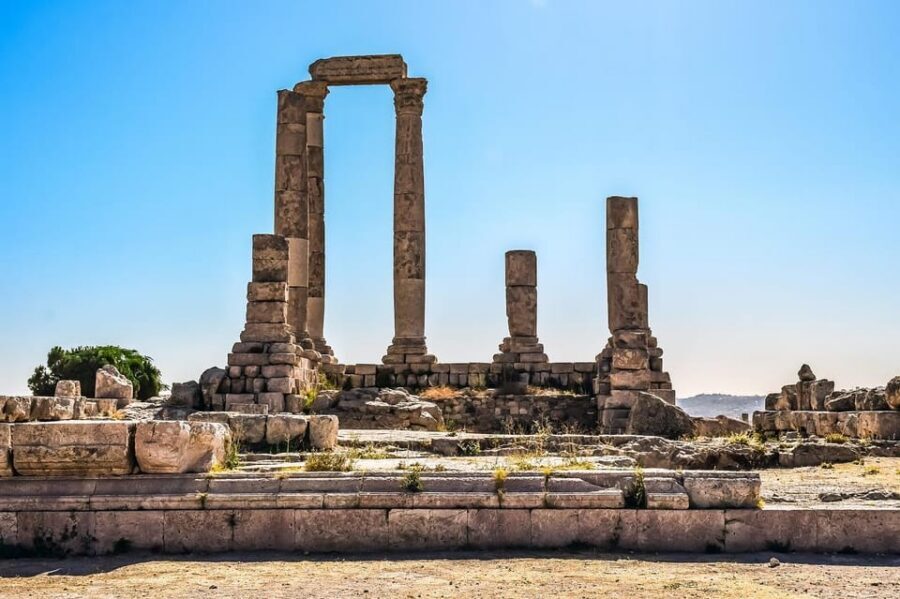
A big practical win is skip the line through a separate entrance. In real life, that can mean less standing around and more walking while your energy holds out. It also helps because you’re doing two major archaeological sites back-to-back; every saved minute counts.
You’ll also show up with a basic requirement: bring a passport or ID card and plan for comfortable shoes. Both parks mean real walking on uneven ground, and the ruins don’t do much for your feet.
Getting from Herculaneum to Pompeii: the Circumvesuviana tip
The connection between the two sites is straightforward. The information notes that it’s easy to reach Pompeii by train using the Circumvesuviana line, direction Sorrento. That’s a key detail because it tells you the plan isn’t dependent on taxis or private transfers.
What you should do with that tip: treat it as your routing clue, then check train timing in advance so your audioguide flow doesn’t get squeezed. With an independent day, transit delays are the one thing you can’t fix with a map.
Picking up the audioguides fast: where time can slip
Your start point is clear: you need to go to the entrance and look for the Audioguide Desk at Herculaneum. Once you’re set up, you can focus on the ruins instead of logistics.
Pompeii is where you should be alert. The biggest recurring friction is that the pick-up location for the second audioguide isn’t as clearly marked for people, even though Pompeii’s entrances and internal spaces are large. If you arrive and immediately start wandering, you can lose time.
My advice if you hate friction: when you enter Pompeii, head straight for anything labeled for audioguides or pick-up before you start sightseeing. Think of it like grabbing your boarding pass before you look for your gate.
A few more Pompei Campania tours and experiences worth a look


What you’ll experience at Herculaneum (with the audio doing the heavy lifting)
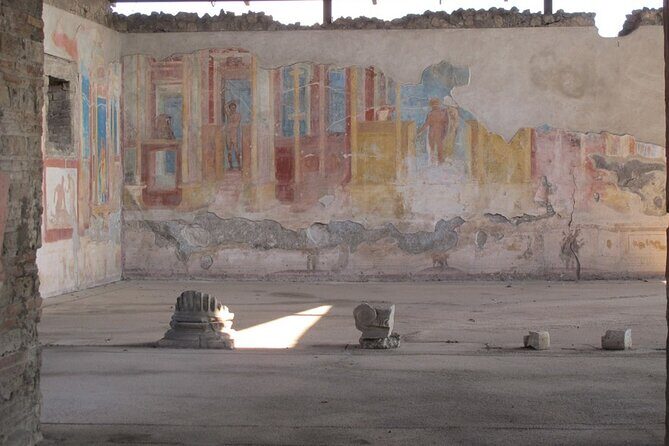
Herculaneum is where the day begins, and it’s a smart choice. The ruins there are usually easier to manage in a first pass because the site feels more digestible than Pompeii’s sprawling grid.
With your audioguide, you’ll get commentary designed to carry you through the highlights. It’s generally described as complete and interesting, and that matters: when you’re walking ruins on your own, you need context fast, or you’ll just see stones and columns without the why.
One caution from the audio style: it uses technical terms like atrium without always explaining them in plain language. If you’re not familiar with ancient architecture vocabulary, you may have to slow down and do a bit of mental translation. This isn’t a deal-breaker, but it can affect how much you enjoy the details.
Pompeii on audio: seeing the big moments without getting lost
Pompeii is the main show, and your self-guided approach works best when you treat the audio like your navigation backbone. The experience includes entry and the audioguide commentary, so you’re not forced into a rigid group route, and you can pause where something catches your eye.
Still, Pompeii is large enough that small navigation problems add up. The audio pick-up point confusion can cost you time, and Pompeii’s ongoing conservation can also change what you see. One reported issue is that landmarks referenced in the audio may not match what you encounter on the ground if barriers or visual cues are removed or shifted during restoration.
Translation for you: use the audio for guidance, but keep your eyes open for what’s actually there today. Ruins are living sites. Things change.
About the included map and device: how to use them well
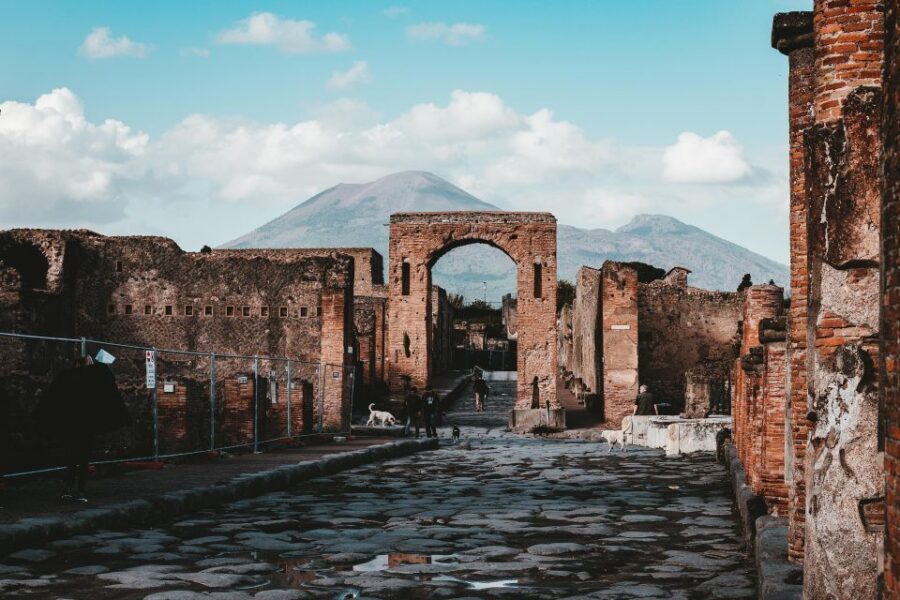
You get a map and an audioguide device, which is exactly what you want for a two-site day. The key is not to treat the map like a decorative souvenir. Use it to:
- Confirm you’re moving in the right direction inside each park
- Plan a simple loop so you don’t backtrack too much
- Decide when to stop and listen versus when to keep walking
If you’re the type who likes to photograph, bring an extra charging strategy (battery status on your phone matters if you’re using it for maps). The day is only 7 hours, and charging breaks add up.
Time budgeting for a 7-hour combo day
Seven hours sounds long until you add two entrances, audio pauses, and the move between parks by train. The biggest time sinks are usually:
- Transit between Herculaneum and Pompeii
- Finding the Pompeii audioguide Desk
- Standing still to listen to audio segments in crowded corridors
So I’d plan this day with a simple rule: don’t run. Keep a steady pace. When you find a section you love, stay longer, but don’t let one stop steal the whole day.
Also, wear shoes you’re comfortable in for real walking. The sites are archaeological parks, not flat museum floors, and your body will vote on where you can still enjoy the later stops.
What’s excluded: Villa dei Misteri
The experience does not include access to the Villa dei Misteri area. That’s a direct limitation you should check against your interests. If your top priority is specifically that villa, you may want to consider a different ticket option or a separate add-on day.
If your goal is a strong overview of both cities’ main highlights, skipping one area might not bother you. But it’s worth confirming before you buy, because it’s the kind of exclusion that can create disappointment if it was central to your plan.
Wheelchair access and who this self-guided day suits best
This experience is listed as wheelchair accessible, which is a positive signal if you need that flexibility. Still, archaeological sites often involve uneven terrain and limited routes, so it’s smart to think in terms of “accessible where possible,” not “easy everywhere.”
Who will enjoy this most:
- You like independent touring and don’t need a live guide to keep you on track
- You want a solid overview of both Herculaneum and Pompeii without committing to a multi-day trip
- You’re comfortable navigating large sites with a map and audio cues
Who should reconsider:
- You want explanations in very plain language and hate audio that uses technical terms
- You need a live guide to correct route confusion on a huge site like Pompeii
- You specifically care about Villa dei Misteri and don’t want to miss it
A quick verdict: book for freedom, plan for two parks
This is a good value if you want to hit two major ruins in one day with audio guidance and included entry tickets. The strongest selling point is that it’s designed for self-paced discovery—plus the skip-the-line benefit helps protect your limited time.
The two issues to respect are practical: the Pompeii audioguide pick-up location may cost you time if signage isn’t obvious, and the audio can lean on technical architectural language without always translating it into everyday terms. If you can handle those, you’ll likely walk away happy.
Should you book this Herculaneum + Pompeii audioguide combo?
I’d book it if you want the convenience of entrance tickets + audioguide device bundled together and you’re comfortable touring on your own. It’s especially appealing if you like moving at your own speed and using the audio as your personal tour companion.
I’d skip or rethink it if you’re hoping for a live guided explanation, or if Villa dei Misteri is the highlight you’re chasing. Also, if you dislike logistics, give Pompeii extra attention so you can find the audioguide Desk quickly.
FAQ
How long does the experience take?
The duration is listed as 7 hours (you’ll want to check available starting times).
Are entrance tickets included for both Herculaneum and Pompeii?
Yes. Entrance tickets are included so you can enter both parks without buying separate admission.
Is this a guided tour?
No. It’s self-guided with an audio guide device. A guided tour is not included.
Do I need my own earphones?
Earphones are not included, so you should plan to bring your own.
Where do I pick up the audioguide?
At Herculaneum, go to the entrance and look for the Audioguide Desk. The activity ends back at the meeting point.
Is Villa dei Misteri included?
No. Access to Villa dei Misteri is not included.
What languages are available?
The host/greeter and the audio guide commentary are available in English, Italian, French, Spanish, and German.