REVIEW · POMPEI CAMPANIA
Pompeii, Herculaneum, and Vesuvius: Full-Day Tour
Book on GetYourGuide →Operated by Around Vesuvio · Bookable on GetYourGuide
Vesuvius beats waiting rooms. This full-day tour strings Pompeii, Herculaneum, and Mount Vesuvius into one easy route, and you get skip-the-line entry at all three. I like that the transfers are handled for you by a deluxe minibus, so you spend your energy on the ruins instead of traffic and timetables.
My favorite part is the balance of structure and freedom: you get scheduled stops, then you explore on your own with an audio guide and maps (especially helpful at Pompeii). One possible drawback is navigation: the Pompeii audio/map system can be hard to follow, and at Herculaneum the audio can feel less clearly matched to what you’re looking at—so you’ll want to ask staff if you get lost.
In This Review
- Key highlights worth caring about
- How the day flows: Vesuvius, Herculaneum, then Pompeii
- Starting point and what to bring (ID is not optional)
- Vesuvius National Park: 90 minutes, then the crater walk
- Herculaneum: what you gain from a smaller, more readable ruin
- Pompeii: skip-the-line access, plus real-world challenges
- Transfers, skip-the-line tickets, and whether the price makes sense
- Who this tour suits best (and who should skip it)
- Should you book this Pompeii, Herculaneum, and Vesuvius tour?
- FAQ
- How long is the Pompeii, Herculaneum, and Vesuvius full-day tour?
- What sites are included in this tour?
- Are skip-the-line tickets included?
- Is food included during the tour?
- Do I need ID for the audio guide?
- Are large bags allowed on the tour?
Key highlights worth caring about
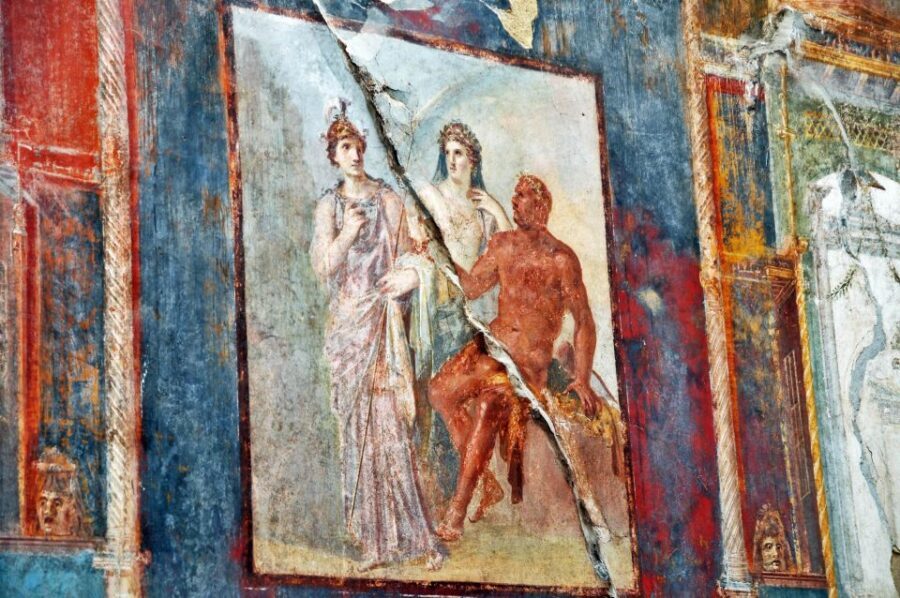
- Skip-the-line tickets for Pompeii, Herculaneum, and Vesuvius save real time
- Vesuvius National Park time (about 1.5 hours) with room for a crater walk
- Two hours at Herculaneum for a more manageable, human-scale ruin experience
- Two hours at Pompeii using an audio guide plus a detailed map for independent exploring
- Water stops in Pompeii include fountains where you can refill bottles
- Coordinated minibus transfers keep the day moving without long intercity hassles
How the day flows: Vesuvius, Herculaneum, then Pompeii
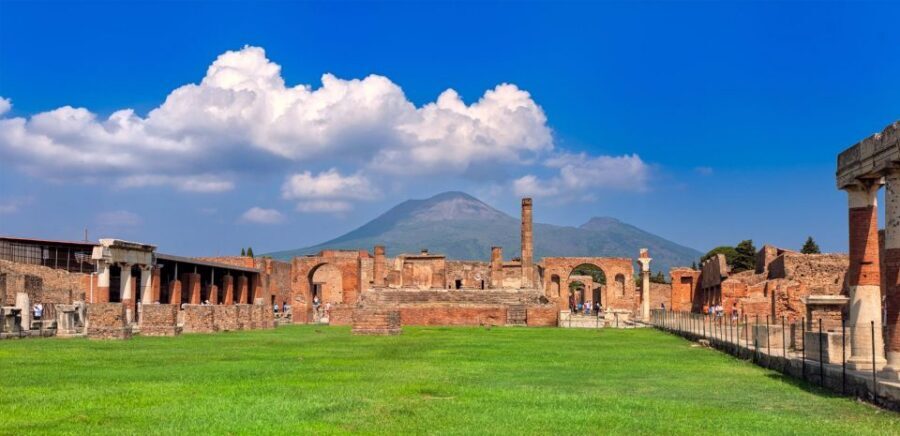
This is built as a clear circuit. You start at Via Roma, 32, then the minibus heads to Vesuvius National Park (about 40 minutes). After that, you move to Herculaneum (another 30 minutes), and finish at Pompeii (about 30 minutes back to the ruins area).
That order matters because it shapes your energy. Vesuvius is where your legs work hardest. Herculaneum comes next, and it’s usually easier to take in without feeling like you need to sprint. Pompeii is the biggest puzzle, and it’s when heat and scale can start to wear you down.
The whole tour runs about 8 hours, with about 2 hours each for Herculaneum and Pompeii, plus about 1.5 hours at the volcano park. It’s a good format if you want to see all three without the stress of planning bus connections.
Other Herculaneum guided tours and tickets we've reviewed at Vesuvius & the Bay of Naples
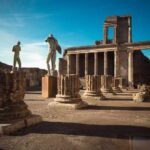
Starting point and what to bring (ID is not optional)
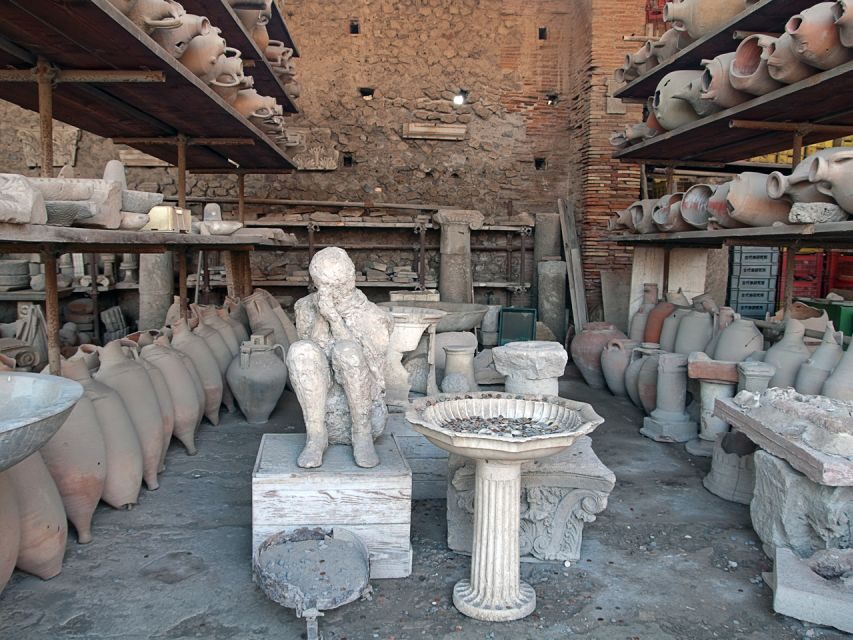
Plan to travel light. Luggage or large bags are not allowed, so use a small day bag and keep essentials easy to grab.
Bring a passport or ID card. This matters because you may need your valid document to rent the Pompeii audio guide for Pompeii Ruins. Also pack comfortable shoes and a hat—you’ll be in direct sun for parts of the day, and shade can be limited in the open areas.
One more practical thought: wear clothes that can handle repeated sun and stone. You’ll be walking a lot across uneven ground, and the day is long enough that comfort beats style.
Vesuvius National Park: 90 minutes, then the crater walk
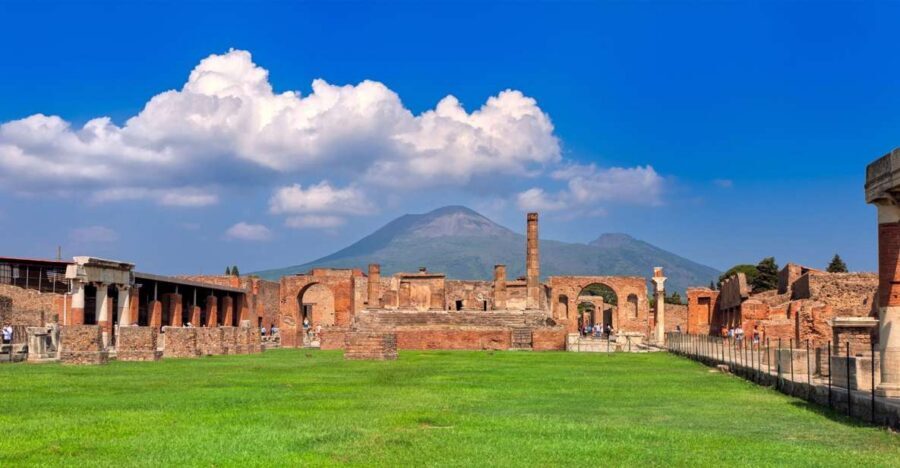
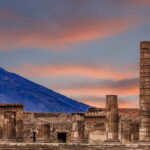
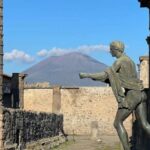
You’ll get direct transfer to the national park and free time for about 1.5 hours. That window gives you a chance to see the Great Cone of Vesuvius and still make it back to the meeting point without panic.
In practice, expect the crater hike to take some effort. One itinerary described a steep but manageable walk where the climb up to the crater took around 25 minutes, paced carefully. If you’re not used to uphill walking, go slow. Take breaks. Your reward is the view of Naples and the coast from the top area.
A key tip: keep an eye on the clock even if you’re having a good time. This stop is timed so the rest of your day doesn’t collapse, and missing the meeting point here hurts later.
The good news is you don’t have to do it fast. This is built as “comfortable and easy,” meaning the day gives you room to breathe while still hitting all the major sights.
Herculaneum: what you gain from a smaller, more readable ruin

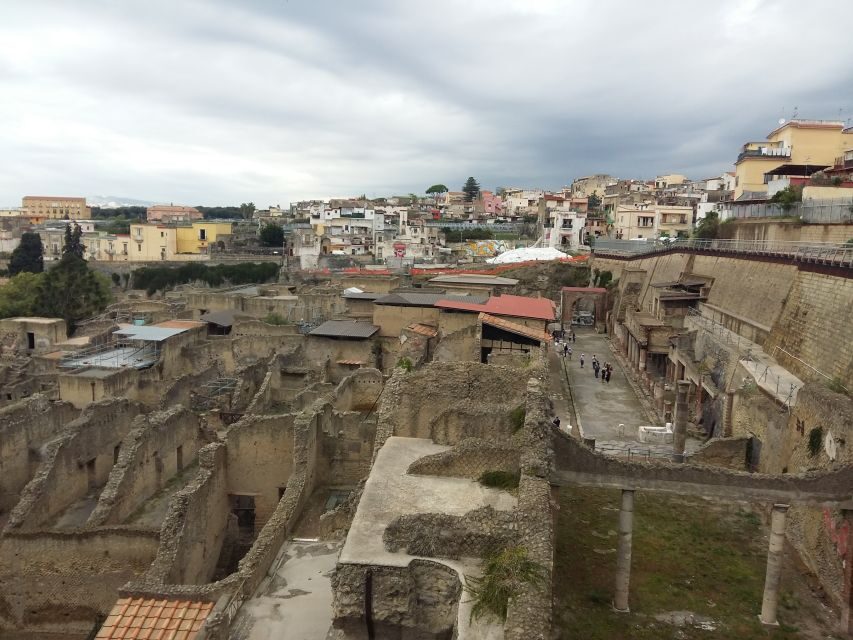
After Vesuvius, you move by minibus to Herculaneum with a quick 30-minute transfer. Then you have about 2 hours of free time at the archaeological site.
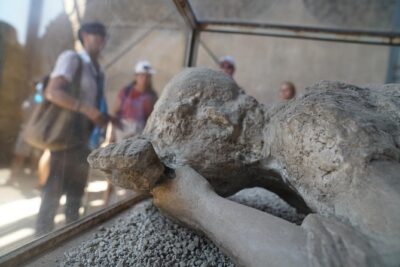
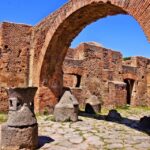
Herculaneum’s advantage is that it can feel less overwhelming than Pompeii. It’s still a destroyed Roman city, and you’re seeing the aftermath of the 79 AD eruption firsthand. You can focus on individual buildings and street corners instead of constantly asking yourself where to go next.
The audio experience can be a mixed bag. In one case, the Herculaneum audio guide was described as hard to match with what you were looking at, with little reference to specific homes. Translation: if the audio doesn’t line up cleanly, don’t struggle for too long—ask on-site staff for help and keep moving.
How to use your time well at Herculaneum:
- Pick a few areas that grab you and stay with them.
- Don’t feel you must cover every block.
- If something is confusing, ask staff early rather than late.
If you’re the type who likes to understand scenes in context, Herculaneum often feels like the best stop to “get” what the eruption did to daily life.
Pompeii: skip-the-line access, plus real-world challenges

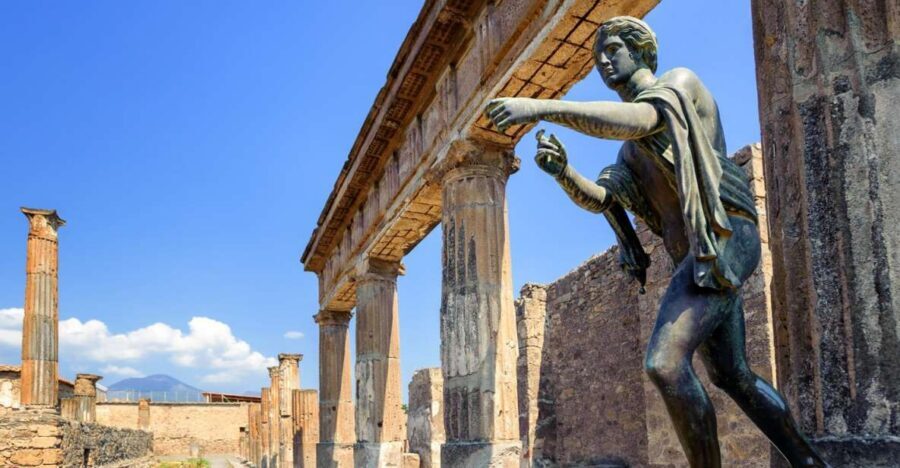
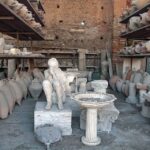
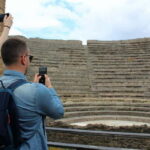
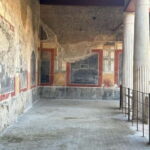
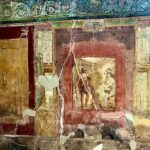
Next comes the big one: Pompeii Archaeological Site, again with about 2 hours of independent exploring. You’re also getting skip-the-line entrance tickets here, which helps because this place can turn into a waiting game when you do it on your own.
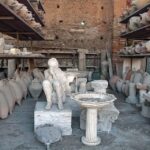
Pompeii is famous for a reason, but it’s also huge. One practical issue: even with an audio guide and map, it can be difficult to keep your bearings. If you feel like you’re walking through a lot of empty-feeling spaces without landing on the highlights, that’s normal for Pompeii’s scale.
My best advice is to use people strategically. If you don’t know where your next must-see stop is, ask an employee for directions to specific exhibits. It saves time and frustration, and it gets you onto the path faster than wrestling with a map while the sun climbs.
Heat planning is also real here. One tip from the field: there are refreshing water fountains throughout Pompeii where you can refill bottles. That can be a lifesaver when shade is scarce. Bring a reusable bottle and treat refills as part of your route planning, not an afterthought.
Audio guide expectations: the audio can help a lot, but it may not be perfect everywhere. In one instance, the Pompeii audio guide was missing segments. If you notice a break, don’t assume you’re doing something wrong—just keep going and let staff or signs steer you.
Pompeii is where you’ll feel the “one-day” constraint most. But if you manage your expectations—think highlights, not everything—you’ll still leave with a strong sense of the city’s layout and daily life.
Other Pompeii, Herculaneum and Vesuvius full combo tours we've reviewed at Vesuvius & the Bay of Naples

Transfers, skip-the-line tickets, and whether the price makes sense
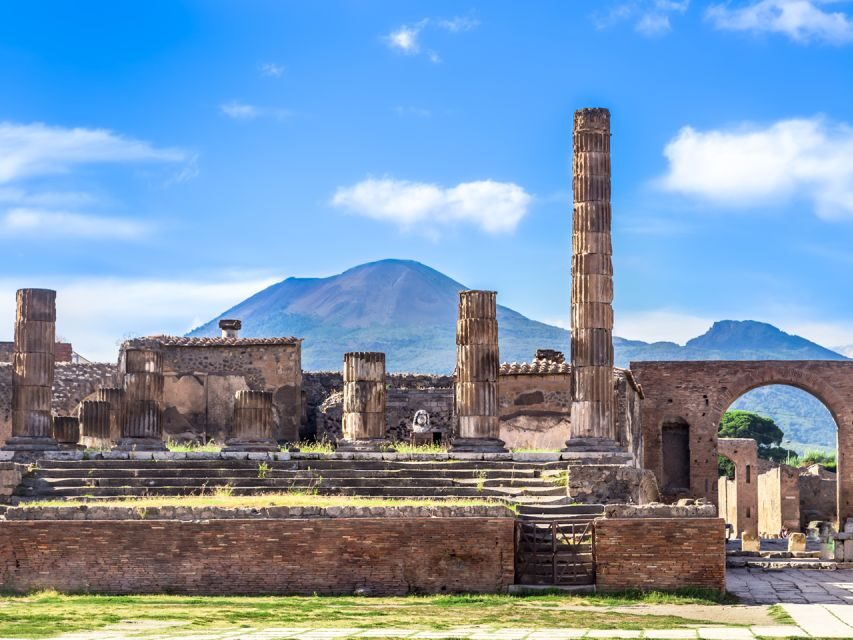
The price listed for this tour is $141.61 per person. For an 8-hour day that includes direct transfers, parking, tolls and fuel, and skip-the-line entrance tickets to three major sites, it can be good value—especially if you’d otherwise spend time piecing together transport and tickets.
Here’s what you’re effectively buying:
- Minibus logistics that remove the hard parts of getting between sites
- Entrance efficiency through skip-the-line tickets
- Support for independent exploring, including an audio guide and a detailed map for Pompeii
What you should plan for:
- Food and beverages are not included
- You’ll be doing lots of walking with uneven ground
- Luggage or large bags aren’t allowed, so keep your load small
Audio guide details: the audio is available in many languages (including Chinese, English, French, German, Hebrew, Italian, Portuguese, Russian, and Spanish). The driver is listed as English and Italian.
The overall vibe from the experience is simple: friendly staff, on-time vans, and a day that feels organized rather than rushed. The main tradeoff is that you’re largely on your own inside the ruins, so you need to be comfortable with independent exploration.
This tour isn’t for you if you want a deep, slow, lecture-style explanation at every stop. It’s for you if you want the big three in one day and you’re happy to steer yourself using audio and maps—then ask for help when the site scale gets in your way.
Who this tour suits best (and who should skip it)

This works best if you:
- want to see Pompeii + Herculaneum + Vesuvius in a single day
- like self-paced wandering instead of constant group herding
- appreciate skip-the-line access
- can handle heat and walking across archaeological ground
Consider a different format if you:
- need step-free or mobility-friendly access (it’s noted as not suitable for people with mobility impairments)
- rely heavily on flawless audio interpretation at every stop (because the audio experience may not line up perfectly everywhere)
- want long explanations and plenty of “sit-down” time
If you’re somewhere in the middle—curious, not too rigid, and willing to ask for direction—you’ll probably enjoy the day a lot.
Should you book this Pompeii, Herculaneum, and Vesuvius tour?
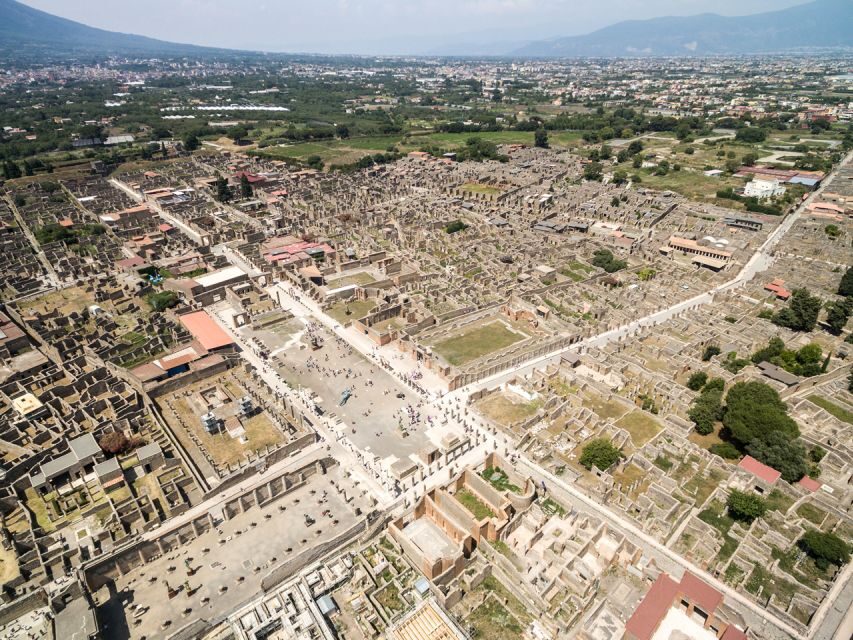
I’d book it if your goal is maximum payoff per day: you want the eruption story told through three places, and you want the logistics handled. The skip-the-line tickets alone can be worth it, and the split timing (Vesuvius first, then Herculaneum, then Pompeii) helps you avoid trying to cram everything into one tired stop.
But book with strategy. Wear good shoes, bring your ID for the Pompeii audio guide rental process, and plan to refill water in Pompeii. When you hit confusing sections, switch from solo navigation to getting directions from staff quickly.
If that sounds like your travel style—organized arrival, then independent exploring—you’ll get a satisfying day out of it.
FAQ
How long is the Pompeii, Herculaneum, and Vesuvius full-day tour?
The duration is 8 hours. Starting times vary, so you’ll need to check availability for the specific departure you choose.
What sites are included in this tour?
You visit Vesuvius National Park (including free time to explore the Great Cone), Herculaneum, and Pompeii in one day.
Are skip-the-line tickets included?
Yes. Skip-the-line entrance tickets are included for Pompeii, Herculaneum, and Vesuvius.
Is food included during the tour?
No. Food and beverages are not included, so plan to buy or bring what you need.
Do I need ID for the audio guide?
Bring a valid passport or ID card, because it is important for renting the Pompeii audio guide for Pompeii Ruins.
Are large bags allowed on the tour?
No. Luggage or large bags are not allowed. Keep only a small day bag.