REVIEW · POMPEII
Horseback Riding on Vesuvius
Book on Viator →Operated by TASTETHEXPERIENCE · Bookable on Viator
Horseback riding under Vesuvius is a change of pace. You get a scenic trail on the volcanic slopes above Pompeii, plus real panoramic viewpoints led by a guide, without needing any riding experience. The main consideration: the ride stays well away from the crater rim, since local rules don’t allow horses up to the crater.
I really like how this is set up for first-timers. You’ll get helmets, transportation from Pompeii and back, and a small group (max 8) so the guide can keep an eye on everyone as you learn. Just know the pace is meant to be safe and steady, so you should not expect a big gallop to the top.
In This Review
- Key points to know before you go
- Vesuvius from horseback: the best kind of close-up
- How the 2-hour timing works from Pompeii
- The Vesuvius National Park ride: panoramic stops without the crater
- Getting on the horse: beginner setup that actually helps
- Pace and control: why you won’t be trotting to the views
- The guides: Sofia, Giuseppe, Giovanni, and the team vibe
- What you actually get for the price
- What to wear and what to bring (so you’re comfortable)
- Who this tour suits best
- Pairing it with Pompeii or a crater visit
- Should you book Horseback Riding on Vesuvius?
- FAQ
- How close do the horses get to the crater?
- Do I need horseback riding experience?
- How long is the horseback riding portion?
- What’s included in the tour price?
- What are the age and weight limits?
- Where is the meeting point in Pompeii?
- Is the tour offered in English, and what about weather?
Key points to know before you go
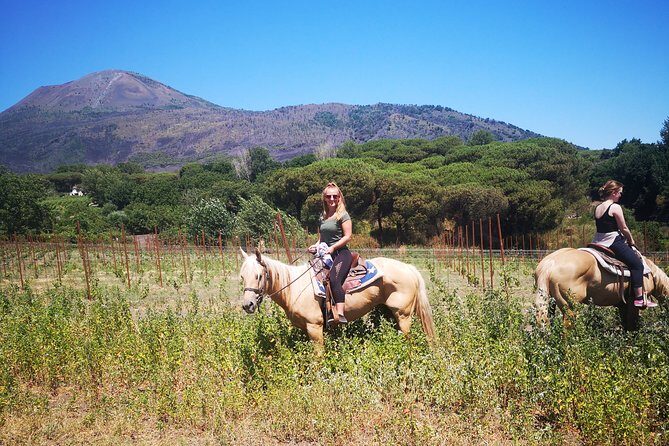
- 500-meter elevation, crater not included: you ride the slopes and viewpoints, not the crater rim.
- Small group max 8: more time with your guide, fewer people to manage.
- Beginner-friendly setup: helmets and instruction make it easier to get comfortable on the horse.
- Guide-driven panoramic stops: you’ll pause for views of Vesuvius and the Bay of Naples.
- English-speaking experience: the tour is offered in English.
- Practical Pompeii pickup: meeting point is in central Pompeii, with transportation provided.
Vesuvius from horseback: the best kind of close-up
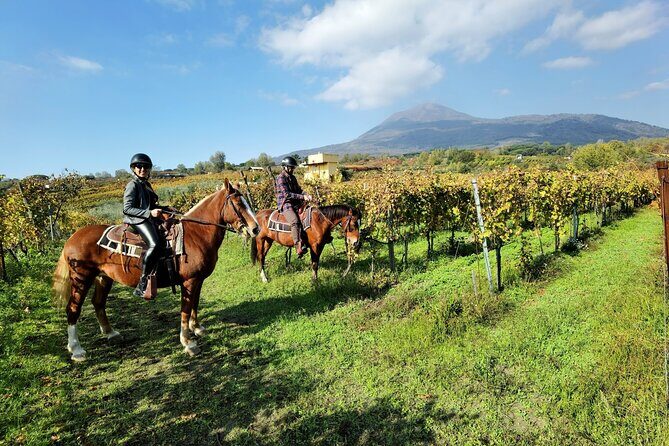
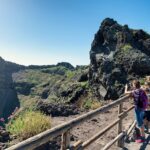
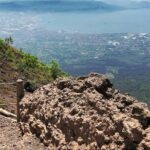
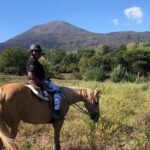
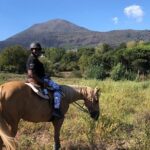
This ride is built around one simple idea: seeing Vesuvius without the hike, crowds, or crater restrictions. You’ll be in Vesuvius National Park at roughly 400–500 meters above sea level, riding through the volcanic terrain and scenic areas where horses are allowed.
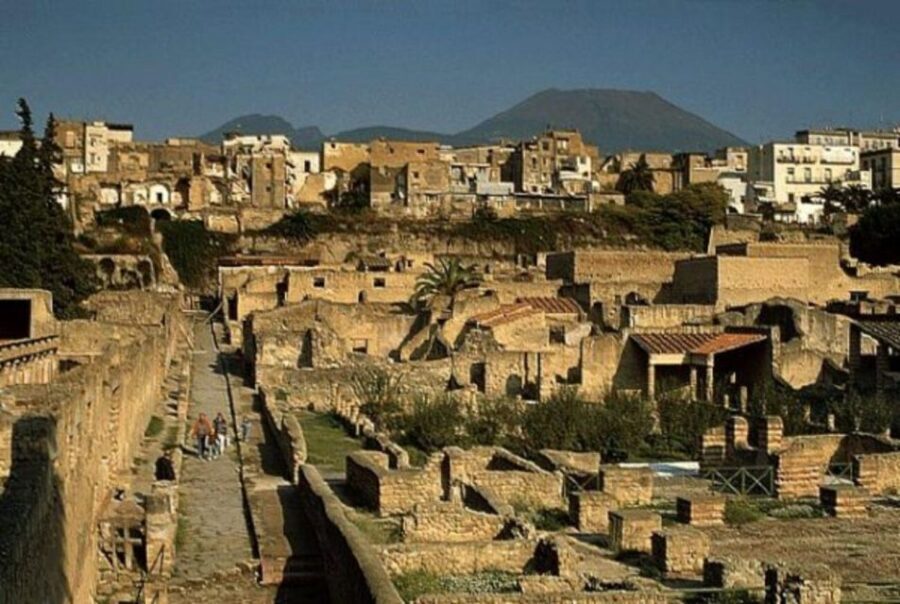
The payoff is the view. From this elevation you can take in the curves of the park and, on clear days, wide sightlines toward Vesuvius and the Naples bay area. It’s a different perspective than ruins-and-alleys Pompeii, and that contrast is a big part of why this works so well.
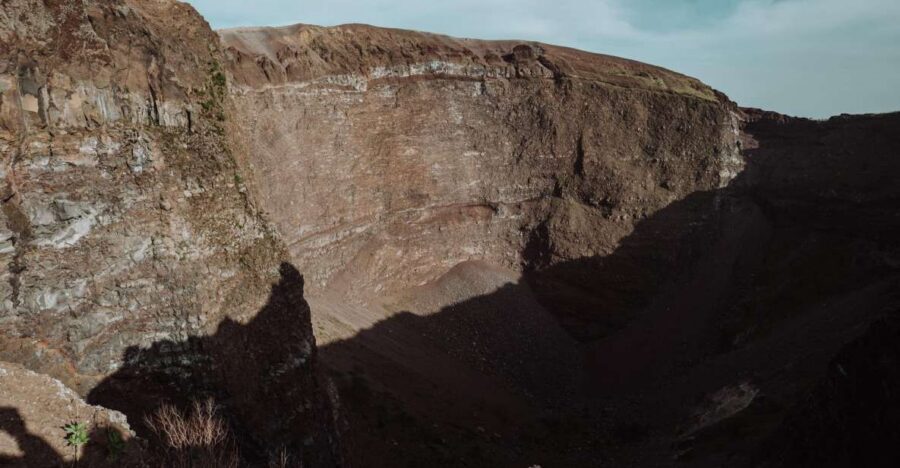
If your goal is the crater rim itself, this is not that tour. The ride does not go near the crater for safety reasons under National Park rules. For crater access, you’ll want to pair it with a separate Vesuvius/crater-focused visit or use the designated hiking trail from the upper parking area.
Other horseback riding tours on Vesuvius we've reviewed at Vesuvius & the Bay of Naples
How the 2-hour timing works from Pompeii
Plan for about 2 hours total. In practice, that usually means some time for gathering, transport up toward the riding area, the 1-hour horse ride, and then the ride back down.
Your meeting point is at Bar – Cornetteria – Tabaccheria Magma H24, Via Plinio, 46, 80045 Pompei NA, Italy. The experience is described as being near public transportation, so you’re not stuck with only taxis if you’re using local transit to get around Naples and Pompeii.
A small scheduling note: since this runs on a specific ride window and depends on weather, it’s smart to book it early enough that you still have a flexible day in your itinerary. You’ll get confirmation at booking, and the tour is offered in English, which helps a lot if you’re traveling light with no Italian.
The Vesuvius National Park ride: panoramic stops without the crater
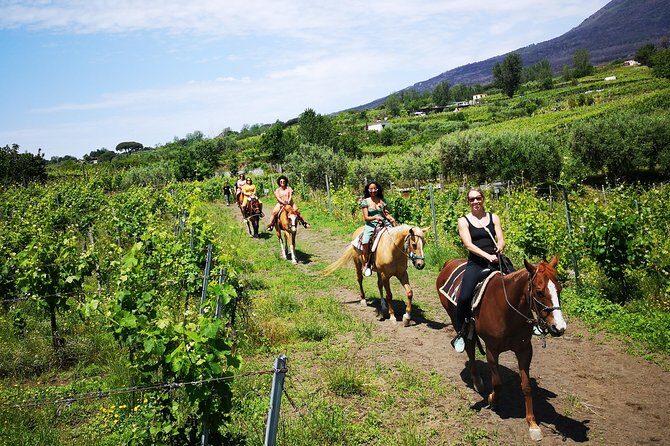
Once you’re in the park area, the experience centers on a guided horseback route at about 500 meters elevation. This is where the “Vesuvius on horseback” promise becomes real, because you’re not just looking at the volcano from far away—you’re riding through the same volcanic slopes that shape the region.
You’ll follow your guide for panoramic views. That means the route is paced for seeing, not rushing. You can expect stops where the guide shares what you’re looking at and helps you orient yourself in the terrain, which is especially useful if you’re not familiar with the geography around Pompeii and Naples.
One drawback to keep in mind: because this is a scenic, regulations-based ride, you should expect calm, controlled riding and a route that avoids risky terrain near the crater. Also, visibility can vary with mist or wind, and the ride is weather-dependent.
Getting on the horse: beginner setup that actually helps
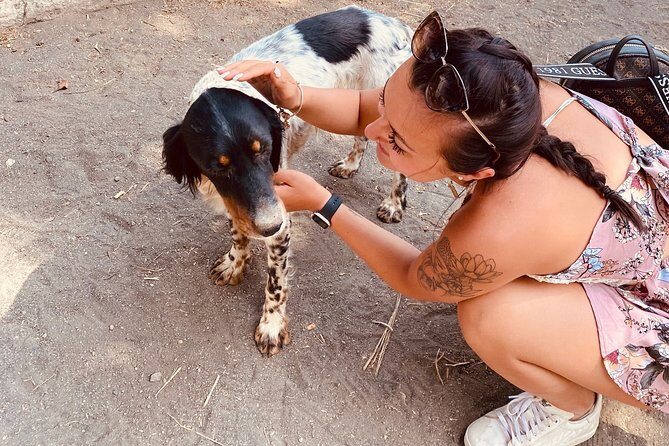
This tour is described as perfect for beginners, and the structure supports that. Helmets are provided, and the guides are there to help you mount and ride safely at the pace the group needs.
The horses are a key part of why beginners feel comfortable here. The ride is designed around calm, well-trained animals that know the trail. In the guide team you’ll also see a consistent theme: clear instructions and continuous checking so new riders don’t get left behind.
Two practical constraints matter:
- Ages 6+ are welcome.
- Max weight is 105 kg.
Also, your guide may walk alongside the horses. In one response to a review, the operator explained that guides often walk rather than ride to monitor everyone’s well-being, especially in mixed-experience groups. That’s good news for first-timers, because it means you’re not on your own if you feel uncertain.
Pace and control: why you won’t be trotting to the views
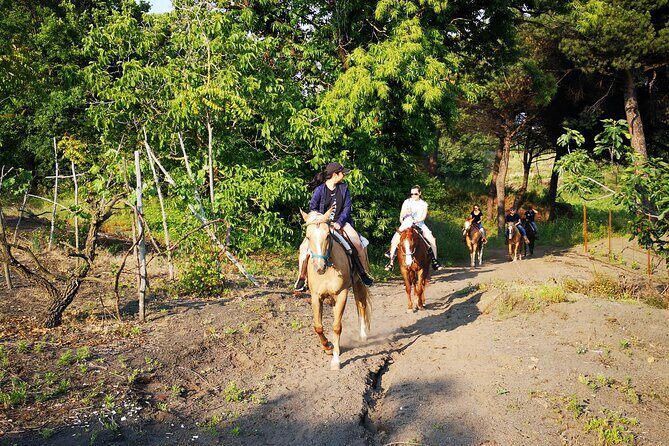
If you’re imagining a fast, movie-style ride up toward Vesuvius, adjust expectations. This is not a speed ride. You’re set up for a peaceful, controlled experience, which is why trotting or cantering is not part of the main route.
There’s a safety logic to this. Horses tend to follow cues, and letting one horse go into a faster gait can lead to a chain reaction that may unsettle less experienced riders. For first-timers (and families), that’s a real concern, not a theory.
So if you want calm sightseeing on horseback, you’ll likely love it. If you want action, you might leave wanting a bit more movement. In the operator’s clarification, trotting or cantering is not part of the main ride, though they mention it may be offered briefly in an arena at the end for those who ask.

The guides: Sofia, Giuseppe, Giovanni, and the team vibe
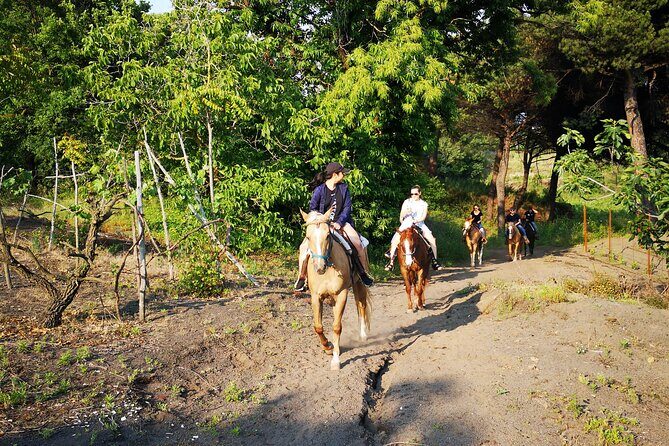
One of the most praised parts of this experience is the people. Multiple guides are mentioned by name across feedback, including Sofia, Giuseppe (Giuiseppe/Giuseppe), Giovanni, Giulia, and Eraldo. The pattern is consistent: patient coaching, friendly humor, and practical safety.
Sofia, in particular, is repeatedly noted for being kind and considerate with beginners. People also highlight how guides talk you through what to do, and how they keep an eye on each rider as the group moves through the route.
Giuseppe and Giovanni also come up with the same theme: they make it feel like more than just a ride. They’re engaging, and they’ll help you connect what you’re seeing to the region around Vesuvius and Pompeii.
For me, that guide attention is the hidden value. When you’re new to horseback riding, the difference between stressful and smooth is often just one thing: someone noticing you’re a little tense before you spiral.
What you actually get for the price
The price is listed at $78.64 per person, with a short duration and a real add-on: transportation from Pompeii and back plus helmets and bottled water. You’re paying for more than the horse time—you’re paying for safety equipment, a structured guide-led route, and getting you to the right part of Vesuvius without you figuring it out on your own.
It’s also a good value if you’re trying to avoid an expensive private tour. The group size cap of 8 travelers means you’re not stuck in a huge line of riders with a guide who can only glance over your shoulder.
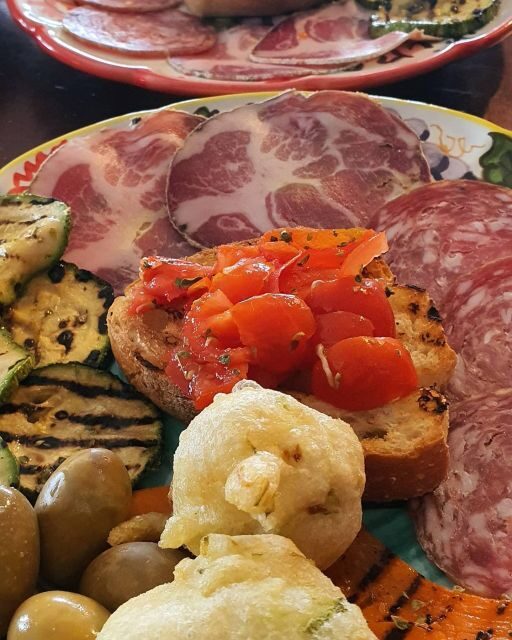
One thing to check in your own planning: the formal “Included” list calls out water and the ride, not a full meal. Still, many people describe a satisfying end-of-ride food and wine setup at the property (cheeses, bruschetta, local produce, and wine show up often in feedback). If that matters to your decision, read the most recent day-to-day notes you receive at booking so you know what you’ll get with your specific departure.
What to wear and what to bring (so you’re comfortable)
You’re riding outdoors on volcanic terrain, likely with some uneven ground. Wear closed-toe shoes with a solid grip, and dress in layers since wind and mist can show up around Vesuvius.
Helmets are provided, so you don’t need to bring one. Bottled water is included, but you might still want your own small snack if you tend to get hungry after a couple hours of active sightseeing.
If you’re traveling with kids, plan for patience and slower transitions. Beginner riding goes best when you give yourself a bit of buffer instead of rushing back to Pompeii ruins.
Who this tour suits best
This is a strong fit for:
- First-time riders who want an easy introduction with calm horses and clear guidance.
- Families with kids aged 6+ who want a break from ruins and want something hands-on.
- Couples who want a relaxed, scenic morning or afternoon with big views and a storybook feel.
- People who want to experience the Vesuvius area but do not want to deal with the harder logistics of the crater hike.
It’s less of a fit if you want:
- The crater rim itself.
- A high-speed riding experience.
- A tour that replaces Pompeii’s history with nothing but volcano scenery.
Pairing it with Pompeii or a crater visit
If you want both ruins and volcano drama, this can be an ideal partner activity.
Here’s the simple way to think about it:
- Do this for horseback views and a calm volcanic ride.
- Do the crater separately if that is a must-see for you, via the hiking trail from the upper parking area.
- If you want an all-in-one volcano plan, look for a Pompeii plus Mount Vesuvius combination tour and then use horseback as a separate scenic day.
This matters because many people get disappointed when they expect the crater from the horse ride. The operators are clear that the ride avoids the crater due to safety rules. Once you align your expectations, it becomes one of those “how is this real?” experiences.
Should you book Horseback Riding on Vesuvius?
Yes, you should book it if you want a beginner-friendly, small-group horseback ride with Vesuvius views and a guided route that’s made for safe enjoyment. The mix of calm horses, helmets, transportation from Pompeii, and the attention you get in a group up to 8 is exactly what makes it feel worth it.
Skip it or change plans if your top priority is standing at the crater rim or you’re chasing a fast, adventurous ride. This is about scenic riding on the slopes, not reaching the top.
If you’re flexible with timing and you can handle weather variability, this is a smart way to see the Vesuvius area without turning your day into a marathon.
FAQ
How close do the horses get to the crater?
The ride does not reach the crater rim. Due to National Park rules, horses do not go up to the crater, and the ride happens around the 400–500 meter level.
Do I need horseback riding experience?
No. The experience is described as perfect for beginners, with instructions and helmets provided.
How long is the horseback riding portion?
You get about 1 hour of horseback riding, within an overall experience length of about 2 hours.
What’s included in the tour price?
Included items are helmets, transportation from Pompeii and back, bottled water, and the 1-hour horseback ride at the 500-meter elevation level.
What are the age and weight limits?
The minimum age is 6+, and the maximum weight is 105 kg.
Where is the meeting point in Pompeii?
You meet at Bar – Cornetteria – Tabaccheria Magma H24, Via Plinio, 46, 80045 Pompei NA, Italy, and the activity ends back at the meeting point.
Is the tour offered in English, and what about weather?
Yes, it’s offered in English. It requires good weather, and if it’s canceled due to poor weather, you’ll receive a full refund.