REVIEW · POMPEI CAMPANIA
Pompeii and Herculaneum: Guided Tour with an Archaeologist
Book on GetYourGuide →Operated by Benedetto Tourist Guide · Bookable on GetYourGuide
Two Roman cities, one very human story.
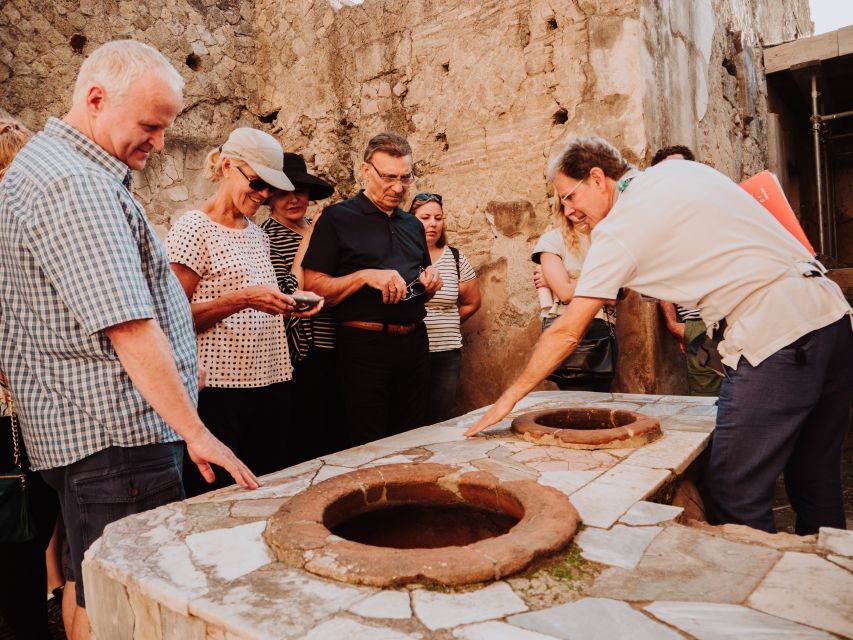
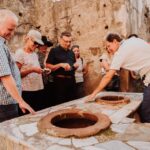
What makes this day tour special is the small group size (up to 10) and the fact that you’re guided by an archaeologist, not just a storyteller. With Benedetto Tourist Guide, you get the eruption context of Vesuvius in AD 79, plus the kind of detail that helps Pompeii and Herculaneum stop feeling like random ruins. You’ll also get that rare bonus: a guide with humor who still keeps the facts straight.
The catch: it’s a walking tour through uneven ancient streets, so it’s not suitable for people with mobility impairments or wheelchair users.
In This Review
- Key things to know before you go
- Pompeii and Herculaneum in one day: why the pairing matters
- Meet Benedetto at Ristorante Suisse (and get your bearings fast)
- Pompeii walk: from Porta Marina Inferiore to the Forum
- Pompeii timing: two hours that still feels like a full story
- Lunch break and the jump to Herculaneum by train
- Herculaneum’s quiet advantage: more intact and more personal
- The “small group up to 10” effect you’ll actually feel
- Price and value: what $141.61 covers (and why it’s not just the guide)
- What to bring (and what to double-check before you go)
- Logistics you should expect: transportation isn’t included, but help may happen
- Who should book this tour (and who should reconsider)
- Should you book this Pompeii and Herculaneum Archaeologist Tour?
- FAQ
- How long is the Pompeii and Herculaneum guided tour?
- Where do we meet the guide?
- Is this tour private or small group?
- What languages are available for the live guide?
- Are entry tickets included?
- Do I need to bring an ID?
- Is the tour suitable for wheelchair users?
Key things to know before you go
- Archaeologist-led in both sites: you’re not just seeing “big highlights,” you’re getting explanations tied to how Romans actually lived.
- Pompeii’s famous—and intense—evidence: frescoes, plus the victims’ remains and plaster casts.
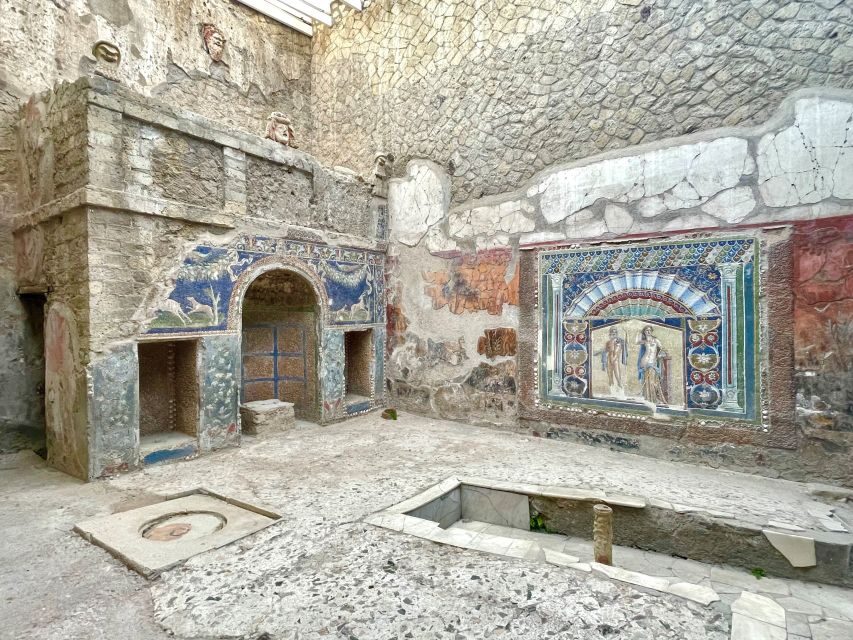
- Herculaneum’s better preservation: expect well-preserved wood, along with jewelry, mosaics, marbles, and skeletons.
- Small-group pacing: you can ask questions and still move through key spots without getting swallowed by huge crowds.
- Headsets for bigger groups: if the group is over 8, you’ll use headsets to hear the guide clearly.
Pompeii and Herculaneum in one day: why the pairing matters
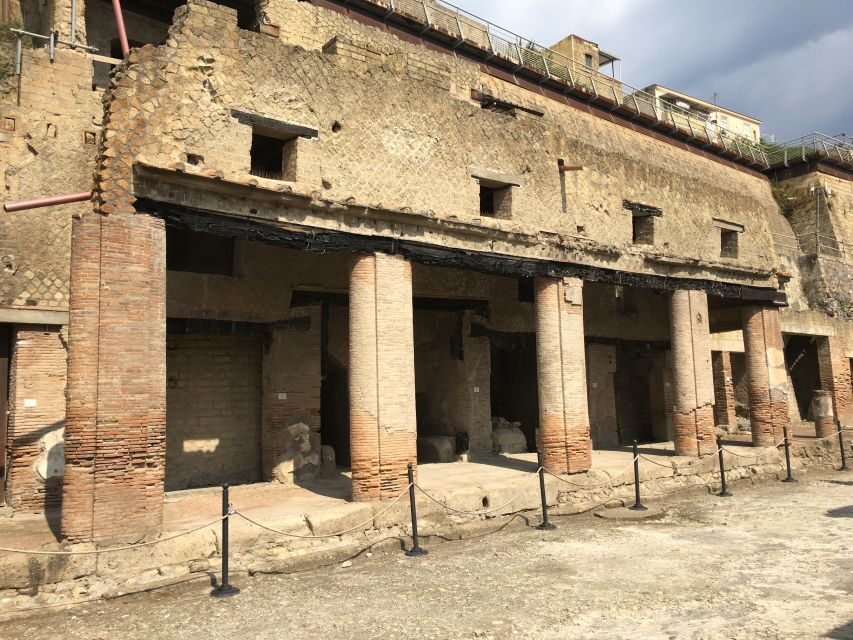
Most people pick either Pompeii or Herculaneum. This tour is smart because you see them as linked “case studies” of the same disaster.
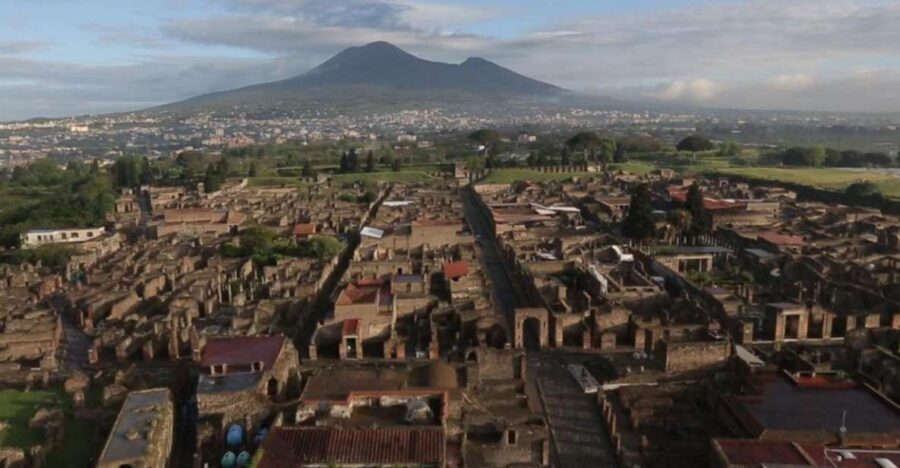
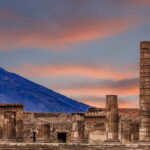
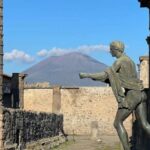
Pompeii gives you the broader picture: a whole Roman city abruptly buried by the AD 79 eruption of Vesuvius. Herculaneum shows what happens when preservation is different—so you can compare not only the buildings, but the quality of what survived.
And that contrast is exactly what you should hope for on a limited-time trip: not just two ruins, but two different outcomes of the same moment in history.
Other Herculaneum guided tours and tickets we've reviewed at Vesuvius & the Bay of Naples
Meet Benedetto at Ristorante Suisse (and get your bearings fast)
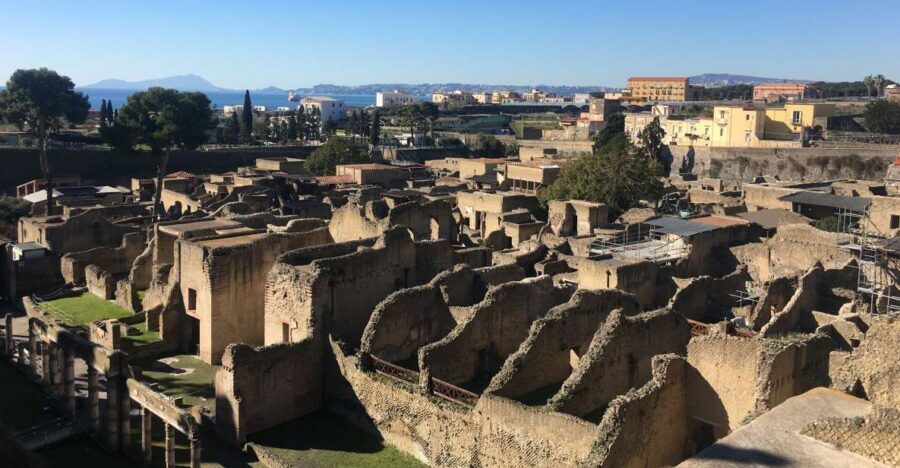
The tour starts at Ristorante Suisse, with your guide waiting for you at the meeting point holding a sign with your name. That sounds small, but it matters when you arrive in a busy zone near the entrance.
From the start, this feels organized rather than chaotic. Benedetto’s communication before the day is described as excellent, and on tour he’s the type who helps you work through practical questions without turning the day into a logistical mess.
One more important detail: your ticket for Pompeii is named. You need to bring the passport or ID card you used for booking, and after booking you’ll be asked for the first and last names of all participants.
Pompeii walk: from Porta Marina Inferiore to the Forum
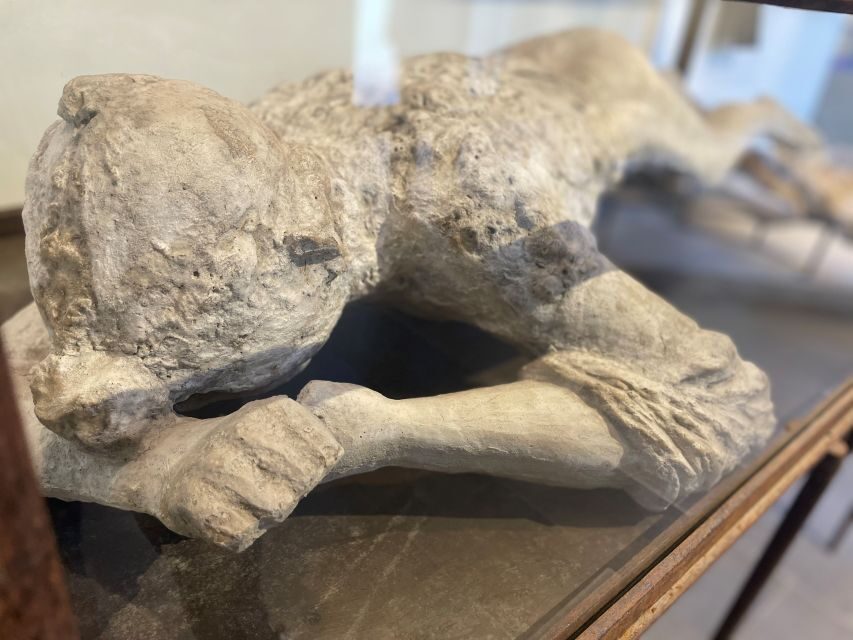
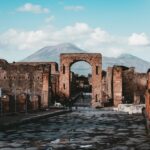
You begin in the Porta Marina Inferiore area and walk through the core parts of Pompeii in a way that builds understanding, not just checkmarks.
Expect stops that move from public life to private life:
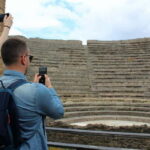
- You’ll pass through the theatre area, which helps you understand how Romans spent time and gathered.
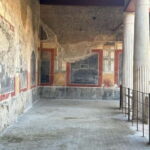
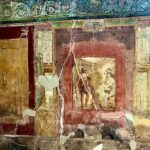
- Then you’ll reach ancient houses with mosaics, frescoes, and marble—the visual language of wealth, taste, and everyday comfort.
A big reason this part works with an archaeologist is simple: you’re not only shown what’s there. You’re guided to see what it means—how rooms functioned, what decoration suggests, and how daily routines may have looked before the eruption.
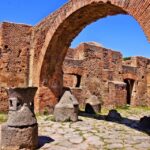
You’ll also walk past the city’s commercial heartbeat:
- shops
- Roman bakeries
- ancient snack bars
Then the route ends up at major civic-and-social spaces:
- the public baths
- the Lupanare (the famous brothel)
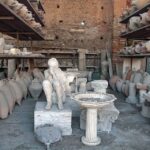
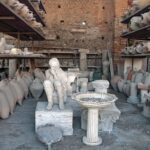
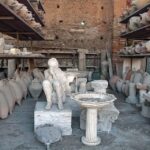
- and finally the Forum, including plaster casts of the victims
That last stop is the one that tends to stop people cold. If you’re sensitive to human remains, plan for an emotional moment. It’s also why Pompeii still feels more than “ancient buildings”: you see the human cost directly.
Pompeii timing: two hours that still feels like a full story
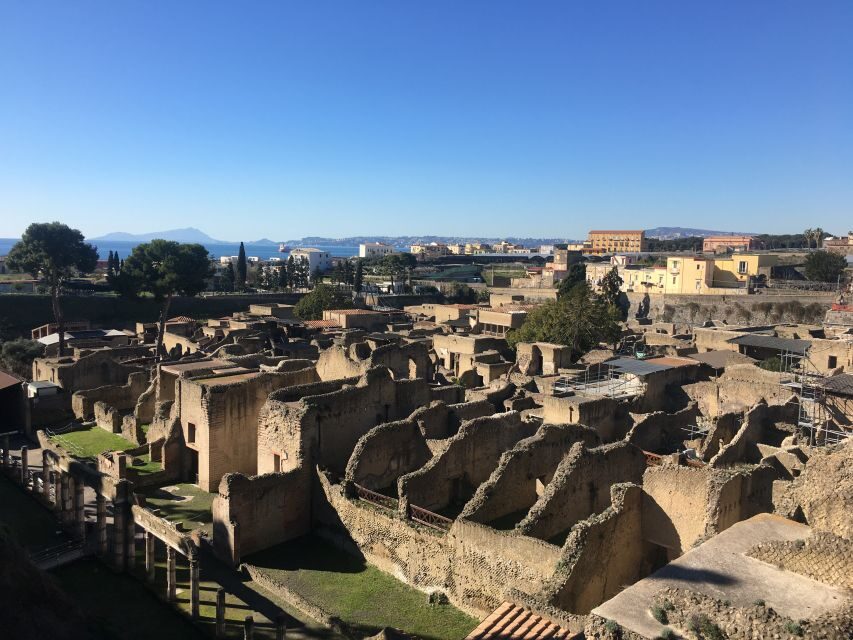
You’ll spend about 2 hours in Pompeii with a guided visit. That’s long enough to get key areas and not just skim the surface, but it’s also not so long that you lose your head to fatigue.
Pompeii can be crowded and hot. A small group helps a lot here. Reviews emphasize that Benedetto steers groups away from bigger crowds and uses smaller alley routes when possible, so you’re more likely to actually see details instead of standing behind everyone else.
Lunch break and the jump to Herculaneum by train
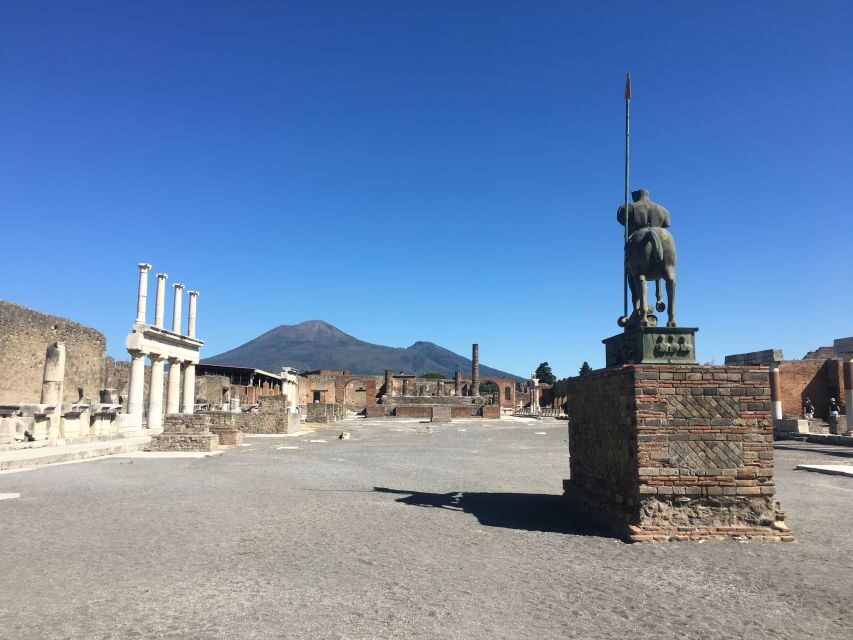
After Pompeii, you get a lunch break with free time. The pace is built in so you can reset before the next site, rather than trying to do everything at ruin-speed.
Timing is practical here: you’ll then take the train (about 20–30 minutes) to reach Herculaneum.
This transfer is one of the underrated parts of the day. Doing Pompeii and Herculaneum on your own can mean wrestling with transport plus time management. This structure keeps you from losing half a day to getting from one place to the other.
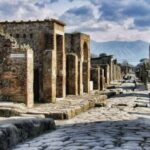

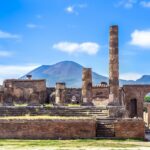

Herculaneum’s quiet advantage: more intact and more personal
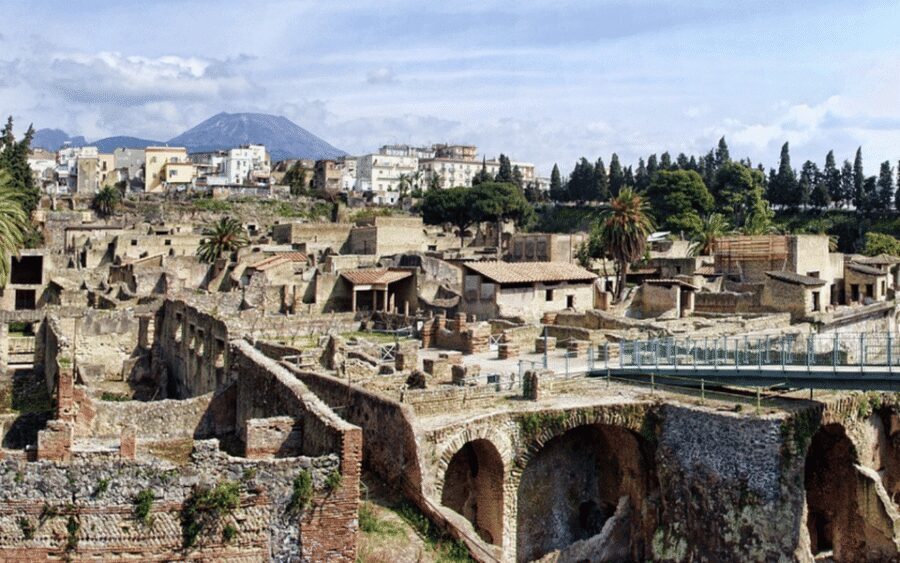
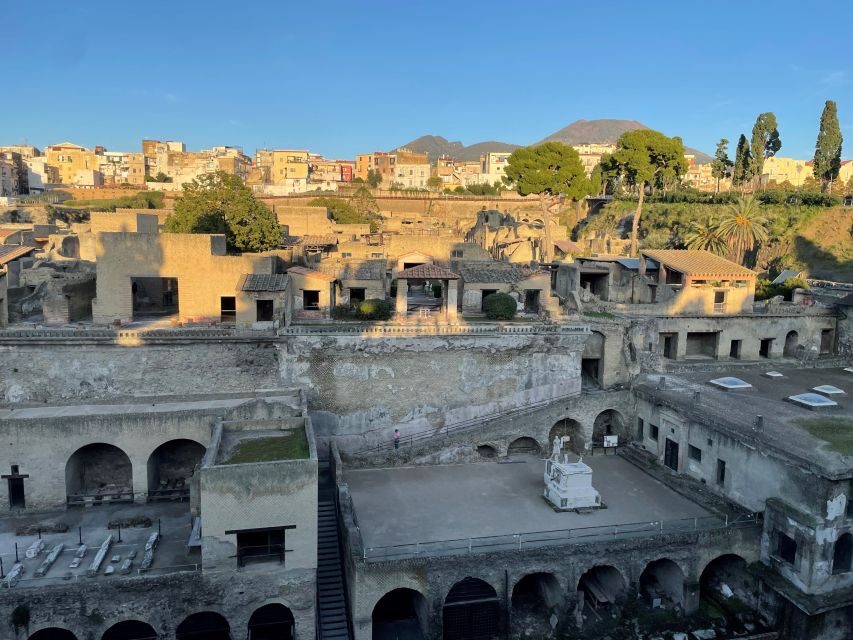
Herculaneum is often described as a jewel because it can feel calmer than Pompeii. The reason is right in the conservation: the burial and preservation conditions were different, so you can see more intact surfaces and materials.
You’ll spend about 1.5 hours at Herculaneum with guided attention. Here’s what you should expect to focus on:
- splendid residences
- frescoes, marbles, mosaics
- jewelry (yes, you really do get to think about personal style here)
- skeletons
- and exceptionally well-preserved wood
That last category changes the experience. Pompeii gives you “architecture and layout” in a dramatic way. Herculaneum can feel more like stepping into a lived space—because the materials survived.
The guide’s job in Herculaneum is crucial: it’s easy to look at beautiful decorations and forget that these were functional rooms full of habits. With an archaeologist, you’re pushed to connect design to daily use.
The “small group up to 10” effect you’ll actually feel
Big tours can be loud and rushed. This one is capped at up to 10 people, and that’s not just a comfort detail.
In practice, it means:
- you hear instructions without constantly craning your neck
- you can ask questions in real time
- the guide can adjust the flow when the group’s interests shift
Headsets are provided for groups larger than 8, which helps if you’re standing in tighter sections where sound travels.
This is also a family-friendly setup, and that matters. One reason this day works for kids is that the guide can explain the Roman world in plain language without treating children like background noise.
Price and value: what $141.61 covers (and why it’s not just the guide)
At $141.61 per person for a 5-hour day, the value depends on what you’d otherwise pay for.
You’re getting:
- an archaeologist guide
- entry tickets
- headsets if needed
- free time for lunch
You’re not paying separately for tickets, and the “skip the ticket line” detail saves time when entrances get busy. The archaeologist part is also a real cost driver. A trained expert typically means you’ll spend less time wandering and more time understanding why things are the way they are.
Also, the day includes both sites. If you’re trying to do Pompeii and Herculaneum in one trip, the pricing starts to look reasonable compared with buying two separate experiences and still trying to manage logistics yourself.
What to bring (and what to double-check before you go)
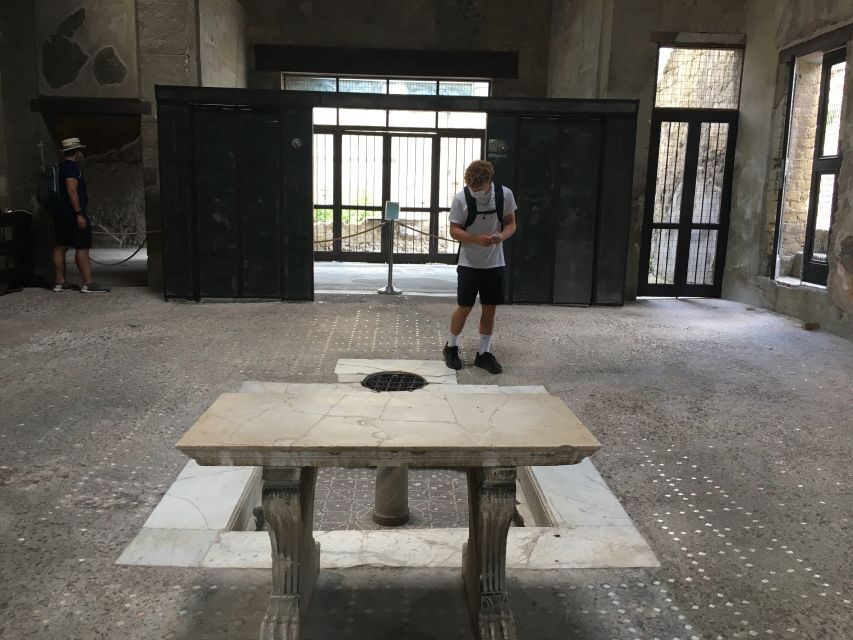
For this tour, packing is simple. Don’t overthink it—just show up prepared.
Bring:
- Passport or ID card (original)
- Comfortable shoes (you’ll be walking)
- Hat
- Water
Then double-check:
- your Pompeii ticket is named, so you’ll need to provide the correct first/last names after booking
- your ID matches what you provided
A practical seasonal note: Pompeii and Herculaneum can be hot, and you’ll want shade breaks. Reviews also note that the guide seeks shade on hot days, and spring can be easier than peak summer.
Logistics you should expect: transportation isn’t included, but help may happen
Transportation between the two sites is part of how the day runs, but transportation isn’t listed as included in the basic price. In other words, you shouldn’t plan on getting a private car without checking.
That said, Benedetto has a track record of helping solve transport headaches when they show up, including arranging taxis when needed. So if something goes sideways, you’re not being left alone to figure it out.
Who should book this tour (and who should reconsider)
This tour is a great fit if you:
- want to see both Pompeii and Herculaneum without turning it into a DIY puzzle
- care about what daily Roman life looked like, not just major monuments
- like photography and want the guide’s help spotting meaningful details
- appreciate a guide who uses humor while still keeping interpretations grounded in archaeology
Think twice if you:
- need wheelchair access or have mobility limitations (this is not suitable for wheelchair users)
- want a fully self-paced, “wander at will” day—this is structured for the key areas in limited time
- are very sensitive to human remains and the plaster casts of victims in Pompeii
Should you book this Pompeii and Herculaneum Archaeologist Tour?
If your time in Campania is tight, I’d book it. The biggest reason is the pairing: Pompeii shows the wider city story, while Herculaneum shows what survives when preservation is different. Add a doctor-level archaeologist guide (Benedetto) and a small group, and you get context without losing your day to crowd crush.
Book this tour if you want your ruins to come with explanations you can actually use while you’re standing there—especially in Pompeii’s houses, baths, and Forum, then again in Herculaneum’s preserved wood and decorated residences.
Skip it only if mobility access is a problem, or if you truly want an unstructured, slow walk. Otherwise, this is one of the more efficient ways to make Pompeii and Herculaneum feel like places people once lived.
FAQ
How long is the Pompeii and Herculaneum guided tour?
The tour lasts 5 hours total.
Where do we meet the guide?
You meet the guide at Ristorante Suisse. The guide waits for you at the meeting point with a sign showing your name.
Is this tour private or small group?
It’s offered as private or small groups, with a small group size up to 10 people.
What languages are available for the live guide?
The tour is available in English, Italian, and French.
Are entry tickets included?
Yes. Entry tickets are included, and there’s also skip-the-ticket-line access.
Do I need to bring an ID?
Yes. You should bring your passport or ID card (original), and Pompeii tickets are named, so the participant names must match what’s provided after booking.
Is the tour suitable for wheelchair users?
No. It’s not suitable for people with mobility impairments and not suitable for wheelchair users.