REVIEW · POMPEI CAMPANIA
Pompeii: Small-Group Tour of Pompeii and Herculaneum
Book on GetYourGuide →Operated by Askos Tours · Bookable on GetYourGuide
Two ruins, one day, and lots of ash. This is a small-group Pompeii and Herculaneum visit led by an archaeologist, built to make sense of what you’re looking at across both sites. You walk Pompeii first, then take the Circumvesuviana train to Ercolano for the second half.
I love how the tour stays archaeologist-led, with explanations that connect buildings, objects, and daily life instead of just naming places. I also love the Pompeii-to-Herculaneum contrast: Pompeii was buried by pumice and ash, while Herculaneum was smothered by a thick mud avalanche that kept rooms and surfaces in startling condition.
One thing to plan for: the day is long, and lunch time after Pompeii can feel short if you want a real sit-down break.
In This Review
- Key things you will notice right away
- A day that starts at Porta Marina Inferiore and ends in Ercolano
- Pompeii walkthrough: what you’ll focus on in the first 2 hours
- Break time after Pompeii: how to handle lunch and energy
- Circumvesuviana transfer to Herculaneum: short ride, big change
- Herculaneum streets and interiors: why the mud preserved everything
- The archaeologist guide factor: hearing the story, not just reading signs
- Comfort and timing tips for heat, crowds, and walking
- Price and value: why this guided day makes sense
- Should you book this Pompeii and Herculaneum archaeologist tour
- FAQ
- How long is the Pompeii and Herculaneum tour?
- How large is the group?
- Is the tour in English?
- Where do I meet the guide?
- How do you get from Pompeii to Herculaneum?
- Are there ticket lines, and do tickets get handled?
- What should I bring?
- Is this tour suitable for wheelchair users or people with mobility impairments?
Key things you will notice right away
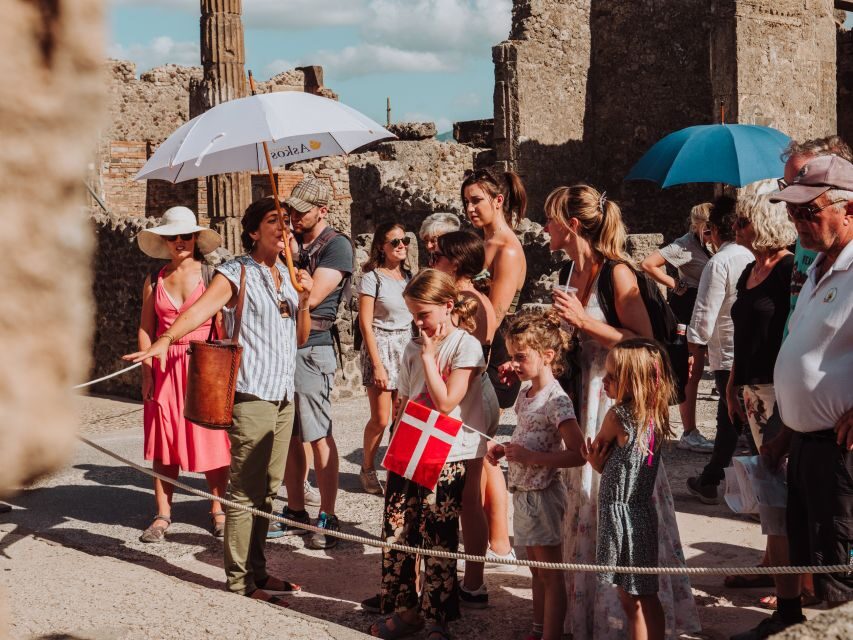
- Up to 20 people means you can actually hear and ask questions
- Skip-the-line entry so you spend more time walking the ruins
- Two different burial stories: ash at Pompeii, mud at Herculaneum
- Ear headsets when the group is bigger than 10, so your guide’s voice stays clear
- A fast train hop to Ercolano instead of a complicated second bus ride
A day that starts at Porta Marina Inferiore and ends in Ercolano
You meet at Piazza Porta Marina Inferiore, 1, at the left side of the Pompeii entrance near the Arte bus stop. Look for an Askos Tours sign on-site, and try to arrive a few minutes early so you’re not rushing before the walk begins. The tour ends at Parco Archeologico di Ercolano, not back at Pompeii.
This setup matters because it keeps the day flowing. You go from guided walks to a short transfer, and then you’re already in Herculaneum when the best-preserved interiors can really hit you.
Other Herculaneum guided tours and tickets we've reviewed at Vesuvius & the Bay of Naples
Pompeii walkthrough: what you’ll focus on in the first 2 hours
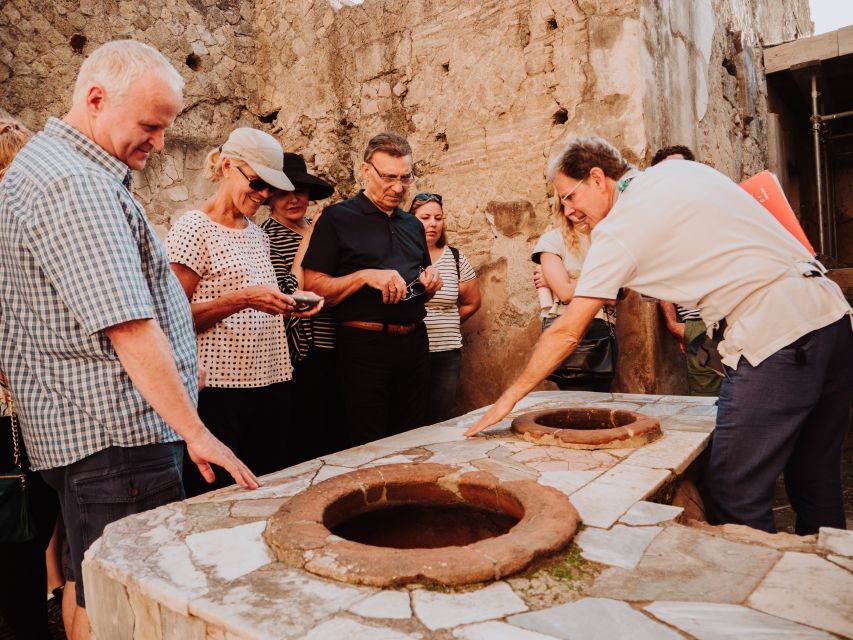
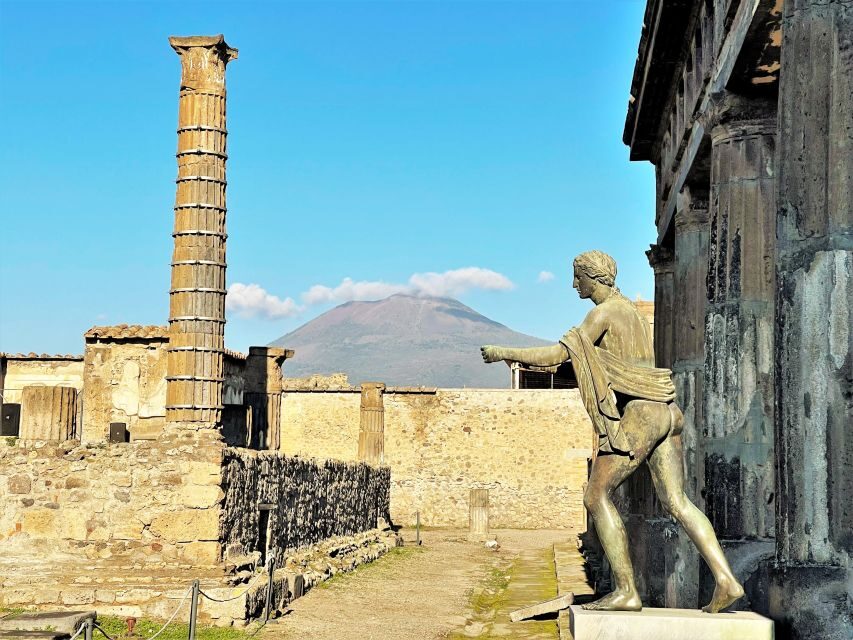
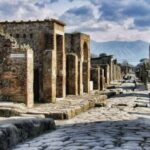
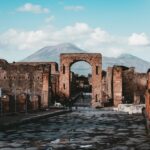
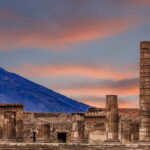
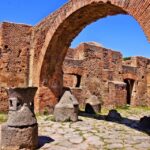
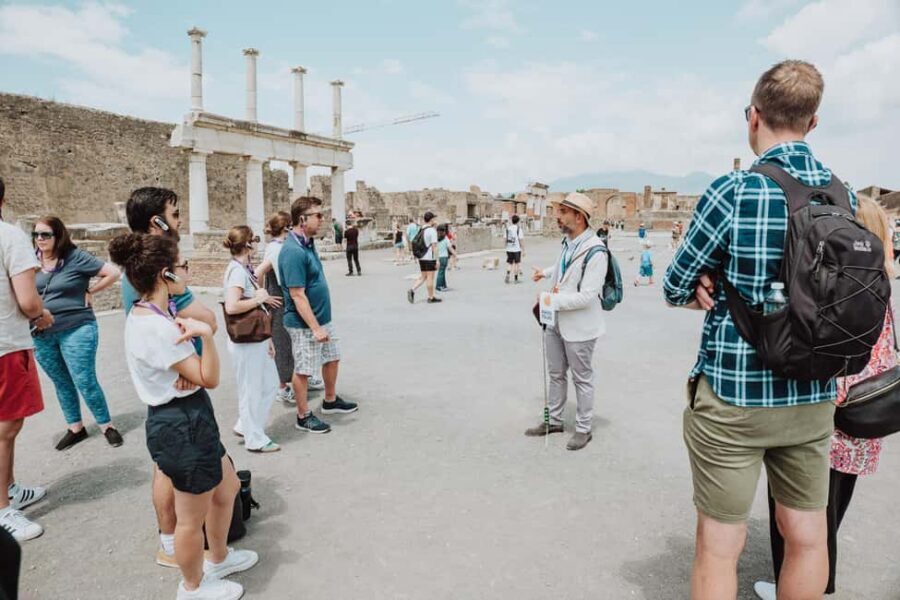
Pompeii is the bigger, louder site—crowds, lines, and signs everywhere can make it feel like information overload. That’s exactly where a good archaeologist guide earns their keep, because you’re not just wandering. Your guided walk is designed to show you what to look for, and why it matters.
Expect the guide to connect the ruins to everyday Roman life: streets, homes, public spaces, and the way wealth and status show up in architecture and decoration. In reviews, guides like Diego, Sergio, and Alfredo were singled out for pointing out the more interesting areas and giving explanations that are hard to get from reading alone.
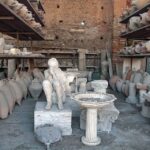
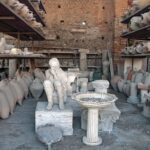
A heads-up: Pompeii can be emotionally heavy. It’s built around a real disaster, and the preserved details can make the scale of what happened feel very close, not abstract. If you’re the type who likes context, your guide’s pace usually helps you process it.
Break time after Pompeii: how to handle lunch and energy
After Pompeii, you get a break (about 30 minutes) to grab lunch or use the time for a quick look around souvenir shops nearby. This is the part where you’ll want to manage expectations. A few people felt they could have used more time to sit down and cool off after the two-hour walk.
My practical advice is simple: eat something quick but filling, and don’t save it all for the last few minutes. Pompeii is often hot, and you’ll move again soon. If you can, use the break for water too, not just food.
Also, check whether you brought sunglasses and a hat for the sun. In summer, this day can feel like a long sprint on uneven stone.
Circumvesuviana transfer to Herculaneum: short ride, big change
Next comes the transfer by Circumvesuviana train to Ercolano, a short ride that shifts the atmosphere. You’re moving from a larger, more exposed site to a smaller one that’s easier to get your bearings in.
This is also where the guide’s storytelling often helps. You’ll stop thinking of it as two separate ruins and start seeing them as linked parts of one catastrophe in A.D. 79. When your guide frames the sites side-by-side, you start noticing the differences in surfaces, rooms, and what survived.
Keep an eye on timing, too. One review noted the day can run long if the train is delayed due to an emergency, so it’s worth building in patience rather than assuming every minute will be perfect.
Herculaneum streets and interiors: why the mud preserved everything
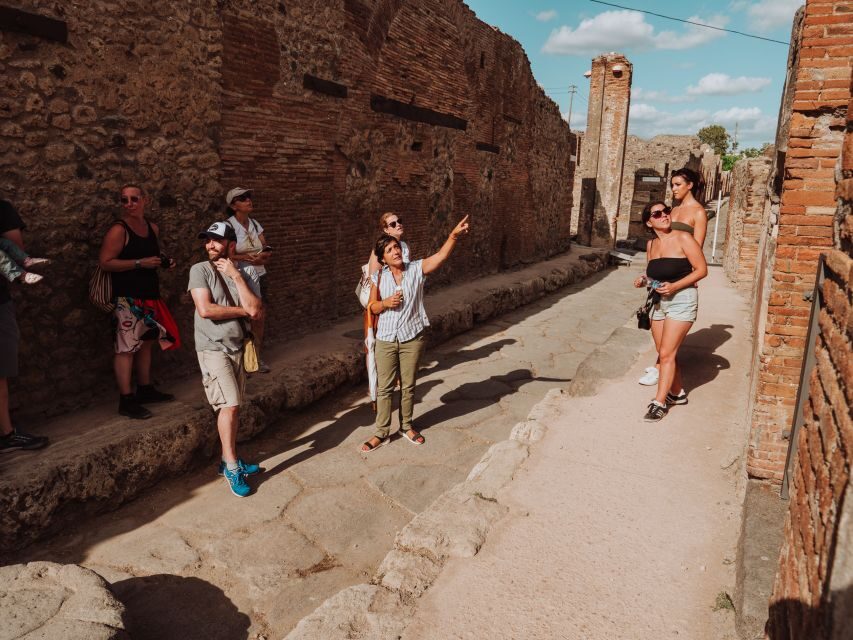
Herculaneum is smaller than Pompeii, but that’s exactly why it feels so different. Your guided walk runs about 2 hours, focusing on the places where preservation lets you see more of daily life.
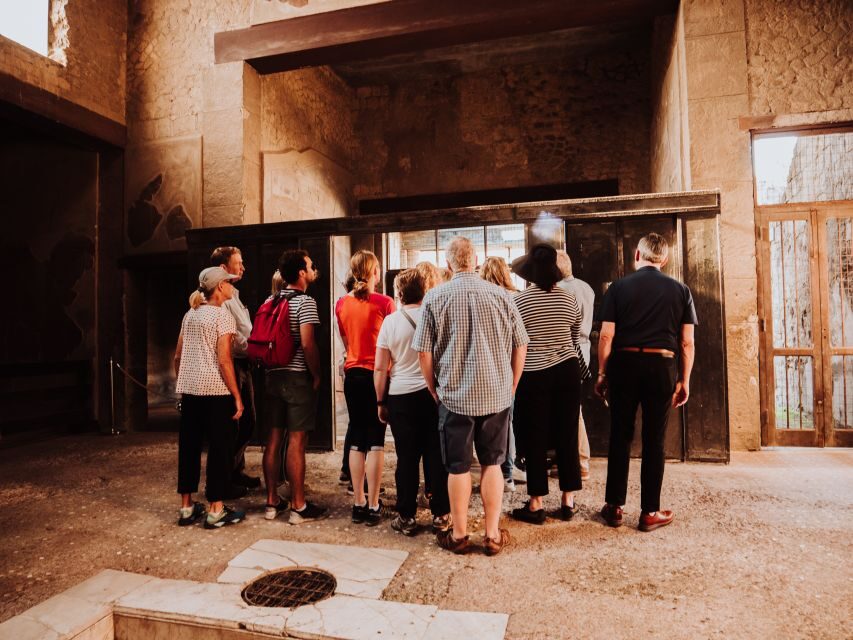
Here’s the key contrast that makes Herculaneum special: while Pompeii was covered in roughly four meters of ash, Herculaneum was buried under an avalanche of mud about 20 meters thick. That thick coating helped preserve second floors, carbonized wooden objects, intact paintings, and mosaics that can still be viewed.
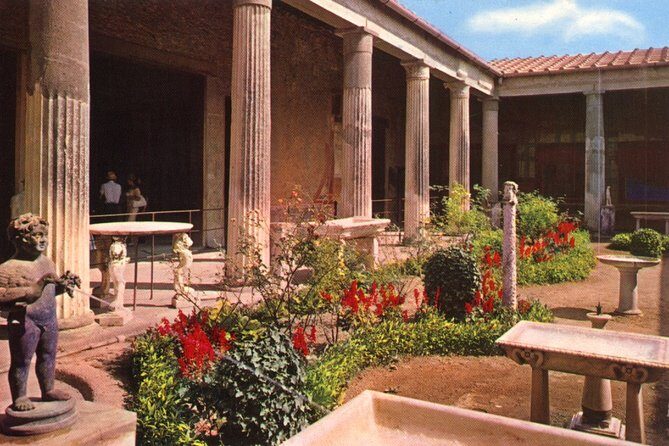
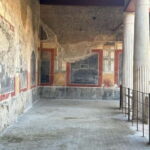
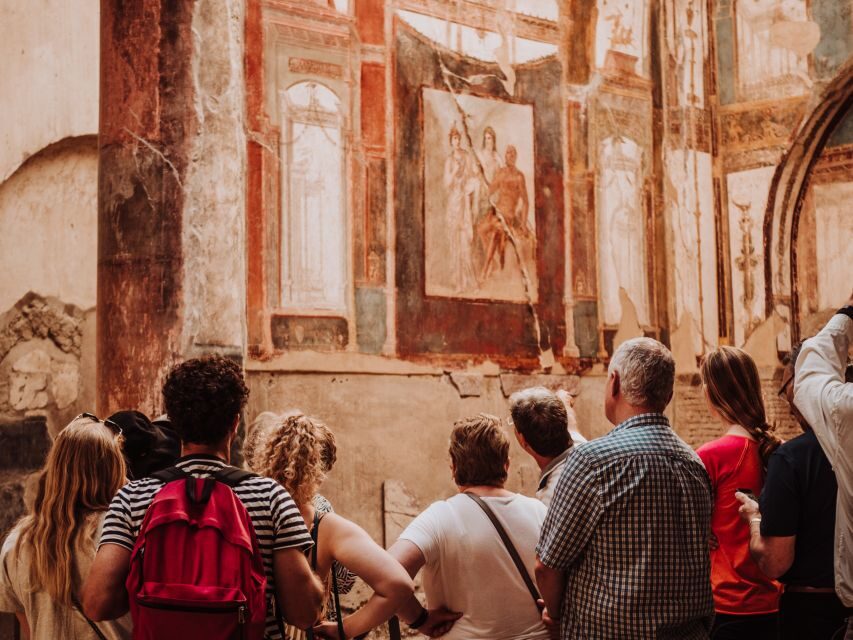
If you like to picture how people lived, Herculaneum gives you better “room-level” clues. Reviews consistently point out how the preserved tiles, mosaics, frescoes, and paintings make the Roman world feel less like ruins and more like inhabited homes that simply froze in time.
And yes, there’s still plenty of heartbreak in this site too. But the focus tends to be on what survived: the details that show comfort, taste, and status—especially among wealthier citizens of the Roman Empire.
Other small group tours we've reviewed at Vesuvius & the Bay of Naples
The archaeologist guide factor: hearing the story, not just reading signs
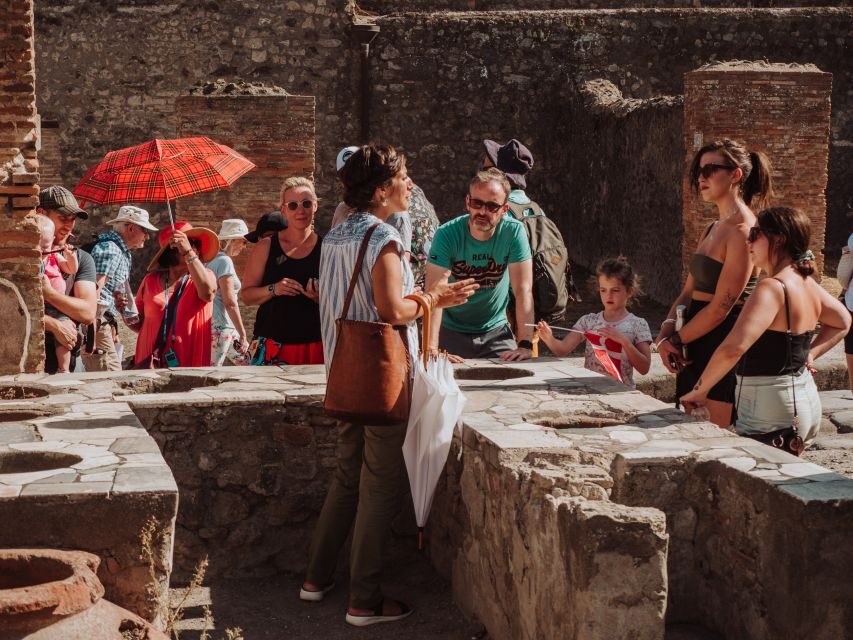
A random walk through Pompeii and Herculaneum can work if you’re fluent in history and patient with signage. If you’re not, the guided element becomes the value. The archaeologist adds structure: they explain what you’re seeing, then connect it to the “why” behind the layout and objects.
In reviews, guides were praised for answering questions easily and keeping the tone friendly without turning serious history into a lecture. People also talked about guides like Paulo and Vincenzo for making complex subjects clear, with humor and energy that helped the day stay moving even when it was crowded.
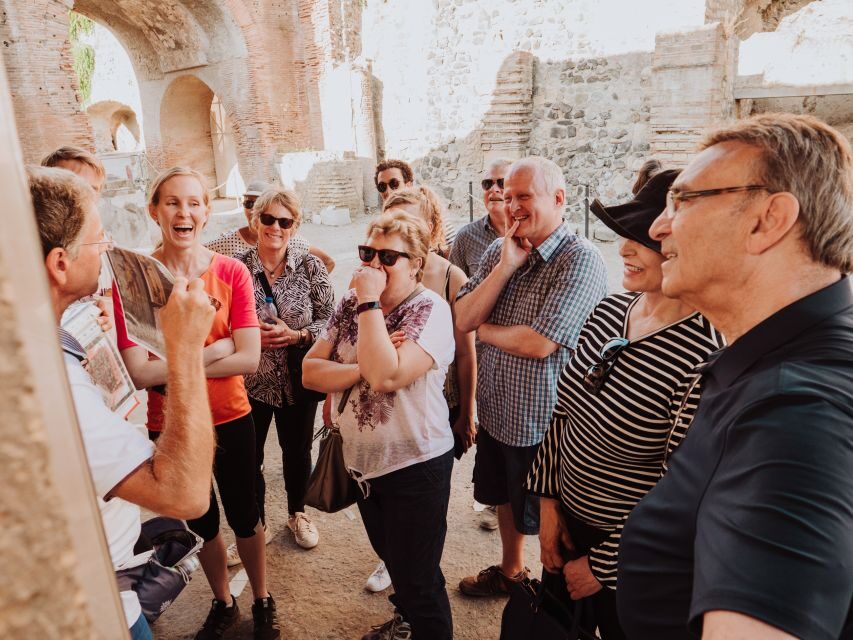
A small detail that helps a lot: headsets are provided for groups larger than 10 participants. That means you’re not playing phone-tag with your fellow visitors while trying to hear your guide over the noise of the site.
If you want to get the most out of your two-site day, come with a few basic questions. Things like how homes worked, what daily routines looked like, or why preservation differs so dramatically will get better answers when your guide can point to a specific spot and explain it in context.
Comfort and timing tips for heat, crowds, and walking
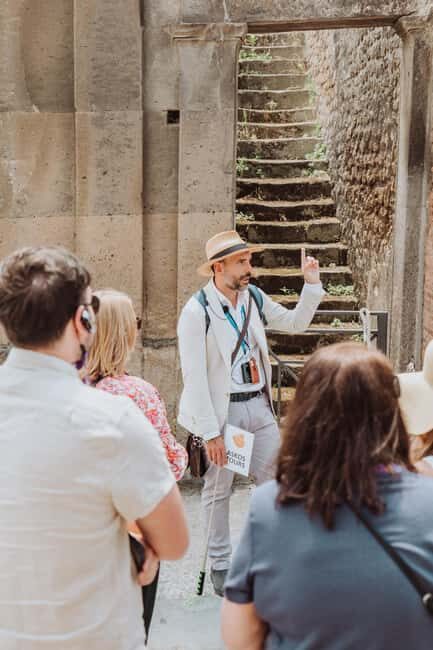
This is not a sit-and-stare tour. You’ll be on foot through both ruins, and the ground can be uneven. Wear comfortable clothes and closed walking shoes, then treat sunglasses, a hat, and water as non-negotiables in warm weather.
Bring a raincoat or poncho too. Conditions can change fast around the Bay of Naples area, and you don’t want wet clothing to slow you down.
Two extra practical notes from the way the day runs:
- There’s free luggage storage at both sites, which can make the day less stressful if you’re coming from Naples.
- The meeting point is close to public transit (near the Circumvesuviana area), but you still need a few minutes to find the right entrance section and the guide with the Askos Tours sign.
If you have mobility issues or use a wheelchair, this tour isn’t suitable. The walking and site conditions won’t align with the tour’s format.
Price and value: why this guided day makes sense
No price is listed here, so I can’t tell you if it’s the cheapest option. What I can say is how the value tends to work for a day like this.
You’re paying for three things that are hard to replicate on your own:
- An archaeologist guide who helps you understand what you’re looking at, not just where to walk.
- Time efficiency, including guided routing through the major areas and skip-the-ticket-line support.
- Logistics built in, especially the train transfer to Ercolano so you don’t spend extra time planning and figuring out schedules.
Also, the ticket situation for Herculaneum matters. Entry to Herculaneum costs 16.00 euros for adults, and 2.00 euros for EU citizens aged 18–25. The tour’s setup is meant to keep that part from turning into a stressful line-and-wait day.
If your goal is maximum ruins per hour with real context, this is the kind of tour that often feels worth it even when it’s not the lowest-cost choice.
Should you book this Pompeii and Herculaneum archaeologist tour
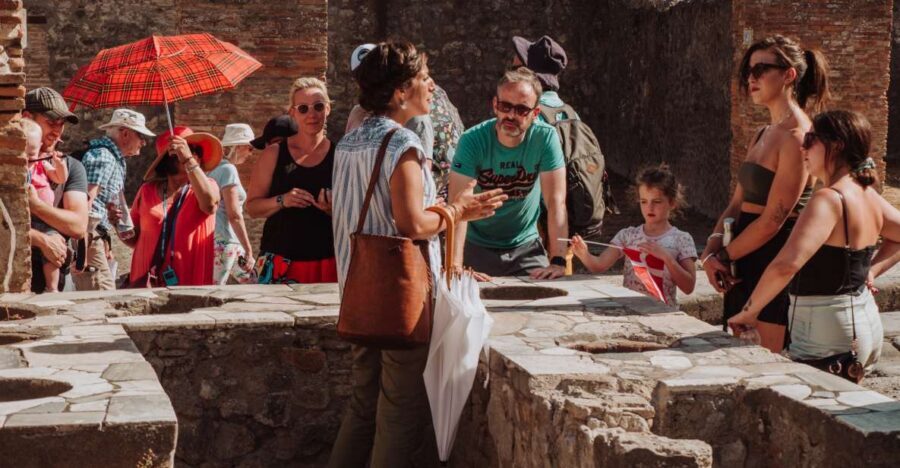
Book it if you want the most sense out of your time. A small group up to 20 plus an archaeologist guide is ideal when you’d rather understand the sites than just collect photos. If you’re torn between seeing just Pompeii or seeing both, the Pompeii-and-Herculaneum pairing is the point.
Don’t book it if you need long, seated meals or totally step-free access. Lunch after Pompeii is brief, and the walking is the core of the experience. Also skip it if you’re traveling with mobility limitations.
If you’re flexible, you’ll also like the planning options: free cancellation up to 24 hours in advance and reserve now, pay later help you adjust if the rest of your trip shifts.
FAQ
How long is the Pompeii and Herculaneum tour?
The tour lasts about 5.5 hours, with guided time in Pompeii, a short break, a train transfer, and then a guided walk in Herculaneum.
How large is the group?
It’s a small-group tour with a maximum of 20 people.
Is the tour in English?
Yes. The tour guide offers live commentary in English (and also Italian).
Where do I meet the guide?
Meet at Piazza Porta Marina Inferiore, 1, on the left side of the Pompeii entrance near the Arte bus stop. The guide will have an Askos Tours sign.
How do you get from Pompeii to Herculaneum?
You take the Circumvesuviana train to Ercolano, a short trip, and then begin the guided walk in Herculaneum.
Are there ticket lines, and do tickets get handled?
The tour includes skip-the-ticket-line access. Ticket details for Herculaneum are listed as 16.00 euros for adults and 2.00 euros for EU citizens aged 18–25.
What should I bring?
Bring a passport or ID card, plus comfortable clothes. If you’re going in warm weather, pack sunglasses, a hat, and water. In case of sudden rain, bring a raincoat or poncho.
Is this tour suitable for wheelchair users or people with mobility impairments?
No. The tour is not suitable for people with mobility impairments and wheelchair users.
If you tell me your travel month and where you’re starting from (Naples, Sorrento, or Rome), I can suggest the best way to build the rest of the day around this ending in Ercolano.