REVIEW · NAPLES
Private Herculaneum Tour – Top Experience with Local Guide
Book on Viator →Operated by Leisure Italy · Bookable on Viator
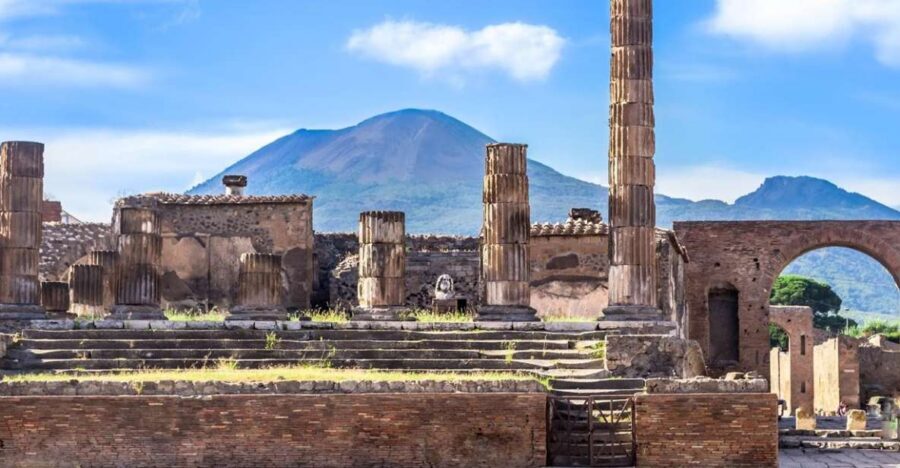
Herculaneum still feels like a town. This private tour takes you into the Parco Acheologico di Ercolano with a local guide who helps you read the ruins like a story, from charred waterfront evidence to elegant Roman homes. It is smaller, calmer, and better preserved than Pompeii, so you spend more time understanding and less time rushing through.
I especially like the private guide angle. You set the pace, you can ask questions, and the tour gives you real context on how people lived—wine sellers, bath-goers, athletes, and the families who sheltered by the sea as the eruption closed in.
The second big win is the optional Cantina del Vesuvio add-on. You get vineyard scenery on Vesuvius slopes, an enologist-led explanation of terroir and native grapes, plus a relaxed lunch and tasting. One thing to consider: there is a moderate amount of walking on uneven ground, so wear comfortable shoes and plan for time outdoors.
In This Review
- Key highlights at a glance
- Why Herculaneum feels easier to understand than Pompeii
- Meeting point, pickup options, and how the private format plays out
- Parco Acheologico di Ercolano: reading streets, shops, baths, and homes
- Boat Pavilion first: how archaeology gives you evidence of real life
- Antiquarium stop: original artifacts that prepare you for the ruins
- The ancient beach and vaulted boat houses: the town’s last moments
- Casa dei Cervi and Casa di Nettuno e Anfitrite: mosaics and status on the waterfront
- Palestra and the Women’s Baths: Roman routines, not just monuments
- Ad Cucumas and Casa del Bicentenario: street life and family-scale power
- Sacello degli Augustali and Casa del Tramezzo di Legno: religion and privacy in the same town
- Casa dello Scheletro: the room that changes the tone of the whole day
- Optional Cantina del Vesuvio winery lunch: Vesuvius views that make the story land
- Price and value: what you are really paying for
- Who this tour fits best (and who might want something else)
- Should you book this Private Herculaneum Tour?
- FAQ
- How long is the Private Herculaneum Tour?
- Is pickup available?
- Where does the tour start?
- Is this tour private?
- How much walking is involved?
- Can I add the winery lunch on Vesuvius?
Key highlights at a glance
- A private, paced visit to Herculaneum so you can ask questions and linger
- Boat Pavilion and the carbonized waterfront where the last hours feel heartbreakingly real
- Antiquarium orientation with original artifacts that make the park easier to understand
- Wood preserved by eruption heat including rare survivals like charred timbers and wooden partitions
- Waterfront villas with major mosaics and refined interiors (including Neptune and Amphitrite)
- Optional Vesuvius winery lunch with views across the Bay of Naples
Why Herculaneum feels easier to understand than Pompeii
Herculaneum is the rare archaeological site that does not feel like a pile of stones. The town was smaller and—because of how it was buried—many details survived in ways you do not always get elsewhere. On this kind of private visit, that matters. You are not just seeing walls; you are connecting rooms, stairs, streets, and waterfront features into one working picture of daily life.
This tour works well if you like history but hate the “checklist and sprint” style. The ruins are compact enough that your guide can explain why certain places mattered—economy by the sea, civic religion, private status, and public routines—without burning your feet.
Also, the emotional weight is real. Stops tied to the town’s waterfront tragedy and the charred remains of boats and structures are not just shocking visuals. They help you understand the eruption as something sudden and local, not a distant event frozen in textbooks.
Other Herculaneum guided tours and tickets we've reviewed at Vesuvius & the Bay of Naples

Meeting point, pickup options, and how the private format plays out
You meet at the Archaeological Park of Herculaneum, Corso Resina, 187, 80056 Ercolano NA, Italy. The tour ends back at the same meeting point, which keeps things simple.
If you choose the option with transportation, pickup is flexible and can be anywhere in Naples or Sorrento. If you go with the walking tour only option, you meet your guide at the archaeological site itself. Either way, you should expect a straightforward plan: a private group, an English guide, and a mobile ticket.
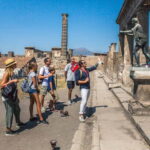
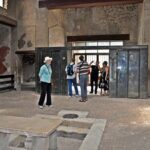
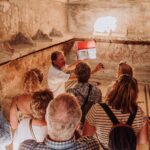
Because it is private—only your group participates—the pacing feels different. You do not get yanked along with strangers who want to take photos every 30 seconds or who move slow. Your guide can slow down where you care most, like mosaics, bath engineering, or the waterfront evidence.
Parco Acheologico di Ercolano: reading streets, shops, baths, and homes
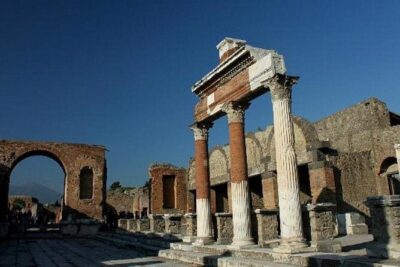
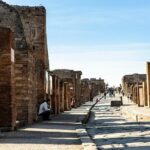
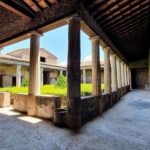
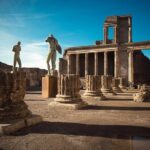
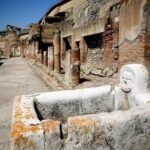
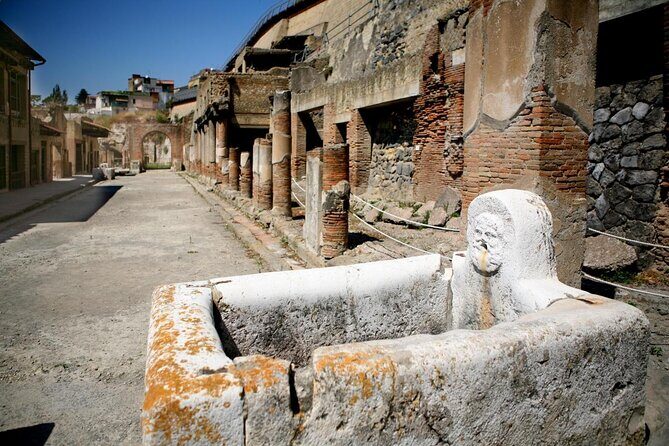
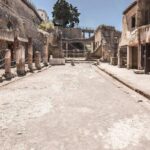
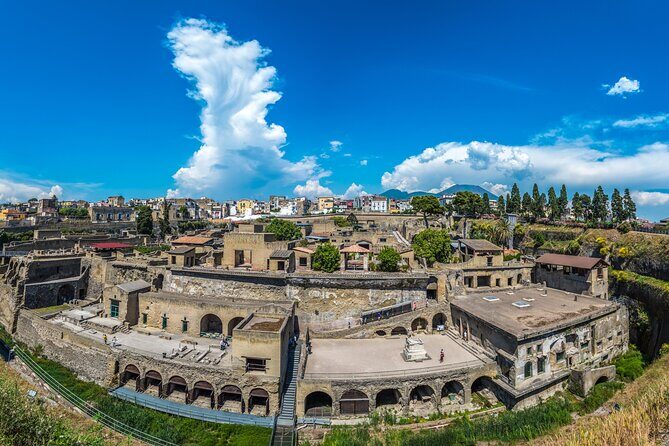
The park is the heart of the experience, and the value of a private guide shows fast. With the guide, the site stops being a series of disconnected rooms and becomes an actual town grid. You see clues of what people did: commerce, leisure, dining, bathing, and daily routines.
What makes Herculaneum special is how much you can still recognize. You can picture wooden furniture, mosaics, bath spaces, and even the layout of shops. Your guide helps you connect those details to the bigger theme of the town: a seaside community with strong social class differences, and a life that revolved around both the shore and Roman civic culture.
Also, you are not forced to spend the whole day here. The standard tour length runs about 2 to 6 hours, depending on what else you add. If you want a half-day plan that still feels substantial, this is a good fit.
Boat Pavilion first: how archaeology gives you evidence of real life
One of the most striking stops is the Boat Pavilion. This is where you see carbonized remains of ancient boats and waterfront structures preserved under volcanic deposits. The result is more than spectacle. It is a chance to understand how Herculaneum’s economy and connections worked through sea trade and transport.
What I like about doing this early is orientation. The waterfront side of Herculaneum can otherwise feel “background.” Here, it becomes central. Your guide ties the boats and dock features to the people most likely using them—fishermen, merchants, and officials.
If you are a visual learner, this stop hits hard. You see physical remains that archaeologists use to reconstruct what happened and what mattered to residents during the eruption.
Antiquarium stop: original artifacts that prepare you for the ruins
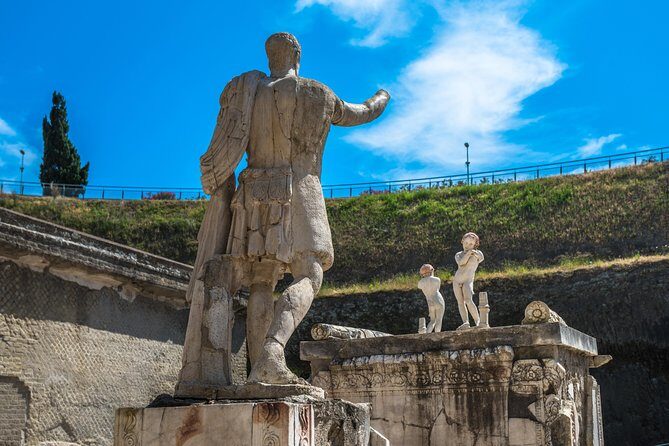
Before you wander further into the open areas, the Antiquarium works like a decoder ring. This small museum gives you an introduction through original artifacts—statues, inscriptions, household objects, and personal items.
You also get a rare kind of evidence: charred timbers preserved by volcanic heat. That matters because wood often disappears over time. Here, those fragments support what you are seeing outside—wooden architecture and waterfront construction clues that would be harder to understand without this context.
Your guide’s role is practical: they help you translate what you are looking at into what it likely meant in everyday life. When you step back outside into the park, you already have mental anchors. It makes the rest of the visit feel more coherent.
Other guided tours in Naples


The ancient beach and vaulted boat houses: the town’s last moments
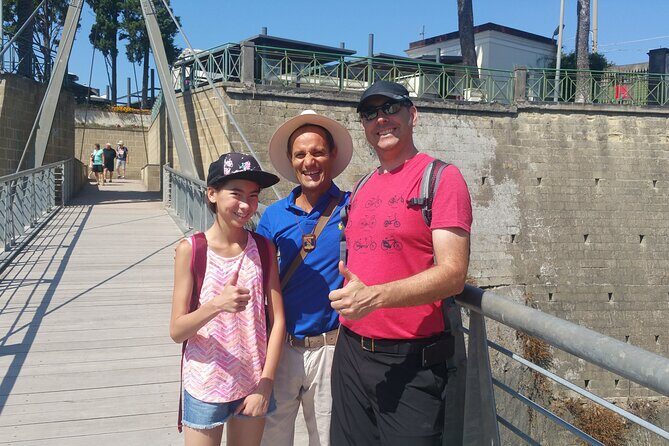
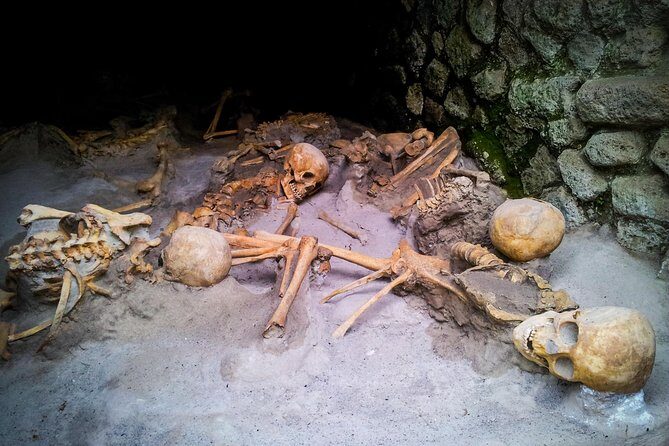
Then you reach the shoreline area, and it is sobering in a way that stays with you. Your guide leads you to vaulted boat houses along what was once the beach, where archaeologists uncovered skeletons of hundreds of people who gathered at the water’s edge during the eruption, hoping for rescue by sea.
Seeing remains in place changes the emotional tone. The tragedy stops being an abstract story and becomes personal. It also helps explain the site’s defining detail: how close Herculaneum once sat to the sea, and how the pyroclastic surge overtook waterfront areas in seconds.
If you want a “why it happened here” stop that makes the geography click, this is it.
Casa dei Cervi and Casa di Nettuno e Anfitrite: mosaics and status on the waterfront
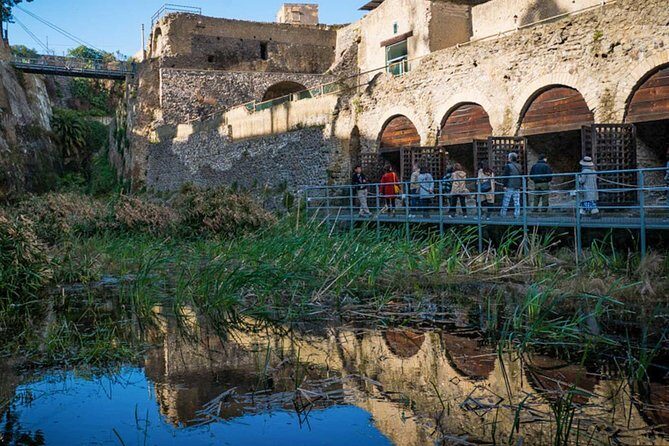
After the waterfront evidence, the tour shifts back to life as it was—especially through waterfront homes.
At Casa dei Cervi, you explore an elegant seaside residence with marble floors, colonnaded garden spaces, and rooms that once showed off fine taste. The modern name comes from marble statues of stags being attacked by hunting dogs that were found in the garden and displayed separately. Your guide explains architectural details and social customs, which helps you understand what “upper class” living meant here, not just what the rooms looked like.
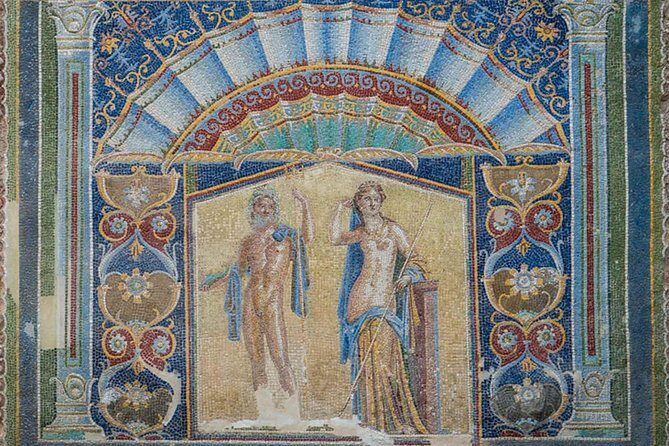
Then Casa di Nettuno e Anfitrite delivers a major wow factor: a dazzling wall mosaic with sea-god Neptune and the nymph Amphitrite. The tiny glass tesserae still show crisp blues and golds, even after two thousand years. Around the mosaic are traces of a private dining room and a decorated nymphaeum. With your guide pointing out decorative and water-related features, the house becomes a lesson in how art, status, and daily domestic life blended together.
If you love mosaics, this pair is worth the trip alone.
Palestra and the Women’s Baths: Roman routines, not just monuments
Not every highlight is elite living. You also see how people trained, relaxed, and socialized.
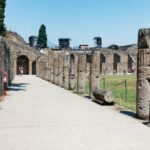
At the Palestra, your guide frames it as a Roman sports and social club. You walk around the open courtyard framed by porticoes and can imagine young men training and gathering for events. The scale tells you it was not just physical exercise. It also linked to education and civic identity.
Next, the Women’s Baths shift the focus to personal care and social life. You move through changing areas and into heated spaces where Roman engineering is visible in the building design. Hollow floors and wall pipes carried hot air to warm rooms. Marble benches and mosaic floors add comfort and style, so the baths feel like both practical infrastructure and a refined social setting.
If you want a tour that explains how ordinary routines worked in an ancient city, these stops do that fast.
Ad Cucumas and Casa del Bicentenario: street life and family-scale power
Herculaneum is also full of everyday details that make it feel human.
At the tavern area marked by Ad Cucumas, you see an ancient painted advertisement promoting wine by the jug. The text and prices are still legible, which is a rare moment of direct commerce from the ancient world. It is the kind of stop that makes you realize how familiar street marketing is—same problem, same need: get people’s attention and sell a drink.
Then you reach Casa del Bicentenario, a refined townhouse that shows how polished Roman urban living could be. Look for vivid wall paintings, wooden partitions, marble thresholds, and even a small domestic shrine with delicate frescoes. There are archival photos on site that link early discovery to later excavation work.
A standout detail here is the kind of evidence that shows legal and civic involvement. Excavations yielded carbonized wooden writing tablets tied to property and inheritance disputes. That means the household was not only living a lifestyle. It was also dealing with the paperwork of owning, inheriting, and navigating society.
Sacello degli Augustali and Casa del Tramezzo di Legno: religion and privacy in the same town
To understand Herculaneum as a provincial city connected to Rome, the Sacello degli Augustali adds a political and religious layer. This small temple-like space was dedicated to the imperial cult, where local elites honored the emperor as a living symbol of Rome’s power. Inside, fragments of frescoes show Hercules paired with members of the imperial family—an intentional blend of local myth and imperial messaging.
It may be easy to think of ruins as isolated homes and streets. This stop reminds you the town had civic identity tied to larger Roman structures.
Then Casa del Tramezzo di Legno brings you back to domestic life—with one of the most rare features in the whole visit: a wooden partition wall preserved carbonized by the eruption. Walking through the reception and private areas helps you see how social choreography worked. Where guests were welcomed, where business happened, and where family life stayed out of sight.
That ability to feel privacy and hospitality as physical space is exactly why a private guide helps. You notice the layout and learn what it likely meant.
Casa dello Scheletro: the room that changes the tone of the whole day
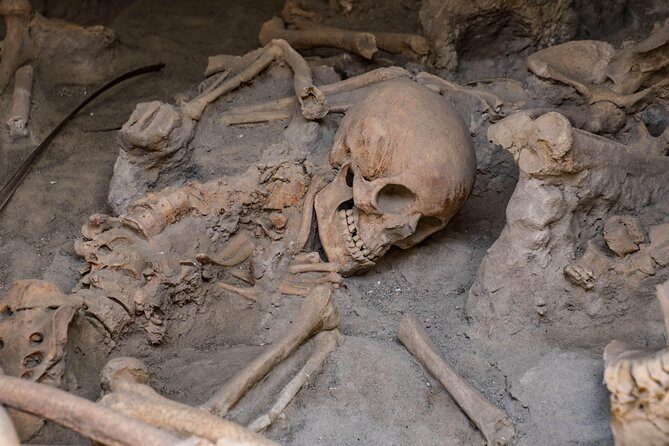
The visit culminates at Casa dello Scheletro (House of the Skeleton). This is the stop that lingers. Inside, you see skeletal remains of a resident discovered in the house, surrounded by architectural details like room divisions, fresco fragments, and decorative flooring.
It is not just a morbid fact. It connects you to a lived interruption: Herculaneum was a working town where people slept, ate, argued, and hosted visitors. Suddenly those choices—and that daily rhythm—ends.
If you are sensitive to intense sights, this is where you may want to pause, take your time, and let your guide pace you. The goal is understanding, not rushing through shock.
Optional Cantina del Vesuvio winery lunch: Vesuvius views that make the story land
If you add the winery option, you leave the park behind and move onto the slopes of Mount Vesuvius. Cantina del Vesuvio is family-run, and volcanic soils shaped grape growing here for generations.
You stroll the vineyards with an enologist who explains how terroir affects native varietals used for the region’s historic Lacryma Christi wine. After that, you get a relaxed lunch and tasting with local dishes paired to estate bottles.
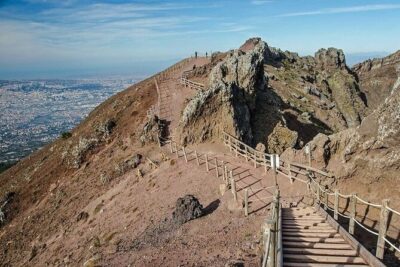
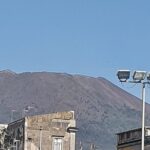
The terrace views matter too. You get sweeping scenery across the Bay of Naples, with Vesuvius in the background. That context helps tie land and tradition together, instead of treating the volcano as just a disaster in the past.
This add-on is listed as about 1 hour 30 minutes, which makes it a good way to round out a half-day plan without turning it into an all-day slog.
Price and value: what you are really paying for
The price is $142.82 per person, and the biggest question is whether it buys you more than a basic entry ticket.
Here, you are paying for three things:
- Private guidance that turns ruins into explanations you can carry with you
- Admission included for the park (and the winery option when selected)
- The option for pickup via private transportation if you are coming from Naples or Sorrento
In practical terms, a private guide saves you from getting lost in the “what am I looking at” gap. It also helps you get more satisfaction from each stop because you are not waiting for a group schedule to catch up with your pace.
There is also a softer value: the tour is run with professional care. In the feedback you can see a pattern of guides being courteous and on time, with people appreciating the chance to ask questions and take their time rather than being herded.
For this area, that balance—structure plus flexibility—is often what makes the cost feel fair.
Who this tour fits best (and who might want something else)
This private Herculaneum tour is a strong match if you:
- Want a smaller, better-preserved ancient site than Pompeii
- Enjoy walking with a guide who explains details like mosaics, engineering in bath rooms, and waterfront trade evidence
- Like the idea of a focused day with an option for a Vesuvius winery lunch
It may not be the best fit if you have limited mobility or you hate moderate walking. The tour is described as requiring a moderate fitness level, so plan for uneven surfaces and time outdoors.
Should you book this Private Herculaneum Tour?
Yes, if you care about seeing Herculaneum as a place where people actually lived. The private format makes a real difference here—especially for the emotional waterfront stops and for interpreting houses and mosaics without feeling lost.
Book it if you want:
- Personal attention and time to ask questions
- Stops that go beyond set-piece ruins, like the Antiquarium and the advertising wall
- The option to add a Vesuvius vineyard lunch with a calm tasting and real views
If you are short on time, you still get a full experience. And if you are doing Pompeii too, this works as the kinder, more readable counterpart.
FAQ
How long is the Private Herculaneum Tour?
The tour runs about 2 to 6 hours, depending on what you choose to include.
Is pickup available?
Pickup is available if you select the option that includes private transportation. You can be picked up anywhere in Naples or Sorrento. If you choose the walking-only option, you meet the guide at the archaeological site.
Where does the tour start?
It starts at the Archaeological Park of Herculaneum, Corso Resina, 187, 80056 Ercolano NA, Italy.
Is this tour private?
Yes. It is a private tour/activity, and only your group will participate.
How much walking is involved?
There is a moderate amount of walking, so comfortable shoes are a must.
Can I add the winery lunch on Vesuvius?
Yes. The optional stop is Cantina del Vesuvio Winery Russo Family since 1930, which includes vineyard time with an enologist, plus lunch and tasting.