REVIEW · POMPEI CAMPANIA
From Pompeii: Vesuvius excursion + Pompeii guided tour
Book on GetYourGuide →Operated by Max travel · Bookable on GetYourGuide
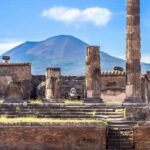
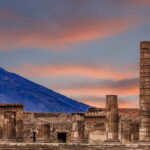
That crater is the reason Pompeii still reads like a snapshot. This 5-hour outing pairs a guided Vesuvius crater visit with a focused walk through Pompeii’s key archaeological areas, so you don’t just see ruins—you understand them.
I especially like the two-guide setup: a driver/escort who gets you up to about 1,000 meters, then an on-site expert at Pompeii who helps you make sense of what you’re walking past. The other big plus is how time is managed: you get transfers, entrance tickets, and a guided Pompeii block that doesn’t waste your vacation hours.
One thing to keep in mind: the crater entrance can close due to weather, and the Vesuvius part isn’t wheelchair-friendly or “easy mode.” Comfortable shoes and a realistic attitude toward stairs and uneven ground matter a lot here.
In This Review
- Key things to know before you go
- Vesuvius crater first: what that hike actually means
- Porta Marina Superiore to the volcano: logistics that keep you moving
- At the crater: timing, viewpoints, and what to bring
- Pompeii with Ima: how the guided 2 hours makes ruins make sense
- How the itinerary flows (and why the order helps)
- Value: why this combo tour can be worth the money
- Pompeii add-on reality: what’s not included
- Comfort and safety: shoes, sun, and a realistic attitude
- Who should book this tour?
- Should you book the Pompeii and Vesuvius excursion?
- FAQ
- Where does the tour start and end?
- How long is the tour?
- What’s included in the price?
- Is the crater visit always guaranteed?
- How much walking is involved at Vesuvius?
- Are tickets for Pompeii and the crater provided?
- Is this tour suitable for wheelchair users?
Key things to know before you go
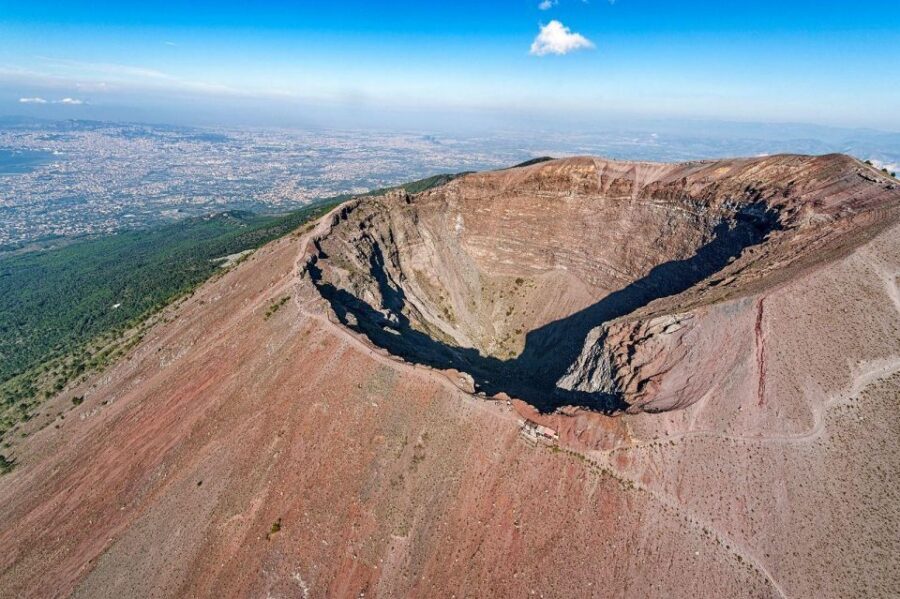
- Vesuvius first, Pompeii second: you’ll start with the crater area, then head back down to Pompeii for a guided highlight tour.
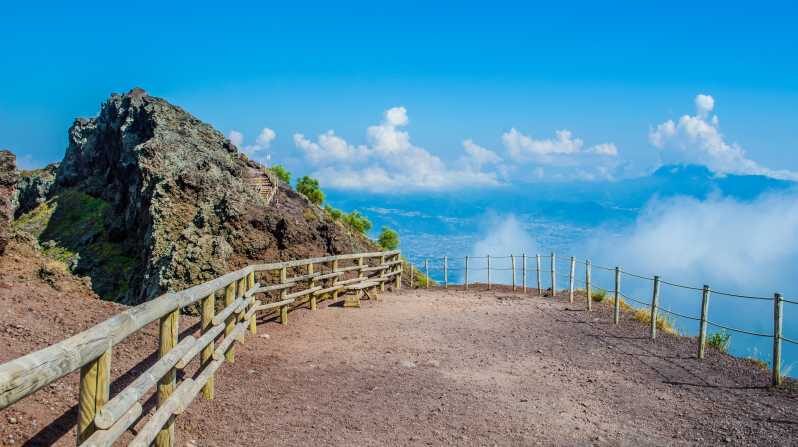
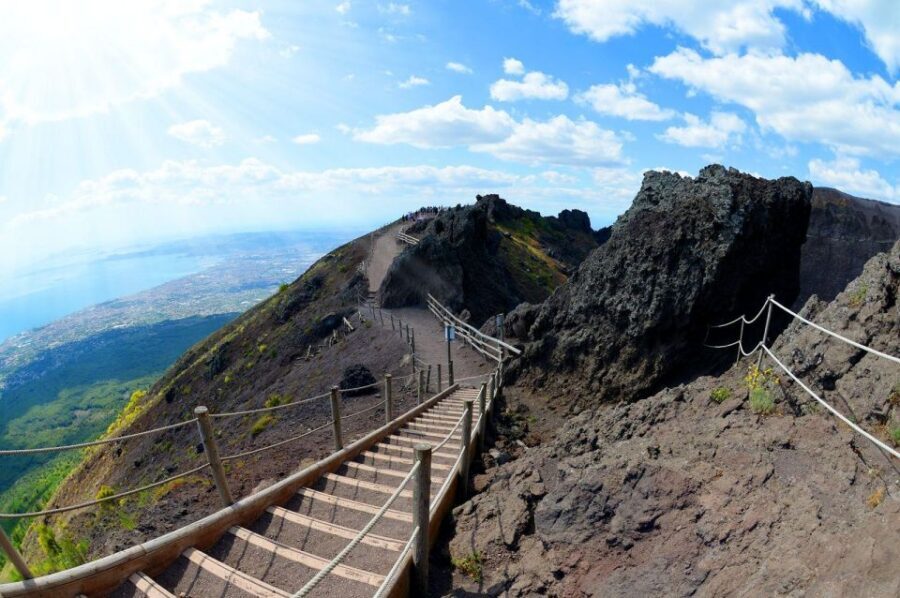
- Short walk at the top path: from about 1,000 meters, expect roughly a 25-minute walk toward the crater viewpoint.
- Two separate guided moments: one expert for the Pompeii site, plus the escort/driver experience between stops.
- Skip the ticket line: entrance tickets for both Pompeii and the crater are included, saving time once you arrive.
- Weather can change the plan: the crater may close in adverse conditions, so stay flexible.
Vesuvius crater first: what that hike actually means
The day has a clear rhythm. You begin at Pompeii’s main entrance and then transfer up toward Vesuvius to start at altitude. From roughly 1,000 meters, you walk about 25 minutes along a path that leads toward the top crater area. It’s not a marathon, but it is outdoors, exposed in places, and on a route with a real incline feel.
What I like about doing Vesuvius first is that your legs and attention are fresh. If you saved it for after Pompeii, the Pompeii walking would already have you tired. Here, you get the volcano moment while you’re still able to enjoy the views and the walk without rushing.
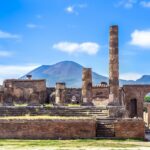
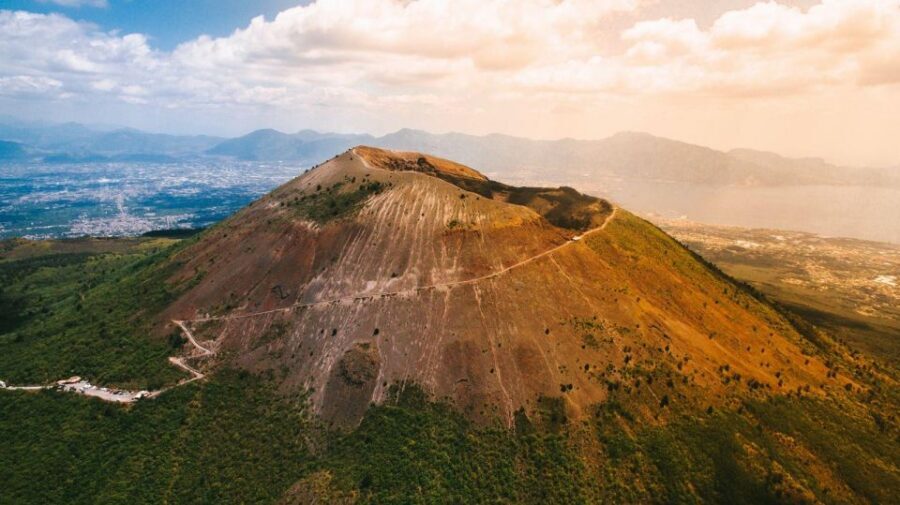
Also, the crater experience is basically the tour’s “why.” Seeing Mount Vesuvius up close turns the word Pompeii into something physical: pressure, ash, and the scale of the cone become easier to understand when you’re standing near the crater zone.
Other Pompeii and Vesuvius combo tours we've reviewed at Vesuvius & the Bay of Naples
Porta Marina Superiore to the volcano: logistics that keep you moving
Your meeting point is Porta Marina Superiore, the main entrance area at Pompeii. From there, you board a van for the ride up to the higher starting area. The schedule is built around transfers that break up the day cleanly, with time for van movement between the crater area and Pompeii.
In practice, that van time is part of the value. Getting up to the volcano on your own means planning transport and dealing with ticketing in multiple places. In this format, you focus on one flow: get driven, walk, get guided at the site, then return to the same meeting point.
From the feedback I’ve seen, the escort/driver component is treated as more than “just transport.” Names that come up include Nello, who has a reputation for sharing information while driving between stops. That kind of commentary matters because it helps you connect what you see at the crater to what you’ll later notice in Pompeii’s layout.
At the crater: timing, viewpoints, and what to bring
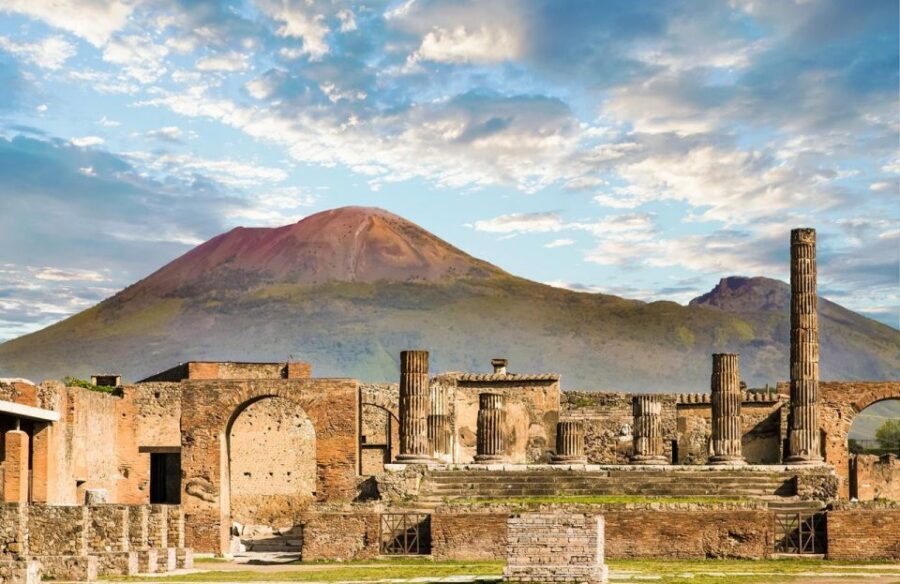
The crater visit is allocated about 2 hours, which gives you time to walk the path and still have breathing room once you reach the crater zone. You’ll circle around the great cone area with the driver handling the next transfer afterward.
This is also where your planning needs to be practical:
- Bring water even if you think you won’t need it.
- Sunglasses and sunscreen matter at altitude and in exposed sun.
- Wear comfortable shoes you can trust on uneven ground.
If you tend to run cold or get winded easily, note that Vesuvius conditions can feel sharper than in the city below. Even when the weather looks okay in Pompeii, the crater area can be different.
And yes, there’s a real possibility the crater entrance could close due to adverse weather. That’s not something you can outsmart. The best move is to keep your expectations flexible and be ready to shift your focus toward Pompeii if the volcano part is limited.
Pompeii with Ima: how the guided 2 hours makes ruins make sense
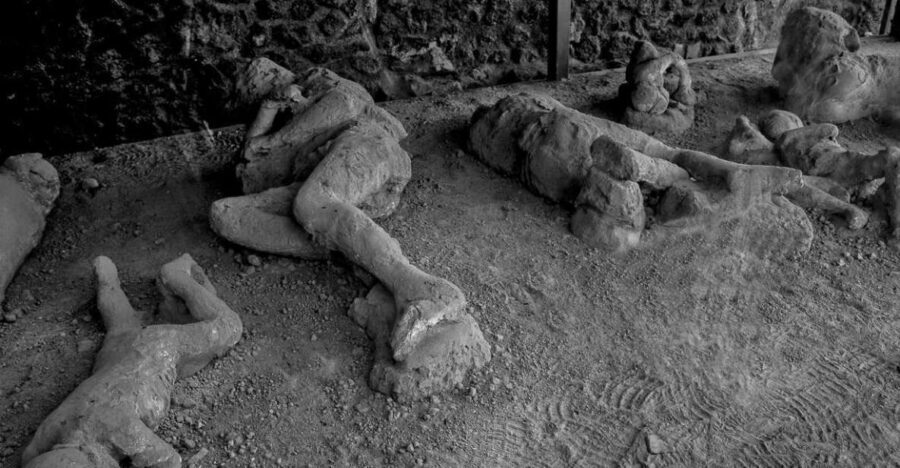
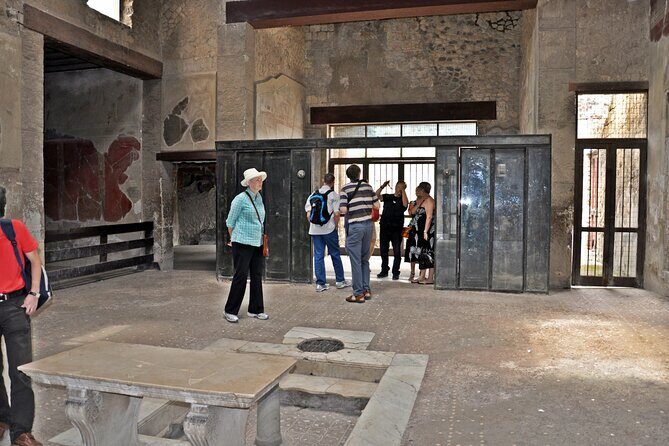
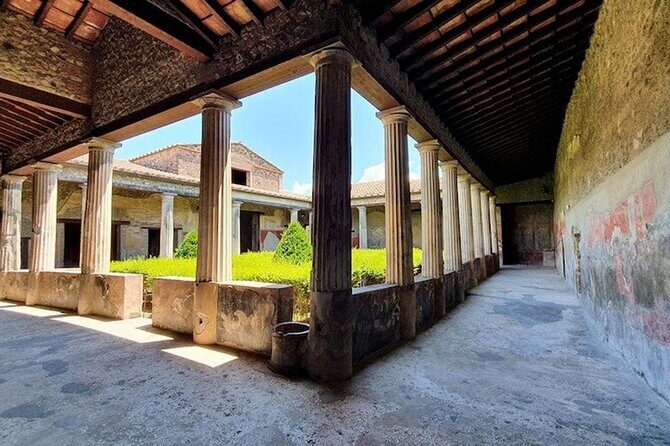
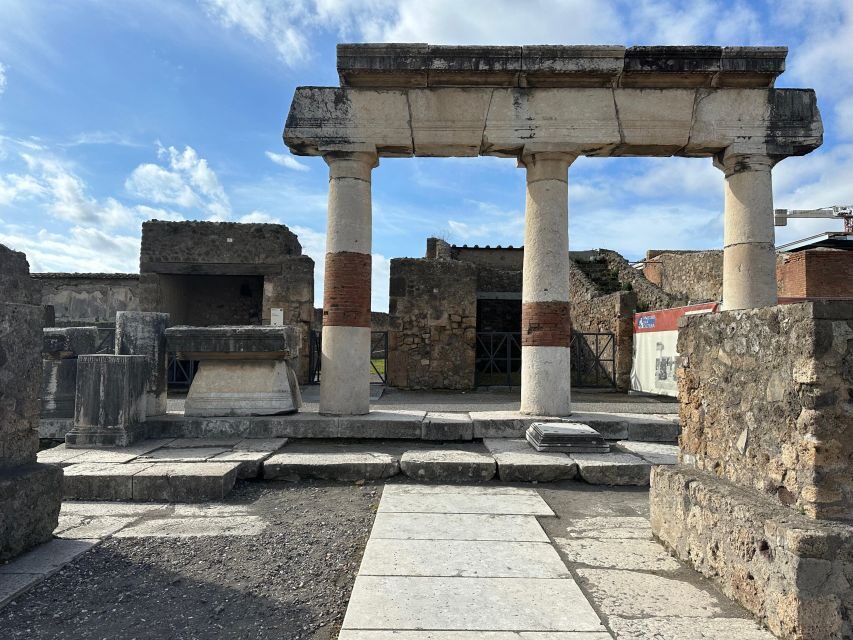
After the volcano, you return to Pompeii’s entrance area to meet your archaeologist guide. The guided portion inside Pompeii is about 2 hours, and it’s designed around the most important sites—picked, explained, and paced so you don’t get lost.
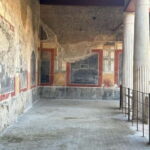
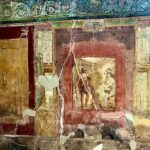
I like this approach because Pompeii can overwhelm you fast. Without a guide, it’s easy to treat everything like a photo stop. With Ima (a guide name that comes up for her warmth and clarity), the visit becomes more about daily life: the layout, what the spaces likely felt like, and how buildings and streets relate to each other in the city.
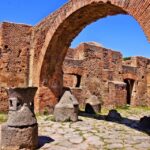
A highlight of this format is that you don’t just walk past things. You’re led through key points and given explanations that make the site easier to interpret as a lived-in place rather than a frozen set of walls.
If you’re the type who likes a bit of structure—someone pointing out what matters first—this is the part that delivers. You’ll still have time to continue exploring with advice after the official guided tour, but the guide gets you oriented fast.
How the itinerary flows (and why the order helps)
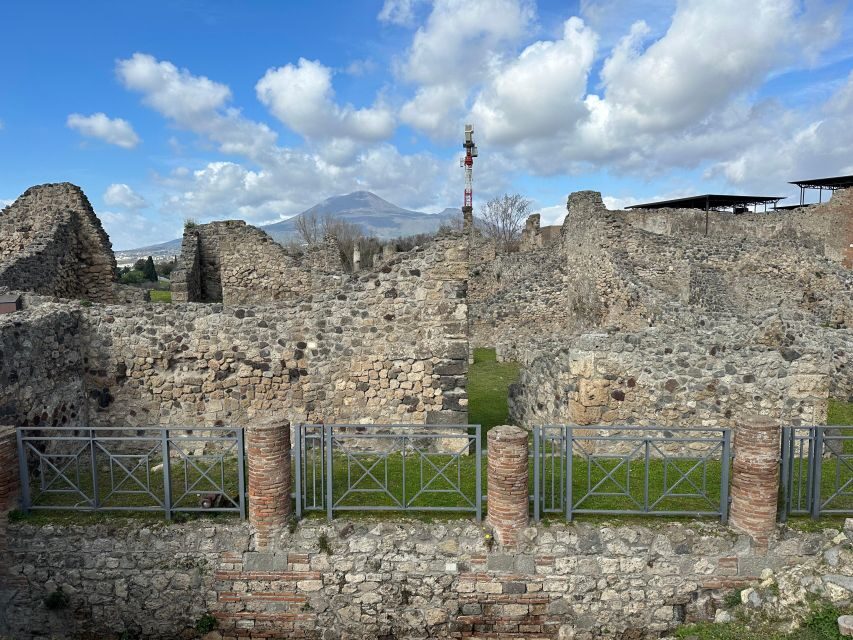
Here’s the simple logic behind the schedule:
- Van transfer up to the volcano area (about 30 minutes)
- Vesuvius visit (about 2 hours)
- Van transfer back down (about 30 minutes)
- Pompeii guided tour (about 2 hours)
- Return back to the starting meeting point
That ordering does two smart things. First, you tackle the most weather-dependent element (the volcano) early enough that you’re not stuck later with disappointment plus jet-lagged energy. Second, the Pompeii portion lands after the crater so you can connect cause and effect.
One practical note: the Vesuvius walk involves steps and uneven terrain, and it’s not wheelchair-suitable. Even if you can handle Pompeii’s cobblestones, the crater path is the more demanding segment.
Other guided tours in Pompei Campania
Value: why this combo tour can be worth the money
At about $147.27 per person for a roughly 5-hour experience, you’re paying for convenience plus expert guidance. What you get included is not just the sightseeing—it’s the logistics: transfers to and from Pompeii and to and from the crater area, entry tickets for Pompeii and the crater, plus a guided Pompeii tour with an archaeologist.
That’s a big deal in Campania. Transportation costs time and stress if you’re piecing it together. Here, you skip the ticket line and keep the plan tight.
Is it the cheapest option? Probably not. But I think it’s good value if you want:
- less hassle than DIY transport,
- someone guiding you through Pompeii’s priorities, and
- the “volcano context” that makes Pompeii more meaningful.
And if you’re a first-timer to Pompeii, the guide’s selection of the most important sites is exactly the kind of shortcut that prevents wasted hours.
Pompeii add-on reality: what’s not included
A quick heads-up: Villa dei Misteri isn’t included in the tour. That doesn’t mean you’ll miss Pompeii—it means this itinerary focuses on the major areas your archaeologist guide covers, and you may need a separate plan if that specific villa is on your must-see list.
The good news is that you’ll get recommendations at the end for nearby places to visit and where to eat with solid culinary options. You can use that advice to shape your remaining time without guessing.
Comfort and safety: shoes, sun, and a realistic attitude
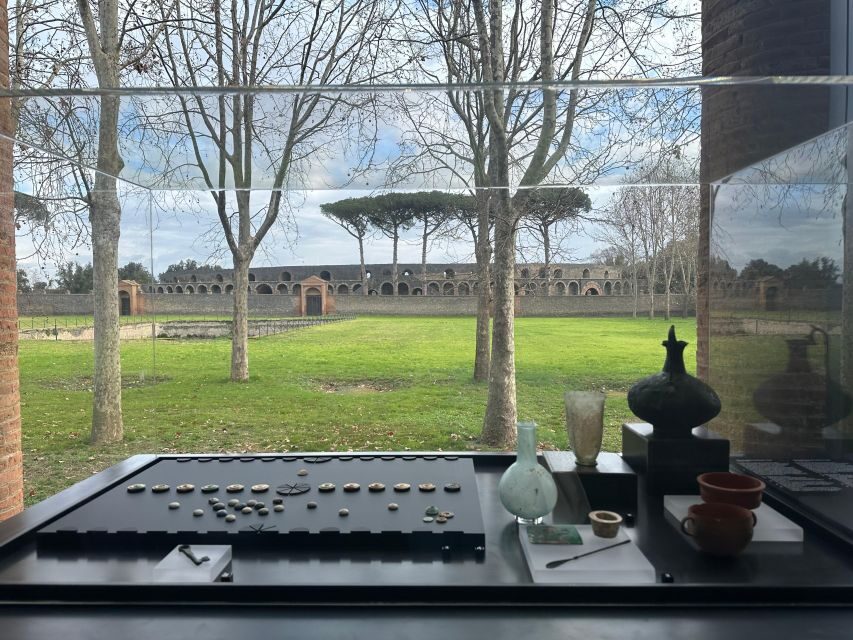
Let’s talk body mechanics. This experience includes:
- outdoor walking on the crater path (about 25 minutes)
- Pompeii walking on archaeological surfaces
- a non-wheelchair-friendly route
So, pack like you’re dealing with heat and uneven ground. Comfortable clothes and proper footwear are not optional here. Sunglasses and a hat help a lot, and sunscreen isn’t a nice-to-have.
One note from a safety standpoint: in at least one instance, the driver was using a phone while driving, and the group felt uneasy after a near miss. The fix was straightforward—the driver pulled over after they asked. What that tells me is: you should speak up if something doesn’t feel right. Not every trip will have that issue, but it’s a reminder that you’re in a shared vehicle situation.
Who should book this tour?
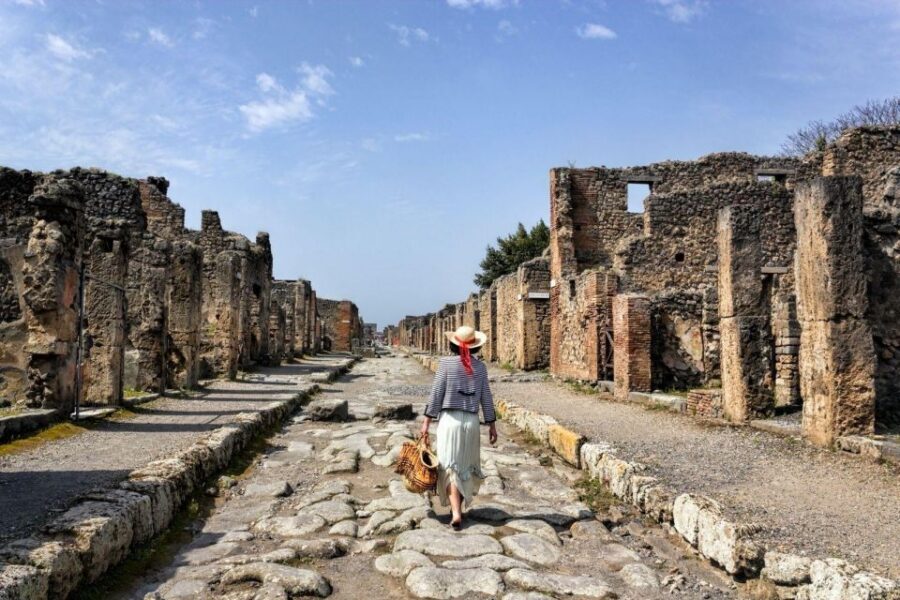
I’d point you toward this experience if you:
- want Vesuvius + Pompeii in one efficient outing,
- like guided context so the ruins feel coherent,
- prefer having entry and transfers handled,
- are okay with moderate walking and stairs on uneven ground.
I would think twice if you:
- need wheelchair access (it’s not suitable),
- have serious mobility limits for step terrain and incline,
- are extremely weather-sensitive about the crater portion.
If you’re traveling as a couple, this format works well because you’ll hear the same guidance and still be able to ask the guide questions during the Pompeii segment. Solo travelers also do fine because the structure keeps you from wandering in circles.
Should you book the Pompeii and Vesuvius excursion?
Yes—if you want the most meaningful version of Pompeii, this combo makes sense. The crater walk gives you the “why,” and the Pompeii guided time gives you the “how to read what you’re seeing.” Adding skip-the-line entry and included transfers turns it into a day you can actually enjoy instead of a checklist you have to manage.
I’d book it especially if you value expert interpretation and you’d rather not spend your precious hours figuring out which corners of Pompeii to prioritize. Just go in prepared for walking demands and the possibility that weather could limit access to the crater.
If that volcano is your #1 priority, consider booking with a mindset that Pompeii remains the main anchor even if conditions reduce the crater experience. That flexibility is what keeps the day from feeling ruined.
FAQ
Where does the tour start and end?
The meeting point is at the main entrance of Pompeii ruins: Porta Marina Superiore. The activity ends back at the same meeting point.
How long is the tour?
The duration is about 5 hours (starting times vary, so check availability).
What’s included in the price?
The price includes transfers to and from Pompeii and to and from Vesuvius, a guided tour of Pompeii, and entry tickets for both Pompeii and the Vesuvius crater.
Is the crater visit always guaranteed?
The entrance to the crater could close due to adverse weather conditions.
How much walking is involved at Vesuvius?
From around 1,000 meters above sea level, you walk about 25 minutes along a path leading toward the top crater area.
Are tickets for Pompeii and the crater provided?
Yes. Entry tickets for Pompeii and the crater of Vesuvius are included, and you can skip the ticket line.
Is this tour suitable for wheelchair users?
No, it’s not suitable for wheelchair users.
If you tell me your travel month and your walking comfort level, I can help you decide whether this is a good fit—or what to prioritize if the crater access gets limited.