REVIEW · SORRENTO
Skip the line Ticket Herculaneum Guided Tour 4 hrs
Book on Viator →Operated by Buyourtour di Amo Italy Travel · Bookable on Viator
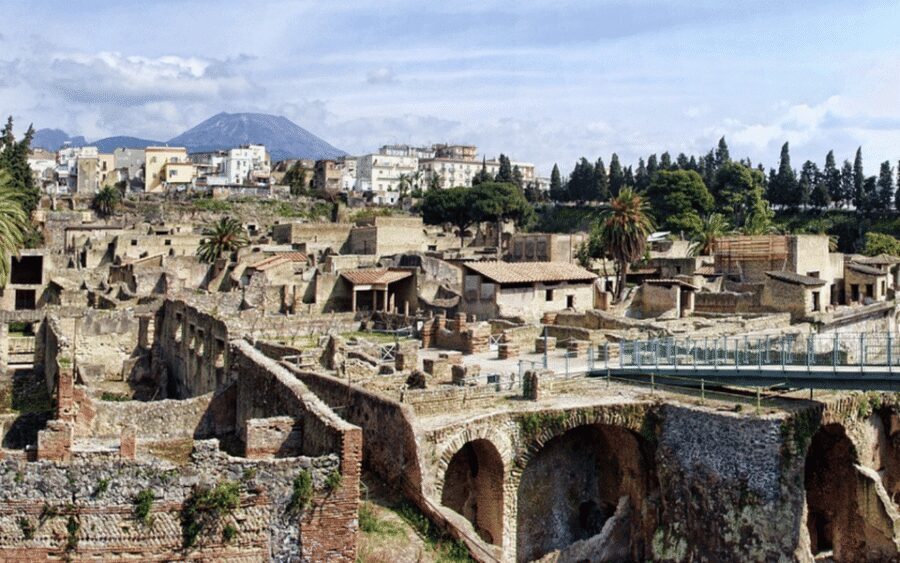
Herculaneum feels like time froze. This 4-hour skip-the-line guided outing from Sorrento or Naples takes you through a Roman town buried by Vesuvius and kept remarkably intact. I especially like how the format mixes one longer guided walk with short, targeted house stops—so you actually learn what you’re looking at.
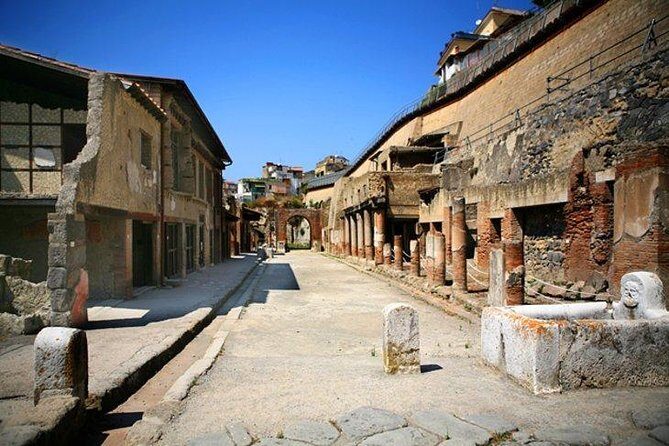
Two things I like a lot: the English-speaking authorized guide uses headsets so the story stays clear, and the ruins feel surprisingly “readable” because the streets and homes are still laid out where Romans left them. The only real downside is that the main site visit is about 1.5 hours, so the extra houses are quick hits and you can feel a little rushed if you want to linger.
One more practical note: this is a volcanic-site day, so weather matters. If conditions are poor, the operator may offer another date or a refund, which is about as fair as it gets for outdoor archaeology.
In This Review
- Key highlights before you go
- Herculaneum by bus: quick transfer from Sorrento or Naples
- Skip-the-line ticket and headsets: getting to the ruins fast
- The 90-minute Parco Archeologico di Ercolano walkthrough
- Inside the best-preserved houses: Hotel, Augustales, and the forum area
- 10-minute stop tour: Casa dei Cervi to Casa dello Scheletro
- Glass-paste mosaics at Casa di Nettuno e Anfitrite
- Time, pace, and what to do before you go
- Price and value: is $90.31 worth it?
- Who should book this Herculaneum experience
- Should you book this tour?
- FAQ
- What is the duration of the Herculaneum guided tour?
- Where does pickup happen for this tour?
- Is the tour guided, and is English available?
- What’s included in the ticket price?
- Are there any meals included?
- How much time do you spend at the main ruins?
- Do you need good weather for this experience?
Key highlights before you go
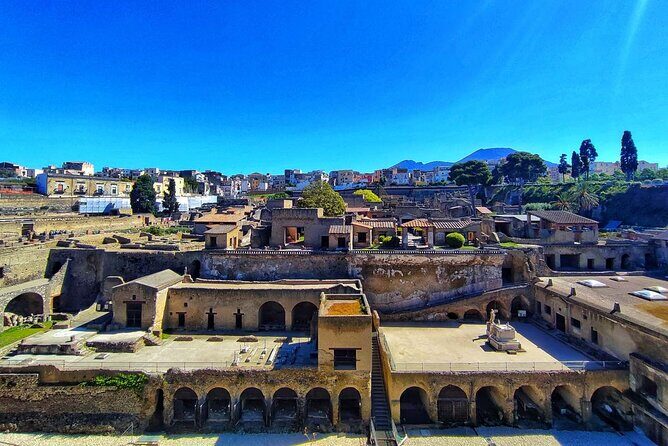
- Skip-the-line ticket that helps you start the ruins visit without the usual bottleneck
- 30-seater bus with an English guide, plus headsets for clearer narration
- 1.5 hours of guided time at Parco Acheologico di Ercolano, focused on the eruption and preservation
- Seven major stops with admission included, from the House of the Hotel to Neptune and Amphitrite
- Small-group feel within a ceiling of up to 100 people on the activity
Herculaneum by bus: quick transfer from Sorrento or Naples

This tour starts with pickup in Sorrento or Naples, then you ride in a 30-seater bus to Herculaneum. That alone is a big value if you’d rather not plan a public-transport puzzle after a day trip. You also arrive with a plan, not just a ticket and hope.
The transfer time matters because Herculaneum is best when you’re ready to walk and look closely. Once you’re on site, you move as a group, which keeps the day efficient.
If you're still narrowing it down, here are other tours in Sorrento we've reviewed.


Skip-the-line ticket and headsets: getting to the ruins fast
The “skip-the-line” part is worth paying attention to. It doesn’t turn the day into a free-for-all, but it helps you get inside and start seeing things earlier rather than standing around.
Inside the ruins, the tour includes headsets, which is not glamorous—but it’s genuinely useful. Herculaneum’s paths and open areas can make voices carry poorly, and having the guide in your ear means you won’t keep missing key details.
The 90-minute Parco Archeologico di Ercolano walkthrough
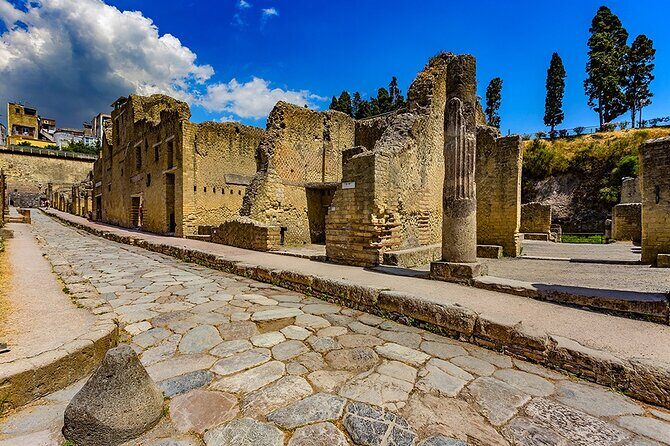
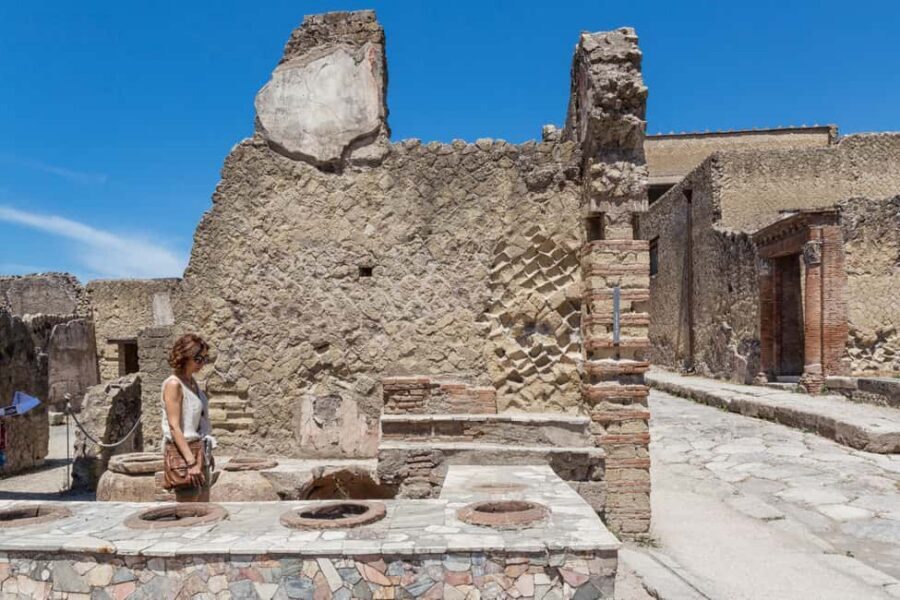
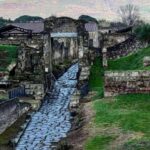
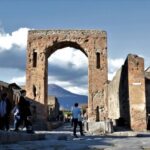
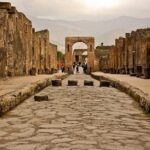
Your guided visit at Parco Acheologico di Ercolano is about 1 hour 30 minutes, and it’s where the tour earns its “guided” label. The guide frames Herculaneum as a small Roman city buried under meters of ash and pumice after Vesuvius erupted in 79 A.D. That context helps you understand why you’re seeing streets, house plans, and daily-life remnants instead of just ruins.
What I like about this approach is that the site becomes more than a photo stop. You learn how preservation works here, so when you see walls, thresholds, and spaces laid out, they make sense.
A small caution: while 1.5 hours is solid, it’s still a shared schedule. The itinerary may vary based on guide discretion, so build your expectations around seeing the highlights rather than having unlimited wandering time.
Inside the best-preserved houses: Hotel, Augustales, and the forum area
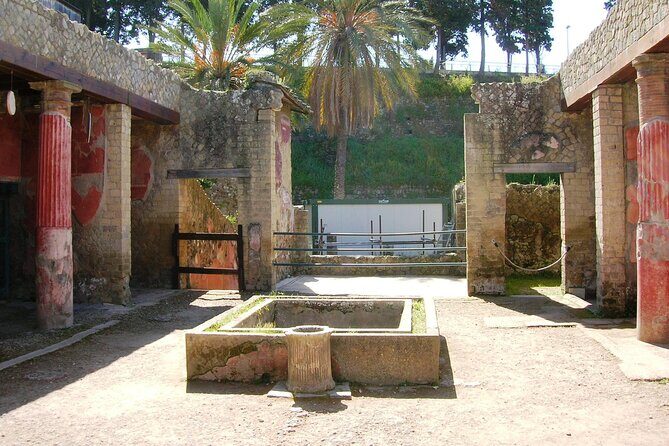
After the main ruins intro, you shift into short, high-impact house stops. Each one has its own “why it matters” moment, and that keeps the visit from feeling like a long blur of stone.
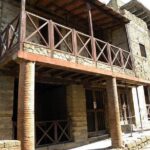
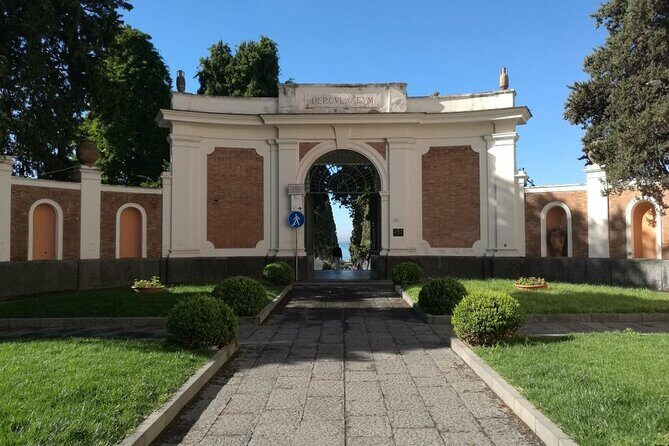
House of the Hotel (10 minutes) is a great example of how Herculaneum can surprise you. This building sits on the edge of the hill in a panoramic position, and it’s described as the largest house discovered so far there, about 2,250 square meters. It was even considered at first as a hotel because of its spa district—so you get a peek at how people tried to label the scale and purpose long before modern archaeology refined the story.
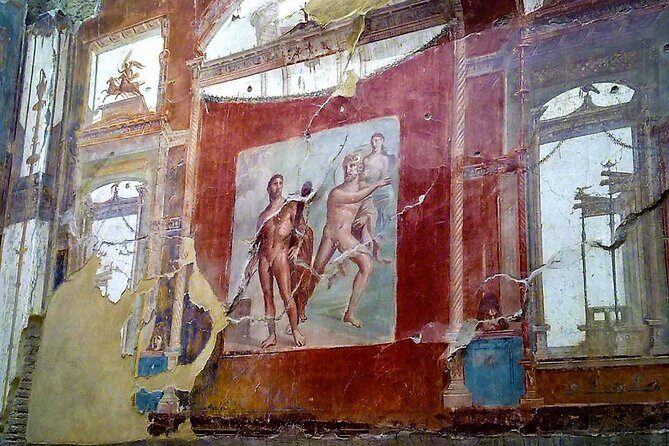
Next is Sacello degli Augustali (10 minutes), built near the forum when Emperor Augustus was still alive and in power. The big draw is the preserved frescoes, including Hercules entering Olympus alongside Jupiter, Juno, Minerva, and Hercules against Achelous. If you like myth scenes in Roman art, this stop is a head-turner.
Then there’s a darker, very human detail: the skeleton of the janitor was found in his room, lying on the bed. It’s the kind of fact that stops you mid-walk. The tour doesn’t sanitize the past, and that’s part of why Herculaneum hits harder than you expect.
10-minute stop tour: Casa dei Cervi to Casa dello Scheletro
The itinerary keeps moving, and that’s both a strength and a compromise. You get to see more different kinds of spaces than you would with a solo visit, but you won’t have long, slow time at each room.
Casa dei Cervi (10 minutes) is tied to the deer statues in the garden. The house is linked to Q. Granius Verus, a slave freed shortly before the destruction of Herculaneum. The name comes from those deer sculptures being attacked by a pack of dogs. Even in a quick stop, you can get the point: Roman homes weren’t only functional—they used art and imagery to signal taste, status, and identity.
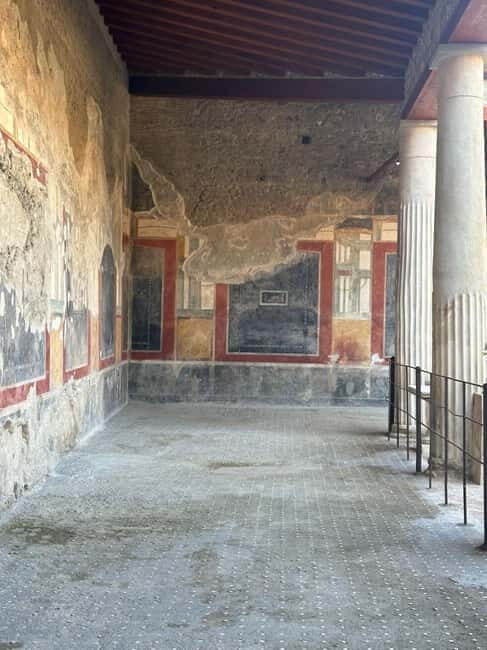
Casa del Salone Nero (10 minutes) is where the tour gets wonderfully specific. This house owes its name to a party hall painted black with geometric patterns. And the materials found there aren’t just visual: waxed tablets of L. Venidius Ennychus were discovered, tied to roles connected with Augustale status and everyday life topics like purchasing a slave and the birth of a daughter. That’s a rare chance to connect art on walls with paperwork-era evidence.
Then comes Casa dello Scheletro (10 minutes), called the Skeleton House because human remains were found in a second-floor room back in 1831. The description also notes it likely formed from the aggregation of three smaller buildings. So even the naming has an “archaeology unfolding over time” feel.
If you’re the type who likes to read meaning into small clues, these short stops work. If you’re the type who wants to stare at one floor mosaic for 30 minutes, the pacing may feel strict.
Other Herculaneum guided tours and tickets we've reviewed at Vesuvius & the Bay of Naples




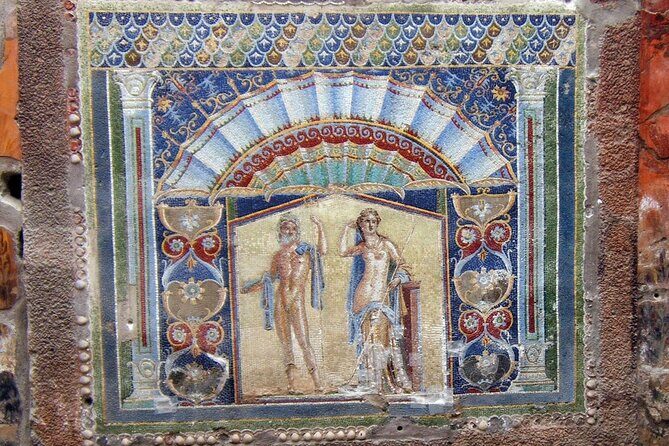
Glass-paste mosaics at Casa di Nettuno e Anfitrite
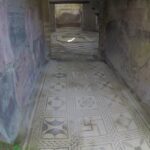
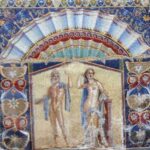
The last mosaic-focused stop is Casa di Nettuno e Anfitrite (10 minutes). This is the moment I’d bet you remember. The tour description calls out mosaics in glass paste, which were expensive for the time, with floral and hunting scenes.
In the central position is the mosaic of Neptune and Amphitrite, the marine deity and his companion. The theme is perfect for Herculaneum—coastal life, water symbolism, and Roman wealth showing up in materials and craftsmanship.
Even with only ten minutes, it’s not really a “rushed” stop if you do one simple thing: pick one area to focus on. Look at the main figures, then glance at the surrounding scenes. That way you catch the story, not just the spectacle.
Time, pace, and what to do before you go
This tour runs about 4 hours total, with the guided ruins portion taking up 1.5 hours and the remaining stops spread across short viewing windows. That’s a classic “see the main stuff with expert guidance” structure. It’s ideal for a first visit, but it doesn’t replace a slower independent day.
Wear shoes that handle uneven ancient surfaces and plan for sun or shade changes. You’ll be outside for much of the experience, and there’s no lunch included, so you’ll want to eat before pickup or plan something immediately after return. Carry water, especially if the day is hot.
Because headsets are provided, you can also keep your phone away for most of the narrative time. Use photos as a reward after key points, not as your main task. It makes the tour feel smoother and more coherent.
Price and value: is $90.31 worth it?
At $90.31 per person for roughly 4 hours, you’re paying for three things: transportation from Sorrento or Naples, an authorized English guide with headsets, and admission to Herculaneum. That’s not a bargain price, but it also isn’t just a ticket—this is interpretation plus logistics.
The value is strongest if you don’t want to figure out timing, entry lines, and how to connect what you see to what you’re learning. The 1.5-hour guided walkthrough helps you get your bearings fast, and the short house stops let you gather multiple “types” of sights—art, domestic life, and myth—without wasting hours.
If you’re the kind of visitor who prefers to wander independently for long periods, you might feel the cost doesn’t fully match your desired pace. But for a structured, high-information first day in Herculaneum, the price is easier to justify.
Who should book this Herculaneum experience
This tour fits you best if:
- You want English guidance that explains what you’re looking at, not just a walk-and-hope plan
- You like efficient itineraries that cover several major houses in one visit
- You’d rather travel by 30-seater bus from Sorrento or Naples than coordinate your own route
- You appreciate the contrast between preserved street layout and individual home details like frescoes, mosaics, and floor plans
It may not fit as well if you’re trying to turn Herculaneum into a slow, reflective art-study day. The schedule is built for “see and learn,” not for lingering.
Should you book this tour?
Yes, I’d book it if it matches your travel style: you want a guided first look at Herculaneum with clear explanations and enough time to understand the eruption story and the homes’ significance. The headsets and skip-the-line setup make the day feel smoother, and the itinerary includes some of the most distinctive named spaces—especially the Neptune and Amphitrite mosaic and the fresco-filled Augustales chapel.
I’d hesitate only if you know you’ll feel impatient with short stops and limited time in each room. In that case, consider whether you want a slower, self-paced visit instead.
FAQ
What is the duration of the Herculaneum guided tour?
The tour is listed at about 4 hours in total, including the guided visit of about 1.5 hours at Parco Acheologico di Ercolano and shorter admission-included house stops.
Where does pickup happen for this tour?
Pickup is offered at the meeting point in Sorrento or Naples.
Is the tour guided, and is English available?
Yes. The tour includes an authorized English-speaking guide for the guided ruins portion, and headsets are provided so you can hear clearly.
What’s included in the ticket price?
Entrance ticket to Herculaneum is included, along with pickup, a 30-seater bus, the authorized English-speaking guide for 1.5 hours, and headsets.
Are there any meals included?
Lunch is not included.
How much time do you spend at the main ruins?
You get about 1 hour 30 minutes for the guided tour at Parco Acheologico di Ercolano.
Do you need good weather for this experience?
Yes. The experience requires good weather. If it’s canceled due to poor weather, you’ll be offered a different date or a full refund.