REVIEW · ARCHAEOLOGICAL SITE OF HERCULANEUM
Herculaneum: Tickets & Tour with a Local Archaeologist
Book on GetYourGuide →Operated by Grand Tour Experience · Bookable on GetYourGuide
Mount Vesuvius buried an entire town. This Herculaneum tour is the best kind of archaeology: close-up, guided by a licensed expert who helps you read what you’re seeing. I love how the skip-the-line entry and smart route get you into the site faster, so you’re not wasting your short time. I also love the emotional anchor of the skeleton discoveries, explained clearly in context so it’s never just shocking for shock’s sake.
One possible drawback: two hours goes quickly on cobbled streets and through rooms, so you’ll need steady walking and patience at the pace of a guided group. If you’re sensitive to loud conditions, plan to rely on your guide and (if provided) your headset.
In This Review
- Key Highlights You Can Actually Feel
- Why Herculaneum Feels Different From Pompeii
- Meeting at Biglietteria Ercolano and Getting Oriented Fast
- Casa dei Cervi: The Deer House and What “Home” Looked Like
- Casa di Nettuno ed Anfitrite: Mythology You Can Read in Stone
- Sacellum of the Augustales: Religion, Power, and Public Space
- House of Skeletons and the Port Victims Moment
- Casa dell’Albergo: Homes That Hint at Community Life
- Archaeological Site Time: The Walk, the Baths, and the Water Brain
- Who Might Love This Tour (and Who Should Think Twice)
- Price and Value: Why $58 Can Feel Fair
- Should You Book This Herculaneum Tour?
- FAQ
- How long is the tour?
- How much does the tour cost?
- Where do I meet for the tour?
- What should I do before the tour starts?
- What’s included in the tour price?
- What languages are available for the live guide?
- Is there a headset provided?
- What should I bring?
- Is this tour wheelchair accessible?
- Can I cancel for a full refund?
- Is reserve and pay later available?
Key Highlights You Can Actually Feel
- Skip-the-line access so you start seeing real ancient rooms sooner
- Licensed archaeologist guidance that turns stone walls into stories
- Extra clarity with headsets when groups run larger
- House-to-house contrast: private villas, public worship, and everyday homes
- Skeleton sites and human moments explained with respectful care
- Herculaneum’s preservation advantage over Pompeii, especially for mosaics and interiors
Why Herculaneum Feels Different From Pompeii
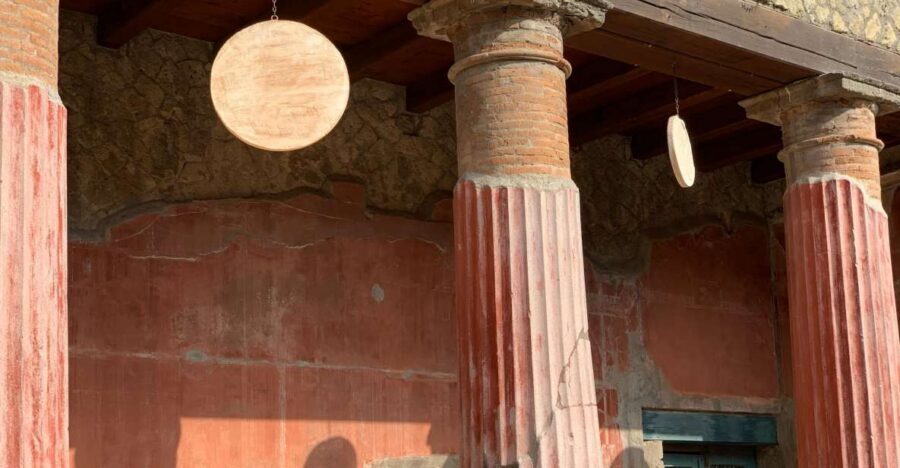
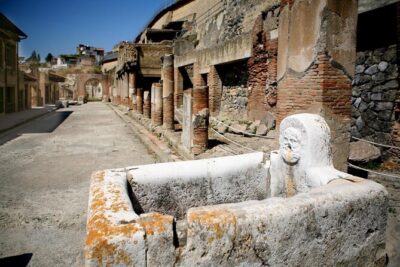
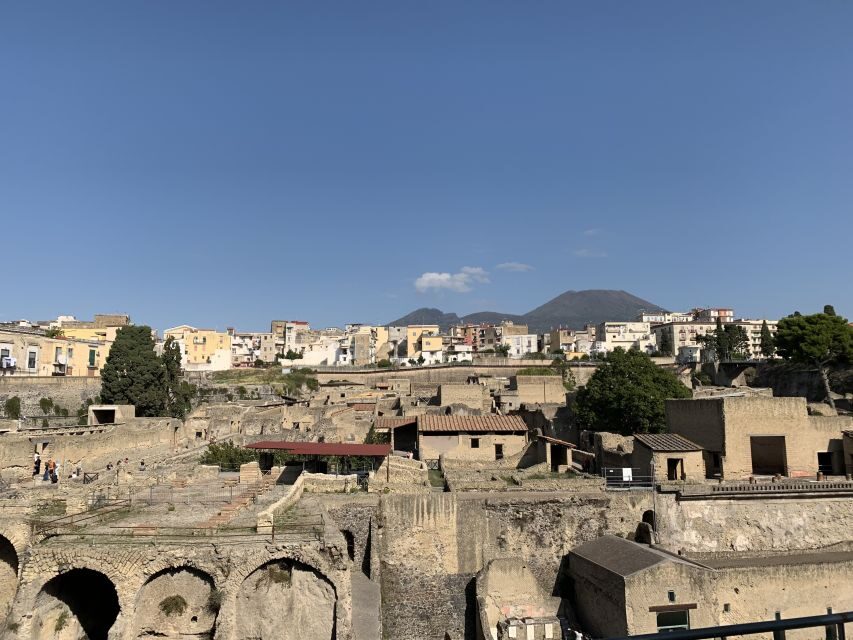
Herculaneum (Ercolano) is the less flashy cousin of Pompeii, but it’s the one that often wins people over for a simple reason: the way Mount Vesuvius buried the town in 79 AD preserved more of what made daily life feel real.
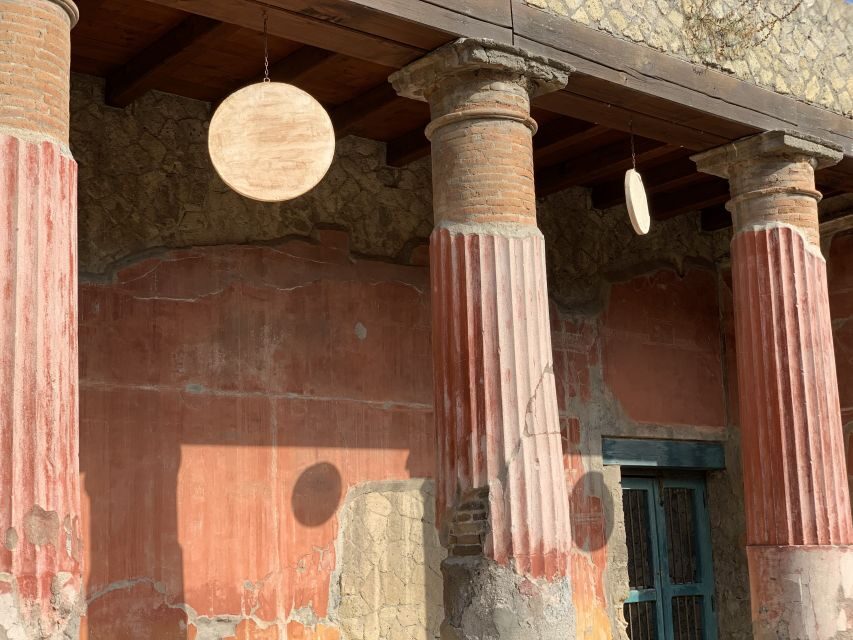
In plain terms, you don’t just see walls. You see evidence of rooms as rooms—colorful surfaces, layout choices, and small details that help you picture how people moved through their day. And because so much is preserved, an expert guide can point out things you’d otherwise miss: the practical “why” behind an arrangement, or the meaning behind decorative choices.
Another big reason this tour works is contrast. You’ll compare the town’s more private spaces (like villas) with public life (including baths), and you’ll see how that mix shaped what it felt like to live here.
Other Herculaneum guided tours and tickets we've reviewed at Vesuvius & the Bay of Naples
Meeting at Biglietteria Ercolano and Getting Oriented Fast
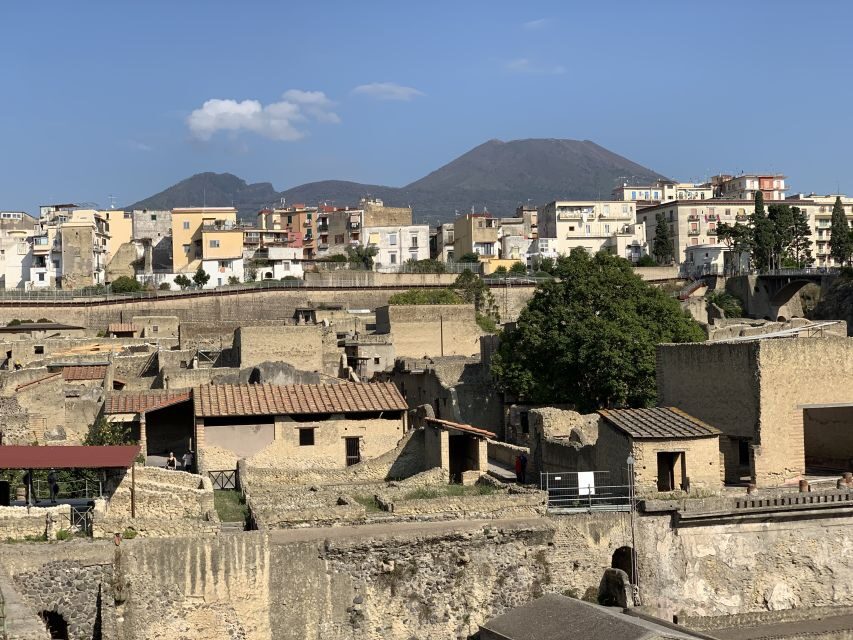
You meet at the Biglietteria Ercolano ticket office. Arrive about 10 minutes early so you’re not rushing through a first contact moment at a site entrance.
This matters more than it sounds. Herculaneum is compact enough that you can feel oriented quickly—if you start clean. From the beginning, your guide sets the mental map: where you’re heading, what you should look for (frescoes, mosaics, street levels, room types), and how the eruption changed the town’s fate.
Tours are offered with live guides in Spanish, English, Italian, and French, so you’re not stuck with a one-language-only experience. If your group is larger than 11 people, you’ll also get a headset, which helps a lot in a place where sound can carry oddly.
Casa dei Cervi: The Deer House and What “Home” Looked Like
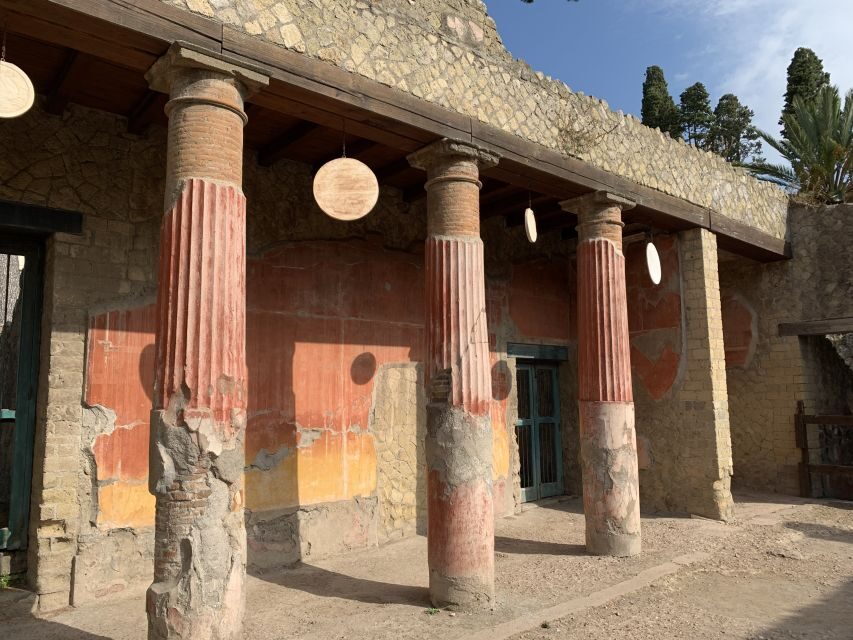
One of the first stops is Casa dei Cervi. It’s a classic example of what makes Herculaneum special: you’re not just seeing an outline of a building. You’re walking through the kind of space where Roman decoration and daily routines met.
Here’s what I’d pay attention to: how rooms relate to one another, where light and movement would have gone, and how decorative elements helped people signal status. Guides typically don’t treat these houses as museum pieces. Instead, they connect the design to daily behavior—how you entertained, where you stored goods, how you moved from public-facing spaces to more private corners.
A potential limitation: because this is a guided walk through multiple houses, you won’t have museum-style free time in any one room. If you’re the type who wants to linger and sketch, tell your guide during the tour and see if there’s a quick extra minute later.
Casa di Nettuno ed Anfitrite: Mythology You Can Read in Stone
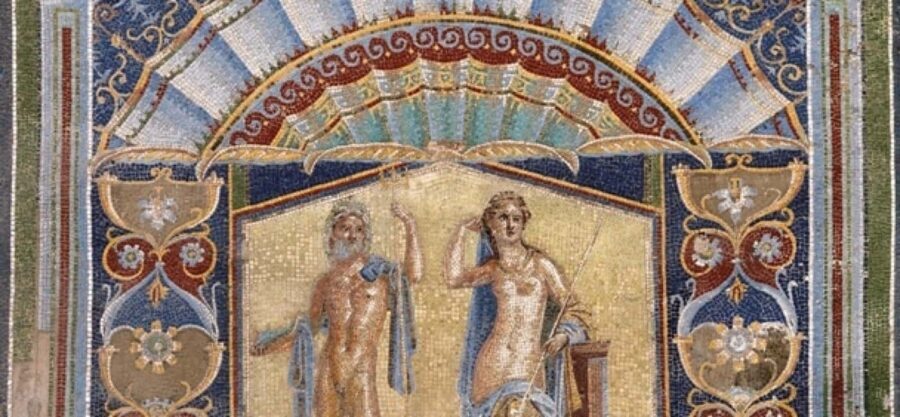
Next comes Casa di Nettuno ed Anfitrite. The name gives you a hint: mythology isn’t just a theme—it’s part of how Romans decorated and communicated values.
This stop is great if you like symbolism that’s more than “pretty design.” A knowledgeable archaeologist guide can help you connect what you’re seeing—surface decoration, themes, and placement—to the identity of the household. In other words, it becomes easier to understand why certain figures, patterns, or visual motifs mattered.
Also, because Herculaneum is so well preserved, you’re likely to see the kind of decorative work that’s much harder to interpret in more fragmentary sites. That makes a live guide especially useful here. With just a sign, you might read it as decoration. With a guide, you can read it as messaging.
Sacellum of the Augustales: Religion, Power, and Public Space
At the Sacellum of the Augustales, you’ll shift from domestic life to a more public, ritual-focused setting. “Augustales” points toward a connection with imperial culture, and in Roman towns, that kind of connection usually means status and organization—people didn’t just pray; they also participated in community identity.
What’s valuable on this stop isn’t only what happened here, but the way it helps you understand the town’s structure. You start to see Herculaneum as a functioning place: home life on one side, public worship and civic roles on the other.
If you’re hoping for a “big wow” moment in this room, it may feel more thought-provoking than visually dramatic compared to the houses. But for me, this is where the site starts turning from scenery into a picture of how Roman society actually worked.
House of Skeletons and the Port Victims Moment
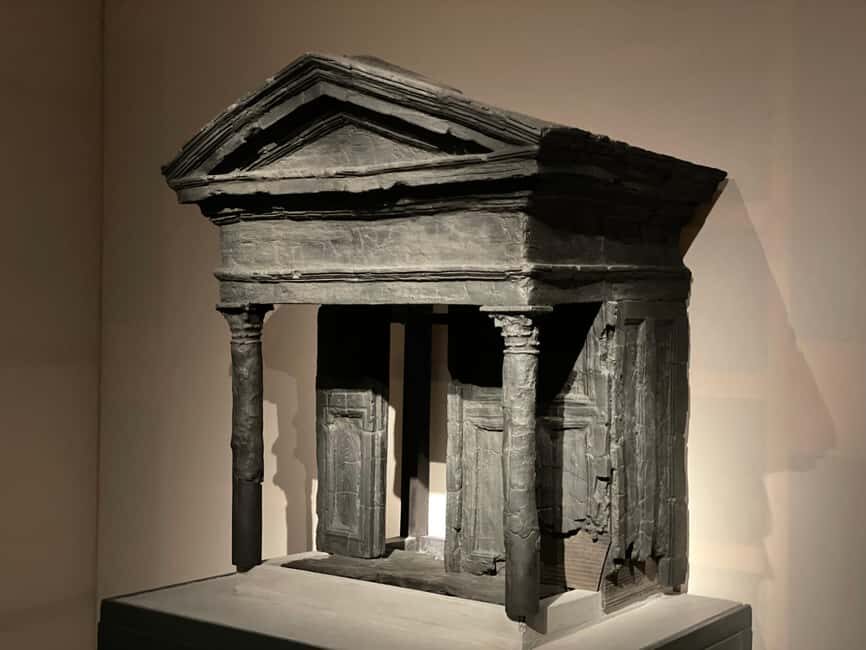
The House of Skeletons is the emotional center of the tour. You’re led to the reality that this was not a distant catastrophe. It was people—caught in the final moments, buried, and preserved where they fell.
This is where the guide’s tone matters. In the strongest tours, you’re not rushed past it, and the explanation includes context that helps you stay grounded. Some guides also point out how the skeleton evidence differs from what you may have seen elsewhere, helping you understand why Herculaneum can feel more intimate than other eruption sites.
One of the most useful parts: you learn how the town’s preservation affects what we can know. When wooden doors, beds, and everyday objects survive, it’s not just drama—it’s evidence. And when human remains are preserved, they become a heavy but direct source for understanding the end of the story.
If you don’t like intense scenes, this is still worth it because it turns the eruption from a headline into a human event. Just go in knowing you’ll feel it.
Casa dell’Albergo: Homes That Hint at Community Life
Then there’s Casa dell’Albergo. Even though the name can sound like a modern label, what you’re really seeing is the overlap between private architecture and a town’s rhythm—how spaces supported residents, business, and social life.
This is a good stop for people who like “how it worked” history. The tour tends to connect the layout to real movement: where you’d wait, where you’d store items, how rooms fit together as part of a larger system.
One practical note: because the tour is only 2 hours, you’ll move efficiently. If you’re a slower, watch-everything kind of sightseer, you might want to arrive earlier at the ticket office so you’re not starting stressed. The smoother your start, the more you’ll enjoy the later rooms.
Archaeological Site Time: The Walk, the Baths, and the Water Brain
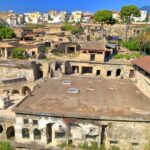
The tour culminates back at the Archaeological Site of Herculaneum, with a photo stop and then guided time. This is where the experience turns into a walk through a real city rather than a sequence of room snapshots.
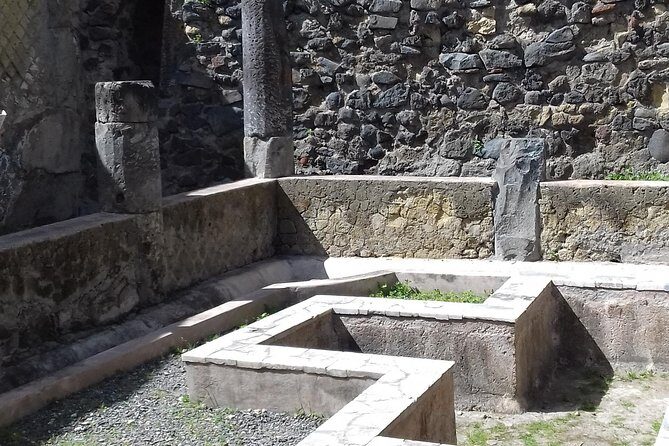
Expect to see the kinds of elements that make Herculaneum feel like a place you could have missed: original streets you can trace, and the built-in systems that kept daily life running. The tour description also points to public baths and the clever water systems behind them.
This part is where I’d slow down mentally even if your feet keep moving. Think like an archaeologist for a minute: Where did water travel? How would sound carry in a street? What’s the most likely path someone would take through the town during a normal day?
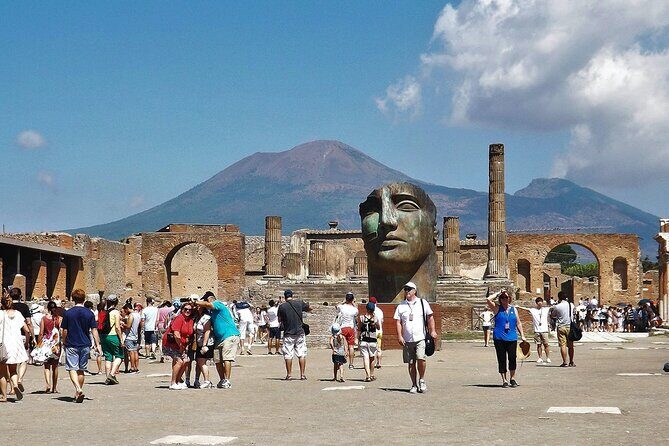
Also, your guide can help you compare Pompeii versus Herculaneum in a way that’s more than “better preserved.” It’s about what those differences mean: Herculaneum can feel more complete, and that completeness makes interpretation easier.
Who Might Love This Tour (and Who Should Think Twice)
This tour is a strong fit if you want:
- Roman ruins explained by a licensed expert archaeologist
- A tight, high-impact route that focuses on standout houses and human evidence
- An experience that helps you visualize daily life, not just memorize dates
It may be less ideal if:
- You need fully wheelchair-friendly access. This tour is not suitable for wheelchair users, and electric wheelchairs aren’t allowed.
- You prefer a slow, independent pace. The format is built for an efficient 2-hour walk.
On the plus side, feedback from different guide names shows the same theme: guides like Enrica, Carlo, Giovanni, Livio, Riccardo, Ornella, Mio, and Raffaele Romano (PhD-trained in archaeology in one example) tend to bring enthusiasm and clear explanations. You’ll often hear history connected to real human choices, not only lecture-style facts.
Price and Value: Why $58 Can Feel Fair
At $58 per person for 2 hours, you’re paying for three things that matter on an archaeology site:
- Skip-the-line tickets: less waiting is real value when you have limited time.
- A licensed guide: the site is hard to read without someone trained to interpret.
- Headsets when needed: it’s a small inclusion, but it can make the difference between catching the story and missing it.
If you were to pay for a general entry ticket plus a self-guided audio plan, you’d still miss much of what makes Herculaneum legible—the meaning behind room layouts, decorative themes, and why certain discoveries matter. This tour turns the preservation into a teachable moment, especially at the skeleton-focused sections and the houses with complex decorative programs.
So yes, the price isn’t “cheap.” But in this case, you’re buying comprehension, not just access.
Should You Book This Herculaneum Tour?
I’d book it if you want your Herculaneum visit to feel like a guided story with real context—especially if you’re pairing this with Pompeii later or you want a stronger emotional and interpretive payoff than you’d get from walking alone.
I’d think twice only if mobility is an issue for you (this tour isn’t set up for wheelchair access) or if you hate intense scenes related to the eruption victims. Otherwise, it’s one of the more effective ways to use a short Naples-area window: you’ll leave with a clearer sense of how Romans lived, what Vesuvius took, and why Herculaneum still looks like a town that recently ended.
FAQ
How long is the tour?
It lasts 2 hours.
How much does the tour cost?
The price is $58 per person.
Where do I meet for the tour?
Meet at the Biglietteria Ercolano ticket office.
What should I do before the tour starts?
Please arrive at the ticket office 10 minutes before the tour starts.
What’s included in the tour price?
You get a guided tour with a licensed guide, skip-the-line entrance tickets, and a headset if the group exceeds 11 people.
What languages are available for the live guide?
Tours are available in Spanish, English, Italian, and French.
Is there a headset provided?
Yes, you’ll receive a headset if the group is larger than 11.
What should I bring?
Bring your passport or ID card and water.
Is this tour wheelchair accessible?
No. It is not suitable for wheelchair users, and electric wheelchairs aren’t allowed.
Can I cancel for a full refund?
Yes. You can cancel up to 24 hours in advance for a full refund.
Is reserve and pay later available?
Yes. You can reserve now and pay later, keeping plans flexible.