REVIEW · POMPEII
Pompeii and Herculaneum Small Group Tour with an Archaeologist
Book on Viator →Operated by Askos Tours · Bookable on Viator
Pompeii is big. Herculaneum is different. This small-group day tour links both so you spend less time figuring things out and more time understanding what you’re seeing, with archaeologist-led guidance and headsets to keep you close to the story. My favorite parts are the guided walkthrough in both sites and the included logistics that help you move between Pompeii and Herculaneum without stress. The main catch: the day is efficient, so you won’t have hours of free roaming in each area.
What I like is that you’re not just passed from point to point—you get context for the Forum, the baths, and the big houses, then you see how Herculaneum preserves everyday life in a more compact setting. The possible drawback is pacing: if you want to pause for long stretches to study frescoes or photos without moving, you may feel a little rushed in the highlights.
In This Review
- Key reasons this tour works well
- Pompeii and Herculaneum, linked by real-world logistics
- Getting from one ruin to the other without the headache
- The Pompeii portion: walking the Forum, theaters, baths, and elite homes
- Basilica and the city’s street-level life
- House of Menander and what rich Pompeians cared about
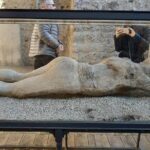
- Granaries, fountains, and even casts
- Stabian Baths and the scale of ancient thermal life
- Lupanar: a hard subject handled in context
- House of the Faun and the big houses mood
- Odeon and theaters: Teatro Piccolo to Teatro Grande
- The Herculaneum shift: smaller ruins, bigger emotional punch
- House of the Deer and the meaning of names
- Terrace and the story of a major benefactor
- College of the Augustales and imperial cult life
- Casa del Rilievo di Telefo and unusual access
- Partem Domus lignea and wood partition leftovers
- House of the Skeleton: a grim but clarifying stop
- Central Thermae: men’s and women’s baths
- Black Salon and luxury in carbonized traces
- Sannitic-style Casa Sannitica and different home layouts
- Casa del Bel Cortile into the Grand Portal
- The pacing reality: what you get and what you won’t
- Headsets, group size, and why guide style changes everything
- Price and value: why this is more than a ticket bundle
- Who should book this Pompeii and Herculaneum archaeologist tour?
- Should you book this tour? My take
- FAQ
- How long is the Pompeii and Herculaneum tour?
- Do I get to skip ticket lines?
- What’s included in the price besides the tour guide?
- Is lunch included?
- How do you get from Pompeii to Herculaneum?
- Where does the tour end?
- Is this tour only for history experts?
- What group size should I expect?
- Is the tour accessible for visually impaired travelers?
Key reasons this tour works well
- Skip-the-line access means more time inside the ruins.
- Two guided blocks: Pompeii for about two hours, then Herculaneum for about two hours.
- Circumvesuviana train help if you start in Pompeii, plus a guide with you.
- Small groups (max 20) makes questions easier to ask and hear.
- Headsets for everyone so you can follow the archaeologist even in busy spots.
- Herculaneum tickets included along with Pompeii’s included entry.
Pompeii and Herculaneum, linked by real-world logistics
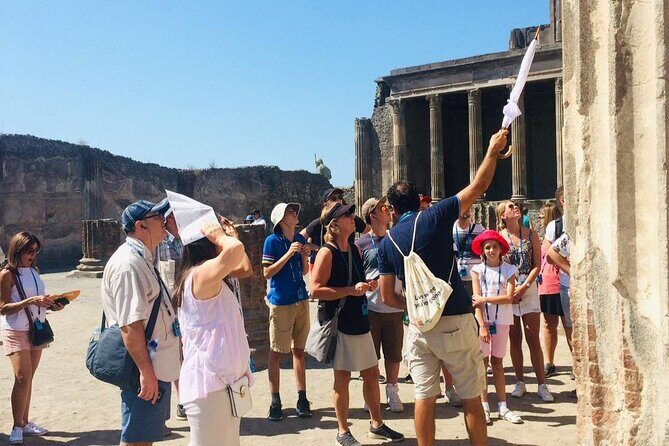
This tour is built for a simple goal: you want to see both sites in one day, but you don’t want the hassle of planning the route, buying tickets twice, and guessing the best entrances.
You meet your archaeologist guide at a meeting point tied to where you’re starting:
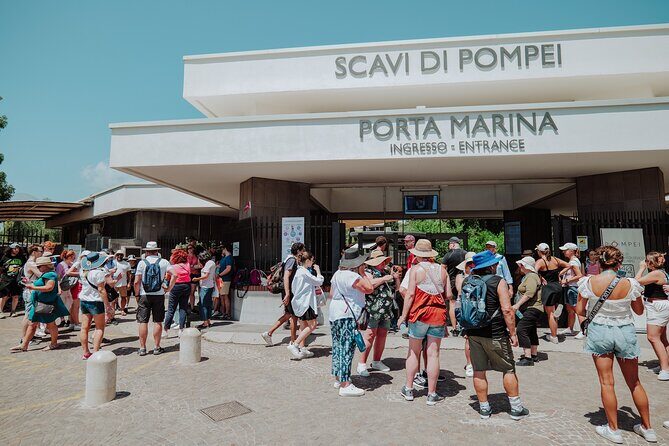
- Pompeii option: Porta Marina Superiore
- Naples and Rome option: Starhotels Terminus
- Sorrento option: Piazza Angelina Lauro
From Naples, Rome, and Sorrento, you get round-trip transport by modern minibus all day. Starting in Pompeii is different: you take the Circumvesuviana train with your tour plan to reach Herculaneum, and your guide stays with you for the key guided portions.
Two things matter here. First, you’re less likely to waste time on the wrong station, wrong entrance, or wrong timing. Second, the guide sets the rhythm—so you’re walking with purpose, not chasing your own map through a huge archaeological park.
Other Herculaneum guided tours and tickets we've reviewed at Vesuvius & the Bay of Naples
Getting from one ruin to the other without the headache
The Pompeii-to-Herculaneum link is one of the smartest pieces of the day.
If you start in Pompeii, you use the included Circumvesuviana one-way ticket. The trip is about 30 minutes, plus roughly a 10-minute walk on foot to reach the Herculaneum area with the guide. That matters because it reduces the most stressful part of this day: figuring out public transport when you’re already tired from Pompeii.
If you start in Naples, Sorrento, or Rome, the plan is simpler. You travel by minibus with your guide directly to the Herculaneum archaeological site. That’s the option I’d pick if you want the least friction and the most “walk, learn, walk” time.
One practical tip from the way the day is structured: lunch is available as a break, but it’s not included. There’s time to eat, yet the schedule is still designed to keep the day moving—so bring snacks if you’re the type who gets hungry fast (or plan to buy something before the train).
The Pompeii portion: walking the Forum, theaters, baths, and elite homes
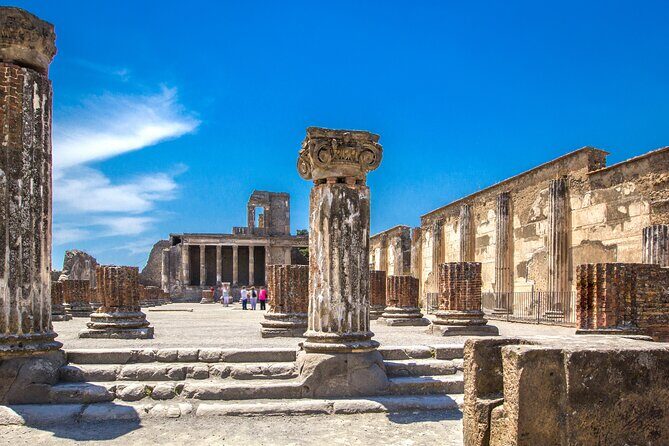
Pompeii can feel overwhelming. It’s enormous, and it’s easy to leave with photos but no “why this matters.”
Here’s what makes the Pompeii experience work in this tour: you get a guided sweep through major zones with explanations tied to everyday life, city design, and what survived. The Pompeii segment runs about two hours, and you move through a set of highlight areas that cover both public spaces and private buildings.
Basilica and the city’s street-level life
You start near the Basilica, a sheltered portico space where merchants and activity clustered. This is a good opening stop because it helps you understand Pompeii as a functioning town, not just a pile of ruins.
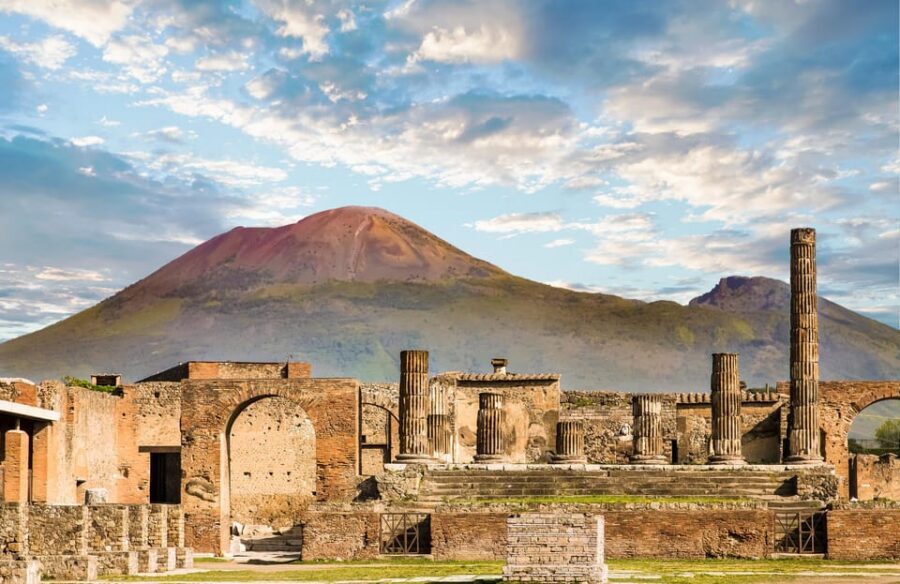
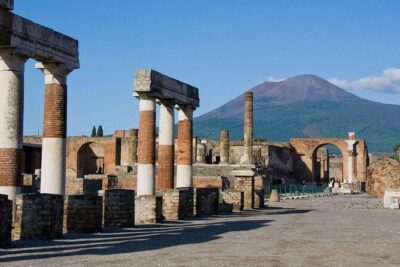
A short walk from there, you see the main square, the Foro de Pompeya, which gives you a feel for civic life. Even if you only get a few minutes here, it’s a strong orientation point: where people gathered, where decisions happened, and how the city was laid out.
House of Menander and what rich Pompeians cared about
Next comes the House of Menander. The tour focuses on what makes it stand out: architecture, decoration, and what’s left behind from daily interiors. This stop is especially useful if you want to understand social status in Pompeii, not just admire the building itself.
If you’re the kind of person who loves details, this is where a good archaeologist guide changes everything. You start noticing how rooms were used and what types of decoration were chosen—not random beauty, but signals of taste and identity.
Other small group tours we've reviewed at Vesuvius & the Bay of Naples
Granaries, fountains, and even casts
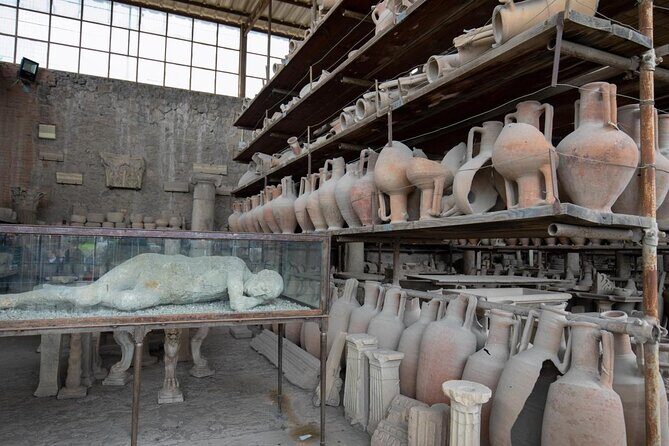
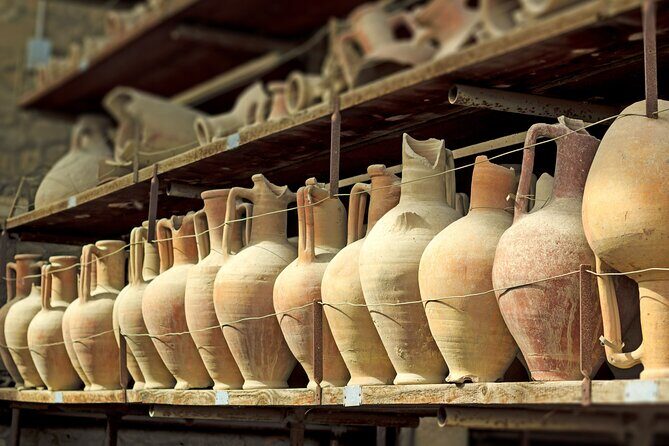
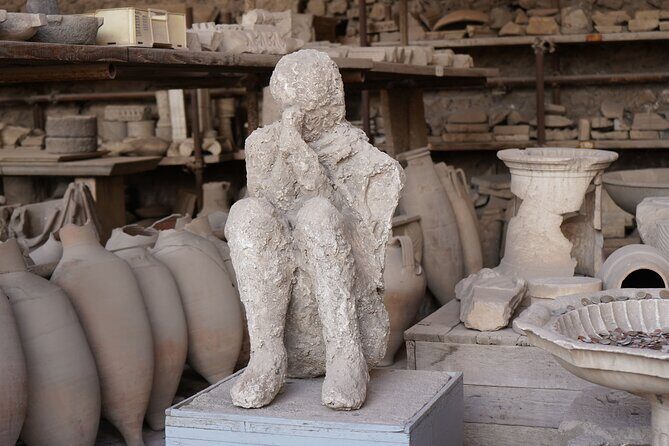
The Granaries of the Forum can be surprisingly interesting. The focus is on marble tables and the setup around fountains, plus reference to plaster casts connected to the eruption. Even in brief time, this stop helps explain how archaeologists interpret tragedy and daily routine side by side.
Stabian Baths and the scale of ancient thermal life
Then you hit Stabian Baths (Terme Stabiane), one of the city’s major thermal complexes. It sits in a big area between key crossroads and streets, and the tour’s timing gives you enough to grasp the scale. Baths weren’t just for washing—they were social spaces, and Pompeii’s system shows the city’s engineering and public culture.
Lupanar: a hard subject handled in context
The tour includes the Lupanar, the famous brothel in the ruined city. This can be a strong learning stop because the value isn’t just the shock factor—it’s the idea that even uncomfortable parts of life were woven into the urban fabric.
House of the Faun and the big houses mood
The House of the Faun is a major private residence stop. It’s one of the largest and most impressive homes in Pompeii, and it’s a good contrast point after you’ve seen public buildings. You get a sense of how elite homes balanced openness, decoration, and space.
Odeon and theaters: Teatro Piccolo to Teatro Grande
You also see performance spaces, including Odeon (Teatro Piccolo) and then Teatro Grande, the main theater. This pairing is smart because it shows how entertainment worked in different scales—from smaller venues to the city’s biggest stage.
One warning, though: Pompeii’s site is huge, and in a two-hour guided block you won’t get to wander. If you want deeper time in a single theater or inside a particular house area, you might need to plan a return trip later.
The Herculaneum shift: smaller ruins, bigger emotional punch
Herculaneum is the reason many people end up caring more than they expected.
It’s not just “Pompeii but smaller.” In practice, the town feels tighter and easier to connect room-to-room. And because the preservation is so strong, you can visualize daily life more clearly—especially in homes and thermal spaces.
This tour sets you up well: you get an about two-hour guided visit in Herculaneum, starting with help to reach the ticket area. Your guide leads you straight to the Ticket Office of the Herculaneum ruins, so you’re not standing around sorting out access.
House of the Deer and the meaning of names
Next, you’ll see House of the Deer, named for marble statues of stags/deer found in the peristyle. A quick naming lesson like this matters because it trains your eye. You start looking for the objects and motifs that shaped how people understood a space.
Terrace and the story of a major benefactor
At La Terrazza di M. Nonio Balbo, the guide’s focus is on the city benefactor and the inscription honoring him. This is the type of stop that adds texture: you’re not only seeing structures; you’re hearing who funded public buildings and how civic pride was performed.
College of the Augustales and imperial cult life
The College of the Augustales is another “what did people believe and organize around” stop. The tour frames it as likely connected to cult practices tied to Augustus and local civic structures. Even with limited time, it’s a meaningful reminder that religion and politics overlapped in daily civic life.
Casa del Rilievo di Telefo and unusual access
Then the tour includes Casa del Rilievo di Telefo, with a note that it may relate to a leading benefactor and that it has its own private connection to adjoining Suburban Thermae. That’s a great example of how archaeologists reconstruct “how people lived,” not just “what buildings existed.”
Partem Domus lignea and wood partition leftovers
The tour also points out Partem Domus lignea – Casa del Tramezzo di Legno, important for the wooden partition that remained. Stops like this can feel like a small detail, but it’s exactly where preservation changes what you can imagine.
House of the Skeleton: a grim but clarifying stop
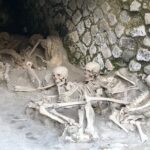
The House of the Skeleton is included as well. It gets its name from human remains discovered in a room during excavations. For many people, it’s the emotional edge of the day—the place where you stop thinking in architecture and start thinking in real human lives.
Central Thermae: men’s and women’s baths
You’ll also visit Central Thermae, framed as a set built around the beginning of the 1st century AD and divided into men’s and women’s baths with separate entrances. This detail helps you see how daily routines were structured and how city design reflected social norms.
Black Salon and luxury in carbonized traces
The House of the Black Salon is one of Herculaneum’s more luxurious mansions, and the tour highlights the monumental entrance and carbonized remnants of doorposts and lintel. When the guide makes the context clear, it turns “wow, ruins” into something you can actually picture.
Sannitic-style Casa Sannitica and different home layouts
The tour includes Casa Sannitica, noted for an atrium arrangement typical of the Samnites, plus fresco decoration. Then you get Casa del Bel Cortile, a home with an unusual courtyard and balcony setup rather than a classic atrium style.
Casa del Bel Cortile into the Grand Portal
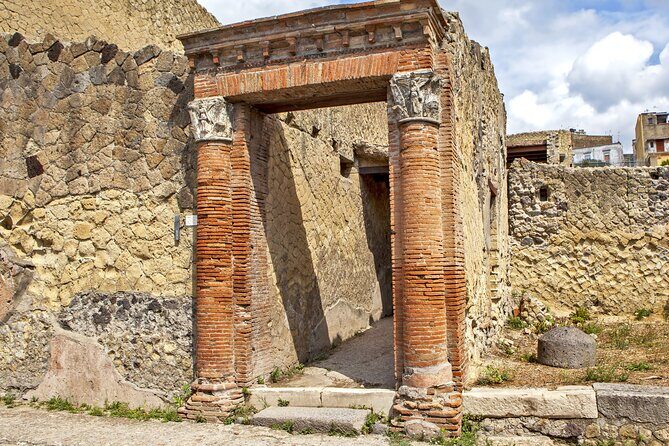
Finally, the tour includes House of the Grand Portal in the central archaeological area. The tour description flags colorful frescoes and charred remains of wooden parts—again, the kind of evidence that helps you imagine what was once inside.
The pacing reality: what you get and what you won’t
Let’s be honest about the time.
Pompeii is covered in about two hours. Herculaneum is covered in about two hours. On paper, that sounds ideal—until you remember how vast Pompeii is. In the guided format, you’re seeing many of the biggest stops, not every street you might want to personally choose.
That matches what I’d recommend to you based on the day structure: treat this as a first encounter. You’ll learn how to read the ruins, which makes a second visit more rewarding if you decide to go back and linger.
If you’re craving slow looking, a longer itinerary would suit you better. This tour is for people who want an organized hit of highlights plus real explanation, not a “stay as long as you want” museum-style day.
Headsets, group size, and why guide style changes everything
This tour keeps the listening part under control with headsets for all participants. That’s not a small detail. In these sites, noise and crowds can swallow the spoken word. Headsets let you hear the archaeologist without having to sprint ahead or hang back too far.
Group size is capped at 20, which helps with flow and questions. In the reviews behind the scenes, guides like Michele, Diego, Tomas, Paulo, Antonio, and Amadeo all get praised for making the sites feel alive and for answering questions during the walk. Even the names matter because you can often match a guide’s tone to what you like—story-focused, architecture-focused, or daily-life focused.
A practical note: the tour isn’t ideal if you have severe mobility limits or if you’re visually impaired unless you have a dedicated personal assistant. The tour data is clear on that.
Price and value: why this is more than a ticket bundle
At $77.09 per person, the value comes from what you’re not paying for and what the guide prevents.
You get:
- Admission tickets for both sites included
- Skip-the-line access built into the experience
- Guided archaeology interpretation in both Pompeii and Herculaneum
- Transport help between Naples/Rome/Sorrento and the sites, or train help if you start in Pompeii
- Headsets so the guide’s explanation stays audible
If you were to do this yourself, you’d still pay for entry and you’d likely spend more time coordinating transport, queueing, and re-figuring entrances. The “cheap” feeling sometimes disappears quickly in Amalfi-ish regions and ruin days—because your time is the real cost.
Is it pricey? Yes, compared with DIY. But if you care about meaning—how buildings worked, how spaces shaped behavior, why certain rooms matter—the day pays off.
One tradeoff: lunch is on your own. There’s a lunch break, and the tour includes an intentional stop at a mall area for options. That choice can be practical if you’re trying to avoid random tourist traps around the ruins, but it also means the lunch moment might not feel as magical as the sites themselves.
Who should book this Pompeii and Herculaneum archaeologist tour?
This is a great fit if you:
- want both sites in one day and don’t want to plan transport from scratch
- love architecture and urban life details (baths, theaters, houses, civic spaces)
- prefer a structured visit with headsets and a guide who can answer questions
- like the idea of Pompeii as the big discovery, then Herculaneum as the emotional and residential contrast
It may be less ideal if you:
- want long, slow exploration without moving as part of a schedule
- dislike the idea that lunch is not included and that you may stop at a food court style location
- are counting on a fully guided return in every scenario (the tour ends differently depending on where you start and how you’re departing)
Should you book this tour? My take
If you’re choosing between DIY and a guided day, I’d book this one—especially if it’s your first time in the area. The biggest wins are simple: two archaeologist-led walks, tickets included, skip-the-line access, and transport that keeps you from losing the day to logistics.
Book it if your priority is learning how to see Pompeii and Herculaneum like an expert, even in limited time. If your priority is unhurried wandering and deep self-guided study, consider a longer stay or a second visit later. In that case, this tour becomes the perfect kickoff: you’ll come away with context, and that makes solo time afterward much more satisfying.
FAQ
How long is the Pompeii and Herculaneum tour?
The tour is listed as about 6 to 11 hours depending on your departure option and the day’s flow, with the guided visits running about two hours in Pompeii and two hours in Herculaneum.
Do I get to skip ticket lines?
Yes. The tour includes skip-the-ticket-line access for the guided experience, and it includes entry tickets for both Pompeii and Herculaneum.
What’s included in the price besides the tour guide?
You also get headsets, entry tickets to both sites, and the included transport plan (minibus for Naples/Sorrento/Rome options, or a Circumvesuviana train ticket for the Pompeii option).
Is lunch included?
No. There’s a lunch break available, but meals and drinks are not included.
How do you get from Pompeii to Herculaneum?
If you start in Pompeii, you use an included Circumvesuviana one-way train ticket (about 30 minutes, plus about a 10-minute walk) with your guide. If you start in Naples, Sorrento, or Rome, the transfer is by modern minibus with the guide.
Where does the tour end?
It depends on your option: for Naples and Sorrento you’re returned by the included transport, for Rome travelers you’re dropped at Naples station, and for the Pompeii-start option the tour concludes directly in the Herculaneum ruins.
Is this tour only for history experts?
No. It’s designed so you can learn what you’re seeing, and the archaeologist guide explains the main sites and how they fit together. You’ll still get a lot even if you only know the basics.
What group size should I expect?
The tour is limited to a maximum of 20 travelers, which helps the experience stay manageable and keeps the guide more available.
Is the tour accessible for visually impaired travelers?
The tour is not recommended for visually impaired guests unless accompanied by a dedicated personal assistant.
If you tell me where you’re starting from (Naples, Sorrento, Rome, or Pompeii) and your ideal pace, I can help you pick the best option for your day.