REVIEW · POMPEII
Pompeii and Mount Vesuvius Small Group Tour
Book on Viator →Operated by Askos Tours · Bookable on Viator
Pompeii and Vesuvius in one packed day is a smart bargain. I love the small-group flow and the fact you get real interpretation from an archaeologist in Pompeii, then a guided hike on Vesuvius with a licensed guide. My main caution: this is not a walk-in-the-park day—weather and climbing effort can change what you see at the top.
In This Review
- Key highlights
- Why This One-Day Pompeii + Vesuvius Plan Works
- Price and Logistics: What You’re Really Paying For
- Getting Oriented at Porta Marina Superiore (and Why It Matters)
- Pompeii With an Archaeologist: The Two-Hour “Make It Click” Block
- Pompeii Stops That You’ll Feel in Your Feet (and What to Look For)
- The Forum area: Pompeii’s main square
- Granaries of the Forum: everyday utility with unusual details
- Houses that show status: Menander and the Faun
- Baths and social flow: Stabian Baths (Terme Stabiane)
- Lupanar: the famous brothel
- The theaters: Teatro Piccolo and Teatro Grande
- Quick realities
- Vesuvius National Park: The Hike, the Crater, and the Weather Gamble
- The honest weather part
- Time Management: Why It Feels Like a Full Day
- Comfort Tips That Make the Difference on Vesuvius
- Who Should Book This Tour (and Who Might Want a Different Fit)
- Should You Book Pompeii and Mount Vesuvius With This Small Group Tour?
- FAQ
- How long is the Pompeii and Mount Vesuvius small group tour?
- What’s included in the tour price?
- How many people are in the group?
- Where do we meet for Pompeii?
- Is food provided during the day?
- What happens if Vesuvius is closed due to weather?
- Is the hike suitable for everyone?
Key highlights
- Archaeologist-led Pompeii (2 hours) at Porta Marina Superiore, with explanations that make the city make sense fast
- Quick Pompeii “hit list” stops (Forum square, Baths, brothel, big houses, theaters) without wasting your day searching
- Minibus for the Vesuvius transfer so you’re not piecing together rides while your feet already hurt
- Hike to the crater area with a licensed volcano guide, plus chances for wide Bay of Naples views
- Vesuvius closures can trigger Herculaneum instead, so the day stays productive
Why This One-Day Pompeii + Vesuvius Plan Works
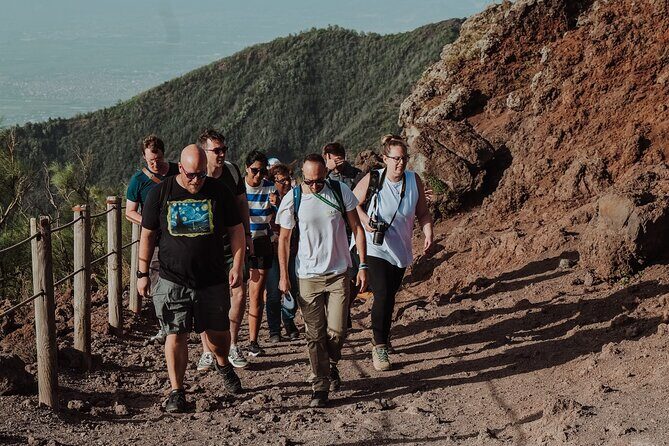
If you only have one day in the Naples area, this tour is built for results. You’re not just “seeing ruins.” You’re getting the layout, the daily-life details, and then the volcanic story that explains why the city looks the way it does today.
What makes it feel good in practice is the pacing. Pompeii gets a guided block that helps you understand what you’re looking at while you’re still fresh. Then the day shifts from archaeology to geology with a guided climb up Vesuvius.
Two big wins drive the value. First, you’re in a small group (up to 14 on the minibus, with the Pompeii guide sized for up to 20). Second, the guides are the whole point: Pompeii is handled by an archaeologist, and the volcano portion has a licensed hiking guide to keep the climb informative and manageable.
One consideration is weather. At Vesuvius, fog and rain can crush visibility fast, and sometimes park rules shut down the crater trail. Your plan for views should be flexible.
Other Pompeii and Vesuvius combo tours we've reviewed at Vesuvius & the Bay of Naples

Price and Logistics: What You’re Really Paying For
At $119.77 per person for about 8 hours, the headline price can look simple. The better way to judge it is what’s included versus what usually adds up.
You get:
- A 2-hour Pompeii guidance block with an archaeologist (site admission included for that segment)
- Transportation by minibus between Pompeii and Vesuvius
- Pompei Express and Mount Vesuvius admission fees included as part of the package
- A Vesuvius licensed hiking guide
- The tour stays in English
What you don’t get is food and drinks, so you’ll want to plan a budget for a sandwich or café stop during the day. Also, you’re paying for time efficiency. Pompeii is huge. Vesuvius is its own operation. This tour merges both without sending you on a scavenger hunt.
There’s also a practical detail: Vesuvius involves walking on steep ground. Even if you’re fit, you’ll want to budget energy. This is one of those tours where logistics matter because your legs are doing the work either way.
Getting Oriented at Porta Marina Superiore (and Why It Matters)
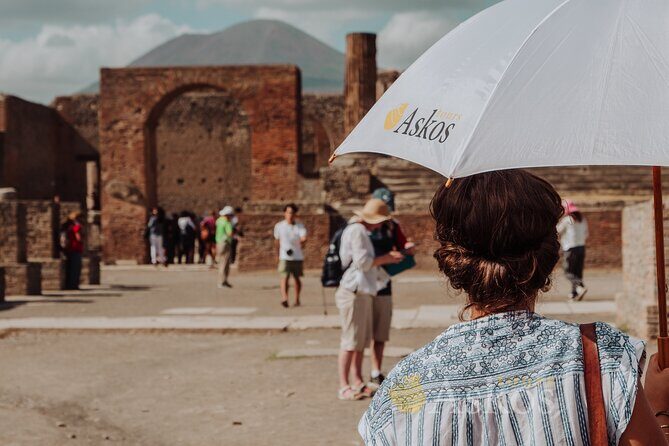
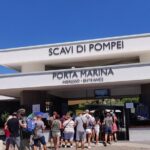
The day begins at Via Villa dei Misteri, 2, 80045 Pompei NA, where the meeting point is the main entrance area at Pompeii called Porta Marina Superiore. Your guide will be holding a sign for Askos Tours, which helps keep the start from turning into a group guessing game.
This matters more than it sounds. Pompeii entrances and routes can feel confusing on arrival, and wasting 20 minutes walking in the wrong direction is brutal once you realize the city covers a lot of ground.
The tour then launches into a guided approach that makes the site readable. You’re not just looking at stone. You’re learning what role each area played and what you should look for.
Pompeii With an Archaeologist: The Two-Hour “Make It Click” Block
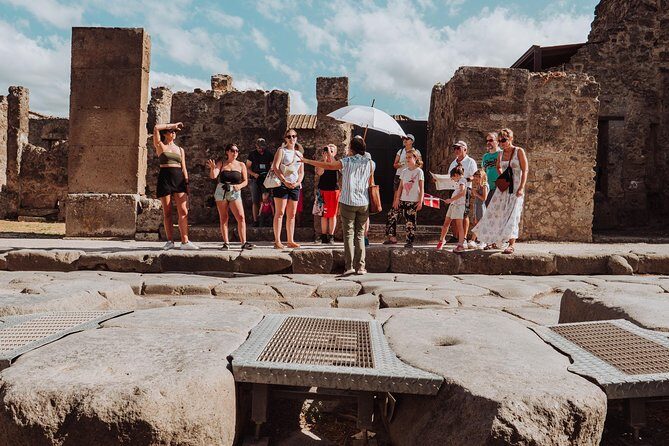
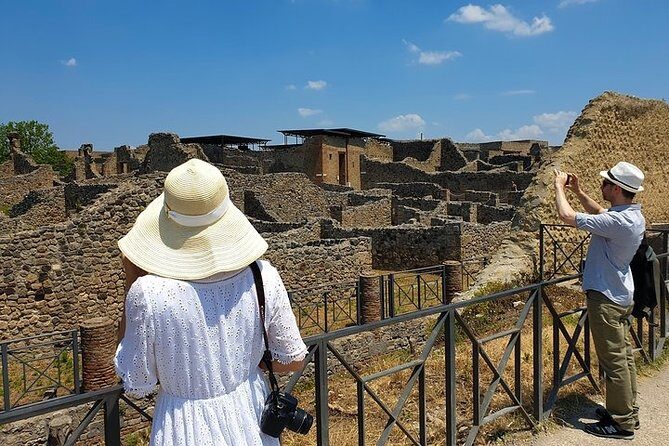
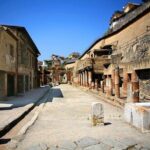
Pompeii is famous, but it can also become a blur if you go without interpretation. The best part of this tour is the archaeologist-led time—about 2 hours—focused on helping you understand how the city worked and why the ruins look the way they do.
Expect a guided tour that moves through major highlights rather than getting stuck in one corner. You’ll get context for the city’s layout, daily life, and the stories preserved in the remains. Guides in the experience reports highlighted strong storytelling skills and clear explanations, and several Pompeii archaeologists were described as energetic teachers who answer questions without rushing people out the door.
That’s the main value: you leave Pompeii with mental labels. The streets don’t stay random lines on a map. They become a city with neighborhoods, routines, and social space.
Pompeii Stops That You’ll Feel in Your Feet (and What to Look For)
After the guided block, you’ll have a faster set of view-and-understand stops. Each one is short, but each one points you toward a different aspect of life in Pompeii.
Here’s what the day includes, and what each stop is really for:
Other small group tours we've reviewed at Vesuvius & the Bay of Naples
The Forum area: Pompeii’s main square
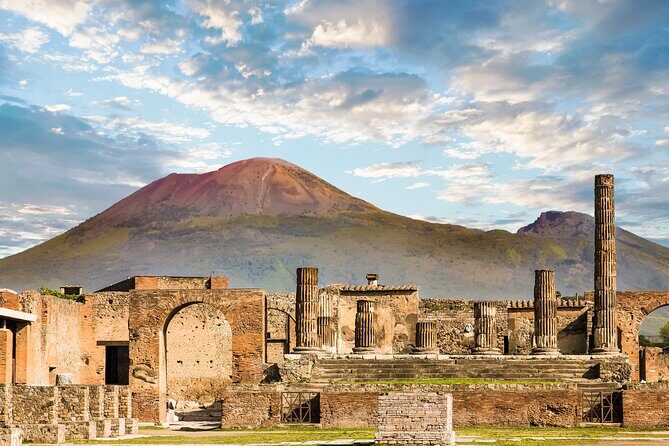
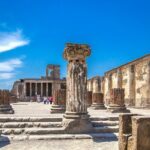
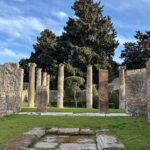
You get a look at the Foro de Pompeya, Pompeii’s ancient main square. Even with a quick stop, this is a strong “anchor” point. Once you understand the forum’s role, the surrounding buildings stop looking like random ruins.
Granaries of the Forum: everyday utility with unusual details
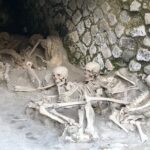
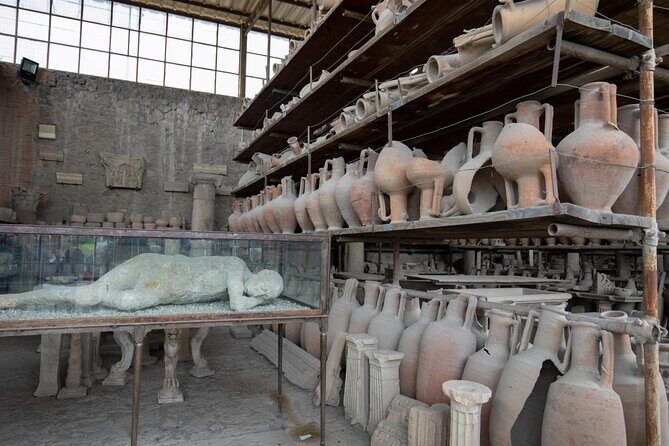
The Granaries of the Forum are where practicality meets shock-value preservation. You can spot marble tables and features connected to fountains at house entrances, plus casts related to the eruption—including victims and even details like a dog and a tree. The point here isn’t just objects; it’s the scale of how the city was built to function day to day.
Houses that show status: Menander and the Faun
You’ll also pass by wealthy residences, including the House of Menander and the House of the Faun. These stops help you see the contrast between civic spaces and private life. The houses are where you notice architecture and decoration most clearly, and they’re a good way to grasp how wealth expressed itself in Pompeii.
Baths and social flow: Stabian Baths (Terme Stabiane)
The Stabian Baths cover a vast area and are described as the oldest thermal complex in the city. Even if you only have a short look, baths are an easy way to understand Roman culture as social routine, not just politics and war.
Lupanar: the famous brothel
The Lupanar is the city’s well-known brothel. If you’re the type who wants to understand how Romans talked, socialized, and lived—including the parts people try to skip in modern life—this stop delivers. It’s not for everyone, but it’s historically meaningful.
The theaters: Teatro Piccolo and Teatro Grande
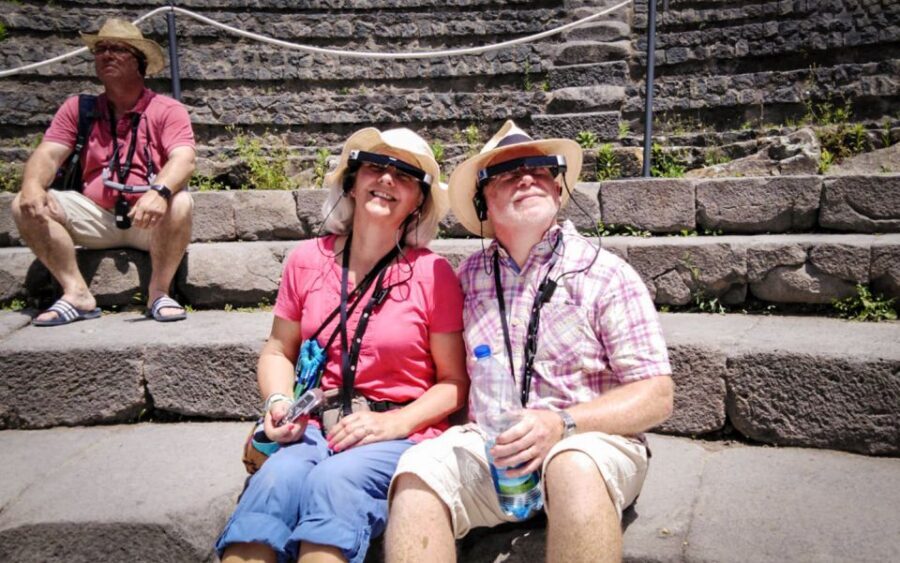
You get views of the Teatro Piccolo and then a visit to Teatro Grande, Pompeii’s major theater. These stops help explain what people did for leisure and how entertainment shaped public life. It’s also one of the places where ruins suddenly make sense spatially—seating areas, stage placement, and the sense of crowd energy.
Quick realities
Because these are shorter stops, you’ll get the best results if you’re comfortable moving at a steady pace. Bring curiosity and keep your phone charged. Pompeii rewards fast scanning.
Vesuvius National Park: The Hike, the Crater, and the Weather Gamble
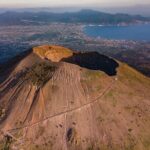
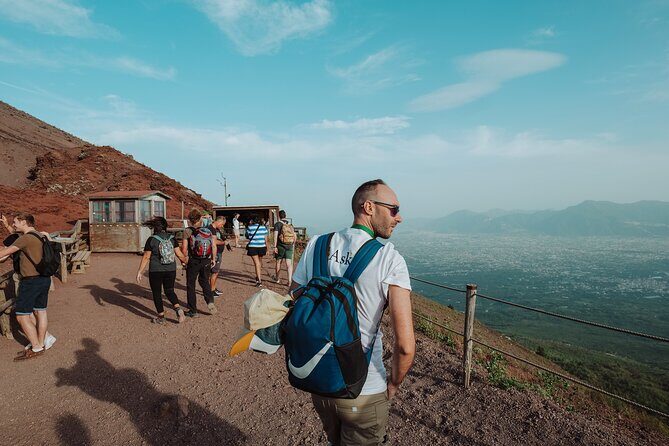
The Vesuvius portion is where this tour earns its name. After the Pompeii ruins block, you transfer to Vesuvius National Park and head toward the crater area.
Here’s the key physical detail you should plan around:
- You’ll do a first 30 minutes of step walking to reach the crater area.
- The final stretch (last 500 meters) is described as a very steep uphill walk.
- Closed-in shoes are essential.
The good news is you’re not doing it alone. The mountain guide for the hike is there to manage the route and keep the group moving at an appropriate pace. In the feedback, guides like Mario were praised for pacing and for being encouraging when the climb felt tough for some people. That matters if you’re not a regular hiker.
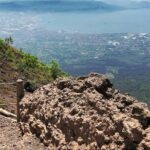
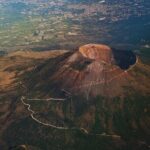
At the top, you’re aiming for views of the Bay of Naples, and on clear days you may see Capri, Ischia, and the Sorrento coast. Some experience reports also mentioned steam in certain conditions, which adds a living, science-y feel to the climb.
The honest weather part
Visibility is the big variable. Fog and heavy rain can turn the crater edge into a “trust the guide” moment instead of a “take the perfect photo” moment. There are cases where park authorities closed the crater trail due to fog or rain right as the group arrived.
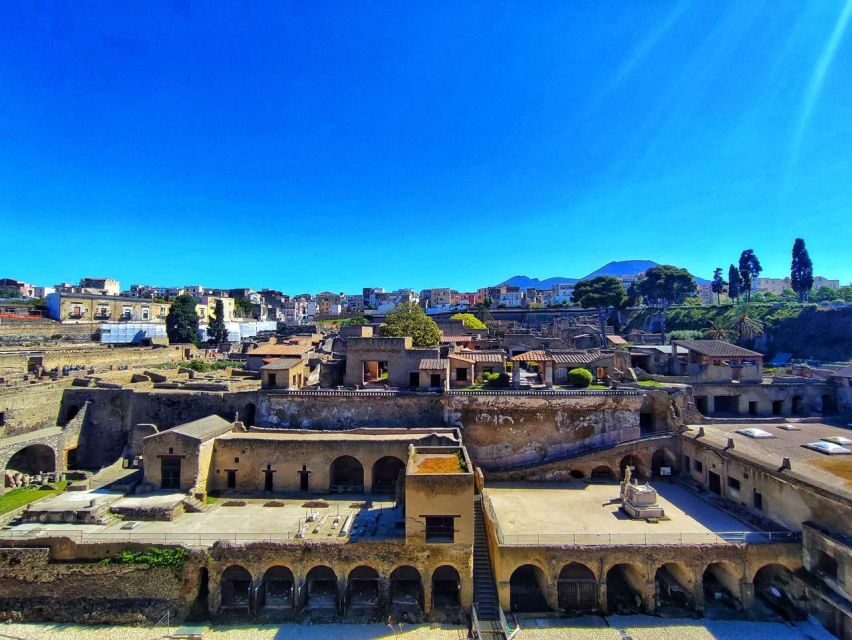
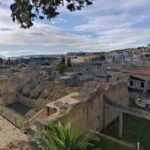
The tour operator’s documented fallback is important: if Vesuvius isn’t accessible due to force majeure, the tour includes Herculaneum instead. That can still be a very worthwhile day because it keeps the volcanic story connected to another preserved eruption site.
Time Management: Why It Feels Like a Full Day
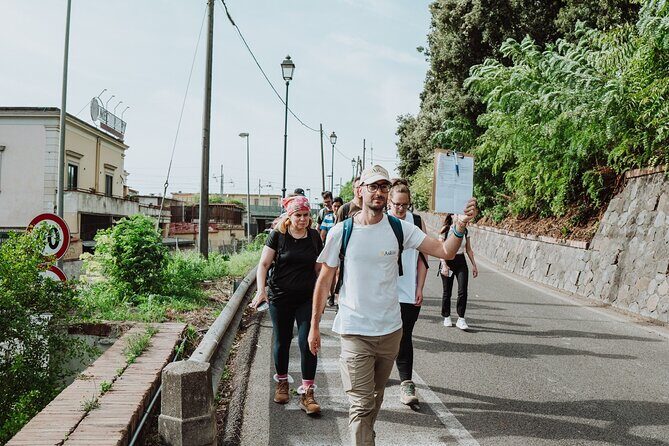
This tour is built around efficiency, and that means you should expect a long, moving day. It’s listed around 8 hours, with Pompeii taking about 2 hours for the guided section, plus additional stop time spread through the morning/early afternoon.
Then the Vesuvius segment adds time for transit and the hike, including a crater-area visit that is also about 2 hours. Finally, you return to Pompeii’s main entrance area at Porta Marina Superiore.
This timing is why the tour tends to work well for first-timers. You get the essentials without getting trapped in one attraction too long. But it does mean you should plan your expectations around the day’s rhythm: you’ll likely have limited time to linger independently inside Pompeii.
If you want an unhurried museum-like experience, you might prefer a longer, Pompeii-only day. If your priority is seeing both places in one trip, this tour is the trade.
Comfort Tips That Make the Difference on Vesuvius
The clothes and footwear matter here because Vesuvius changes the feel of the day. Even in warm months, the top can get windy and chilly. Some experience reports also described rain and mist conditions.
Do this:
- Wear closed-in shoes with good grip for loose volcanic ground and steep slopes
- Bring sunglasses and sunscreen in summer
- Consider a light layer for wind at the summit area
Also plan for a short food window. You’re not given meals, so if you want a proper sit-down lunch, you’ll need to manage it yourself during the break time. Nearby cafés and sandwich options exist, but the tour pace means you shouldn’t count on a long lunch ritual.
Who Should Book This Tour (and Who Might Want a Different Fit)
This is a smart choice if you want:
- Guided Pompeii with a real archaeologist explanation (not just audio)
- A guided volcano hike with someone who understands the route and pacing
- A single-day combination that saves you time and transit hassle
It’s less ideal if:
- You have mobility or walking limitations. It’s explicitly not recommended for travelers with walking issues or impairments.
- You want a slow travel pace with lots of personal wandering.
- You’re sensitive to steep uphill effort. Even with a guide, the climb and last steep stretch are real.
Also note: children under 6 years old are not allowed, so families should check age requirements carefully.
If you’re a history + science type, or you like seeing how geology shaped human life, this tour hits the sweet spot.
Should You Book Pompeii and Mount Vesuvius With This Small Group Tour?
I’d book it if your priority is to do both Pompeii and Vesuvius efficiently, with expert interpretation for Pompeii and a guided hike for Vesuvius. The small-group format helps keep it from feeling like a cattle line, and the Pompeii archaeologist block is the kind of time that turns ruins into a story you can follow.
Book with eyes open if weather changes your crater-view odds. When fog and rain hit, you may not get the sweeping skyline moment you planned. Still, the tour’s backup idea—shifting to Herculaneum when Vesuvius can’t be visited—means you’re not likely to end up with a wasted day.
If you want a safer bet for visibility and a gentler physical day, consider going in a season where weather is more stable and plan for a slower pace. If you’re comfortable with hiking shoes, a steep climb, and adapting when nature interrupts, this is a very solid way to spend one day in the Naples region.
FAQ
How long is the Pompeii and Mount Vesuvius small group tour?
It runs for about 8 hours, with a 2-hour guided visit at Pompeii ruins and about 2 hours at Mount Vesuvius, plus transfer and additional short stops.
What’s included in the tour price?
The tour includes 2 hours of Pompeii guidance with an archaeologist (ticket included for that visit), transportation by modern minibus, and Mount Vesuvius admission fees (along with the Pompei Express included in the package). Food and drinks are not included.
How many people are in the group?
The group is capped at 14 travelers for the minibus portion, and the Pompeii guidance is described as for up to 20 people.
Where do we meet for Pompeii?
You meet at the main entrance of Pompeii ruins called Porta Marina Superiore, with the guide holding an Askos Tours sign. The listed start address is Via Villa dei Misteri, 2, 80045 Pompei NA, Italy.
Is food provided during the day?
No. Food and drinks are not included, so you’ll need to plan for a break and meals on your own.
What happens if Vesuvius is closed due to weather?
If Mount Vesuvius is not accessible due to force majeure, the tour includes a visit to Herculaneum instead of Vesuvius.
Is the hike suitable for everyone?
The tour requires moderate physical fitness. It is not recommended for travelers with mobility or walking issues, and children under 6 are not allowed. You’ll also want closed-in, comfortable shoes because the crater approach includes steps and a steep uphill section.