REVIEW · SORRENTO
From Sorrento: Pompeii and Vesuvius Guided Tour with Lunch
Book on GetYourGuide →Operated by HP TRAVEL · Bookable on GetYourGuide
Volcano views and Roman streets in one long day. This tour strings together Mount Vesuvius for Gulf of Naples panoramas and Pompeii with a guide who brings daily Roman life into focus, from bakeries to baths. I love that the day includes both the cause and the consequence of 79 AD, so you can see the eruption’s setting, then walk the surviving city blocks. I also like that the Pompeii portion isn’t just a wander—you’re guided through standout areas like the Forum and the Stabian Baths, with guides such as Bernadette (and others) often praised for energy and humor.
One thing to keep in mind: it’s a long day with a lot of walking in a short time at each stop. If weather shuts down crater access (high winds can do that), you’ll still get on the mountain, but the exact “top of the crater” moment may change.
In This Review
- Key highlights you’ll actually feel
- Why this Vesuvius + Pompeii day works
- Getting started: meeting points and bus comfort from Sorrento
- Mount Vesuvius hike: crater views, timing, and realistic effort
- Neapolitan pizza lunch on the mountain: simple, well placed
- Entering Pompeii: why a guide changes the whole place
- The Pompeii stops that matter most on this route
- Forum and civic life (Foro Civile di Pompei)
- Stabian Baths (Terme Stabiane)
- Thermopolium: a Roman fast-food stop
- Lupanare: Roman nightlife, plainly shown
- Roman bakeries, baths, theaters, and street-level life
- How much walking is involved, and what to wear
- Price and value: what you’re paying for at $130-ish
- Who this tour is best for (and who should think twice)
- Should you book this Pompeii and Vesuvius tour?
- FAQ
- Where does the tour start in Sorrento?
- Is pickup available from Vico Equense?
- How long is the full tour?
- What language is the tour guide in?
- Is lunch included, and what do you eat?
- Are tickets included for Pompeii and Vesuvius?
- What stops do you see in Pompeii?
- Do you climb to the top of Vesuvius?
- What should I bring?
- Is transportation included?
Key highlights you’ll actually feel
- Gulf of Naples views from Vesuvius after a real uphill trek (not a stroll)
- Pizza lunch on the slopes with a Neapolitan-style pizzeria stop built into the schedule
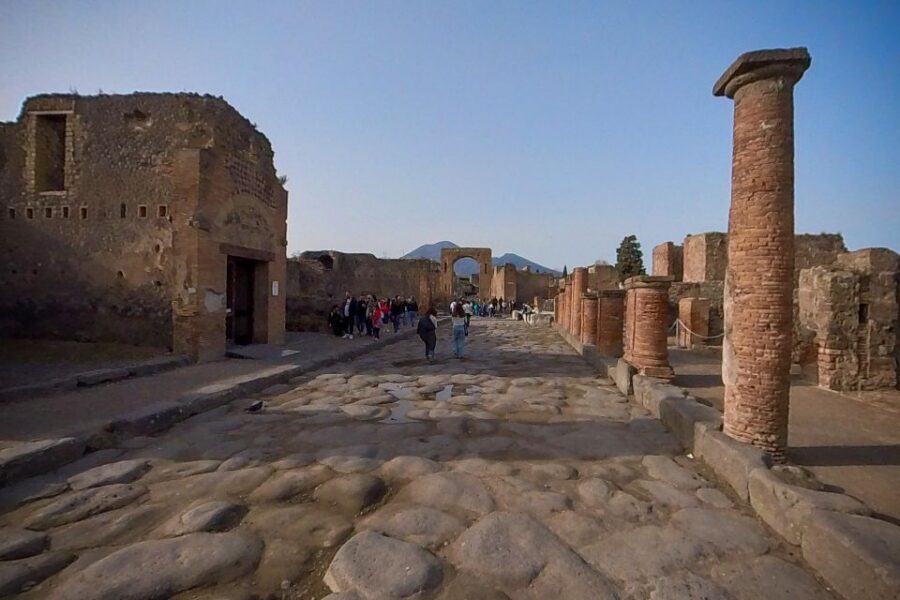
- A guided Pompeii route that hits key places such as the Forum and Stabian Baths
- Specific Pompeii stops including the Thermopolium and Lupanare (food and nightlife in Roman terms)
- Tickets and transport handled for you, including bus, Pompeii entry, and Vesuvius National Park entry
Why this Vesuvius + Pompeii day works
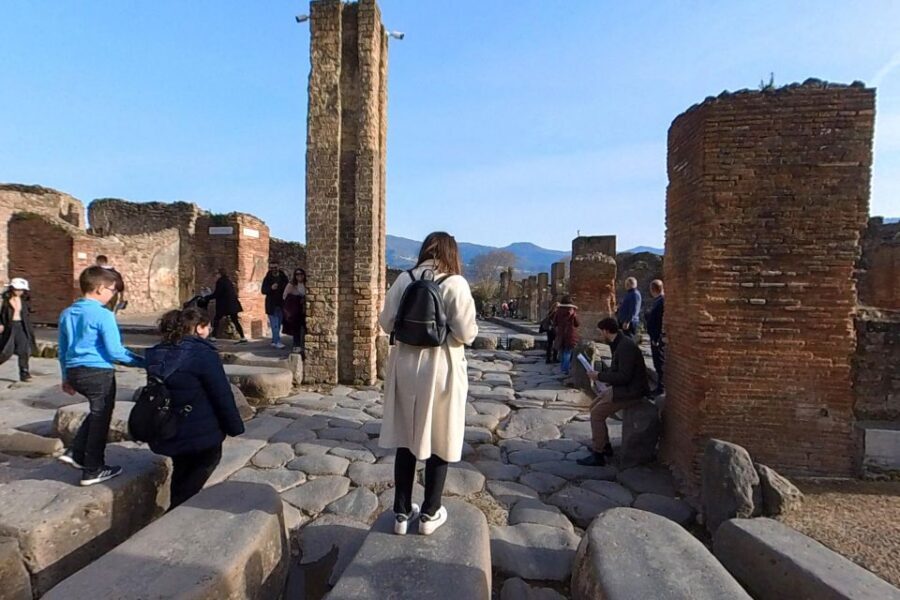
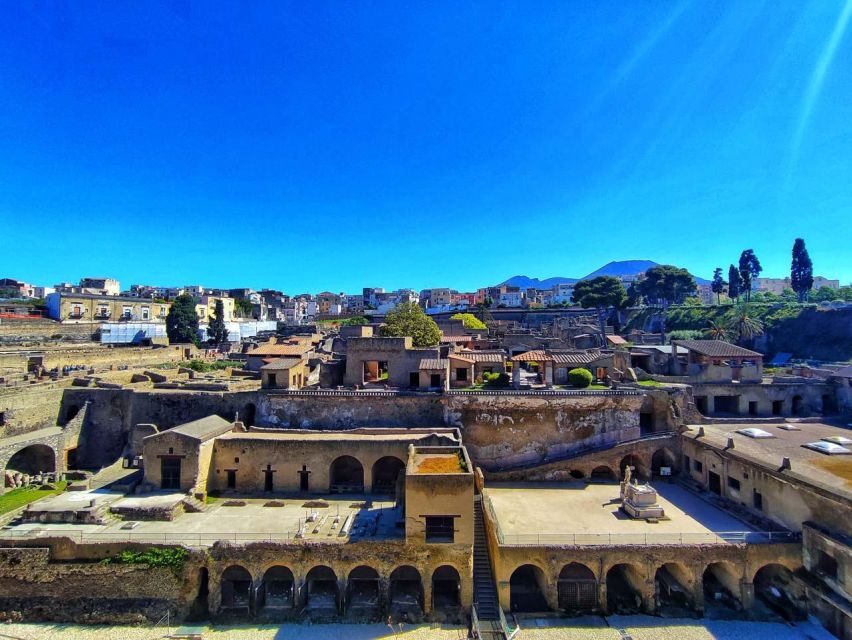
If you only have one day near Sorrento, this plan is a smart way to do the “wow factor” without playing logistics roulette. Vesuvius gives you the physical drama: the crater area and wide views that explain why Pompeii ended up in the path of catastrophe. Pompeii then turns that drama into something human—streets, public spaces, and everyday corners where Romans cooked, shopped, chatted, and gathered.
I also like the rhythm. The day starts with the volcano while you’re fresh, then pivots to Pompeii after lunch. That order matters because Pompeii is large, and a guided route keeps you from getting lost in the scale. With tour leaders and Pompeii guides (including names like Max, Ira, Claudia, and Bernadette in English or Spanish) you’re less likely to miss the “this is why it mattered” details.
Other Pompeii and Vesuvius combo tours we've reviewed at Vesuvius & the Bay of Naples

Getting started: meeting points and bus comfort from Sorrento
Your tour meets at Parcheggio Comunale Achille Lauro in Sorrento (and you may also see an alternate option at Corso Filangieri for some bookings). Some departures run from Vico Equense as well, depending on the package you choose. Either way, you’re picked up by air-conditioned bus, which is a big quality-of-life upgrade when you’re bouncing around mountain roads.
The bus ride is part of the experience, too. You’ll pass through the dramatic region on the way up, and you’ll likely hear context from the tour leader along the road. Just be ready for AC that can run cold; a few people note it can feel chilly once you’re seated for a while.
Tip: bring a light layer. In Italy, “warm everywhere” isn’t guaranteed once you’re on a bus with strong air conditioning.
Mount Vesuvius hike: crater views, timing, and realistic effort
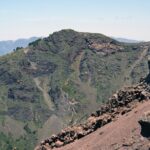
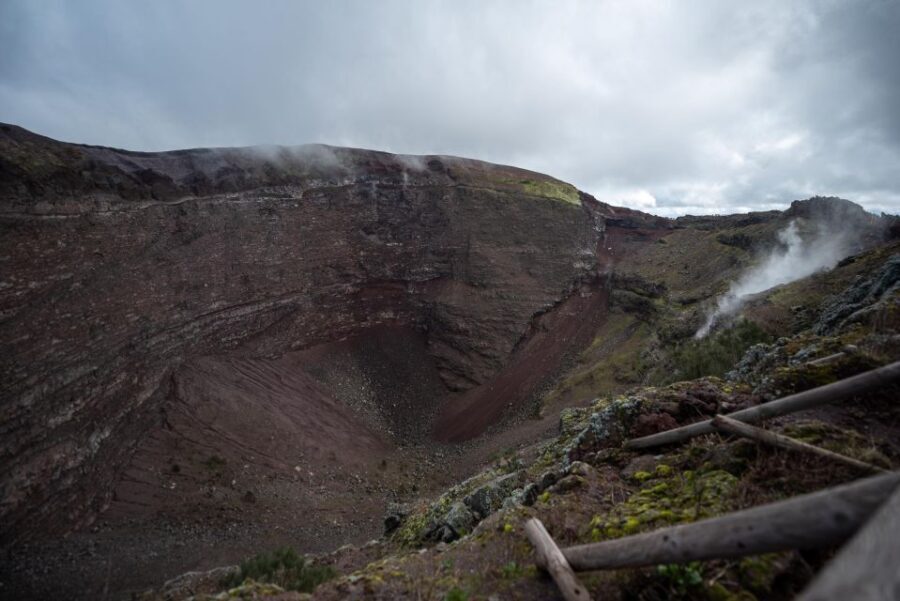
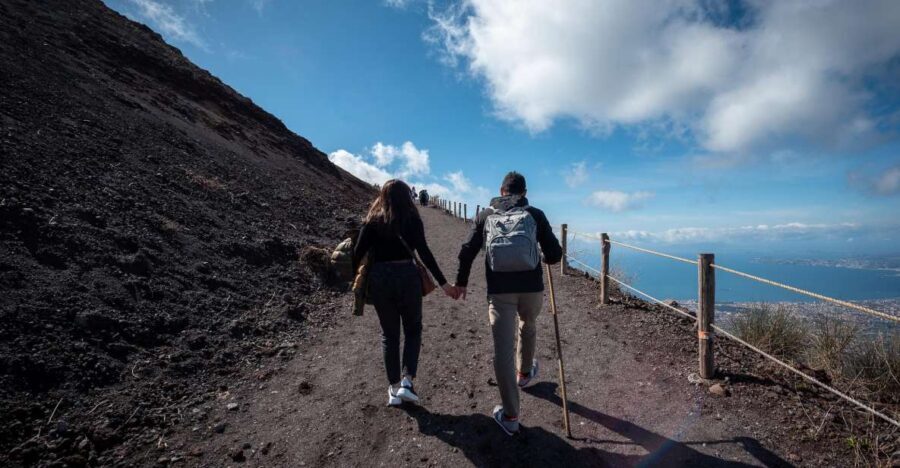
Mount Vesuvius is the main workout here. The plan calls for a walk of about 1.5 hours tied to the climb up to roughly 1,000 meters altitude, where you get that sweeping look over the Gulf of Naples. This is not technical hiking, but it is uphill and it takes effort. The route has steep segments, and the final approach can feel sharper than you expect if you don’t walk hills often.
You’ll have an alpine guide for the Vesuvius portion. That matters because the mountain can be slippery on gravel and grit, especially if weather is changing. Comfortable footwear is non-negotiable. If your shoes are worn smooth or thin-soled, you’ll feel it on that surface.
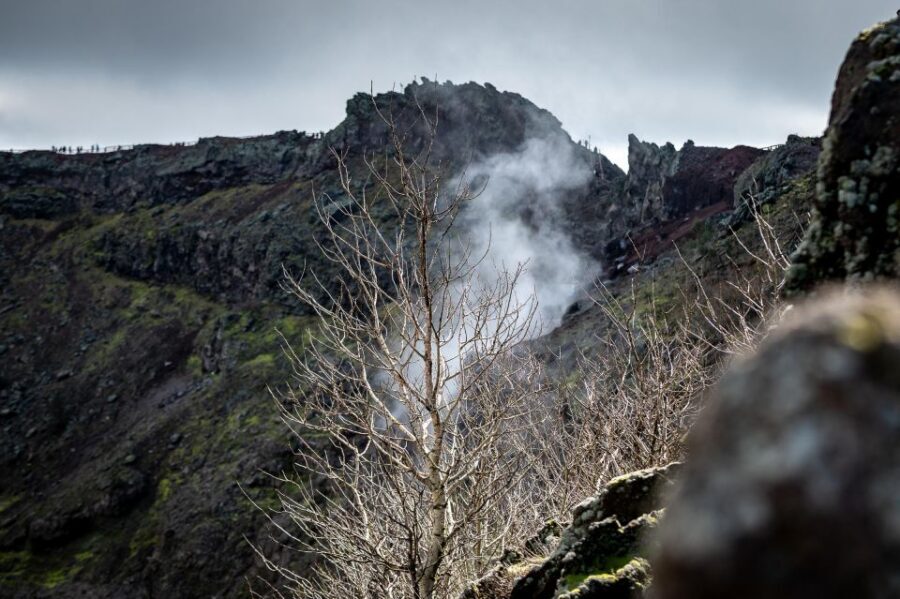
Weather can affect crater access. On days with high winds, the crater itself may be closed, and you may do an alternate hike around the area instead. The good news is that the day usually doesn’t fall apart—your schedule pivots, and entry tickets associated with the closed crater area may be refunded in some cases.
What you should aim for:
- Pace yourself early so you don’t burn out on the steepest part.
- Don’t rush the ascent. The route gets easier as you gain height, but only if you manage your effort.
- Bring a sun hat. Even when it’s not blazing, the exposed sections can be intense.
Toilets: there are toilet facilities around the Vesuvius area, which takes the stress out of a day that’s mostly walking.
Neapolitan pizza lunch on the mountain: simple, well placed
Lunch is built in right after the climb, at a pizzeria on the slopes of Vesuvius. The time slot is around 45 minutes, and the meal is typically Neapolitan-style pizza with included lunch service.
I like where lunch falls in the day. You get fed before the long Pompeii section, and you’re not trying to eat in a rushed back alley miles away from everything. Plus, having lunch with Vesuvius nearby keeps your brain in “context mode”—you’re still thinking volcanic thoughts while you digest.
This isn’t a five-course culinary event. It’s practical and satisfying, and it’s exactly what you want on a day with real walking.
One more note: sometimes the schedule includes a brief stop related to local products—like a limoncello shop—with tastings for free and optional souvenir shopping. That’s not guaranteed in the core itinerary you should expect, but it’s the kind of add-on that can pop up depending on day flow.
Entering Pompeii: why a guide changes the whole place
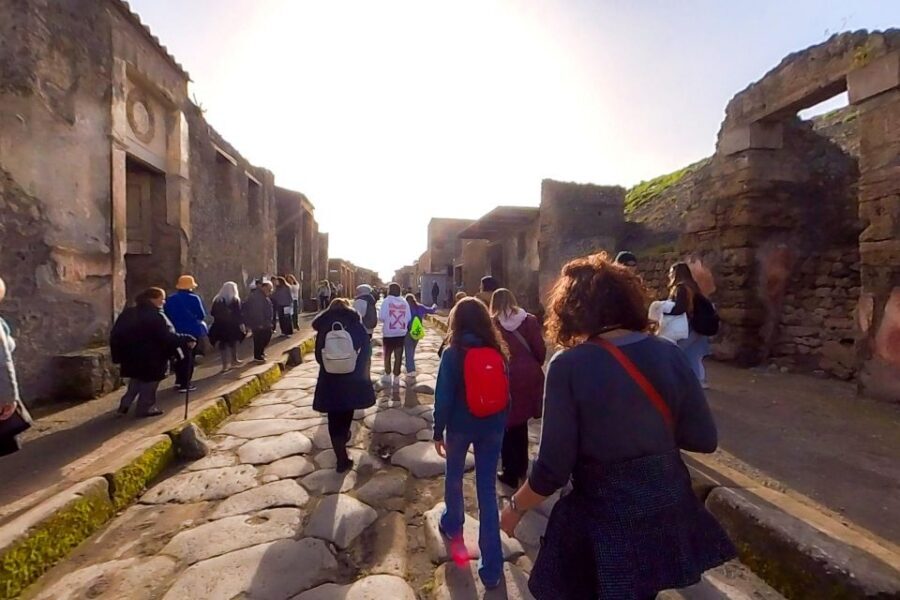
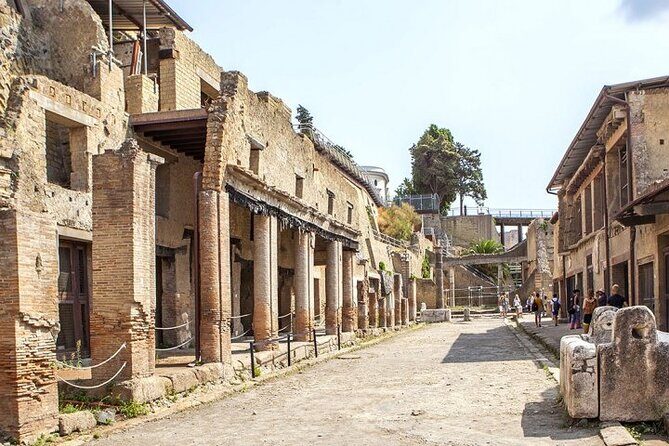
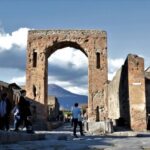
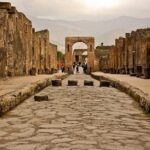
Pompeii is enormous, and unguided you can end up with a collection of random scenes. With a guide, you get structure: what you’re seeing, what it means, and how it fits together as a city rather than a museum of ruins.
Your Pompeii segment includes a guided tour through the archaeological park and multiple featured stops. The time for the Pompeii guided portion is about 2 hours in the core schedule, but you also visit several specific areas during that time frame.
Guides such as Bernadette have a reputation for making Pompeii readable—how the streets worked, what public spaces were used for, and how households organized daily life. When the guide points out small things, the whole scene starts to click: bakeries and food counters make sense, and baths and theaters stop being just “pretty old rooms.”
Important reality check: Pompeii is so big that two hours is a highlight tour, not a full visit. The value is that you get the most meaningful pieces efficiently, so you come away understanding the place instead of just collecting photos.
Other tours departing from Sorrento we've reviewed at Vesuvius & the Bay of Naples



The Pompeii stops that matter most on this route
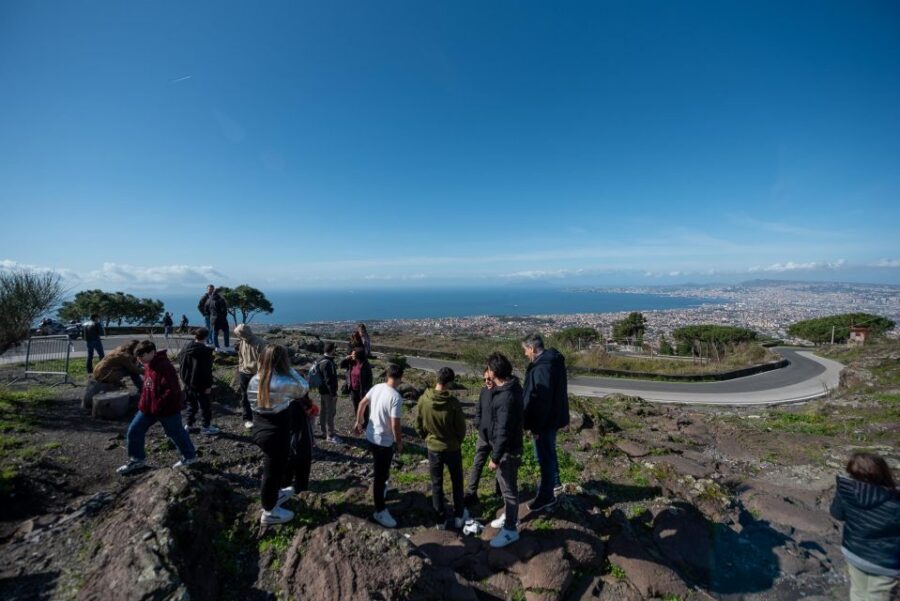
This tour doesn’t try to cover everything. Instead, it focuses on high-impact areas that tell you how Pompeii functioned socially and commercially.
Here are the specific kinds of places you’ll hit:
Forum and civic life (Foro Civile di Pompei)
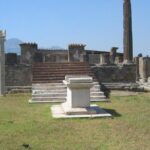
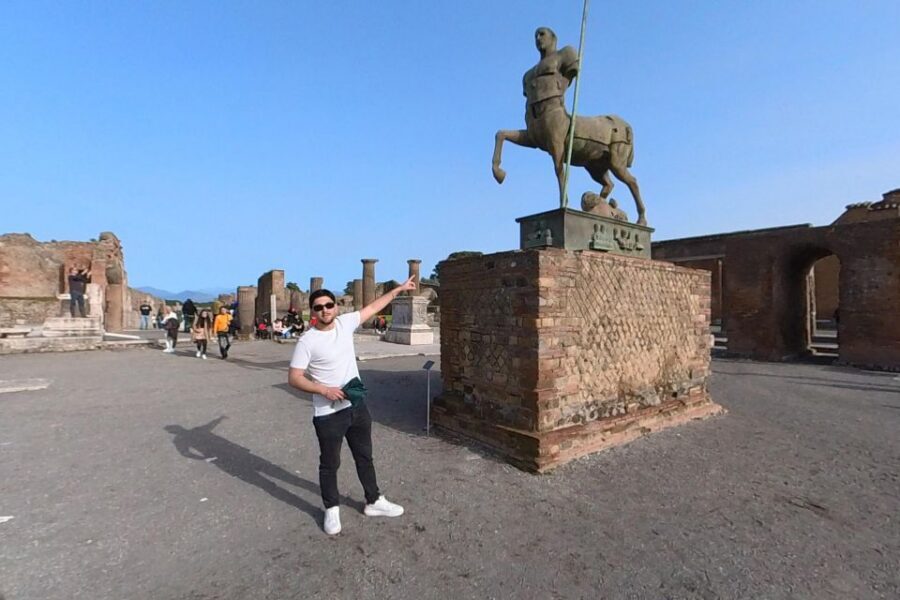
You’ll visit the Forum area, where Romans gathered for civic business and public chatter. This is the social engine of the city—politics, commerce, and daily talk all mixed together. When you stand in these spaces, it helps to imagine people moving through them in real time, not in a slow stroll through ruins.
Stabian Baths (Terme Stabiane)
You’ll also see the Stabian Baths. Baths weren’t just about washing. They were social hubs. You’d likely see how people organized bathing routines and spaces where conversation happened while you waited, rinsed, and rejoined the crowd.
If you want a “Roman daily life” answer, baths are a strong place to get it.
Thermopolium: a Roman fast-food stop
The route includes the Thermopolium—a counter service type of place. Think of it as an early snack-and-meal stop. You’ll connect it to what people ate and how quickly food could be served to locals and visitors.
This is one of those stops that makes Pompeii feel less like a tragedy and more like a real town where people ate lunch too.
Lupanare: Roman nightlife, plainly shown
You’ll visit the Lupanare, which is the better-known red-light district site in Pompeii. It’s historically uncomfortable, but it’s part of the reality of Roman urban life. The value here is context—what you’re looking at and how it functioned in a city that had rules, routines, and social layers.
Roman bakeries, baths, theaters, and street-level life
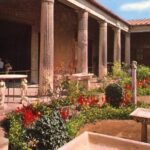
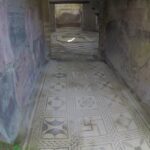
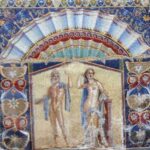
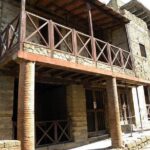
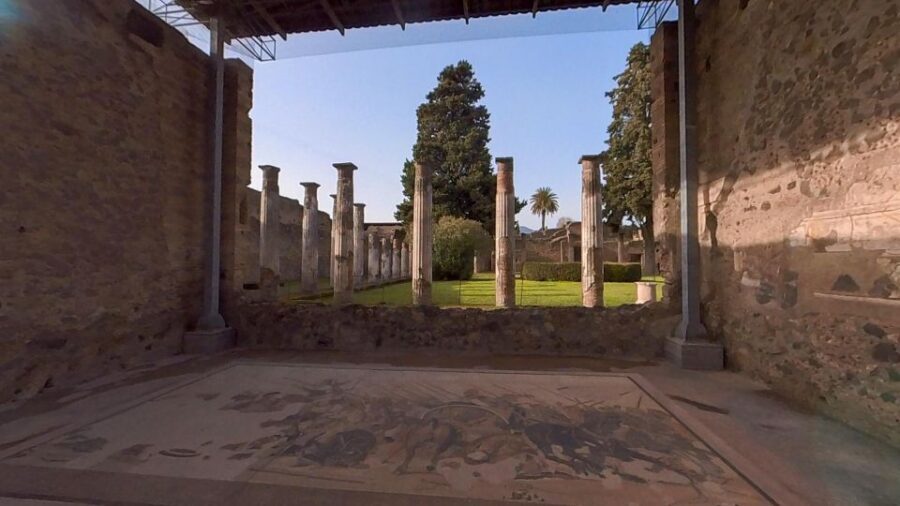
Beyond the named stops, the guided route is framed around the broader day-to-day picture. You’ll hear about Roman spaces such as bakeries and theaters, plus the kind of decorative wall surfaces you can still see in fragments—frescoes and mosaics in places where they survived.
The guide’s job is to connect those dots so it doesn’t feel like random sights.
How much walking is involved, and what to wear
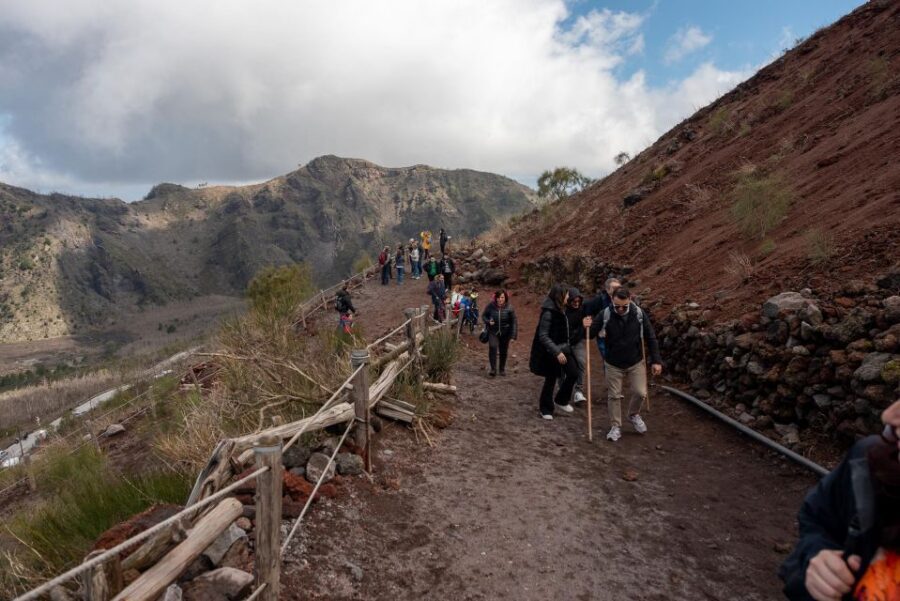
This is not a sit-on-a-bus-and-smile kind of day. You have a mountain climb, plus significant walking in Pompeii. Even if you’re in decent shape, plan for tired legs by the end.
Vesuvius:
- Expect steep uphill segments.
- Bring good footwear that grips on gravel/grit.
- Use your sun hat for exposed sections.
Pompeii:
- Uneven ground and lots of pavement-like stone.
- If you’re the type who usually wears supportive sneakers, this is still your day.
- Hat and water help, even if it’s not scorching.
Clothing tip: wear layers you can adjust. The day starts at a different temperature point than the mountain midday sun.
Price and value: what you’re paying for at $130-ish
At around $130.28 per person, you’re not just buying a bus ticket. You’re paying for:
- Air-conditioned bus transport
- Tour leader plus Pompeii guide
- Alpine guide for the Vesuvius climb
- Lunch (pizza)
- Pompeii entry ticket and Vesuvius National Park entry ticket
That’s the core value. Without a guided package, you’d still need transportation, admission tickets, and the time cost of figuring out how to move between the volcano and Pompeii with enough structure to make it worth your day.
This tour is best seen as time-saving with built-in interpretation. Pompeii is where guides matter most. Vesuvius is where timing and safe trekking matter most.
Who this tour is best for (and who should think twice)
This fits best if you want a big-scope day and you’re okay with pace. You’ll love it if:
- You’ve never seen Pompeii and want the “start-to-understand” version.
- You want the volcano story told in the right order: cause first, then aftermath.
- You prefer guided interpretation over wandering on your own.
- You can handle a moderate hill climb and lots of walking.
It’s less ideal if:
- You hate tight schedules and short time windows.
- You’re very sensitive to uneven ground.
- You want a slow, deep Pompeii day with minimal walking.
Remember: Pompeii here is a highlight route, not a completionist plan.
Should you book this Pompeii and Vesuvius tour?
Book it if you want an efficient, well-structured day that covers both Vesuvius and Pompeii without you doing heavy planning. The inclusion of transport, tickets, lunch, and dedicated guiding makes it good value for a first-time visit.
Skip or compare if you strongly prefer flexible roaming time inside Pompeii, or if you’re not comfortable with an uphill mountain trek. In those cases, you might prefer a more flexible approach.
If you do book, pack for walking and sun, wear grippy shoes, and accept that this is a “do the big things” day. Then enjoy the payoff: standing on Vesuvius after walking Pompeii’s streets is one of the most memorable cause-and-effect experiences in Italy.
FAQ
Where does the tour start in Sorrento?
The meeting point is Parcheggio Comunale Achille Lauro in Sorrento, with some bookings using Corso Filangieri as a starting or pickup option.
Is pickup available from Vico Equense?
Yes. Some tour options start from Vico Equense instead of Sorrento, depending on what you select.
How long is the full tour?
The duration is listed as 8.5 to 9 hours, with starting times varying by availability.
What language is the tour guide in?
The live tour guide is available in Spanish and English.
Is lunch included, and what do you eat?
Lunch is included. You’ll have Neapolitan-style pizza at a pizzeria on the slopes of Mount Vesuvius.
Are tickets included for Pompeii and Vesuvius?
Yes. The tour includes Pompeii Archaeological Park entry and Vesuvius National Park entry.
What stops do you see in Pompeii?
The guided Pompeii route includes the Forum (Foro Civile di Pompei), plus guided visits to places such as the Thermopolium, the Lupanare, and the Stabian Baths (Terme Stabiane).
Do you climb to the top of Vesuvius?
You do an uphill walk on Mount Vesuvius toward the crater area, with the plan describing an ascent to about 1,000 meters. On windy days, crater access can be limited.
What should I bring?
Bring a passport or ID card, comfortable shoes, and a sun hat.
Is transportation included?
Yes. The tour includes air-conditioned bus transportation between the stops.