REVIEW · ROME
Small Group Tour Pompeii and Herculaneum from Rome
Book on Viator →Operated by Rental and Tour · Bookable on Viator
Vesuvius left receipts. This day trip strings together Pompeii’s big public sites with the more relaxed Herculaneum, so you can compare two Roman cities buried in 79 AD—same disaster, different feel. I love the chance to see major Pompeii landmarks like the basilica and forum, and I like how Herculaneum’s baths and mosaics are often easier to take in. One real drawback: there’s uneven stone, plus high curb steps, so it can be tough if you walk unsteadily.
You start early, you go with a small group (max 16), and you get pickup and a mobile ticket to keep things smooth. The main thing to know is that the Pompeii part is where a guided upgrade makes the biggest difference, while Herculaneum is more of a “go explore at your pace” stop.
In This Review
- Key things to know before you go
- Pompeii and Herculaneum in one day: the core idea
- Getting out of Rome smoothly: pickup and mobile tickets
- Pompeii’s basilica and forum: where a guide earns its spot
- Pompeii walking reality: curbs, pace, and bathroom planning
- Herculaneum after Pompeii: the quieter, better-preserved contrast
- How the day flows: timing that helps you avoid “ruins fatigue”
- Price and value: what you’re actually paying for
- Who this tour suits (and who should pick a different format)
- Should you book this Pompeii and Herculaneum tour?
- FAQ
- How long is the Pompeii and Herculaneum tour from Rome?
- What time does the tour start?
- Where do I meet the group?
- Is pickup offered from my hotel or apartment?
- Are admission tickets included?
- Is there a guide included for both sites?
- How big is the group?
- Can I cancel and get a full refund?
Key things to know before you go
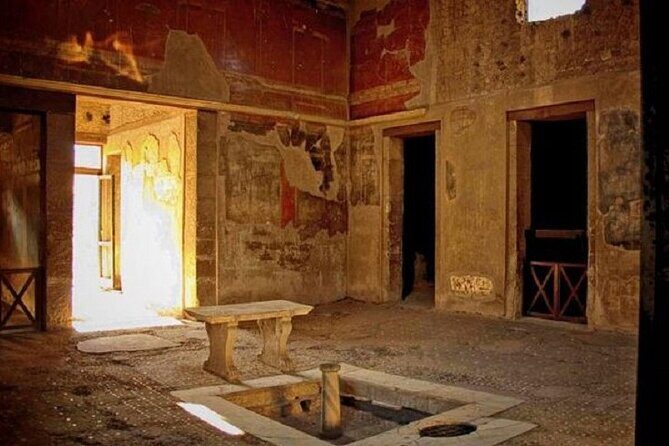
- Two major sites in one day: Pompeii first, then Herculaneum, both tied to the same 79 AD eruption story.
- Pompeii’s must-see anchors: basilica and forum are part of the highlight circuit, not a vague “see ruins” walk.
- Herculaneum tends to feel more manageable: it’s often quieter and better preserved in the key areas you’ll want to see.
- Guided Pompeii is the value add: if you can, upgrade for a guide during Pompeii to make the structures click faster.
- Walking comfort matters: plan for steps/curbs and uneven ground; bring your most stable shoes.
- Bathrooms need planning: bring some small cash/change, since facilities can be pay-per-use in areas like this.
Pompeii and Herculaneum in one day: the core idea
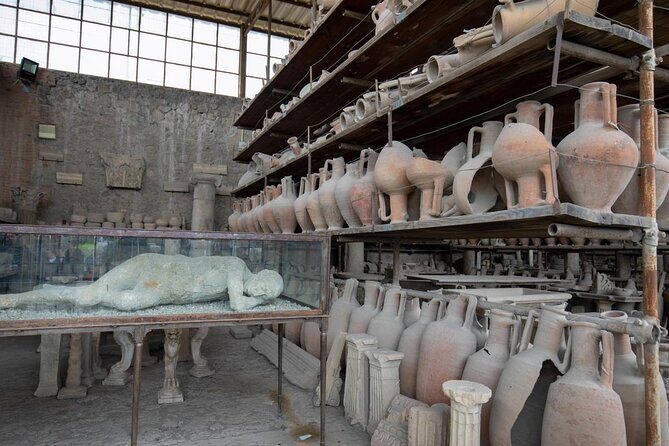
This tour is built for people who want the headline attractions without spending a whole night in the Naples area. You leave Rome at 7:00 am and get about three hours in Pompeii, then another three hours in Herculaneum, with the whole day running about 12 hours.
That pacing is exactly why this works. Pompeii can swallow a day by itself, and Herculaneum can feel under-scheduled if you only tack it on for an hour. Here, you get enough time to actually see meaningful streets and rooms, not just shuffle between photo spots.
Where it can frustrate you: Pompeii is big. Even with a planned route, you’ll still do a lot of walking across open-air ruins. If you’re someone who hates long days on foot, this is still doable, but go in with realistic expectations about stamina.
Other Herculaneum guided tours and tickets we've reviewed at Vesuvius & the Bay of Naples


Getting out of Rome smoothly: pickup and mobile tickets
I like the logistics here because they’re straightforward. Pickup is offered, and the pickup time is confirmed the day before. You meet at P.za della Repubblica, 48 (you return there at the end), and the meeting point is near public transportation.
The mobile ticket is one less thing to fuss with. Still, I strongly suggest you save the ticket on your phone and also keep a screenshot of your booking confirmation. In a place like this, phone service can be patchy, and having a backup beats the last-minute scramble.
Small group size matters too. With up to 16 people, you’re less likely to feel like you’re stuck in a moving crowd. It’s still a popular day trip, so plan for normal hustle—just not the chaotic tour-bus crush.
Pompeii’s basilica and forum: where a guide earns its spot
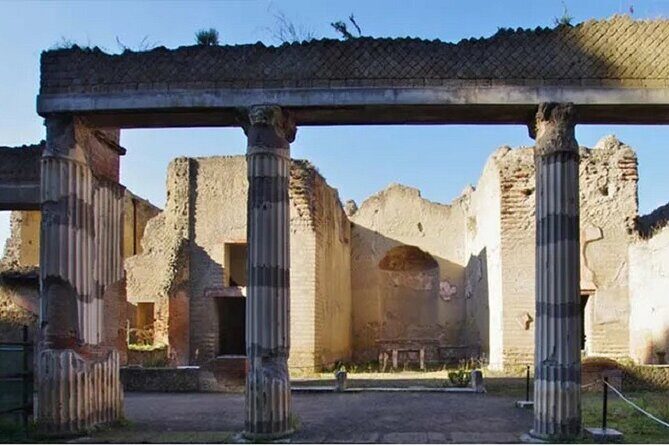
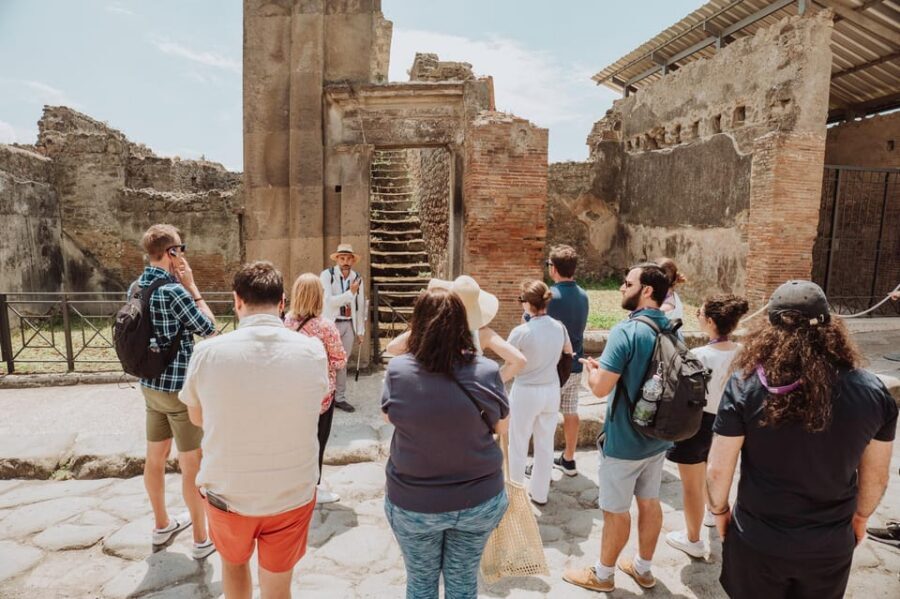
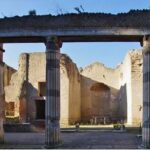
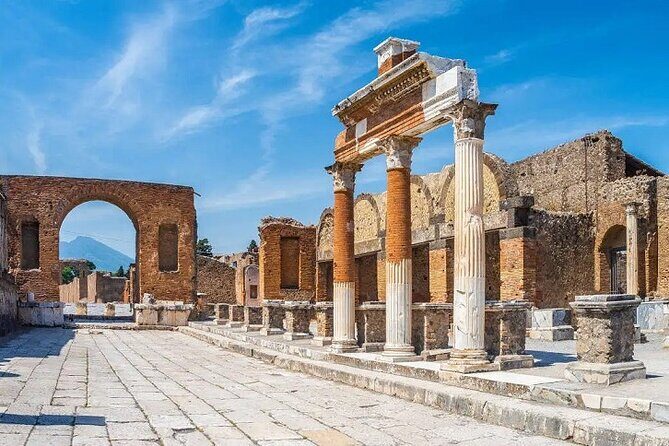
Pompeii is the headline for a reason. You get the Pompeii Archaeological Park, and admission is included. The stop is about three hours, and the highlights you’re meant to catch include the basilica and the forum, plus thermal baths, a brothel area, and residential houses.
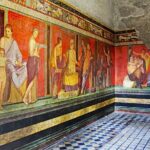
Here’s why Pompeii feels so unforgettable: you’re not just seeing ruins; you’re seeing the layout of daily life. The forum is where commerce and public events happened. The basilica is tied to the civic rhythm of the city—think of it as a key social/business hub rather than just a pretty stone shell. When you know what you’re looking at, those spaces stop being random walls and start being understandable rooms in a functioning city.
That’s where an upgrade helps. Pompeii is the part where a guided tour is offered for deeper insight, and it’s the best place to spend extra money if you’re choosing upgrades. One standout practical point from real-world experience: Pompeii tours are led by official guides, and having a real ruins professional can make the pacing and explanations fit the site rules and layout.
If you tend to lose context quickly when you’re touring on your own, you’ll likely feel the difference right away in Pompeii. If you love wandering and you’re good at reading placards, you might get by without the guide upgrade—but you’ll probably enjoy Pompeii more with it.
Pompeii walking reality: curbs, pace, and bathroom planning
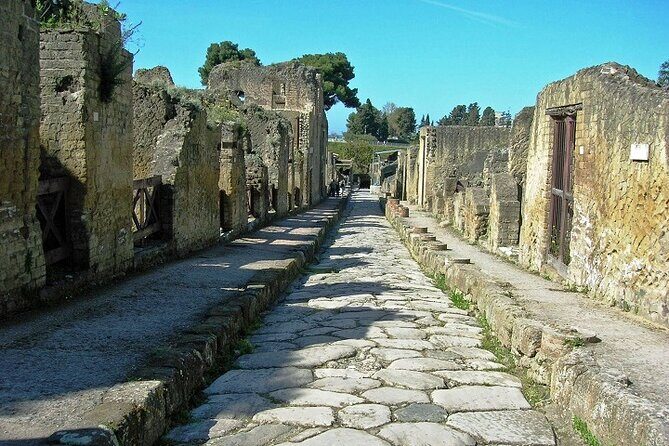
Pompeii’s surfaces can feel “slightly wrong” underfoot. In one case, a visitor who was 72 and walking with a walker still had trouble with high ancient curbs to reach the roadway. You don’t need to be elderly to feel this—anyone with balance issues should plan for it.
So here’s your practical move: wear shoes with solid grip and plan for short pauses. Don’t assume the route will be smooth or level. Even if the tour group stays on a sensible route, you’ll still be negotiating steps and uneven ground.
Also, think about toilets. One helpful tip: bring some change for restroom stops. Pompeii is outdoors, and facilities aren’t always set up like modern museums. Small cash can save you from awkward delays.
Finally, pace yourself inside Pompeii. The tour is only three hours, which means stops are efficient. If you want slower photo time, do it in places where the guide is likely to let you linger—so you don’t feel like you’re always rushing to catch up.
Herculaneum after Pompeii: the quieter, better-preserved contrast
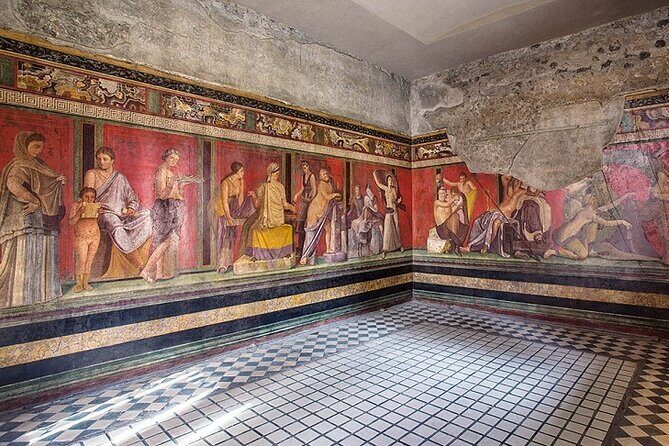
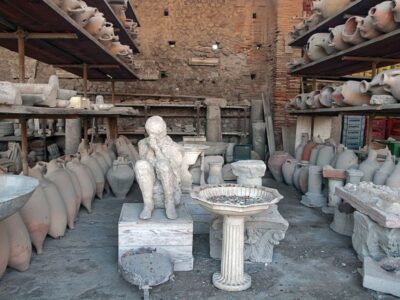
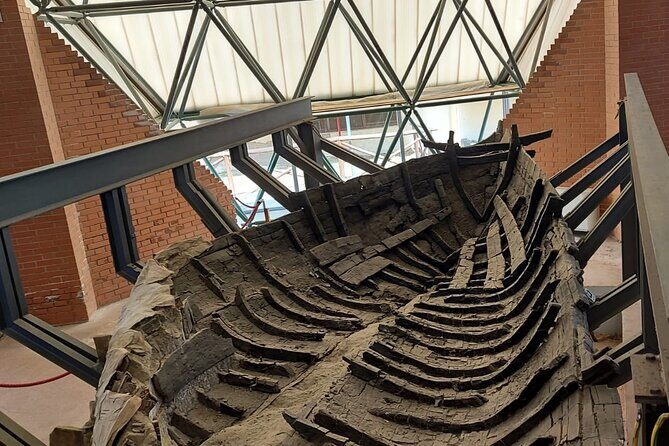
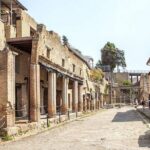
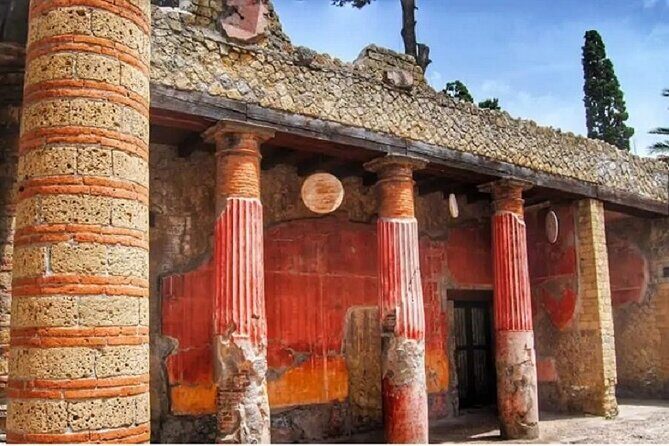
Then you pivot to Herculaneum, the smaller neighbor city. This stop also runs about three hours, and admission is free. It’s buried by the same 79 AD eruption, but it often feels different under your feet—less like a scenic free-for-all and more like a place where you can sense intact spaces.
You’ll see baths and stunning mosaics, and the overall vibe is easier to enjoy after Pompeii’s larger, more intense sweep. Pompeii can be emotionally loud: big, open public spaces plus lots of attention to specific highlights. Herculaneum is often more intimate. You get to focus on details—patterns, surfaces, and room layouts.
One planning note: Herculaneum’s part of the day doesn’t always come with a guide included. In practice, that means you may be walking and reading explanations on your own unless you arrange an extra guide on site. If you want commentary to connect the baths and mosaics to daily routines, consider budgeting for a private guide time in Herculaneum. If you’re fine with independent exploring, the free admission and the three-hour block give you room to get oriented and then settle in.
Other tours departing from Rome we've reviewed at Vesuvius & the Bay of Naples




How the day flows: timing that helps you avoid “ruins fatigue”
The order matters. Pompeii first gives you the high-impact “wow” city, and Herculaneum second lets you slow down and compare what you saw earlier. If you flipped it, Pompeii could feel like an overlong finale. Going from Pompeii to Herculaneum helps your brain keep the two places distinct.
Start at 7:00 am, then two main stops, and you’re back at the meeting point by the end of the day. That structure is great if you like a plan. It can be rough if you like long lunches and unhurried wandering—because you’ll want to keep energy for the afternoon.
Also, it’s a full day. Pack accordingly: water, sun protection, and snacks you can eat quickly. You don’t want your day to hinge on finding a perfect sit-down meal between ruins.
Price and value: what you’re actually paying for
At $382.34 per person, this isn’t a budget throw-in. The value hinges on what you choose to include and how much you’ll benefit from guidance and logistics.
Here’s what your money is covering in plain terms:
- Guided-and-highlight structure, with Pompeii’s key monuments included in the time budget
- Admission for Pompeii, which reduces surprises
- Pickup and return from Rome, plus a smooth group setup
- Mobile ticketing, which keeps things simpler
- A max 16-person group, which usually means less confusion and less time waiting around
Herculaneum admission is free, so the cost isn’t coming from ticket fees there. It’s coming from transportation, timing, and the built-in “you don’t have to plan it” factor—plus, if you upgrade, the added context during Pompeii.
I’d call this a good value if:
- You want both sites in one day
- You’ll likely upgrade Pompeii for a guided explanation
- You care about not getting lost in what to see first
I’d think twice if:
- You’re planning to do everything on your own without a guide and you don’t mind missing connections
- You have serious mobility limits and long outdoor walking is hard for you
Who this tour suits (and who should pick a different format)

This tour fits you well if you want a focused day plan and you’re happy to walk. It’s also a strong match if you like historical context that turns ruins into something more than shapes.
It’s less ideal if:
- You have unsteady walking or limited stamina and steps/curbs are a problem (you may find Pompeii physically demanding)
- You hate structured pacing and want slow, independent exploration for the whole day
One more small practical point from real experience: if language is a concern, a guide like Fabio has been described as engaging, and using Google Translate helped some visitors keep up. I can’t promise every departure has the same style, but it’s good to know that simple tools can help you get more out of the explanations even if your Italian isn’t perfect.
Should you book this Pompeii and Herculaneum tour?
Book it if you want the best single-day combo: Pompeii’s public landmarks plus Herculaneum’s baths and mosaics, with pickup from Rome and a time budget that actually lets you see both cities.
Don’t book it if you know you’ll struggle with uneven ground, high curbs, and a full 12-hour day. In that case, you might be happier with a more flexible or shorter itinerary built around fewer transfers and more rest time.
My honest rule of thumb: if you can handle long museum walking and you’re even slightly curious about how Romans lived day to day, this is a very solid use of your time in Rome. Spend the upgrade money wisely (Pompeii), wear stable shoes, and you’ll come home with a clear contrast between the two cities—and that contrast is the whole point of going.
FAQ
How long is the Pompeii and Herculaneum tour from Rome?
The tour runs for about 12 hours.
What time does the tour start?
The start time is 7:00 am.
Where do I meet the group?
You start at P.za della Repubblica, 48, 00184 Roma RM, Italy, and the tour ends back at the same meeting point.
Is pickup offered from my hotel or apartment?
Pickup is offered, and the pickup time is confirmed the day before the trip. You’ll also be asked for your accommodation address at booking.
Are admission tickets included?
Pompeii admission is included. Herculaneum admission is free.
Is there a guide included for both sites?
A guided tour upgrade is offered for Pompeii. The information provided does not mention a guide being included for Herculaneum.
How big is the group?
The group size is up to 16 travelers, with a minimum of 2 participants.
Can I cancel and get a full refund?
Yes. You can cancel up to 24 hours in advance for a full refund. If you cancel less than 24 hours before the start time, the amount paid is not refunded.