REVIEW · SORRENTO
Herculaneum Half-Day Tour from Sorrento
Book on GetYourGuide →Operated by Golden Tours Sorrento · Bookable on GetYourGuide
Herculaneum hits different from the start. Herculaneum feels like a time capsule, and the frescoes are the kind you can actually look at without rushing. I like that you’re not just staring at stones—you’re walking a Roman seaside town with an authorized guide who explains what you’re seeing as you go.
Two things I really liked: the site preservation (thanks to what buried it) makes the ruins easier to imagine, and the pace fits a half day. In particular, guides such as Tony have a way of keeping the story moving while still making space for shade when the heat ramps up.
One consideration: guide quality can vary. One booking report notes a very late guide and weaker English skills, plus a changed drop-off after the tour—so keep an eye on the pickup window and be ready for timing to occasionally wobble.
In This Review
- Key highlights I’d plan around
- Why Herculaneum Feels Different Than Other Vesuvius Stops
- The 4-Hour Sorrento-to-Herculaneum Rhythm (And Why It Works)
- Entering Herculaneum: What the Walk Is Really Like
- The Story You’ll Hear: From Holiday Homes to 1738 Discoveries
- Villas, Frescoes, and How to See Them Without Rushing
- Group Size, Guide Style, and What to Watch For
- Price and Value: Is $94 Worth a Half Day?
- What’s Included (and the Parts You’ll Need to Handle)
- Practical Tips: Make This 4 Hours Feel Easy
- Who This Tour Suits Best (And Who Might Skip It)
- Should You Book This Herculaneum Half-Day Tour?
- FAQ
- How long is the Herculaneum Half-Day Tour from Sorrento?
- Where is the meeting point?
- What is included in the price?
- Is lunch included?
- Is the tour guide available in English?
- Does this tour skip the ticket line?
- Is the tour suitable for wheelchair users?
Key highlights I’d plan around
- Fresco-friendly ruins: pyroclastic burial helped preserve villas and wall paintings
- Expert storytelling on-site: the guide’s explanations run while you walk, not just at the start
- Air-conditioned ride from Sorrento: you trade stairs and sun for a comfortable bus transfer
- Smaller group feel in the park: one report notes splitting into groups of 10 for easier access
- Heat-aware pacing: shade stops happen when possible during the tour
Why Herculaneum Feels Different Than Other Vesuvius Stops
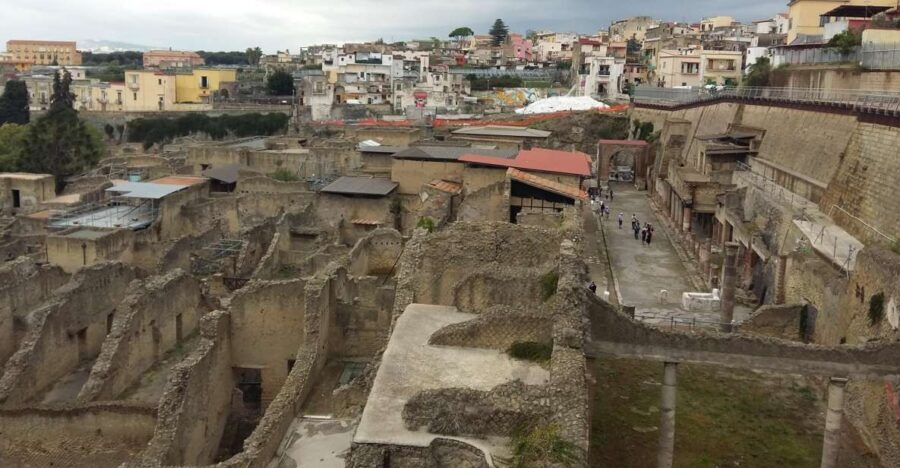
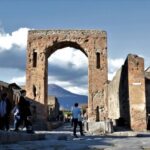
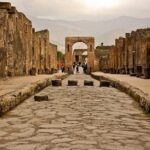
If you’re doing the Vesuvius area, you’ll hear a lot of talk about Pompeii. I get it. Pompeii is famous. But Herculaneum has a different punch—less about size and more about clarity. Here, you’re walking through Roman villas and household spaces where the walls still show what life looked like in 1st-century Campania.
The big reason is simple and dramatic: after the eruption in 79 BC, Herculaneum was buried for centuries. When excavations began in 1738, workers realized it was affected by a pyroclastic flow. That matters. Pyroclastic deposits helped protect buildings and surfaces, so the ruins can feel more readable than the typical “collapsed walls and scattered columns” vibe you get at many ancient sites.
For you, that means the time you spend on the ground tends to feel more productive. Instead of trying to rebuild the past from fragments, you can focus on the preserved details—like villa layouts and painted decoration—while your guide connects the dots.
Other Herculaneum guided tours and tickets we've reviewed at Vesuvius & the Bay of Naples

The 4-Hour Sorrento-to-Herculaneum Rhythm (And Why It Works)
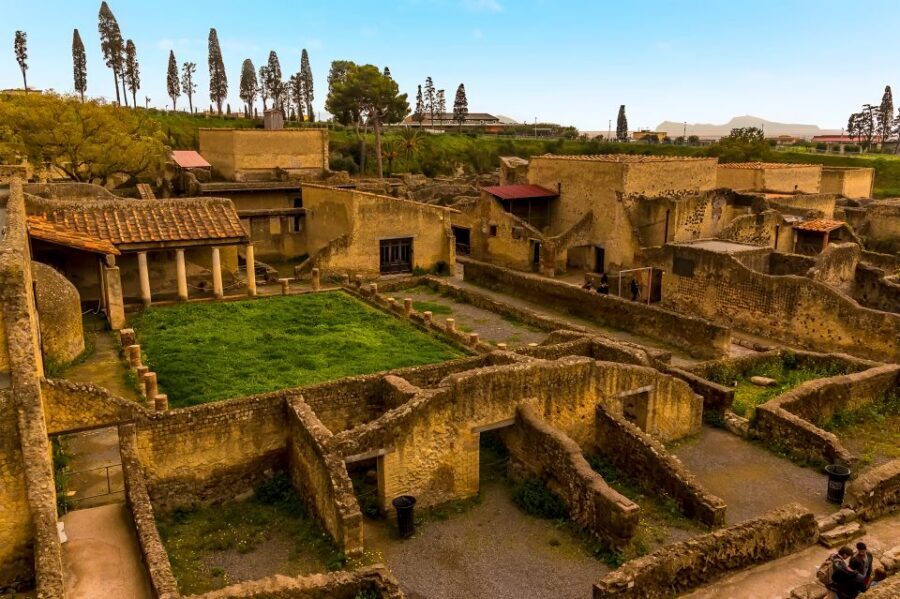
This is a 4-hour half-day format with an authorized English-language guide, and it’s built around a straightforward flow: depart from Sorrento by air-conditioned bus, arrive at Herculaneum, then walk the site with your guide before returning to the main meeting point.
The practical value here is time management. Sorrento is a popular base, but it’s easy to lose half your day to transit if you choose the wrong tour length. With this one, you’re not stuck committing to an all-day schedule. You get enough time to see what makes Herculaneum special without burning your entire itinerary on logistics.
Also, an air-conditioned coach matters more than it sounds. This region can get hot, and you’re walking after you arrive. A comfortable ride helps you arrive with your energy intact. One report specifically highlights a clean, air-conditioned bus, plus a pleasant driver—those little details add up when your total time is limited.
Where you’ll start: the meeting point is Parking Lauro – Via Correale – Sorrento. If you’re using rideshare or a taxi before pickup, plan buffer time so you don’t end up waiting in the sun.
Entering Herculaneum: What the Walk Is Really Like
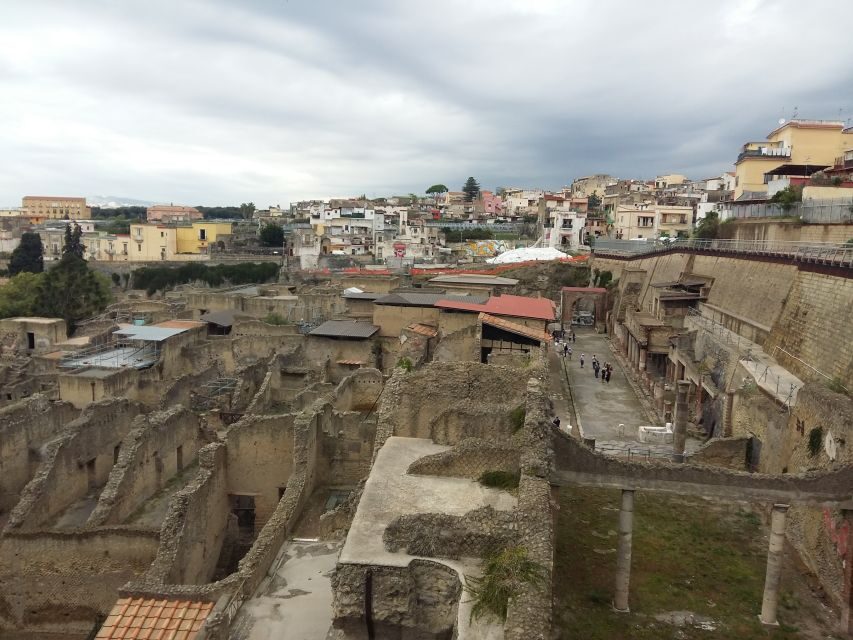
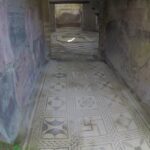
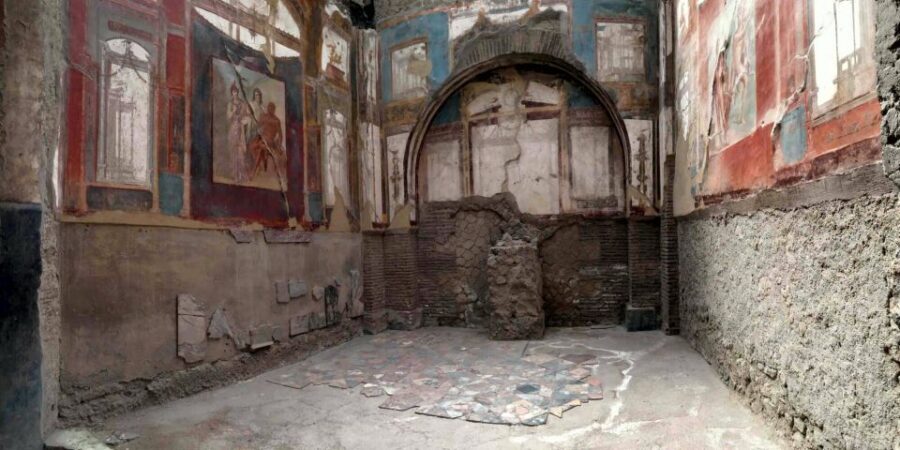
Once you’re at Herculaneum, the heart of the tour is the walking visit. You’ll explore ancient Romans’ villas and take in the well-preserved frescoes. The site is described as suggestive and deeply visual, and that’s what you should expect: painted surfaces and ruined rooms that feel like part of an actual neighborhood.
A key point for managing expectations: the excavations are still in progress. That means only part of the town can be seen. In other words, you’re not getting a complete “see everything” tour. You’re getting a guided look at the most accessible, currently visible sections—very much the “best-of-what’s-open-right-now” approach.
So when your guide is moving you along, it’s not just efficiency. It’s also about pacing inside a living excavation environment. You’ll get a guided narrative that helps you interpret what you’re seeing, rather than wandering and guessing.
One small plus: the tour includes entrance fees and notes skip the ticket line. That can shave off stress when you arrive.
The Story You’ll Hear: From Holiday Homes to 1738 Discoveries
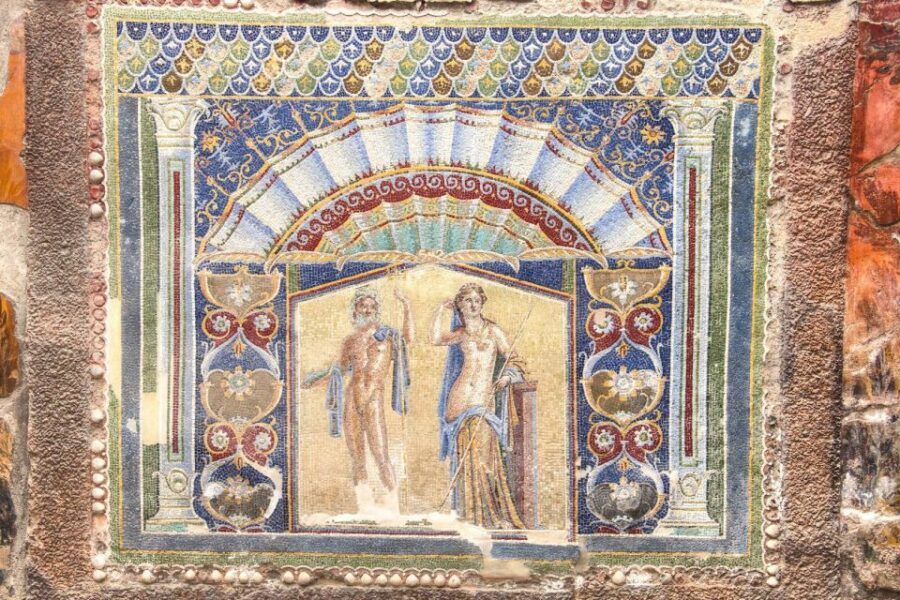
Here’s what the guide context does for you: it turns the ruins from “pretty old walls” into a real place with a believable rhythm of daily life.
Herculaneum grew as a holiday destination for wealthy Romans because of its climate and seaside location. That’s the kind of detail that makes villas feel less like museum pieces. You’re not looking at generic buildings—you’re imagining a town where people traveled for the season and built estates they could escape into.
Then comes the turning point. After Mount Vesuvius erupted in 79 BC, the town lay buried for centuries. When digging began in 1738, it took time before Herculaneum was brought back into view. You’ll learn that the eruption wasn’t just “hot ash.” The pyroclastic flow is what helped preserve so much. That’s why frescoes can survive where you’d expect destruction elsewhere.
For a lot of visitors, the biggest value of a guided tour at a place like this is interpretation. You’ll see the remnants, but the guide helps you understand what those remnants likely meant—how people lived, how the villas worked, and why the paintings matter.
Villas, Frescoes, and How to See Them Without Rushing
The ruins you’re here for are villas and frescoes, and those two items should shape how you experience the walk.
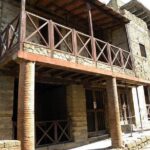
Villas: You’re walking around remains that reflect how Roman estates were organized. Even when structures are incomplete, your guide can point out how spaces were used, and you’ll start to recognize the logic of rooms and features as you go.
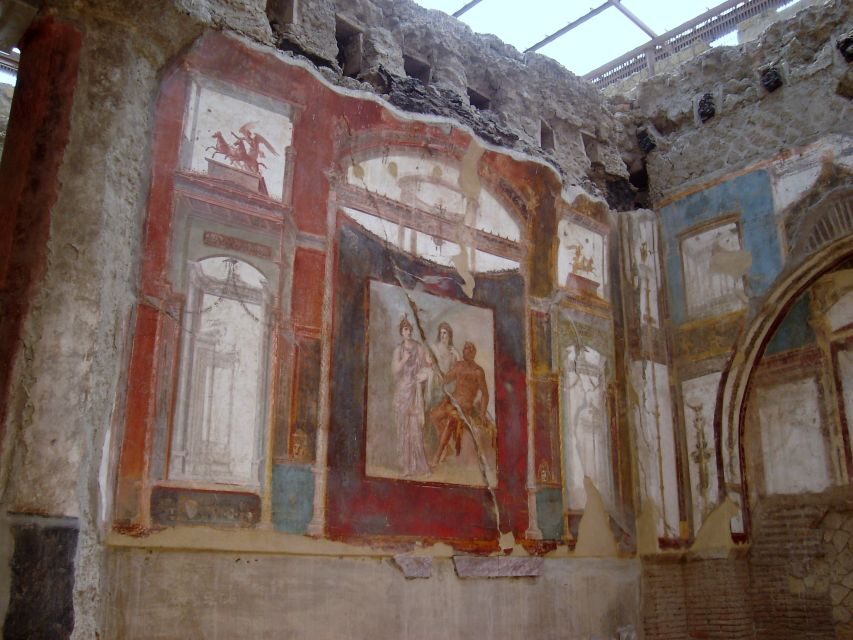
Frescoes: This is the “slow down” part of the tour. If you’ve ever seen frescoes only in photos, you’ll be surprised by how much more impactful they can be in person—especially when the preservation is strong. You’re close enough to appreciate brushwork and scenes rather than just thinking, That’s old paint.
Because the overall tour is only 4 hours, you’ll want to adopt a simple strategy: focus on the frescoes as moments, not as a checklist. Let the guide’s explanations cue what to look for, then give yourself 30–60 seconds to study what you’re seeing before moving on.
Heat management is part of this, too. One report notes the guide sought shade whenever possible. That’s a smart pacing choice, and it makes the tour more enjoyable rather than turning it into endurance walking.
Other tours departing from Sorrento we've reviewed at Vesuvius & the Bay of Naples





Group Size, Guide Style, and What to Watch For
A half-day tour lives and dies by how your guide runs it. In the supplied feedback, the standout theme is that the best guides use the time well: they provide extensive background and explanations while you’re walking and looking at the site.
One booking names Tony as the guide and emphasizes that he was pleasant and informative, with careful attention to pacing and shade. Another booking mentions extensive background and explanations as the main thing liked most.
On the flip side, there’s at least one cautionary report. A traveler from Canada described a late arrival, weaker information due to language skills, and a changed drop-off location after the tour. That’s not enough to “write off” the tour, but it’s enough to suggest you should choose your expectations wisely: show up on time, keep your phone handy, and don’t assume every guide experience will match the top-tier descriptions.
Group handling is also worth noting. One report says participants were split into two small groups of 10, which helps with access to villas and other attractions. Smaller groups can mean faster movement to the points of interest and less crowd pressure inside the most delicate sections.
Price and Value: Is $94 Worth a Half Day?
At $94 per person for about 4 hours, you’re paying for three main things: a guided interpretation of the site, transportation from Sorrento by air-conditioned bus, and admission/entrance fees.
Here’s the value logic I’d use to decide:
- If you’re short on time, this format gives you a high-density hit of the most meaningful parts of Herculaneum without committing to a full day.
- If you like having someone connect the archaeology to real-life context, the authorized guide makes the visit more than a photo stop. The feedback strongly supports that guides who explain well are a major reason people rate this tour highly.
- If you already plan to visit Pompeii and Vesuvius, Herculaneum can feel like the more “readable” complement—less about scale, more about preserved interiors and wall paintings.
What you should compare it to: not the price of other tours, but the cost of doing this on your own with less structure. Without a guide, you may still enjoy the site, but you’ll likely spend more time trying to interpret on your own. With this tour, you’re buying time-efficient understanding.
Two small “watch-outs” for your wallet: lunch isn’t included, and you’ll be walking a lot. If you need food during the day, plan accordingly so you’re not paying restaurant prices later because you ran behind schedule.
What’s Included (and the Parts You’ll Need to Handle)
The package includes:
- Expert authorized guide
- Air-conditioned bus
- Entrance fees
Not included:
- Lunch
That setup shapes how you should plan the rest of your day. Since the tour is only half-day and lunch isn’t provided, you’ll want to think about where you’ll eat afterward. If you’re the type who hates deciding at the last second, pick a meal plan before you leave Sorrento that day.
Also plan for what you bring. The tour asks you to wear comfortable shoes. You’re walking on a site that’s uneven by nature, and good footwear is your best insurance against a sore day.
There are also restrictions:
- Luggage or large bags aren’t allowed.
So pack like you’re going out for a focused walk, not a day trip with a suitcase.
Practical Tips: Make This 4 Hours Feel Easy
These are the details that usually decide whether a half-day tour feels smooth or stressful:
- Arrive early at Parking Lauro (Via Correale). This tour has a tight time window. You don’t want to be late and then stressed for the rest of the visit.
- Go light on bags. Since luggage or large bags aren’t allowed, bring only essentials.
- Wear shoes you can feel confident in. Comfortable footwear isn’t optional here—it’s the difference between enjoying the frescoes and thinking about your feet.
- Bring water and sun protection if you run hot. The tour can be heat-heavy, and even if guides look for shade, you’ll still be outside. (The tour description doesn’t mention water, so I’d handle it yourself.)
- Use the guide’s cues. If the guide points out what to watch for, do it. Frescoes and villa details are easier to “read” when you know where to look.
If you’re trying to plan around another day in the area, this tour slots nicely as a mid-trip break—especially if you want a Roman site without the heavier commitment of a full-day Pompeii plus Vesuvius style schedule.
Who This Tour Suits Best (And Who Might Skip It)
This is a strong choice if:
- You want a guided walk focused on Herculaneum’s preserved villas and frescoes
- You prefer a half-day plan that doesn’t steal your entire day from Sorrento
- You enjoy context—how and why the eruption buried the town, and how excavations revealed what survived
- You’d rather spend hours learning on-site than wandering with only a guidebook
This may be less ideal if:
- You need wheelchair access. The tour isn’t suitable for wheelchair users.
- You want to see every corner of the town. Only part of Herculaneum is visible because excavations are still ongoing.
- You want lunch included. You’ll need to plan that separately.
Should You Book This Herculaneum Half-Day Tour?
I’d book it if you’re craving a guided Roman ruins experience where preservation does the heavy lifting. Herculaneum is built for wall paintings and villa atmosphere, and a 4-hour guided plan is often the sweet spot between “too short to matter” and “too long to enjoy.”
But book with a small dose of realism. One reported issue involved late guide timing and a changed drop-off, and another traveler raised language concerns. That doesn’t mean the tour is unreliable—it means you should show up on time and keep expectations flexible.
If you want a half-day that’s focused, not chaotic, this tour is a solid match—especially if you care about what the ruins actually looked like when people lived there.
FAQ
How long is the Herculaneum Half-Day Tour from Sorrento?
The tour lasts 4 hours.
Where is the meeting point?
The meeting point is Parking Lauro – Via Correale – Sorrento.
What is included in the price?
It includes an expert authorized guide, an air-conditioned bus, and entrance fees.
Is lunch included?
No, lunch is not included.
Is the tour guide available in English?
Yes. The tour is listed as English language.
Does this tour skip the ticket line?
Yes, it includes skipping the ticket line.
Is the tour suitable for wheelchair users?
No. It is not suitable for wheelchair users.